Natal-ivy (Senecio Macroglossus)
As a plant enthusiast and scientist, I am excited to delve into the captivating world of Natal-ivy, scientifically known as Senecio macroglossus. This.
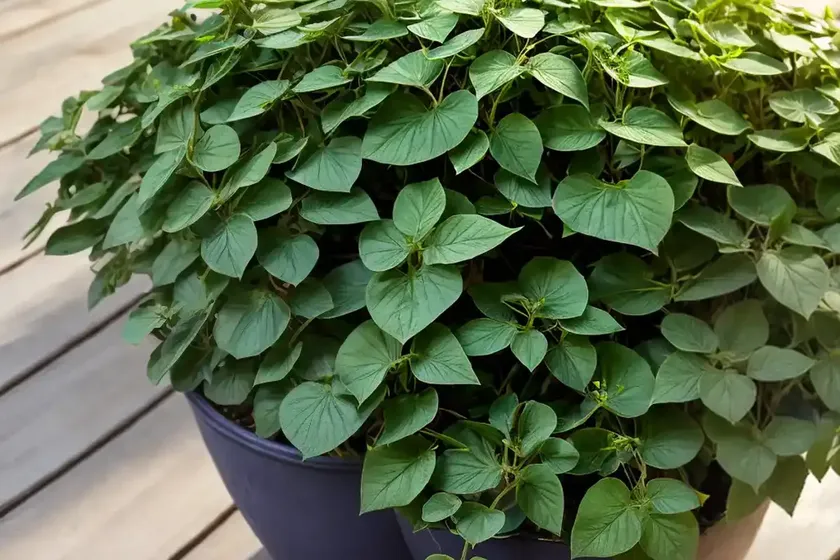
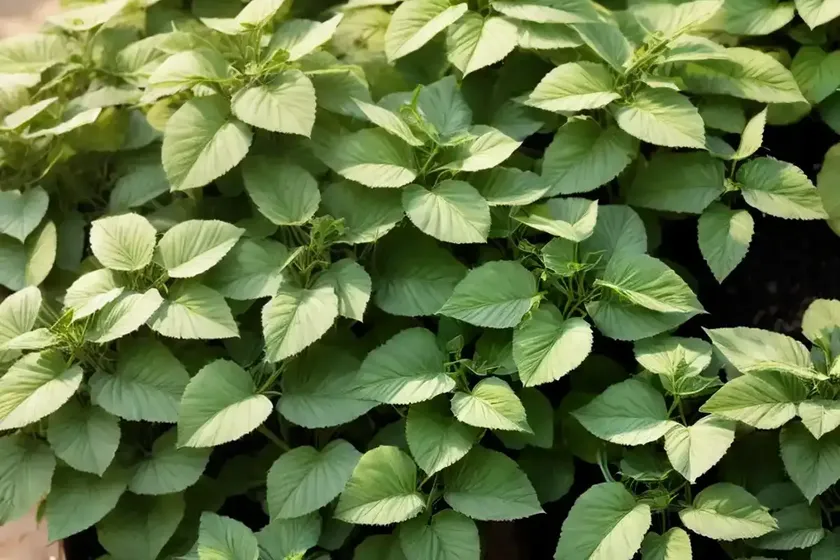
As a plant enthusiast and scientist, I am excited to delve into the captivating world of Natal-ivy, scientifically known as Senecio macroglossus. This stunning and versatile plant, with its vibrant foliage and adaptability, has gained popularity among indoor plant enthusiasts and gardening aficionados. In this comprehensive guide, we will explore the intriguing characteristics of Natal-ivy, its cultural requirements, propagation methods, common diseases and pests, fun facts, botanist’s tips, and much more. Whether you are a seasoned plant parent or a beginner looking to add a touch of green to your living space, this guide will equip you with valuable insights to nurture and enjoy the beauty of Natal-ivy.
What is Natal-Ivy (Senecio Macroglossus)?
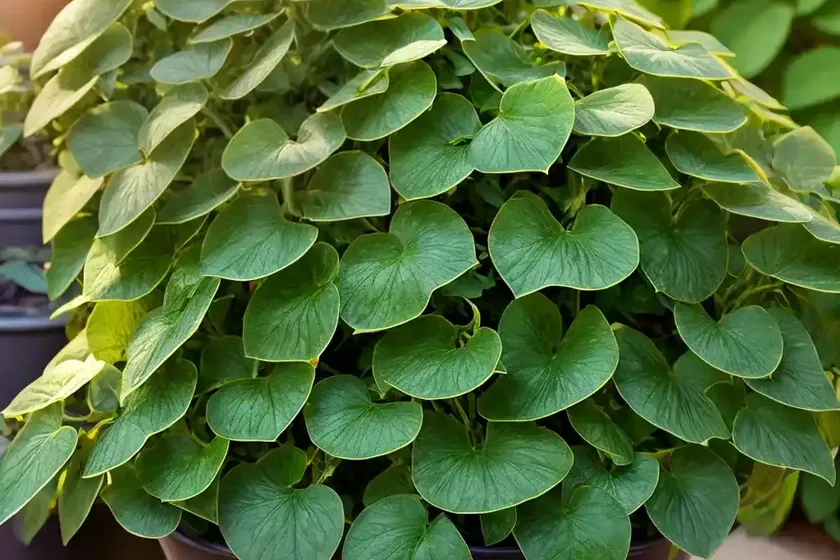
Natal-ivy, a member of the Senecio genus, is a striking trailing plant known for its glossy, heart-shaped leaves and cascading growth habit. Belonging to the Asteraceae family, this evergreen perennial hails from South Africa, particularly the Natal region, where it thrives in warm, subtropical climates. With its luscious foliage and vigorous growth, Natal-ivy has become a sought-after choice for both indoor and outdoor settings, adding a touch of lushness and elegance to any environment.
The botanical name “Senecio macroglossus” derives from its genus Senecio, which encompasses a vast array of flowering plants, and the Latin term “macroglossus,” referring to its large tongue-shaped leaves. This fascinating plant is often referred to by various common names, including wax ivy, Cape ivy, and climbing senecio, reflecting its climbing nature and ivy-like appearance.
Natal-ivy’s appeal extends beyond its ornamental value, as it is also recognized for its air-purifying attributes, making it a valuable addition to indoor spaces. With proper care and attention, Senecio macroglossus can thrive as a low-maintenance plant, providing a lush, verdant display that enlivens homes, offices, and garden landscapes.
Key Takeaways – Natal-Ivy (Senecio Macroglossus)
Before we delve deeper into the care and cultivation of Natal-ivy, let’s highlight the key takeaways that will guide our exploration of this captivating plant:
- Natal-ivy, scientifically known as Senecio macroglossus, is a trailing plant valued for its glossy, heart-shaped leaves and cascading growth habit.
- This evergreen perennial belongs to the Senecio genus within the Asteraceae family and originates from the Natal region in South Africa.
- Natal-ivy is prized for its ornamental beauty, easy maintenance, and air-purifying properties, making it a popular choice for indoor and outdoor cultivation.
- As we uncover the cultural requirements, propagation methods, common diseases, and more, you will gain valuable insights into the world of Natal-ivy and how to nurture its growth effectively.
Now that we have set the stage for our exploration, let’s embark on a comprehensive journey into the fascinating realm of Natal-ivy, unraveling its cultural needs, propagation techniques, and the secrets to fostering its lush vitality.
Understanding the cultural requirements of Natal-ivy is essential for providing an environment where it can thrive and flourish. By leveraging knowledge about its preferred growing conditions, you can create an optimal habitat that encourages healthy growth and enhances the beauty of this captivating plant.
Uses
Natal-ivy, with its attractive foliage and trailing growth habit, serves various aesthetic and functional purposes, making it a versatile addition to indoor and outdoor spaces. Here are some common uses of Natal-ivy:
Indoor Use
-
Hanging Baskets: Natal-ivy’s cascading nature makes it an excellent choice for hanging baskets, where its lush foliage can gracefully drape over the edges, adding a touch of greenery to elevated spaces. When featured in hanging baskets, Senecio macroglossus becomes a captivating focal point, creating a visually appealing display.
-
Vertical Gardens: Utilizing Natal-ivy in vertical garden arrangements allows for the creation of stunning living walls that infuse interior spaces with natural beauty. Its trailing growth habit lends itself well to vertical plantings, enhancing the aesthetics of walls and vertical structures.
-
Indoor Décor: With its vibrant foliage and graceful growth pattern, Natal-ivy serves as an attractive decorative element, bringing a touch of greenery and visual interest to interiors. Whether showcased on shelves, countertops, or plant stands, it adds a refreshing ambiance to living spaces.
Outdoor Use
-
Container Gardening: Natal-ivy thrives in outdoor containers, making it an ideal choice for balconies, patios, and terraces. When planted in containers, it can cascade over the edges, softening the hardscape and infusing outdoor areas with natural charm.
-
Ground Cover: In suitable climates, Natal-ivy can be utilized as a ground cover, creating a verdant carpet that adds texture and visual appeal to garden beds and landscapes. Its vigorous growth and lush foliage make it an excellent choice for ground cover plantings.
-
Vertical Accent: When guided to climb on trellises, arbors, or other vertical structures, Natal-ivy can serve as a striking vertical accent in outdoor settings, adding a touch of elegance and greenery to garden landscapes.
By integrating Natal-ivy into diverse settings, whether indoors or outdoors, you can harness its aesthetic appeal and functional versatility, elevating the visual charm and natural allure of your living spaces.
Water
Proper watering is crucial for the health and vitality of Natal-ivy plants. Understanding the watering needs of Senecio macroglossus is essential to prevent issues such as root rot or dehydration, ensuring that the plant thrives in an optimal moisture environment.
-
Watering Frequency: Natal-ivy prefers moderately moist soil, but it’s important to allow the top layer of soil to dry out slightly between waterings. Aim to water the plant when the top inch of soil feels dry to the touch, adjusting the frequency based on environmental factors such as temperature and humidity.
-
Watering Method: When watering Natal-ivy, apply water evenly to the soil, allowing it to penetrate the root zone. Ensure that excess water flows out from the drainage holes of the container, preventing waterlogging and maintaining appropriate soil moisture levels.
-
Avoid Overwatering: Overwatering can lead to root rot and other moisture-related issues, so it’s essential to exercise caution and avoid saturating the soil excessively. Assess the moisture levels of the soil regularly to strike a balance between hydration and aeration.
By adhering to a balanced watering regimen and monitoring the moisture requirements of Natal-ivy, you can promote healthy growth and resilience, safeguarding the plant from the perils of water-related stress.
Sunlight
Proper exposure to sunlight is pivotal for the growth and development of Natal-ivy, as it influences factors such as leaf coloration, growth rate, and overall vigor. Understanding the light requirements of Senecio macroglossus is essential for providing it with suitable illumination that fosters robust and vibrant growth.
-
Light Intensity: Natal-ivy thrives in bright, indirect light, making it well-suited for locations with ample ambient illumination. Position the plant in a space where it receives bright, filtered light, such as near east or west-facing windows, to ensure optimal light exposure without subjecting it to direct, harsh sunlight.
-
Light Duration: Providing Natal-ivy with around 6-8 hours of indirect sunlight per day is ideal for supporting its photosynthetic processes and promoting healthy growth. Adjust the placement of the plant as needed to maintain an optimal balance of light exposure throughout the day.
-
Artificial Lighting: In indoor settings with limited natural light, supplemental artificial lighting can be employed to ensure that Natal-ivy receives adequate illumination. Utilize grow lights or fluorescent lamps to augment the light levels and cater to the plant’s lighting requirements.
By positioning Natal-ivy in locations that offer appropriate light intensity and duration, you can harness the power of sunlight to fuel its growth, enhancing its lush foliage and overall vitality.
Fertilizer
Supplemental fertilization provides essential nutrients that support the growth and well-being of Natal-ivy, ensuring that it receives the nourishment necessary for robust development and vibrant foliage. Understanding the principles of fertilizing Senecio macroglossus is instrumental in promoting its health and vitality.
-
Fertilizer Type: Choose a balanced, water-soluble fertilizer formulated for indoor plants, with an N-P-K ratio of approximately 10-10-10 or 20-20-20. This balanced formulation provides a comprehensive array of essential nutrients, supporting the overall nutritional needs of Natal-ivy.
-
Fertilizer Schedule: During the active growing season in spring and summer, apply a diluted fertilizer solution every 2-4 weeks to supply the plant with essential nutrients. Reduce the frequency to once every 6-8 weeks during the dormant period in fall and winter to align with the plant’s reduced metabolic activity.
-
Application Method: When fertilizing Natal-ivy, dilute the fertilizer to half or a quarter of the recommended strength to prevent the risk of over-fertilization, which can cause nutrient imbalances and potential damage to the plant. Apply the diluted fertilizer solution to moist soil to facilitate even nutrient uptake by the roots.
By adhering to a balanced fertilization regimen that aligns with the plant’s growth stages and nutritional requirements, you can bolster the vigor and vitality of Natal-ivy, fostering optimal foliage development and overall resilience.
Soil
The growing medium plays a pivotal role in providing a supportive foundation for the roots of Natal-ivy, influencing factors such as drainage, aeration, and nutrient availability. Selecting an appropriate soil mix and understanding the soil preferences of Senecio macroglossus is fundamental in creating an environment conducive to its flourishing growth.
-
Well-Draining Soil: Natal-ivy thrives in a well-draining potting mix that facilitates adequate drainage and prevents waterlogging, which can compromise the root health of the plant. A combination of peat-based potting mix with perlite or coarse sand promotes effective drainage and aeration.
-
Nutrient-Rich Mix: Utilize a nutrient-rich potting mix that offers a balance of organic matter and essential nutrients, supporting the growth and development of Natal-ivy. Consider using a high-quality potting soil tailored for indoor plants to provide a favorable substrate for the plant’s roots.
-
pH Considerations: Aim for a slightly acidic to neutral soil pH range of 6.0-7.0, which is well-suited for the nutrient uptake and overall physiological functions of Senecio macroglossus. Regularly monitor and maintain the pH levels of the soil to ensure an optimal growing environment for the plant.
By selecting a well-draining, nutrient-rich potting mix with suitable pH levels, you can establish an ideal growing medium for Natal-ivy, fostering healthy root development and robust growth.
Pruning
Pruning plays a pivotal role in shaping the growth, controlling the size, and enhancing the appearance of Natal-ivy, allowing you to maintain its desired form and prevent overcrowding. Employing proper pruning techniques is instrumental in managing the growth of Senecio macroglossus effectively.
-
Pruning Goals: When pruning Natal-ivy, focus on removing dead or yellowing leaves, trimming overgrown stems, and shaping the overall appearance of the plant. By targeting these aspects, you can promote a tidy, compact growth habit and enhance the aesthetic appeal of the plant.
-
Pruning Tools: Utilize clean, sharp scissors or pruning shears to trim the foliage and stems of Natal-ivy, ensuring precision and minimizing the risk of damage to the plant. Sanitize the pruning tools before and after use to prevent the spread of diseases and pathogens.
-
Timing: Engage in regular maintenance pruning throughout the year to manage the growth and appearance of Natal-ivy. Additionally, address any damaged or diseased foliage promptly, removing affected parts to maintain the plant’s overall health.
By incorporating regular pruning into your plant care routine, you can sculpt the growth of Natal-ivy, promoting a well-groomed, attractive appearance and fostering its overall vitality.
Propagation
Propagation offers an opportunity to expand your collection of Natal-ivy plants and share their beauty with others, allowing you to create new specimens from existing ones. Understanding the propagation techniques for Senecio macroglossus enables you to multiply the plant effectively and foster its propagation success.
-
Propagation Methods: Natal-ivy can be propagated through stem cuttings, allowing for the creation of new plants from healthy, mature stems. Select a suitable stem cutting with several leaf nodes, remove lower leaves to expose the nodes, and place the cutting in a moist, well-draining propagation medium to promote root development.
-
Optimal Conditions: Provide conducive conditions for the propagation of Natal-ivy, including warm temperatures, adequate humidity, and indirect light. Encourage the development of roots and new growth by maintaining a consistent propagation environment that supports the establishment of the cuttings.
-
Rooting Hormone (Optional): To expedite the root development process, consider applying a rooting hormone to the basal end of the stem cutting before planting it in the propagation medium. This aids in stimulating root growth and increasing the success rate of the propagation process.
By employing effective propagation techniques and creating a nurturing environment for the cuttings, you can propagate Natal-ivy successfully, expanding your plant collection and sharing the beauty of Senecio macroglossus with fellow plant enthusiasts.
Container Popularity
Natal-ivy’s versatility and adaptability make it a popular choice for container cultivation, offering a myriad of opportunities for creative display and flexible placement within indoor and outdoor settings. The container popularity of Senecio macroglossus stems from its ability to thrive in confined spaces while enhancing the visual allure of the surroundings.
-
Hanging Pots: Natal-ivy is commonly featured in hanging pots, where its trailing growth habit can cascade gracefully, creating a captivating display that adds a touch of lushness and elegance to elevated spaces. The cascading foliage of Senecio macroglossus lends itself well to hanging pots, allowing for a stunning visual presentation.
-
Container Size: When selecting a container for Natal-ivy, opt for a pot with adequate drainage holes and sufficient space to accommodate the plant’s root system. Ensure that the container provides ample room for root growth while preventing overcrowding and constriction.
-
Décor Accents: Incorporating Natal-ivy into decorative containers and planters elevates the aesthetic appeal of indoor and outdoor spaces, offering an opportunity to infuse flair and style into the surroundings. Choose containers that complement the overall décor and design theme, allowing Natal-ivy to serve as a striking embellishment.
By embracing Natal-ivy’s container popularity, you can unleash your creativity and imagination, utilizing a diverse array of containers to showcase the beauty of Senecio macroglossus and enhance the visual charm of your living spaces.
Common Diseases
Natal-ivy, like all plants, is susceptible to certain diseases and health issues that can impact its growth and overall well-being. Understanding the common diseases that may affect Senecio macroglossus empowers you to recognize and address potential health concerns promptly.
Disease Diagnosis
-
Powdery Mildew: Powdery mildew, characterized by a powdery white coating on the foliage, may occur due to high humidity and poor air circulation. Prevent powdery mildew by providing adequate ventilation and maintaining appropriate humidity levels.
-
Root Rot: Overwatering or poorly-draining soil can lead to root rot, causing the roots to decay and compromising the plant’s health. To prevent root rot, ensure proper soil drainage and establish a balanced watering regimen that prevents waterlogging.
-
Leaf Spot Diseases: Various fungal pathogens can cause leaf spot diseases, manifesting as dark spots or lesions on the foliage. Maintain good air circulation, avoid overhead watering, and promptly remove affected leaves to mitigate the spread of leaf spot diseases.
Disease Prevention
-
Proactive Monitoring: Regularly inspect Natal-ivy for signs of diseases or abnormalities, such as leaf discoloration, spots, or unusual growth patterns. Early detection allows for prompt intervention and effective management of potential health issues.
-
Optimal Growing Conditions: Provide conducive growing conditions, including proper watering, suitable light exposure, and well-draining soil, to bolster the overall health and resilience of Natal-ivy. Creating an environment that aligns with the plant’s requirements reduces the likelihood of disease development.
-
Hygiene Practices: Practice good hygiene by removing fallen leaves, debris, and other organic matter from the vicinity of Natal-ivy to minimize the risk of disease establishment and prevent the proliferation of pathogens.
By remaining vigilant and implementing proactive measures to prevent and address common diseases, you can safeguard the health and vigor of Natal-ivy, promoting its longevity and vitality.
Common Pests
Pests can pose a threat to the well-being of Natal-ivy, potentially causing damage to the foliage, stems, and overall growth of the plant. Familiarizing yourself with the common pests that may affect Senecio macroglossus empowers you to identify and combat pest infestations effectively.
Pest Control
-
Spider Mites: These tiny arachnids can infest Natal-ivy, causing stippling, webbing, and decline in plant health. Mitigate spider mite infestations by regularly misting the foliage to increase humidity and employing natural predators to control their population.
-
Mealybugs: Mealybugs, with their white, waxy appearance, may target Natal-ivy, sapping the plant’s vitality and causing deformities in the foliage. Combat mealybug infestations by gently removing them with a cotton swab dipped in rubbing alcohol and implementing preventative measures such as regular inspections.
-
Aphids: Aphids, small sap-sucking insects, may attack Natal-ivy, causing distorted growth and excreting sticky honeydew. Manage aphid populations by utilizing insecticidal soaps, introducing beneficial insects, or employing physical methods such as washing the foliage with water to dislodge aphids.
Pest Prevention
-
Plant Inspection: Routinely inspect Natal-ivy for signs of pest activity, including stippling, webbing, or the presence of pests such as spider mites, mealybugs, and aphids. Early detection allows for timely intervention to prevent pest populations from causing significant damage.
-
Natural Predators: Encourage the presence of natural predators such as ladybugs, lacewings, and predatory mites in the vicinity of Natal-ivy to aid in controlling pest populations and maintaining a balanced ecosystem.
-
Hygiene Measures: Implement good hygiene practices by maintaining cleanliness around the plant, promptly removing fallen foliage, and reducing potential pest habitats to minimize the risk of pest infestations.
By staying vigilant and implementing proactive pest control measures, you can protect Natal-ivy from the perils of pest infestations, preserving its health and promoting robust growth.
To foster the successful growth and thriving vitality of Natal-ivy, it is essential to incorporate valuable tips and best practices into your plant care routine. These botanist’s tips offer insights and recommendations for nurturing the growth of Senecio macroglossus effectively.
Fun Facts
Before we delve into the botanist’s tips, let’s uncover some intriguing fun facts about Natal-ivy that highlight its unique traits and captivating allure:
- Air-Purifying Qualities: Natal-ivy possesses air-purifying properties, actively filtering indoor air and removing harmful pollutants such as formaldehyde