Living Stone (Lithops Optica ‘Rubra’)
Plants have always been a source of fascination and wonder for humans due to their diversity and adaptability. One such extraordinary plant is the Living.
Introduction
Plants have always been a source of fascination and wonder for humans due to their diversity and adaptability. One such extraordinary plant is the Living Stone (Lithops optica ‘Rubra’), a succulent with unique characteristics that make it a captivating choice for both indoor and outdoor cultivation. In this comprehensive guide, we will explore the various aspects of the Living Stone, including its culture, uses, care requirements, propagation, common diseases, and much more.
What is Living Stone (Lithops optica ‘Rubra’)?
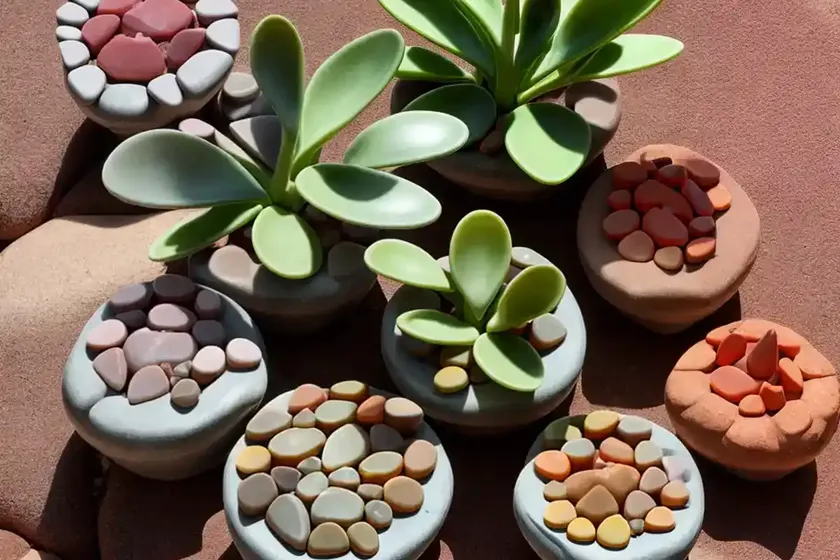
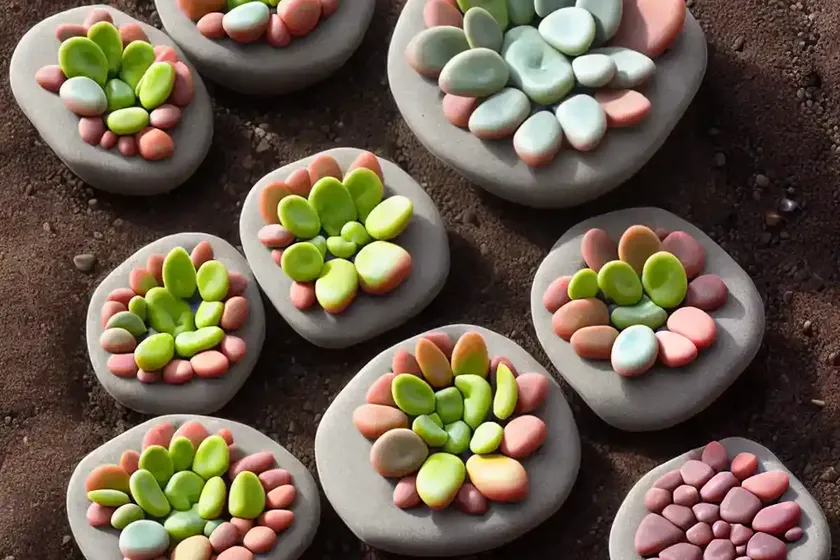
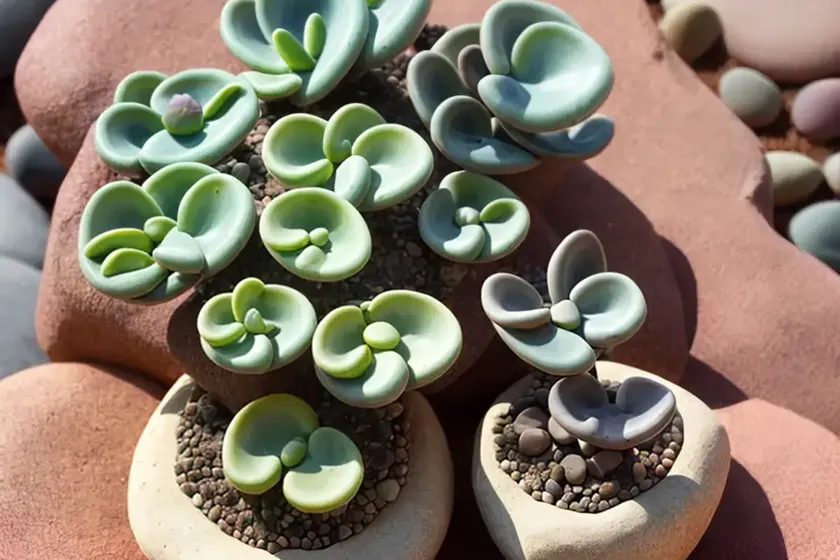
The Living Stone, scientifically known as Lithops optica ‘Rubra’, is a member of the Aizoaceae family, commonly referred to as the “stone plant” family. It is a succulent plant renowned for its remarkable resemblance to a stone, which serves as a form of camouflage in its natural habitat. The specific epithet ‘Rubra’ refers to the plant’s distinctive ruby-red coloration, which sets it apart from other varieties of Lithops optica.
This unique succulent is native to the arid regions of southern Africa, where it has evolved to withstand extreme temperatures and scarce water availability. Its ability to mimic the appearance of surrounding stones makes it well-suited for surviving in harsh desert environments, where it can evade herbivores and thrive in the rocky, mineral-rich soils.
Key Takeaways – Living Stone (Lithops optica ‘Rubra’)
Culture
- Known for its uncanny resemblance to stones, making it an excellent addition to rock gardens and desert-themed landscapes.
- Well-adapted to arid environments and exhibits drought tolerance.
- Exhibits fascinating growth patterns and seasonal changes, making it an intriguing plant to observe.
Uses
- Popular as a decorative plant for indoor displays, terrariums, and xeriscaping projects.
- Adds unique visual interest to succulent gardens, container plantings, and arid landscaping designs.
- Serves as an educational and conversation-starting plant due to its extraordinary appearance and survival strategies.
Water
- Requires minimal water and is prone to root rot if overwatered.
- Thrives in well-draining soil and benefits from a dry period between waterings.
- Adapted to store water in its specialized leaves, allowing it to withstand prolonged periods of drought.
Sunlight
- Flourishes in bright, indirect light and is well-suited for sunny windowsills and outdoor locations with partial shade.
- Susceptible to sunburn if abruptly exposed to intense sunlight, particularly after being kept in low-light conditions.
Fertilizer
- Requires minimal fertilization and is best suited for a low-nutrient soil mix.
- Responds well to a balanced, diluted fertilizer formulation during the active growing season, with a preference for organic options.
Soil
- Flourishes in a well-draining, mineral-based soil mix, such as a combination of coarse sand, perlite, and gritty succulent soil.
- Adapts to nutrient-poor soils characteristic of its native habitat and benefits from a gritty texture that mimics its natural growing environment.
Pruning
- Typically does not require pruning, as its growth habits involve the development of new leaf pairs and seasonal shedding of older pairs.
- Removal of spent or decaying leaf pairs may be necessary to prevent fungal issues and maintain the plant’s overall appearance.
Propagation
- Propagated primarily through seeds, which can be sown in a well-draining growing medium during the spring or early summer.
- Division of mature clumps can also be employed to propagate new plants, with care taken to minimize root disturbance.
Container Popularity
- Well-suited for container gardening due to its compact size and slow growth rate.
- Adds an intriguing and visually striking element to succulent and cacti collections housed in containers.
Common Diseases
- Susceptible to fungal diseases, particularly under conditions of excessive moisture and poor air circulation.
- Prone to rot issues if subjected to prolonged periods of waterlogged soil or high humidity levels.
Disease Diagnosis
- Identifying signs of fungal diseases, such as discolored, mushy, or water-soaked areas on the plant’s body.
- Monitoring for symptoms of root rot, including foul odor, darkening of roots, and wilting despite adequate moisture.
Common Pests
- Occasionally affected by common succulent pests such as mealybugs, aphids, and spider mites.
- Regular inspections and prompt intervention with organic pest control methods can help prevent pest-related damage.
Botanist’s Tips
- Exercise caution when watering, especially during the plant’s dormant period, to prevent overhydration.
- Provide adequate ventilation and airflow to minimize the risk of fungal infections, particularly in humid environments.
- Monitor seasonal changes in growth habits and adjust care routines accordingly to support the plant’s natural rhythms.
Fun Facts
- The intricate patterns and color variations of Living Stone plants mimic the appearance of mineral deposits, enhancing their camouflage and protection from predators.
- The name “Lithops” is derived from the Greek words “lithos,” meaning “stone,” and “ops,” meaning “face,” alluding to the plant’s stone-like appearance.
Links to External Resources
Conclusion
The Living Stone (Lithops optica ‘Rubra’) stands out as a remarkable example of nature’s ingenuity, showcasing captivating mimicry and adaptive strategies that have earned it a place of honor in succulent enthusiasts’ collections worldwide. With its striking appearance, minimal care requirements, and intriguing growth patterns, this extraordinary plant serves as a testament to the resilience and beauty of arid-adapted species. By understanding and embracing the unique needs of the Living Stone, plant enthusiasts can cultivate and appreciate this fascinating succulent in their own indoor and outdoor spaces, enriching their botanical experiences and deepening their appreciation for the wonders of the natural world.
References:
- https://www.thespruce.com/lithops-5074932
- https://worldofsucculents.com/?s=lithops