The Ultimate Guide to Windmill Palm Care
As a plant scientist, I am thrilled to share with you the ultimate guide to caring for the windmill palm (Trachycarpus fortunei). This exquisite palm species is known for its adaptability and resilience, making it a popular choice for both indoor and outdoor cultivation. In this comprehensive guide, we will delve into the culture, uses, and all the essential care requirements for the windmill palm. By the end of this guide, you will be equipped with the knowledge and tips to successfully nurture and maintain this iconic plant species.
What is the Windmill Palm (Trachycarpus fortunei)?
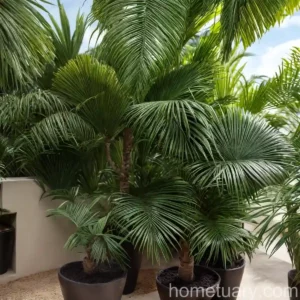
The windmill palm, scientifically known as Trachycarpus fortunei, is a species of palm native to eastern Asia, specifically China and Japan. It belongs to the Arecaceae family and is characterized by its distinct fan-shaped leaves and slender trunk. The windmill palm is a slow-growing tree that can reach heights of 20 to 40 feet, with a spread of approximately 10 feet. Its ability to thrive in various climates, including temperate and subtropical regions, makes it a sought-after ornamental plant for both residential and commercial landscapes.
Key Takeaways – Windmill Palm (Trachycarpus fortunei)
Before we delve into the specific care requirements for the windmill palm, let’s take a quick look at the key takeaways for this iconic plant:
- Scientific Name: Trachycarpus fortunei
- Common Name: Windmill Palm
- Family: Arecaceae
- Native Region: China and Japan
- Height: 20 to 40 feet
- Spread: Approximately 10 feet
Now that we have an overview of this fascinating plant, let’s explore the essential aspects of windmill palm care, including its culture, uses, water requirements, sunlight preferences, fertilizer needs, soil preferences, pruning techniques, propagation methods, common diseases, and pests.
Culture
Understanding the cultural requirements of the windmill palm is essential for creating an optimal environment for its growth and development. From water and sunlight to soil and fertilizer, the cultural factors play a significant role in nurturing a healthy and vibrant windmill palm.
Uses
The windmill palm is highly valued for its ornamental and landscaping purposes. Here are some common uses of the windmill palm:
- Ornamental Plant: The elegant foliage and unique trunk of the windmill palm make it a popular choice for ornamental planting in gardens, parks, and urban landscapes.
- Privacy Screen: Due to its dense foliage, the windmill palm can be used as a natural privacy screen or windbreak, providing both aesthetic appeal and functional benefits.
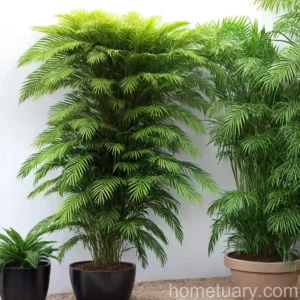
- Container Planting: Its adaptability to container cultivation makes it suitable for indoor and outdoor potted displays, adding a touch of tropical elegance to any space.
- Landscaping Accent: Whether planted individually or in groups, the windmill palm serves as a striking focal point in landscape designs, adding a sense of exotic allure.
Now that we have explored the uses of the windmill palm, let’s delve into the specific cultural requirements that contribute to its overall health and vitality.
Water
Proper watering is crucial for maintaining the health and vigor of the windmill palm. As with any plant, striking the right balance in watering practices is essential for preventing both water stress and waterlogging.
Windmill Palm Watering Tips
To ensure optimal water management for the windmill palm, consider the following tips:
- Moderate Watering: While the windmill palm is relatively tolerant of drought, regular watering is crucial, especially during its establishment phase and in hot, dry conditions.
- Well-Drained Soil: Plant the windmill palm in well-draining soil to prevent water accumulation around the roots, which can lead to rot and other water-related issues.
- Moisture Monitoring: Use a moisture meter or simply gauge the soil moisture by probing the top few inches of soil. Water when the topsoil feels dry to the touch.
- Established Trees: Once the windmill palm is established, it is more tolerant of occasional drought, but do not neglect watering during prolonged dry spells, especially in containers.
Sunlight
As a palm species, the windmill palm thrives in bright, indirect light and partial shade, making it suitable for a variety of outdoor and indoor environments.
Windmill Palm Sunlight Requirements
Understanding the sunlight needs of the windmill palm is essential for providing the ideal growing conditions:
- Outdoor Planting: Opt for a location that receives partial to full sunlight, with protection from intense afternoon sun, especially in hot climates.
- Indoor Cultivation: Place potted windmill palms near a bright window with exposure to filtered sunlight, avoiding direct, harsh rays.
- Sunlight Adaptability: The windmill palm exhibits a degree of adaptability to different light conditions, making it versatile for various settings.
Fertilizer
Providing the windmill palm with essential nutrients through balanced fertilization supports its growth and overall vitality. Understanding the fertilizer needs and application practices is integral to maintaining the health of the windmill palm.
Windmill Palm Fertilizer Tips
Consider the following fertilizer tips for nourishing the windmill palm:
- Slow-Release Fertilizer: Apply a high-quality, slow-release palm fertilizer during the growing season to provide a steady supply of essential nutrients without the risk of over-fertilization.
- Macro and Micronutrients: Choose a fertilizer specifically formulated for palms, ensuring a balanced blend of macro and micronutrients, including nitrogen, potassium, and magnesium.
- Application Frequency: Follow the recommended application frequency and dosage as per the fertilizer product instructions, and avoid excessive feeding, which can lead to nutrient imbalances.
Soil
The soil composition and quality significantly impact the growth and health of the windmill palm. Optimal soil conditions promote root development and nutrient uptake, contributing to the overall vigor of the plant.
Best Soil for Windmill Palm
When selecting or preparing soil for the windmill palm, consider the following factors:
- Well-Drained Loamy Soil: The windmill palm thrives in well-drained, loamy soil with a slightly acidic to neutral pH, allowing for adequate moisture retention without waterlogging.
- Amendment with Organic Matter: Incorporate organic matter, such as compost or well-rotted manure, into the soil to enhance its structure, fertility, and water-holding capacity.
- Container Mix: For potted windmill palms, use a well-draining potting mix specifically formulated for palms or amend standard potting mix with perlite or sand for improved drainage.
Pruning
Regular pruning is essential for maintaining the aesthetic appeal and health of the windmill palm. Proper pruning techniques help remove dead or damaged fronds, promote airflow, and enhance the overall appearance of the plant.
Windmill Palm Pruning Techniques
When pruning the windmill palm, follow these essential techniques for optimal results:
- Frond Removal: Trim brown, yellowed, or damaged fronds close to the trunk without cutting into the healthy green tissue.
- Pruning Frequency: Regularly inspect the palm for dead or discolored fronds and prune as needed, typically during the growing season. Avoid excessive removal of healthy fronds to prevent stress to the plant.
- Tool Sanitization: Disinfect pruning tools with a solution of 70% alcohol or a bleach-water mixture to prevent the spread of diseases between plants.
Propagation
The propagation of windmill palms allows for the generation of new plants and the preservation of desirable traits. While it is a slow process, understanding the propagation methods is valuable for expanding your palm collection.
Windmill Palm Propagation Methods
Consider the following propagation methods for the windmill palm:
- Seed Propagation: Collect ripe seeds from healthy windmill palms and sow them in a well-draining seed-starting mix. Keep the soil consistently moist and provide warmth for germination.
- Division: As the windmill palm matures, it may produce offsets or suckers around the base. Carefully separate these offsets and plant them in individual containers or directly in the garden.
Container Popularity
The windmill palm’s adaptability to container cultivation adds to its popularity as a choice for indoor and outdoor potted displays. Its striking appearance and low maintenance requirements make it an ideal option for accentuating any space with a touch of tropical elegance.
Container Common Diseases
While growing windmill palms in containers offers numerous benefits, it is essential to be mindful of potential diseases that can affect container-grown palms.
Disease Diagnosis
When growing the windmill palm in containers, watch for the following common diseases:
- Fungal Diseases: Keep an eye out for signs of fungal infections, such as leaf spots, powdery mildew, or root rot, which can be exacerbated by excessive moisture in poorly-draining containers.
- Bacterial Infections: Monitor for symptoms of bacterial diseases, including discolored or water-soaked areas on leaves, which may require prompt treatment with appropriate fungicides or bactericides.
Common Pests
In addition to diseases, container-grown windmill palms may be susceptible to certain pests that can affect their overall health and appearance.
Botanist’s Tips
For container cultivation of windmill palms, consider the following botanist’s tips to promote healthy growth and prevent common issues:
- Adequate Drainage: Use containers with sufficient drainage holes to prevent water accumulation, and consider elevating the pots on feet or pot stands to enhance airflow.
- Appropriate Sizing: Choose a container that accommodates the palm’s root system with some room for growth, while avoiding excessively large pots that can retain excess moisture.
Fun Facts
Before we conclude this comprehensive guide, let’s explore some fascinating fun facts about the windmill palm:
- Ancient History: Trachycarpus fortunei is one of the oldest cultivated palm species, with historical records of its use in landscaping dating back centuries.
- Cold Hardiness: The windmill palm is renowned for its exceptional cold tolerance, with the ability to thrive in subfreezing temperatures and even light snowfall.
Links to External Resources
To further expand your knowledge and expertise in windmill palm care, consider exploring the following external resources:
In conclusion, the windmill palm (Trachycarpus fortunei) stands as a resilient and captivating addition to any landscape or indoor setting. By understanding its cultural requirements, from water and sunlight to soil and pruning, you can create an optimal environment for the windmill palm to flourish. Whether you are a seasoned palm enthusiast or a novice gardener, this comprehensive guide equips you with the knowledge and insights to successfully nurture and care for this iconic palm species.
With its timeless elegance and adaptability, the windmill palm continues to captivate plant enthusiasts and landscape designers, embodying the enduring allure of palm species in horticulture and botanical appreciation.