Plant Scientist’s Guide to Hibiscus ‘Vintage Wine’ (Rose Mallow)
What is Hibiscus ‘Vintage Wine’ (Rose Mallow)?
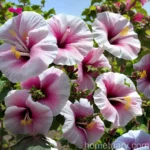
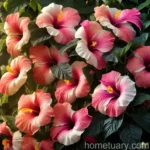
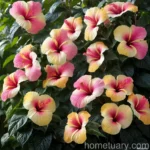
Hibiscus ‘Vintage Wine’, commonly known as Rose Mallow, is a stunning perennial plant that belongs to the Malvaceae family. This cultivar is renowned for its large, showy flowers and vibrant foliage, making it a popular choice for gardens and landscapes. With its striking appearance and relatively easy cultivation requirements, Hibiscus ‘Vintage Wine’ has captured the attention of plant enthusiasts and horticulturists alike.
In this comprehensive guide, we will delve into the various aspects of growing and caring for Hibiscus ‘Vintage Wine’, highlighting its cultural preferences, uses, maintenance practices, and potential challenges.

Key Takeaways – Hibiscus ‘Vintage Wine’ (Rose Mallow)
Before we embark on the detailed exploration of Hibiscus ‘Vintage Wine’, it’s essential to provide a succinct overview of the key takeaways associated with this captivating plant. The following sections will elaborate on each of these points, offering valuable insights to both novice and seasoned gardeners.
Culture
- Understanding the cultural requirements of Hibiscus ‘Vintage Wine’, including its water, sunlight, and soil preferences.
Uses
- Exploring the various applications of Hibiscus ‘Vintage Wine in garden landscapes and outdoor spaces.
Water
- Addressing the specific watering needs of Hibiscus ‘Vintage Wine’ to ensure optimal growth and flowering.
Sunlight
- Identifying the ideal sunlight conditions for cultivating Rose Mallow ‘Vintage Wine’ and its impact on plant health.
Fertilizer
- Understanding the role of fertilization in promoting the growth and blooming of Hibiscus ‘Vintage Wine’.
Soil
- Discussing the preferred soil types and conditions to support the thriving development of this vibrant plant.
Pruning
- Implementing effective pruning techniques to maintain the shape and health of Hibiscus ‘Vintage Wine.
Propagation
- Exploring the propagation methods suitable for propagating new Rose Mallow ‘Vintage Wine’ plants.
Container Cultivation
- Examining the feasibility of growing Hibiscus ‘Vintage Wine’ in containers and the associated considerations.
Culture
Cultivating Hibiscus ‘Vintage Wine’ successfully requires a fundamental understanding of its cultural preferences. By addressing its water, sunlight, and soil requirements, gardeners can create an environment that fosters healthy growth and abundant flowering.
Water
Hibiscus ‘Vintage Wine’ thrives in consistently moist soil, especially during its active growth periods. However, it’s crucial to avoid waterlogging, as excessive moisture can lead to root rot and other detrimental conditions. When establishing a watering routine for Rose Mallow ‘Vintage Wine’, it’s essential to consider the following:
-
Regular Moisture: The plant benefits from regular watering, especially during the drier months of the year. Aim to keep the soil consistently moist, but not waterlogged.
-
Mulching: Applying a layer of organic mulch around the base of the plant helps retain soil moisture and regulates the temperature, contributing to the overall health of Hibiscus ‘Vintage Wine’.
-
Avoid Overwatering: While adequate moisture is essential, overwatering should be avoided to prevent waterlogging and related complications. Allow the soil to dry slightly between watering sessions to strike a balance.
Sunlight
In terms of sunlight requirements, Hibiscus ‘Vintage Wine’ thrives in full sun to partial shade conditions. When choosing its planting location, consider the following recommendations:
-
Full Sun: Providing ample sunlight exposure, ideally 6 to 8 hours of direct sunlight daily, promotes robust growth and prolific flowering in Rose Mallow ‘Vintage Wine’.
-
Partial Shade: If full sun conditions are not feasible, the plant can tolerate partial shade, especially during the intense midday sun. However, reduced sunlight may impact its blooming potential.
-
Orientation: Select a planting site that offers the appropriate sunlight exposure based on the local climatic conditions and seasonal variations.
Fertilizer
Fertilization plays a pivotal role in supporting the nutrient requirements of Hibiscus ‘Vintage Wine’, contributing to its overall vigor and flowering capacity. Consider the following guidelines when implementing a fertilization regimen for Rose Mallow ‘Vintage Wine’:
-
Balanced Fertilizer: Utilize a balanced, slow-release fertilizer formulated for flowering plants to provide the necessary nutrients without promoting excessive vegetative growth.
-
Application Frequency: Apply fertilizer in early spring as new growth emerges, and consider a second application during the growing season to sustain the plant’s nutritional needs.
-
Avoid Overfeeding: While consistent fertilization is beneficial, avoid overfeeding the plant, as it can lead to imbalances and potential damage.
Soil
The soil composition and quality significantly impact the health and development of Hibiscus ‘Vintage Wine’. Understanding the preferred soil conditions enables gardeners to create an environment conducive to the plant’s prosperity.
-
Well-Draining Soil: Rose Mallow ‘Vintage Wine’ thrives in well-draining, fertile soil that retains moisture without becoming waterlogged. Amending heavy soils with organic matter can improve drainage.
-
Acidic to Neutral pH: The ideal soil pH for Hibiscus ‘Vintage Wine’ ranges from slightly acidic to neutral (pH 6.0-7.0), providing an optimal nutrient uptake environment for the plant.
-
Soil Amendment: Regularly enrich the soil with organic matter to enhance its structure, fertility, and moisture retention capacity, supporting the long-term health of Rose Mallow ‘Vintage Wine’.
Uses
The versatility of Hibiscus ‘Vintage Wine’ extends beyond its ornamental charm, as it serves various purposes in garden landscapes and outdoor settings. Understanding its potential uses enables gardeners to leverage the plant’s attributes effectively.
-
Landscaping: The vibrant blooms and lush foliage of Hibiscus ‘Vintage Wine’ make it an excellent choice for landscaping, where it can be incorporated into flower beds, borders, and mixed perennial plantings.
-
Accent Plant: The showy flowers and distinctive foliage of Rose Mallow ‘Vintage Wine’ make it an ideal accent plant, drawing visual interest and focal points within garden designs.
-
Pollinator Attractor: The nectar-rich flowers of Hibiscus ‘Vintage Wine’ attract pollinators, including bees, butterflies, and hummingbirds, contributing to biodiversity and ecological balance in the garden.
-
Container Planting: Hibiscus ‘Vintage Wine’ adapts well to container cultivation, allowing gardeners with limited space to enjoy its beauty on patios, balconies, and other outdoor areas.
Pruning
Implementing proper pruning practices is essential for maintaining the health, shape, and flowering potential of Hibiscus ‘Vintage Wine’. By addressing the following aspects, gardeners can effectively manage the pruning needs of Rose Mallow ‘Vintage Wine’.
-
Timing: Prune Hibiscus ‘Vintage Wine’ in late winter or early spring before new growth emerges, as this promotes the development of new branches and flowering shoots.
-
Deadheading: Regularly remove spent flowers to encourage continuous blooming and prevent the formation of seeds, redirecting the plant’s energy towards new growth and floral production.
-
Selective Pruning: As the plant grows, selectively prune any weak or overly vigorous stems to maintain a balanced, open structure and encourage airflow within the canopy.
-
Maintenance Pruning: Perform routine maintenance pruning to remove damaged or diseased foliage, fostering the overall health and aesthetics of Rose Mallow ‘Vintage Wine’.
Propagation
The propagation of Hibiscus ‘Vintage Wine’ provides an opportunity to expand its presence within the garden and share its beauty with others. Explore the following propagation methods to propagate new Rose Mallow ‘Vintage Wine’ plants:
-
Seed Propagation: Collect seeds from mature Rose Mallow ‘Vintage Wine’ plants and sow them in well-draining, moist soil to initiate germination. This method allows for genetic diversity and the potential discovery of new variations.
-
Cutting Propagation: Take stem cuttings from healthy, actively growing Hibiscus ‘Vintage Wine’ plants and root them in a suitable growing medium. Maintain consistent moisture and warmth to facilitate root development.
-
Division: Divide established Rose Mallow ‘Vintage Wine’ clumps during the early spring before new growth commences, ensuring that each division contains viable roots and shoots for successful establishment.
Container Cultivation
The adaptability of Hibiscus ‘Vintage Wine’ to container cultivation makes it an attractive option for gardeners with limited space or those seeking to introduce a focal point on patios, decks, or balconies. Consider the following factors when growing Rose Mallow ‘Vintage Wine’ in containers:
-
Container Selection: Choose a large, sturdy container with adequate drainage holes to accommodate the plant’s root system and facilitate proper water drainage.
-
Growing Medium: Utilize a well-draining, nutrient-rich potting mix formulated for flowering plants, ensuring that it provides the necessary support for healthy growth and development.
-
Watering Considerations: Container-grown Hibiscus ‘Vintage Wine’ may require more frequent watering due to faster moisture evaporation. Monitor the soil moisture closely and adjust the watering frequency as needed.
-
Sunlight Exposure: Position the container in a location that receives ample sunlight, as consistent sunlight exposure is crucial for the flowering and overall vitality of Rose Mallow ‘Vintage Wine’.
-
Overwintering: In regions with harsh winters, consider overwintering container-grown Hibiscus ‘Vintage Wine’ indoors to protect it from frost and cold temperatures.
Common Diseases
The health of Hibiscus ‘Vintage Wine’ can be compromised by various diseases, necessitating vigilance and proactive management strategies to mitigate their impact. Familiarize yourself with the following common diseases that may affect Rose Mallow ‘Vintage Wine’:
-
Powdery Mildew: This fungal disease manifests as a powdery, white coating on the foliage, leading to stunted growth and reduced flowering. Maintaining proper air circulation and utilizing fungicidal treatments can assist in managing powdery mildew.
-
Cercospora Leaf Spot: Identified by the presence of circular or angular brown spots on the leaves, this fungal disease can weaken the plant over time. Remove affected foliage, avoid overhead watering, and apply appropriate fungicidal sprays to reduce its spread.
-
Rust: Characterized by rusty or orange-colored pustules on the leaves, rust can defoliate the plant and weaken its overall vigor. Implementing proper sanitation practices and fungicidal treatments can curtail the impact of rust on Hibiscus ‘Vintage Wine’.
-
Botrytis Blight: Also known as gray mold, Botrytis blight presents as gray, fuzzy mold on the plant’s tissues, particularly in conditions of high humidity and poor air circulation. Pruning affected areas and promoting better airflow can aid in managing this disease.
-
Root Rot: Excessive soil moisture or poor drainage can lead to root rot, causing the plant to exhibit wilting, yellowing foliage, and overall decline. Adjusting the watering practices and improving the soil drainage can prevent and address root rot issues.
Disease Diagnosis
The timely diagnosis of diseases affecting Hibiscus ‘Vintage Wine’ is crucial for implementing targeted management and treatment measures. By recognizing the symptoms and signs associated with common diseases, gardeners can take proactive steps to safeguard the health of Rose Mallow ‘Vintage Wine’. Consider the following diagnostic indicators for prevalent diseases:
-
Foliage Appearance: Monitor the foliage for any unusual discoloration, spots, or powdery coatings, which may indicate the presence of fungal diseases such as powdery mildew, Cercospora leaf spot, or rust.
-
Plant Vitality: Assess the overall vigor and growth patterns of Hibiscus ‘Vintage Wine’, as a decline in health, wilting, or stunted growth can point towards root rot or other underlying issues.
-
Environmental Conditions: Consider the prevailing environmental factors, including moisture levels, air circulation, and temperature, as these can influence the likelihood of certain diseases, such as Botrytis blight.
-
Root Examination: When addressing concerns related to root rot, carefully inspect the roots for signs of decay, discoloration, or a foul odor, indicating potential issues with excessive moisture.
-
Observation Over Time: Continuously monitor the plant’s condition and note any changes in its appearance or behavior, enabling early detection and intervention when disease symptoms emerge.
Common Pests
In addition to diseases, Hibiscus ‘Vintage Wine’ may encounter various pests that can compromise its health and aesthetics. By familiarizing yourself with the common pests and their associated management strategies, you can effectively safeguard the well-being of Rose Mallow ‘Vintage Wine’. The following pests are known to affect this plant:
-
Aphids: These small, soft-bodied insects may gather on the new growth and undersides of the leaves, sucking sap and causing distorted growth. Utilize insecticidal soap or horticultural oils to control aphid infestations effectively.
-
Whiteflies: Whiteflies are tiny, white insects that congregate on the underside of leaves, sucking plant juices and excreting honeydew. Introduce natural predators, such as ladybugs or lacewings, to manage whitefly populations.
-
Spider Mites: These minuscule arachnids may infest the foliage, causing stippling, webbing, and a decline in plant health. Regularly hose down the foliage to reduce spider mite numbers and consider applying miticides if needed.
-
Japanese Beetles: The adults of these beetles can feed on the foliage and flowers, causing significant damage. Handpick the beetles and deploy pheromone traps to manage Japanese beetle populations in the garden.
-
Scale Insects: Scale insects may appear as raised, waxy bumps on the stems and leaves, leading to weakened growth and sap depletion. Use horticultural oils, insecticidal soaps, or natural predators to control scale infestations.
Botanist’s Tips
As a botanist specializing in ornamental plants, I’ve gathered valuable insights and recommendations for cultivating and caring for Hibiscus ‘Vintage Wine’ based on hands-on experience and horticultural expertise. The following tips aim to enhance the success and enjoyment of growing Rose Mallow ‘Vintage Wine’:
-
Regular Monitoring: Frequently observe the plant for any signs of stress, disease, or pest activity, allowing for prompt intervention and remedial measures when necessary.
-
Consistent Moisture: Maintain a consistent moisture level in the soil, especially during the active growth phases, to foster healthy root development and robust flowering.
-
Integrated Pest Management: Adopt an integrated approach to managing pests, incorporating cultural, biological, and minimal chemical interventions for sustainable pest control.
-
Healthy Soil: Prioritize soil health by enriching it with organic matter, promoting beneficial microorganisms, and ensuring optimal pH levels to support the long-term vitality of Hibiscus ‘Vintage Wine’.
-
Beneficial Companions: Select companion plants that complement Hibiscus ‘Vintage Wine’ in terms of aesthetic appeal, ecological support, and growth habits, creating harmonious garden compositions.
-
Educational Outreach: Share the knowledge and joy of cultivating Rose Mallow ‘Vintage Wine’ with fellow gardeners, fostering a sense of community and promoting appreciation for ornamental horticulture.
Fun Facts
To further appreciate the allure and uniqueness of Hibiscus ‘Vintage Wine’, consider these engaging and enlightening fun facts about the plant:
-
Historical Significance: Hibiscus species have a rich cultural heritage, with some varieties revered in traditional medicine and cultural rituals across different regions of the world.
-
Global Diversity: Hibiscus comprises an extensive genus with diverse species distributed across tropical, subtropical, and temperate regions, showcasing an array of floral forms and growth habits.
-
Folklore and Symbolism: In various cultures, hibiscus flowers are imbued with symbolic meanings, representing beauty, femininity, hospitality, and immortality in different contexts and traditions.
-
Culinary Applications: Some Hibiscus species, particularly Hibiscus sabdariffa, are valued for their edible calyces, which are used in teas, beverages, jams, and culinary preparations in several culinary traditions.
-
Artistic Inspirations: The striking form and colors of hibiscus flowers have inspired artists, poets, and designers, serving as motifs in paintings, literature, and decorative arts across different periods and styles.
Links to External Resources
Enriching your understanding of Hibiscus ‘Vintage Wine’ and its cultivation can be further enhanced through reputable external resources. By exploring the following links, you can access additional insights, expert advice, and community discussions related to Rose Mallow ‘Vintage Wine’:
-
The American Hibiscus Society: A comprehensive resource offering information on hibiscus cultivation, regional clubs, and educational materials for enthusiasts.
-
University of Florida IFAS Extension – Hibiscus Care and Management: Provides detailed guidelines for growing and caring for hibiscus plants, including troubleshooting tips for common issues.
-
Royal Horticultural Society – Hibiscus Cultivation: A valuable growing guide from the Royal Horticultural Society covering various hibiscus species, including cultivation tips and best practices.
-
Gardening Forums and Communities: Engage with fellow gardeners, exchange experiences, and seek advice on cultivating Hibiscus ‘Vintage Wine’ in dedicated gardening forums and online communities.
-
Botanical Gardens and Arboreta: Explore your local botanical gardens and arboreta to discover living collections of hibiscus species, attend educational events, and gather inspiration for your garden.
In conclusion, the allure of Hibiscus ‘Vintage Wine’ extends beyond its captivating blooms, encompassing its adaptability, cultural significance, and multifaceted uses in ornamental horticulture. By embracing the best practices for growing and caring for Rose Mallow ‘Vintage Wine’, gardeners can cultivate an enchanting and dynamic focal point in their outdoor spaces, while contributing to the preservation and appreciation of this exceptional plant.
Through this comprehensive guide, you have gained a deeper insight into the intricacies of Hibiscus ‘Vintage Wine’ cultivation, drawing from cultural interpretations, practical recommendations, and the joy of discovering the nuances of ornamental horticulture. Embrace the botanical artistry and scientific marvel of Hibiscus ‘Vintage Wine’ as you embark on your journey of cultivating and nourishing this exquisite plant.
The pursuit of understanding and cherishing Hibiscus ‘Vintage Wine’ is an ongoing endeavor, and as a plant scientist, I encourage you to explore, experiment, and revel in the boundless wonder of this remarkable botanical gem.