All About Juniperus squamata ‘Blue Star’ (Flaky Juniper)
Juniperus squamata, commonly known as Flaky Juniper, is a low-growing evergreen shrub prized for its stunning blue foliage and compact, dense growth habit. Among the various cultivars of Juniperus squamata, the ‘Blue Star’ variety is particularly popular in landscaping due to its striking appearance and versatility. In this comprehensive guide, we will delve into the key aspects of the Flaky Juniper, including its culture, uses, care requirements, common pests and diseases, propagation methods, and much more.
What is Juniperus squamata ‘Blue Star’?
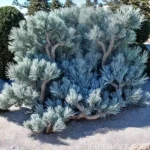
Juniperus squamata ‘Blue Star’ is a cultivar of the Juniperus squamata species, which belongs to the Cupressaceae family. This species is native to the mountainous regions of Asia, specifically in parts of Tibet, western China, and the Himalayas. The ‘Blue Star’ cultivar is renowned for its striking blue foliage, which adds an eye-catching element to gardens, landscapes, and containers.
Key Takeaways – Juniperus squamata ‘Blue Star’ (Flaky Juniper)
Before diving into the detailed care and cultivation information, let’s summarize the key takeaways about the charming Flaky Juniper:
- Plant Name: Juniperus squamata ‘Blue Star’
- Common Name: Flaky Juniper
- Family: Cupressaceae
- Foliage Color: Blue
- Growth Habit: Low-growing, compact
- Uses: Landscaping, containers, borders, ground cover, specimen plant
- Hardiness Zone: 4-7
- Mature Height: 2-3 feet
- Mature Spread: 3-4 feet
- Sun Exposure: Full sun to partial shade
- Soil Preference: Well-draining, neutral to slightly acidic
- Watering: Regular, especially during the establishment phase
- Maintenance: Low
Now, let’s delve into the detailed aspects of the culture, uses, care, and maintenance of Juniperus squamata ‘Blue Star’ to help you harness the full potential of this captivating plant in your landscape or garden.
Culture
Understanding the culture requirements is crucial for the successful cultivation of Juniperus squamata ‘Blue Star’. Let’s explore the essential aspects of its culture, from sunlight and water requirements to soil preferences and fertilization.
Uses
The ‘Blue Star’ cultivar of Juniperus squamata offers versatility in its uses, making it a valuable addition to various landscaping scenarios. Its compact growth habit and striking blue foliage make it well-suited for the following purposes:
- Landscaping: It serves as an excellent choice for rock gardens, slopes, and mass plantings, where its low-growing and spreading nature creates visually appealing arrangements.
- Containers: ‘Blue Star’ is ideal for container gardening, adding an ornamental touch to patios, decks, and other outdoor spaces.
- Borders: Utilize it as a border plant to define garden beds or create visual boundaries within the landscape.
- Ground Cover: Due to its low and spreading growth, it can effectively cover bare ground, suppressing weeds while adding color and texture.
- Specimen Plant: Its unique color and form make it an attractive focal point in the garden, whether in a standalone planting or as part of a cluster of mixed shrubs.
Water
When establishing Juniperus squamata ‘Blue Star’, proper watering is essential to encourage healthy root development and overall plant vigor. After establishment, it is relatively drought-tolerant, but regular watering is still beneficial, particularly during prolonged dry periods. Here are some key points to consider regarding its water requirements:
- Establishment Phase: Provide consistent moisture during the first year after planting, especially during the hot summer months.
- Mature Plants: Once established, it can tolerate dry conditions, but occasional watering during extended dry spells is beneficial for optimal growth and appearance.
- Watering Practices: Ensure thorough watering to penetrate the root zone, and allow the soil to dry out slightly between waterings to prevent waterlogged conditions.
Sunlight
Most Juniperus species, including Juniperus squamata ‘Blue Star’, thrive in full sun to partial shade. Adequate sunlight is crucial for the development of its distinctive blue foliage and overall health. Here’s how sunlight factors into the successful cultivation of ‘Blue Star’:
- Full Sun: Plant ‘Blue Star’ in an area that receives at least 6-8 hours of direct sunlight daily for the best foliage color and compact growth habit.
- Partial Shade: While it prefers full sun, it can tolerate partial shade, but prolonged low-light conditions may lead to diminished color intensity and potential leggy growth.
Fertilizer
Proper fertilization can contribute to the overall health and vigor of Juniperus squamata ‘Blue Star’, ensuring robust growth and vibrant foliage. Here are some essential considerations when it comes to fertilizing this captivating cultivar:
- Timing: Apply a balanced, slow-release fertilizer in early spring before new growth begins, providing the plant with essential nutrients for the upcoming growing season.
- Quantity: Follow the manufacturer’s recommendations for the specific formulation used, and avoid excessive fertilization, as junipers are generally considered light feeders.
- Application: Distribute the fertilizer evenly around the base of the plant, avoiding direct contact with the foliage, and water thoroughly to facilitate nutrient uptake.
Soil
Juniperus squamata ‘Blue Star’ thrives in well-draining soil and generally adapts well to various soil types, provided they offer good drainage. Understanding the soil preferences and characteristics suitable for this cultivar is essential for its successful cultivation:
- Drainage: Ensure the soil provides excellent drainage to prevent waterlogging, which can lead to root rot and other issues.
- pH Level: ‘Blue Star’ tolerates a slightly acidic to neutral pH range, making it adaptable to a wide array of soil conditions.
- Soil Types: It can thrive in sandy, loamy, or rocky soils, as long as they offer optimal drainage and aeration for the roots.
- Amending Soil: If your soil has poor drainage or lacks fertility, amending it with organic matter like compost can improve its overall structure and nutrient content.
Pruning
Pruning plays a vital role in maintaining the desired form and size of Juniperus squamata ‘Blue Star’, while also promoting its overall health and longevity. Understanding the best practices for pruning this cultivar is key to ensuring it remains an attractive and well-behaved addition to your landscape. Here are some essential pruning tips for ‘Blue Star’:
- Timing: Early spring is the ideal time for pruning, as it allows the plant to recover and initiate new growth throughout the growing season.
- Sanitization: Use clean, sharp pruning tools to make precise cuts, reducing the risk of disease transmission and promoting quick healing.
- Pruning Objectives: Focus on removing dead, damaged, or diseased branches, as well as any growth that disrupts the desired shape or size of the plant.
- Maintaining Form: To maintain the compact, dense growth habit of ‘Blue Star’, selectively prune back new growth to the desired length or shape, avoiding drastic or excessive trimming.
- Caution: Avoid cutting into old wood or the bare inner foliage, as these areas may not regenerate growth. Instead, concentrate on the outer regions of the plant for pruning.
Propagation
Propagating Juniperus squamata ‘Blue Star’ allows you to expand your garden or landscape with new plants derived from the existing specimen. Understanding the propagation methods suitable for this cultivar empowers you to create additional plants for various gardening applications. Here are some common propagation techniques for ‘Blue Star’:
- Stem Cuttings: Propagate ‘Blue Star’ through semi-hardwood stem cuttings taken in late summer to early autumn. Prepare the cuttings by removing the lower leaves, dip the cut ends in a rooting hormone, and plant them in a well-draining, moist propagation medium.
- Layering: Air layering is another effective method for propagating junipers, including ‘Blue Star’. Select a healthy, flexible branch and wound a section of the stem to induce root formation. Enclose the wounded area with a moist medium and cover it with plastic to create a favorable environment for root development.
- Division: If the ‘Blue Star’ plant develops multiple stems or offshoots, division allows you to separate these sections to create new plants. Carefully lift the plant and divide the root ball, ensuring each division has adequate roots and foliage to support its growth.
Container Popularity
Juniperus squamata ‘Blue Star’ enjoys popularity in container gardening due to its compact size, striking foliage color, and overall adaptability to container environments. As a container plant, ‘Blue Star’ offers several advantages and creative opportunities for enhancing outdoor spaces. Its versatility in containers allows for the following potential uses:
- Patio Gardens: Create vibrant patio displays by featuring ‘Blue Star’ in ornamental containers, either as a standalone specimen or alongside complementary plants.
- Balcony Accents: For urban and limited-space settings, ‘Blue Star’ serves as an excellent option for bringing color and texture to balcony gardens, adding visual interest without overpowering the space.
- Seasonal Displays: Leveraging its evergreen nature, ‘Blue Star’ provides year-round interest in containers, making it a valuable component of seasonal displays and arrangements.
- Portable Landscaping: Using ‘Blue Star’ in containers offers flexibility for rearranging and redesigning outdoor spaces, allowing for portable landscaping solutions.
Common Diseases
While Juniperus squamata ‘Blue Star’ is generally resilient to many common diseases, it can occasionally encounter specific issues that impact its health and appearance. Understanding these potential diseases and their management is crucial for maintaining the vitality of ‘Blue Star’ in your landscape.
Disease Diagnosis
The most prevalent diseases that may affect Juniperus squamata ‘Blue Star’ include:
- Phomopsis Tip Blight: This fungal disease can cause browning and dieback of the tips of the branches, eventually impacting the overall health and aesthetics of the plant.
- Kabatina Blight: Characterized by the appearance of elongated lesions on the juniper foliage, kabatina blight can lead to discoloration and defoliation if left untreated.
- Root Rot: Prolonged periods of excessive moisture can create conditions conducive to root rot, leading to weakened, discolored foliage and overall decline of the plant.
Proper cultural practices, including providing adequate air circulation, promoting good drainage, and avoiding overhead watering, can significantly reduce the risk of these diseases. Additionally, promptly removing and disposing of affected plant material can prevent the spread of infections.
Common Pests
Despite being relatively resistant to pests, Juniperus squamata ‘Blue Star’ may encounter occasional pest pressures, especially in specific environmental conditions or landscape settings. Familiarizing yourself with the potential pests and their management strategies ensures prompt intervention when pest issues arise.
Pests Affecting Blue Star
The primary pests that may afflict ‘Blue Star’ include:
- Juniper Scale: Scale insects can infest junipers, forming small, waxy protrusions on the stems and foliage. These pests can weaken the plant and interfere with its overall health if left unaddressed.
- Spider Mites: In hot, dry conditions, spider mites may target junipers, causing stippling and discoloration of the foliage. Severe infestations can lead to significant stress and declined vigor in the plant.
Botanist’s Tips
To enhance your experience with Juniperus squamata ‘Blue Star’ and maximize its potential in your landscape, consider these botanist’s tips for cultivating and caring for this captivating cultivar:
- Ensure well-draining soil: Prioritize soil with excellent drainage to prevent waterlogged conditions, which can compromise the root health of ‘Blue Star’.
- Monitor moisture: While ‘Blue Star’ can withstand drought once established, consistent moisture during the initial stages of growth ensures robust establishment and development.
- Regular inspection: Routinely inspect your plants for signs of disease or pest infestations, allowing for timely intervention to maintain their health and appearance.
- Avoid excessive fertilization: Refrain from overfertilizing ‘Blue Star’, as it may lead to excessive foliage growth and compromise the compact, dense growth habit.
- Prune with precision: When pruning ‘Blue Star’, adopt a selective approach focused on targeted cuts to maintain its form and size without compromising its natural beauty.
Fun Facts
Adding some fun and intriguing facts about Juniperus squamata ‘Blue Star’ can further enrich your understanding and appreciation of this remarkable plant:
- Habitat: In its native habitat, Juniperus squamata grows in rugged mountainous terrain, showcasing its adaptability to challenging environmental conditions.
- Longevity: With proper care, ‘Blue Star’ can thrive for several decades, offering enduring beauty in landscapes and gardens.
- Resinous Fragrance: When the foliage of ‘Blue Star’ is gently crushed or brushed against, it releases a pleasant resinous fragrance, adding sensory appeal to its ornamental value.
- Bird-Friendly: Juniperus species, including ‘Blue Star’, produce berry-like cones that serve as a food source for various bird species, contributing to wildlife habitat and ecological diversity.
Links to External Resources
To further your exploration of Juniperus squamata ‘Blue Star’ and delve into additional information and resources, consider exploring the following links:
- Royal Horticultural Society – Juniperus squamata ‘Blue Star’
- Missouri Botanical Garden – Juniperus squamata
- University of Florida IFAS Extension – Junipers for Florida
- North Carolina State University Extension – Juniper Diseases & Insect Pests
By exploring these resources, you can gain additional insights and practical guidance for cultivating and caring for Juniperus squamata ‘Blue Star’ in your unique gardening or landscaping context.
With the in-depth knowledge and practical recommendations provided in this guide, you are well-equipped to leverage the captivating allure and resilient nature of Juniperus squamata ‘Blue Star’ in your garden, landscape, or container gardening endeavors. Whether you choose to incorporate it as a decorative feature in a rock garden, utilize it as a striking container plant, or integrate it into a diverse shrub border, ‘Blue Star’ is sure to make a lasting impression with its vibrant blue foliage and enduring appeal.
Incorporate Juniperus squamata ‘Blue Star’ into your outdoor spaces, and experience the timeless beauty and ornamental value this exceptional cultivar brings to diverse landscapes and gardens.