Jumpseed (Persicaria Virginiana)
Plants have a way of adding not just beauty, but also life, to any environment. They come in diverse shapes, sizes, and forms, some of which are absolutely.
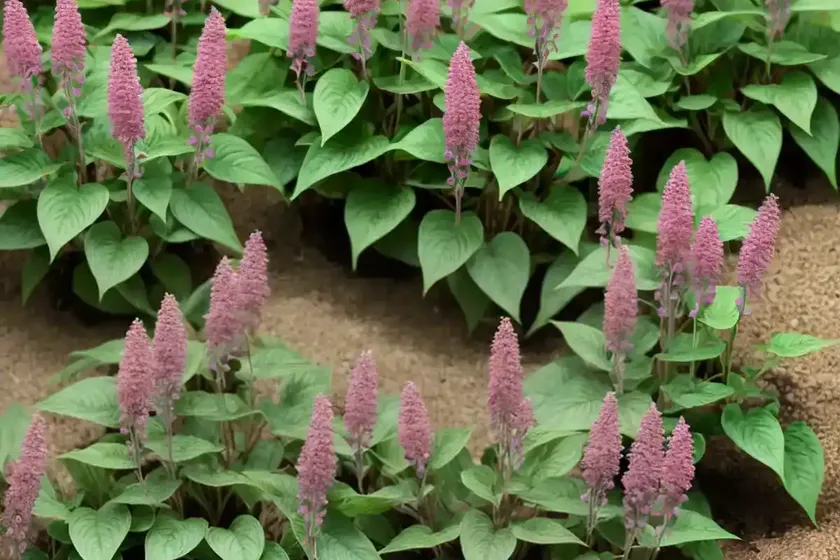
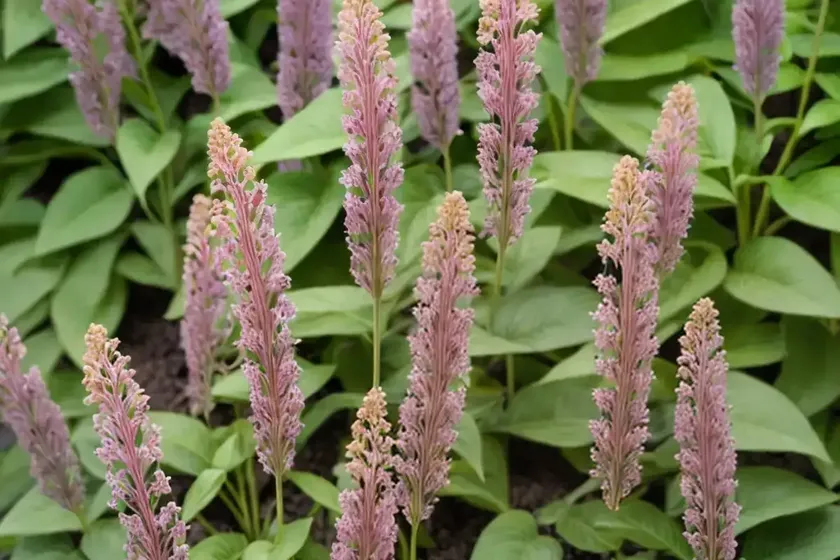
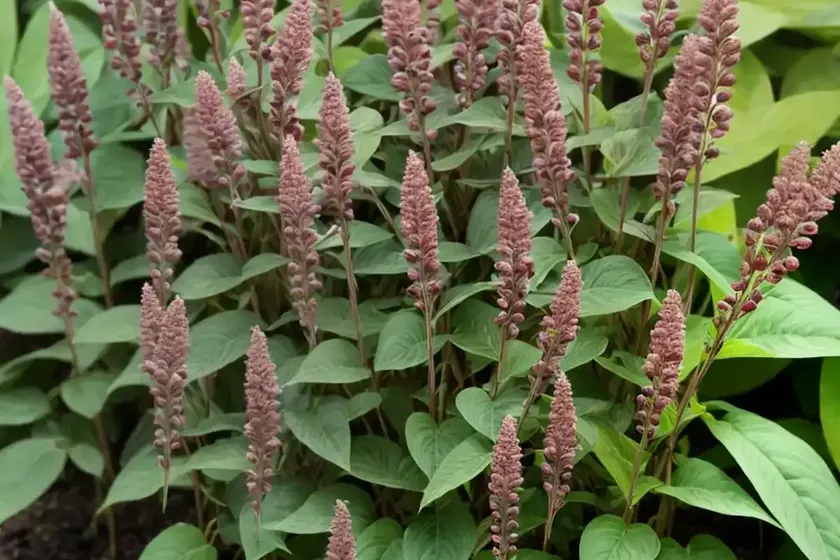
Plants have a way of adding not just beauty, but also life, to any environment. They come in diverse shapes, sizes, and forms, some of which are absolutely mesmerizing. One such plant that commands attention is the Jumpseed (Persicaria virginiana). This perennial plant, with its unique characteristics and uses, has been captivating plant enthusiasts and gardeners for quite some time now. In this article, we will delve into the world of Jumpseed, exploring its culture, uses, care requirements, propagation methods, common diseases, and much more.
What is Plant: Jumpseed (Persicaria virginiana)
Jumpseed, scientifically known as Persicaria virginiana, is a herbaceous perennial plant that belongs to the Polygonaceae family. This plant is native to North America and is commonly found in areas such as woodlands, meadows, and along riverbanks. It is often admired for its unique features, including its striking flower spikes and vibrant foliage.
Key Takeaways – Jumpseed (Persicaria virginiana)
Before we dive deeper into the various aspects of Jumpseed, let’s take a quick look at the key takeaways:
- Scientific Name: Persicaria virginiana
- Family: Polygonaceae
- Native Habitat: North America
- Characteristics: Herbaceous perennial with striking flower spikes and vibrant foliage
Now, let’s explore the fascinating world of Jumpseed, starting with its culture.
Culture of Jumpseed (Persicaria virginiana)
Understanding the cultural requirements of Jumpseed is essential for ensuring its optimal growth and well-being in garden settings. From water and sunlight needs to soil preferences and fertilization, each aspect contributes to the overall health of this perennial plant.
Water
Jumpseed thrives in moist soil conditions, making it well-suited for areas that receive regular rainfall or have access to irrigation. While it appreciates moisture, it’s crucial to ensure that the soil is well-drained to prevent waterlogging, which can lead to root rot.
Sunlight
When it comes to sunlight, Jumpseed generally prefers partial shade to full shade. While it can tolerate some sun, particularly in cooler climates, it tends to perform best when provided with dappled sunlight or shade.
Soil
The ideal soil for Jumpseed is rich, moist, and well-drained. It can adapt to a range of soil types, including loamy and clay soils, as long as they don’t become waterlogged. Adding organic matter to the soil can further enhance its growing conditions.
Fertilizer
Jumpseed generally does not have high nutritional demands. However, applying a balanced, slow-release fertilizer in spring can support healthy growth and blooming. It’s important to follow the recommended dosage to prevent over-fertilization, which can be detrimental to the plant.
Uses of Jumpseed (Persicaria virginiana)
Jumpseed is valued for its ornamental and ecological uses, adding beauty to landscapes and providing habitat for various wildlife. Understanding its uses allows us to appreciate the plant’s significance in diverse settings.
- Ornamental Use: Its attractive foliage and flower spikes make Jumpseed a popular choice for woodland gardens, shade gardens, and naturalized areas. It can be used as a ground cover or as an accent plant in borders and containers.
- Wildlife Habitat: The flowers of Jumpseed attract pollinators, including bees and butterflies, making it an asset to wildlife gardens. Additionally, the plant provides cover and nesting sites for small animals, contributing to the overall biodiversity of the ecosystem.
Now that we’ve explored the culture and uses of Jumpseed, let’s move on to the vital aspects of caring for this intriguing plant.
Jumpseed Plant Care
Ensuring proper care for Jumpseed is crucial for its long-term health and vitality. This includes aspects such as pruning, propagation, and understanding common diseases and pests that may affect the plant.
Pruning
Pruning Jumpseed can help maintain its shape and prevent overcrowding. In late winter or early spring, removing any dead or damaged stems can promote new growth. Additionally, cutting back the plant after flowering can encourage a fuller and more compact form.
Propagation
Jumpseed can be propagated through division or seed sowing. Division is typically carried out in early spring or fall, where healthy clumps are separated and replanted in desired locations. When propagating from seeds, starting them indoors and transplanting the seedlings once they are established can be an effective approach.
Container Popularity
While Jumpseed is often seen as a garden plant, it is also well-suited for container cultivation. Its adaptability to partial shade makes it an attractive choice for shaded patios, balconies, and urban gardens. When growing Jumpseed in containers, it’s essential to ensure adequate moisture levels and provide a well-draining potting mix.
Common Diseases
Jumpseed is relatively resistant to diseases but may be susceptible to fungal issues such as powdery mildew in humid conditions. Ensuring proper air circulation and avoiding overhead watering can help prevent such diseases. Additionally, promptly removing any infected plant parts can help mitigate their spread.
Disease Diagnosis
Diagnosing diseases in Jumpseed involves closely observing the plant for symptoms such as white powdery patches on the leaves, which are indicative of powdery mildew. Early intervention through cultural practices and, if necessary, the use of fungicidal treatments, can help manage such diseases effectively.
Common Pests
While Jumpseed is generally not prone to severe pest infestations, it may attract occasional visitors such as aphids or spider mites. Practicing good garden hygiene, including regular inspection of the plant and addressing any pest issues promptly, can help keep the plant healthy.
Now that we’ve covered various aspects of caring for Jumpseed, let’s take a closer look at some botanist’s tips for growing and maintaining this fascinating plant.
Botanist’s Tips for Jumpseed (Persicaria virginiana)
Botanists often provide valuable insights and tips for nurturing plants, drawing from their expertise and experiences. Here are some botanist’s tips specifically tailored to the cultivation of Jumpseed:
- Ensure Adequate Moisture: Consistent soil moisture is essential for Jumpseed, particularly during the establishment phase and hot, dry periods.
- Monitor Shade Conditions: Observing the effects of different shade levels on the plant can help determine the optimal balance for its growth and performance.
- Regular Inspection: Periodically inspecting the plant for signs of stress, disease, or pest activity can aid in early detection and appropriate intervention.
Fun Facts
Jumpseed’s uniqueness extends beyond its visual appeal and practical uses. Here are some fun facts about this intriguing plant:
- Ecological Role: Jumpseed contributes to the ecosystem by providing shelter for small wildlife and attracting pollinators, supporting biodiversity.
- Ethnobotanical Uses: In some native cultures, parts of the Jumpseed plant were utilized for traditional medicinal purposes, showcasing its historical significance.
As we continue our exploration of Jumpseed, it’s important to access credible external resources for further information and insights. Here are some recommended links to external resources for additional reading:
- The Herb Society of America – Persicaria virginiana
- Missouri Botanical Garden – Persicaria virginiana
- University of Florida IFAS Extension – Virginia Knotweed
- Lady Bird Johnson Wildflower Center – Persicaria virginiana
- RHS – Persicaria virginiana
With a solid understanding of Jumpseed’s cultural requirements, uses, care, and botanical insights, this captivating plant continues to captivate enthusiasts and further enrich diverse landscapes. It serves as a testament to the remarkable diversity and beauty of the plant kingdom, offering both aesthetic pleasure and ecological significance.
As we conclude our exploration of Jumpseed, it’s important to remember the role of plants such as this in our natural world and the importance of responsible cultivation and conservation efforts. From their ornamental value to their ecological contributions, plants like Jumpseed remind us of the enduring impact of nature’s creations.
Now that we’ve journeyed through the captivating world of Jumpseed, it’s time to celebrate the enduring appeal and significance of this remarkable perennial plant in our natural spaces.
As always, thank you for joining me in this botanical adventure, and I look forward to exploring more fascinating plant species with you in the future!
Keywords: Persicaria virginiana plants, Jumpseed perennial, Invasive jumpseed, Virginia knotweed, Native plants Virginia, Herbaceous jumpseed, Jumpseed ground cover, Jumpseed plant care, Jumpseed gardening tips, Growing jumpseed plants, Persicaria virginiana species, Jumpseed plant characteristics, Jumpseed propagation methods, Jumpseed plant diseases, Jumpseed plant pests, Jumpseed flowering season, Jumpseed plant uses, Jumpseed plant identification, Jumpseed plant adaptations, Jumpseed plant varieties, Jumpseed plant benefits, Jumpseed in landscaping, Jumpseed in gardens, Jumpseed plant symbolism, Jumpseed plant folklore, Persicaria virginiana medicinal uses, Jumpseed plant habitat, Jumpseed plant conservation, Virginia knotweed facts, Jumpseed plant research, Jumpseed plant importance, Jumpseed plant cultivation, Jumpseed plant ecology, Persicaria virginiana common names, Native habitat of jumpseed, Jumpseed plant flowering period, Jumpseed pollinator attractor, Jumpseed wildlife habitat value, Jumpseed plant distribution, Jumpseed plant availability, Jumpseed plant landscape design, Jumpseed drought tolerance, Jumpseed plant hardiness, Jumpseed soil preferences, Jumpseed plant growth rate, Jumpseed plant morphology, Persicaria virginiana life cycle, Jumpseed ecological significance, Jumpseed plant anatomy, Jumpseed ethnobotanical uses


