Persicaria Virginiana (Virginia Knotweed)
As a plant scientist, I am constantly amazed by the diversity and complexity of the plant kingdom. There are countless species, each with its own unique.
As a plant scientist, I am constantly amazed by the diversity and complexity of the plant kingdom. There are countless species, each with its own unique characteristics and requirements for growth. In this comprehensive guide, we will explore the fascinating world of Persicaria virginiana, commonly known as Virginia Knotweed. From its identification and habitat to its uses, care, and maintenance, this blog post aims to provide a complete overview of this intriguing plant species.
What is Persicaria virginiana?
Introduction
Persicaria virginiana, also referred to as Virginia Knotweed, is a perennial herbaceous plant that is native to North America. It belongs to the Polygonaceae family and is characterized by its distinctive flowering spikes and elongated leaves. This species has gained popularity as a garden ornamental due to its attractive appearance and adaptability to various growing conditions.
Persicaria virginiana Identification
| Common Names | Virginia Knotweed, Jumpseed, Woodland Knotweed |
| Scientific Name | Persicaria virginiana |
| Family | Polygonaceae |
| Native Range | North America |
| Habitat | Woodlands, meadows, and open areas |
| Growth Pattern | Herbaceous perennial |
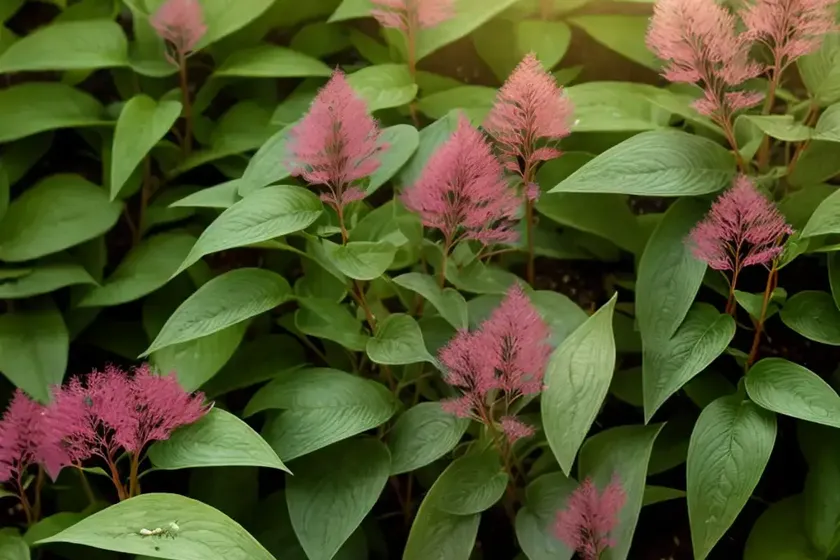
| Flower Color | Pink, red, or white |
| Bloom Time | Late spring to early summer |
| Sun Requirements | Full sun to part shade |
| Water Needs | Moderate |
| Soil Preferences | Moist, well-draining soil |
Virginia Knotweed Plant Characteristics
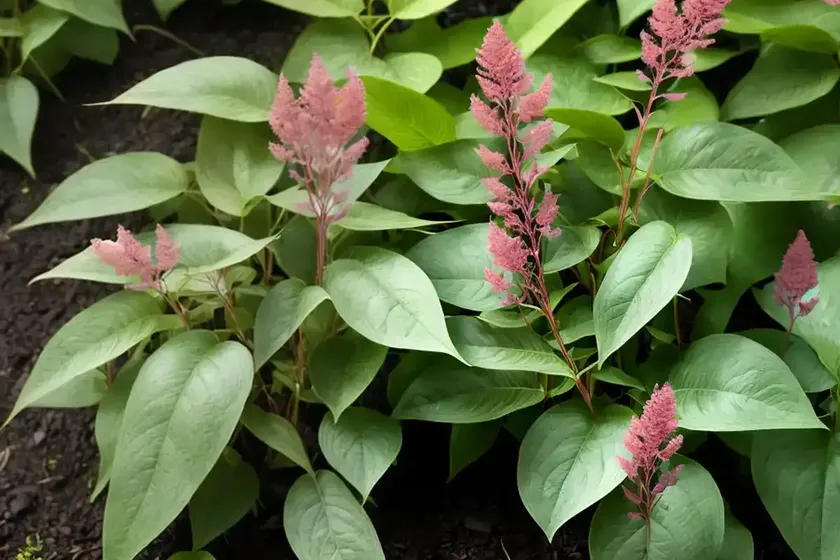
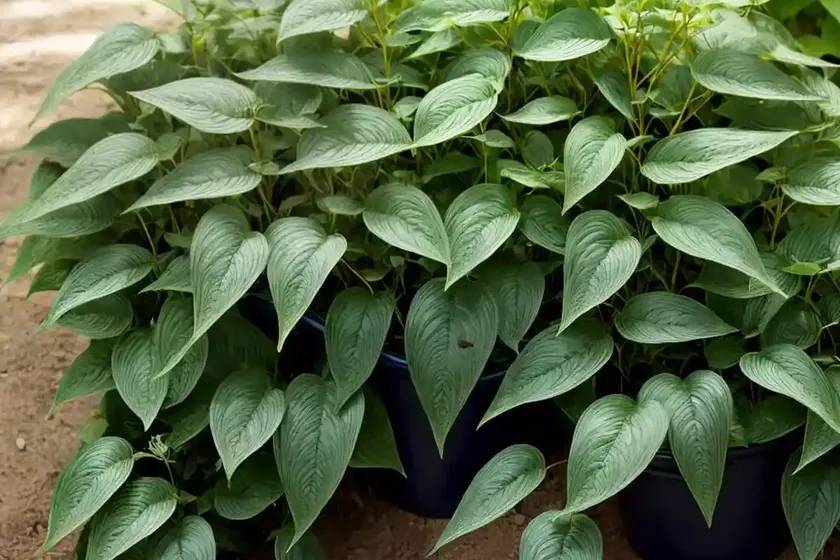
- Leaf Shape: The leaves of Persicaria virginiana are lance-shaped with pointed tips and a smooth texture.
- Flowering: The plant produces dense, slender spikes of small pink, red, or white flowers, adding a splash of color to the garden.
- Growth Patterns: Virginia Knotweed exhibits an upright growth habit, reaching a height of approximately 2 to 4 feet.
Now that we have a basic understanding of what Persicaria virginiana is, let’s delve into its key aspects, including culture, uses, care, and maintenance.
Key Takeaways – Persicaria virginiana (Virginia Knotweed)
Culture
Persicaria virginiana is a versatile plant that can thrive in a variety of environments. Understanding its cultural requirements is essential for successful cultivation.
- Water: Moderate water needs; prefers consistently moist soil.
- Sunlight: Can tolerate both full sun and part shade, making it adaptable to different light conditions.
- Soil: Thrives in moist, well-draining soil; pH adaptable and can tolerate a range of soil types.
- Fertilizer: Minimal fertilizer requirements; a balanced, all-purpose fertilizer can be applied in spring.
Uses
Virginia Knotweed offers several uses, including ornamental, landscaping, and ecological benefits.
- Ornamental: Adds color and texture to garden beds, borders, and woodland landscapes.
- Wildlife Habitat: Provides food and shelter for pollinators and other beneficial insects.
- Erosion Control: Can be utilized for stabilizing soil in erosion-prone areas.
Care
Proper care and maintenance play a crucial role in the health and longevity of Persicaria virginiana.
- Pruning: Regular deadheading and removal of spent flower spikes can encourage continued blooming.
- Propagation: Can be propagated from seeds or division in early spring or fall.
- Disease Resistance: Exhibits good resistance to most common plant diseases.
Maintenance
Regular maintenance tasks can help keep Virginia Knotweed healthy and visually appealing.
- Weed Control: Monitor for invasive weeds and remove them to prevent competition for resources.
- Mulching: Applying a layer of organic mulch around the plant can help conserve soil moisture and suppress weed growth.
- Pest Management: Keep an eye out for common pests and take appropriate measures to address any infestations.
Now that we have an overview of the key takeaways related to Persicaria virginiana, let’s explore each aspect in more detail.
Water
Watering Needs
Maintaining proper soil moisture is crucial for the health and vigor of Persicaria virginiana. While this plant is moderately drought-tolerant once established, it thrives in consistently moist soil.
- Regular Watering: Water the plant deeply and consistently, especially during dry periods.
- Mulching: Apply a layer of organic mulch around the base of the plant to help retain moisture and reduce water evaporation from the soil.
- Avoid Waterlogging: Ensure that the soil has good drainage to prevent waterlogging, which can lead to root rot.
Sunlight
Sun Requirements
Virginia Knotweed exhibits a flexible approach to sunlight, making it suitable for a range of light conditions, from full sun to part shade.
- Full Sun: The plant can thrive in full sun, provided it receives adequate moisture.
- Part Shade: It also performs well in areas with dappled sunlight or partial shade, making it suitable for woodland gardens and shaded borders.
Fertilizer
Soil Nutrition
Persicaria virginiana typically has minimal fertilizer requirements. However, providing some nutritional support can promote healthy growth and abundant flowering.
- Balanced Fertilizer: Apply a balanced, all-purpose fertilizer in early spring to provide essential nutrients for the growing season.
- Organic Amendments: Incorporating organic matter into the soil when planting or during spring can enhance soil fertility and structure.
Soil
Soil Preferences
Understanding the soil preferences of Virginia Knotweed is essential for creating an optimal growing environment.
- Moisture Retention: Choose a well-draining soil that retains moisture without becoming waterlogged.
- pH Tolerance: Persicaria virginiana can adapt to a wide range of soil pH levels, but it generally prefers slightly acidic to neutral soil.
Pruning
Pruning Techniques
Pruning can help maintain the appearance of Persicaria virginiana and promote continuous blooming throughout the growing season.
- Deadheading: Remove spent flower spikes promptly to encourage the production of new blooms.
- Trimming: Lightly trim back any overgrown or straggly stems to maintain a tidy and compact appearance.
- Seasonal Pruning: Perform more extensive pruning in late winter or early spring to remove any damaged or dead growth.
Propagation
Propagation Methods
Expanding your Virginia Knotweed population or sharing the plant with others can be achieved through various propagation techniques.
- Seed Propagation: Collect seeds from mature flower spikes and sow them in a prepared seedbed or containers.
- Division: Divide established clumps in early spring or fall to create new plants and rejuvenate older specimens.
Container Popularity
Container Gardening
While Persicaria virginiana is commonly grown in garden beds and landscapes, it can also thrive in containers under the right conditions.
- Large Containers: Select spacious containers with adequate drainage holes to accommodate the plant’s root system.
- Soil Considerations: Use a well-draining potting mix with added organic matter to provide a nutrient-rich growing medium.
Common Diseases
Disease Resistance
Persicaria virginiana is generally resistant to most common plant diseases. However, it’s important to monitor for any signs of disease and address them promptly.
- Powdery Mildew: In humid or crowded conditions, the plant may be susceptible to powdery mildew. Improve air circulation and consider preventative treatments if this becomes an issue.
Disease Diagnosis
Identifying Plant Diseases
Prompt diagnosis of plant diseases is crucial for implementing effective control measures and preventing their spread.
- Visual Symptoms: Look for signs of discoloration, wilting, spots, or unusual growth patterns on the leaves and stems.
- Professional Assistance: If you suspect a disease but are unsure, seek assistance from a local horticultural extension service or a plant health expert.
Common Pests
Pest Management
While Persicaria virginiana is relatively pest-resistant, occasional pest infestations can occur, particularly in stressed or poorly maintained plants.
- Aphids: These small, sap-sucking insects can be managed through gentle washing, insecticidal soap, or natural predators.
- Spider Mites: Monitor for signs of spider mite infestations, such as webbing and stippled leaves, and intervene with appropriate control methods if necessary.
Botanist’s Tips
Expert Recommendations
Drawing on the expertise of botanists and horticultural specialists can provide valuable insights for successful cultivation and management of Persicaria virginiana.
- Cultural Advice: Follow recommendations for soil preparation, watering, and maintenance practices to optimize the plant’s health and vitality.
- Native Range Consideration: Understand the native range of the species and its ecological interactions to inform landscape decisions and conservation efforts.
Fun Facts
Intriguing Tidbits
Exploring the fascinating aspects of Persicaria virginiana can uncover a host of interesting and surprising facts about the plant.
- Wildlife Value: Virginia Knotweed serves as a valuable food source for pollinators, contributing to the biodiversity of its native habitats.
- Ornamental Features: The colorful flowering spikes and striking foliage make this plant a captivating addition to gardens and naturalistic landscapes.
Links to External Resources
To further enrich your knowledge and provide additional insights into the world of Persicaria virginiana, explore the following external resources:
- The United States Department of Agriculture (USDA) Plants Database
- Missouri Botanical Garden – Persicaria virginiana
- North Carolina State University Extension – Virginia Knotweed
- Royal Horticultural Society (RHS) – Knotweed
Conclusion
In this extensive guide, we have delved deep into the world of Persicaria virginiana, commonly known as Virginia Knotweed. From its identification and cultural requirements to uses, care, and maintenance, we have explored the key aspects that contribute to the understanding and successful cultivation of this captivating plant species. Whether you are a gardening enthusiast, a plant scientist, or a nature lover, the unique characteristics and ecological value of Virginia Knotweed make it a fascinating subject for study and appreciation.
As a plant scientist, I encourage you to continue exploring the diverse world of plants, unlocking their secrets, and gaining a deeper appreciation for their significance in our lives and ecosystems.
So, let’s continue our journey through the botanical wonders that surround us, celebrating the beauty and complexity of nature in all its forms. Happy gardening and exploration!
Author: [Your Name]


