Java Plum (Syzygium Cumini)
The Java plum, scientifically known as Syzygium cumini, is a fruit-bearing tree native to the Indian subcontinent and surrounding regions. This evergreen.
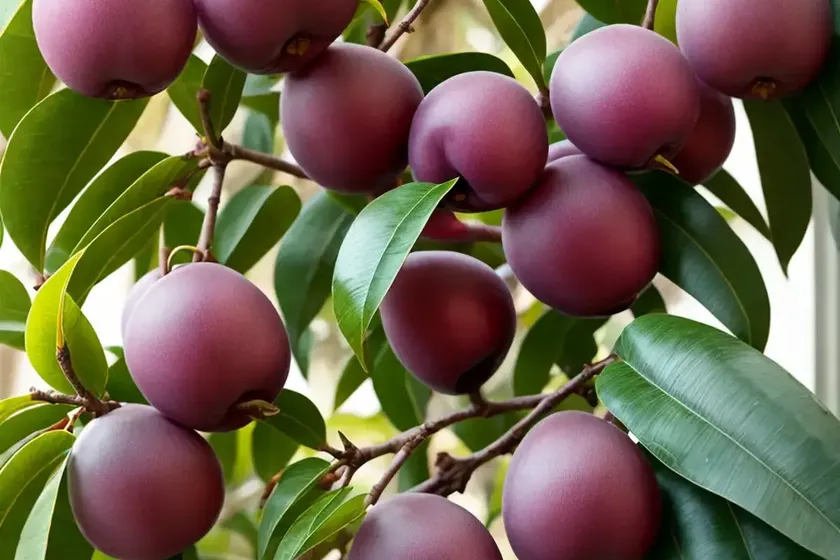
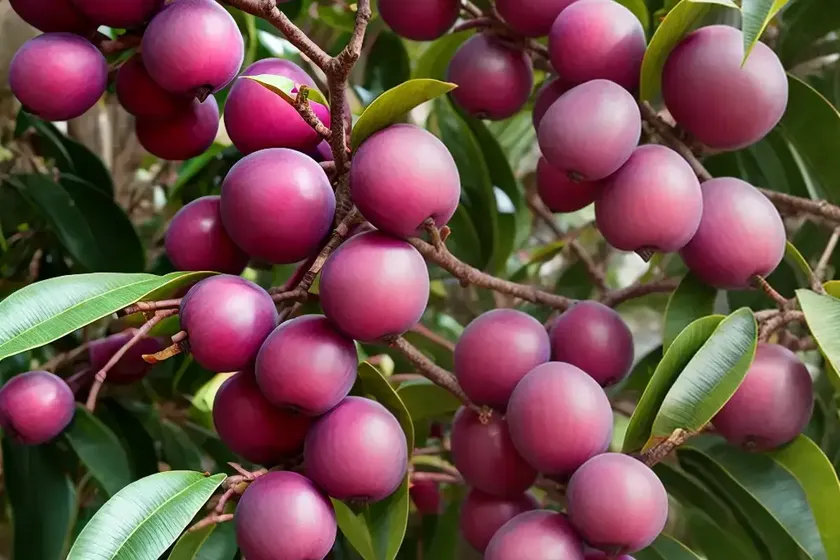
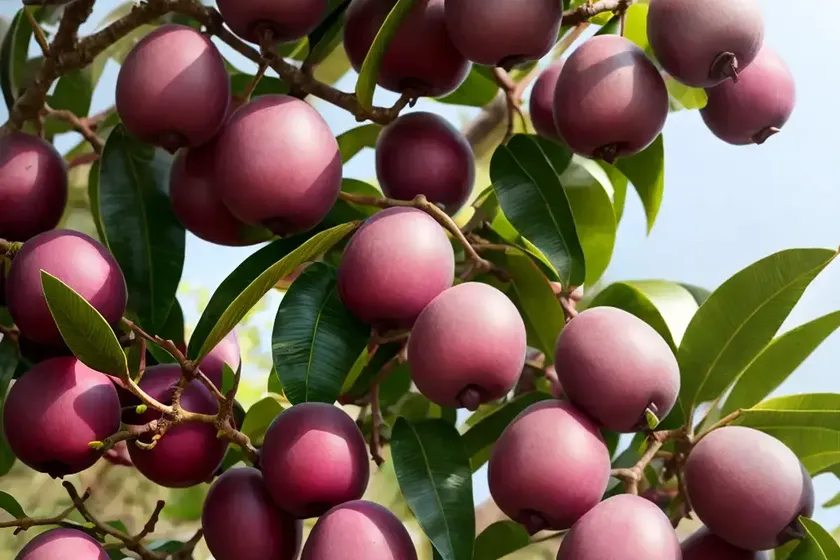
The Java plum, scientifically known as Syzygium cumini, is a fruit-bearing tree native to the Indian subcontinent and surrounding regions. This evergreen tree belongs to the Myrtaceae family and is known for its delicious, purple-colored fruits, often referred to as Java plums or Jamuns. Beyond its culinary significance, the Java plum holds cultural, medicinal, and environmental importance, making it a fascinating subject for botanists and plant enthusiasts alike.
In this comprehensive guide, we will explore the various facets of the Java plum, from its cultural significance and traditional uses to its cultivation and maintenance requirements. Whether you are intrigued by its folklore, interested in its health benefits, or considering growing this tree in your garden, this article aims to provide you with a thorough understanding of the Java plum and its relevance in different domains.
What is a Java Plum (Syzygium cumini)?
The Syzygium cumini, commonly known as the Java plum, is a tropical tree renowned for its small, oblong-shaped fruits. The tree typically reaches a height of 30-40 feet, with a dense, spreading crown that provides ample shade. Java plum trees are valued not only for their delectable fruits but also for their ornamental appeal and their significance in traditional medicine and cultural practices.
Key Takeaways – Java Plum (Syzygium cumini)
Before delving into the specifics of Java plum cultivation and usage, let’s outline some key takeaways that will serve as a roadmap for our exploration:
- Java plum, also known as Syzygium cumini, is a tropical evergreen tree with small, purple fruits.
- Its cultural, medicinal, and culinary significance makes it a revered plant in various communities.
- Growing and caring for Java plum trees requires attention to watering, sunlight, soil, and pruning.
- The fruits of the Java plum tree are rich in nutrients and are used in traditional remedies and culinary preparations.
- Like any plant, the Java plum is susceptible to diseases and pests, which need proper diagnosis and management.
Culture
Uses
The Java plum tree holds multifaceted uses, encompassing cultural, culinary, and medicinal applications. Its small, juicy fruits are a popular ingredient in traditional dishes, and its leaves and bark are known for their therapeutic properties. Additionally, the tree’s ornamental value, characterized by its dense foliage and clusters of blossoms, enhances its appeal in landscaping and horticulture.
The Java plum’s versatile uses are deeply rooted in various cultures and have been passed down through generations, contributing to its enduring significance in culinary traditions and traditional medicine.
Water
Java plum trees thrive in moist soil conditions, especially during their initial growth stages. Adequate watering is crucial to support the tree’s establishment and root development. While mature Java plum trees exhibit some level of drought tolerance, regular watering is recommended, particularly during dry spells or in arid regions.
Watering Schedule for Java Plum Trees:
- Young Trees: Water regularly, ensuring that the soil remains consistently moist but not waterlogged.
- Mature Trees: Water during prolonged dry periods to maintain soil moisture levels.
Sunlight
Being native to tropical and subtropical regions, Java plum trees favor abundant sunlight for optimal growth and fruit development. Planting the tree in a location that receives full sun to partial shade is ideal for ensuring its overall vigor and fruit production. However, the tree may still tolerate some degree of shade, particularly in excessively hot climates.
Sunlight Requirements for Java Plum Trees:
- Full Sun: Aim to plant the Java plum tree in a location that receives at least 6-8 hours of direct sunlight daily for best results.
Fertilizer
Fertilization plays a pivotal role in promoting the growth and fruiting capabilities of Java plum trees. While the tree may exhibit some level of tolerance to nutrient-poor soils, supplementing it with a balanced fertilizer can enhance its overall health and productivity. It’s essential to apply fertilizer at the right time and in the appropriate quantities to support the tree’s nutritional needs.
Fertilization Recommendations for Java Plum Trees:
- Timing: Apply fertilizer during the tree’s active growing periods, typically in early spring and late summer.
- Type: Utilize a balanced, slow-release fertilizer specifically designed for fruit-bearing trees.
- Quantity: Follow the recommended dosage based on the tree’s age and size, ensuring even distribution around the root zone.
Soil
Java plum trees thrive in a diverse range of soil types, provided that the soil is well-draining and rich in organic matter. While the tree can adapt to varying soil conditions, including loamy, sandy, or clay soils, it flourishes in fertile, moderately acidic to neutral soils. Conducting soil tests and making necessary amendments can further enhance the tree’s growth and fruiting potential.
Optimal Soil Conditions for Java Plum Trees:
- pH Level: Preferably within the range of 5.5 to 7.0 for optimal nutrient uptake.
- Texture: Well-draining soil with good aeration to prevent waterlogging and root suffocation.
- Amendments: Incorporate organic matter, such as compost or well-rotted manure, to improve soil structure and fertility.
Pruning
Pruning is a fundamental aspect of maintaining the health, shape, and productivity of Java plum trees. Regular pruning helps manage the tree’s size, remove diseased or damaged branches, and stimulate new growth. Additionally, it aids in controlling the tree’s canopy density and promoting better air circulation, which can mitigate pest and disease issues.
Key Pruning Practices for Java Plum Trees:
- Timing: Conduct pruning during the tree’s dormant season, typically in late winter to early spring.
- Techniques: Employ pruning shears or saws to remove dead or overgrown branches and shape the tree as needed.
- Considerations: Prioritize the removal of water sprouts, cross-branching, and crowded areas within the canopy.
Propagation
Java plum trees can be propagated through several methods, including seeds, cuttings, and grafting. Each approach offers distinct advantages and considerations, influencing the success of propagation and the subsequent growth of the new plants. Understanding the varying propagation techniques can empower enthusiasts to expand their Java plum collection and cultivate trees with specific traits or characteristics.
Methods of Propagation for Java Plum Trees:
-
Seed Propagation: Growing Java plum trees from seeds is a straightforward and cost-effective method. However, it may result in variability in the offspring’s traits, particularly concerning fruit quality and timing of fruiting.
-
Seed Collection: Collect ripe Java plum fruits and extract the seeds for propagation.
-
Seedling Care: Plant the seeds in well-draining soil, maintain adequate moisture, and protect the seedlings from extreme temperatures and pests.
-
Cutting Propagation: Utilizing stem cuttings can yield genetically identical clones of the parent Java plum tree, preserving specific characteristics or traits.
-
Cutting Selection: Choose healthy, disease-free stems for preparing cuttings, typically during the dormant season.
-
Rooting Process: Dip the cut ends in rooting hormone and plant them in a suitable growing medium under controlled conditions.
-
Grafting: Grafting allows for the propagation of selected Java plum varieties with desirable traits onto compatible rootstocks, imparting specific attributes to the new plants.
-
Compatibility: Select rootstocks that are compatible with the desired Java plum variety for successful grafting.
- Grafting Techniques: Employ suitable grafting methods, such as cleft grafting or whip-and-tongue grafting, to ensure proper union and growth.
Container Popularity
The versatility of Java plum trees extends to container cultivation, enabling gardening enthusiasts to grow these trees in limited spaces, such as patios, balconies, and small gardens. Container-grown Java plum trees offer the dual benefit of ornamental value and fruit production, making them an attractive addition to urban or space-restricted settings.
Considerations for Container Cultivation of Java Plum Trees:
- Container Size: Select spacious containers with adequate drainage holes to accommodate the tree’s root system and facilitate healthy growth.
- Potting Mix: Utilize well-draining, nutrient-rich potting mix formulated for fruit trees to ensure optimal root development and productivity.
- Location: Position the containers in areas that receive ample sunlight and ventilation, promoting the tree’s overall well-being and fruiting capacity.
Common Diseases
While Java plum trees are relatively hardy, they may be susceptible to certain diseases that can impact their growth and fruit quality. Recognizing common diseases and implementing preventive measures and management strategies is essential for preserving the tree’s health and vitality.
Disease Diagnosis and Management for Java Plum Trees:
-
Anthracnose: Identified by dark, sunken lesions on fruits and foliage, anthracnose can compromise the tree’s fruit yield and overall vigor.
-
Prevention: Prune affected branches and promote good air circulation to minimize humidity and fungal proliferation.
-
Treatment: Employ copper-based fungicides or organic neem oil to combat anthracnose and protect the tree from further infection.
-
Powdery Mildew: Powdery mildew manifests as a powdery white coating on the leaves, inhibiting the tree’s photosynthetic capacity and weakening its defenses.
-
Prevention: Maintain proper spacing between plants and minimize overhead irrigation to reduce moisture accumulation on foliage.
-
Treatment: Apply sulfur-based fungicides or neem oil sprays to control powdery mildew and prevent its spread.
-
Fruit Rot: Excessive moisture and poor air circulation can predispose Java plum fruits to rot, leading to loss of yield and economic impact.
-
Prevention: Harvest ripe fruits promptly and ensure proper drainage to minimize waterlogging and fruit decay.
- Treatment: Discard infected fruits and employ fungicidal sprays to protect healthy fruits from rotting.
Common Pests
In addition to diseases, Java plum trees may face infestations from various pests that can compromise their growth and fruiting potential. Identifying and addressing common pests is vital for preserving the tree’s vitality and yield.
Pest Identification and Control for Java Plum Trees:
-
Fruit Flies: Fruit flies can cause extensive damage to Java plum fruits, leading to premature spoilage and reduced market value.
-
Control Measures: Implement traps and baits to monitor and reduce fruit fly populations, minimizing their impact on fruit quality.
-
Scale Insects: Scale insects, characterized by their protective covering, can feed on the tree’s sap and weaken its overall vigor.
-
Treatment: Introduce natural predators or apply horticultural oils to target and eliminate scale insect infestations effectively.
-
Leaf-Eating Caterpillars: Caterpillars may defoliate Java plum trees, reducing their ability to photosynthesize and produce fruits.
-
Management Practices: Handpick caterpillars when feasible and introduce biological controls, such as parasitic wasps, to regulate their populations.
Botanist’s Tips
Plant enthusiasts and botanists alike can benefit from the following tips to enhance their understanding and cultivation of Java plum trees:
- Cultural Significance: Explore the rich cultural heritage and traditional uses of Java plum trees in different regions, uncovering the plant’s historical and symbolic significance.
- Medicinal Properties: Study the therapeutic attributes of Java plum leaves, bark, and fruits, delving into their applications in traditional medicine and herbal remedies.
- Ornamental Value: Embrace the ornamental appeal of Java plum trees in landscaping, considering their aesthetic contributions and environmental benefits.
Fun Facts
- The Java plum tree is associated with numerous folklore and myths in various cultures, reflecting its significance and enduring presence in local traditions.
- Java plum fruits are a popular ingredient in traditional delicacies, ranging from jams and jellies to refreshing beverages and desserts.
- In addition to its culinary uses, Java plum is valued for its natural dyeing properties, yielding vibrant hues for textiles and crafts.
Links to External Resources
For further exploration of Java plum (Syzygium cumini) and its diverse facets, consider visiting the following external resources:
- Java Plum Cultivation and Uses
- Health Benefits of Syzygium cumini
- Traditional Uses of Java Plum
- Cultural and Culinary Significance of Java Plum
- Java Plum in Traditional Medicine
- Folklore and Myths Surrounding Syzygium cumini
By delving into these resources, you can gain deeper insights into the botanical, cultural, and medicinal dimensions of the Java plum, fostering an appreciation for its diverse attributes and applications.
In conclusion, the Java plum (Syzygium cumini) embodies a captivating blend of cultural significance, culinary appeal, and medicinal value, making it a cherished plant with a wealth of applications. From its lush foliage and delectable fruits to its traditional uses and environmental contributions, the Java plum stands as a testament to the enduring relationship between humans and plants. Whether you seek to cultivate this tree in your garden, explore its folklore, or harness its therapeutic properties, the Java plum invites enthusiasts to immerse themselves in its alluring world, enriched with history, tradition, and natural splendor.


