Pincushion Flower (Scabiosa Japonica ‘Blue Diamonds’)
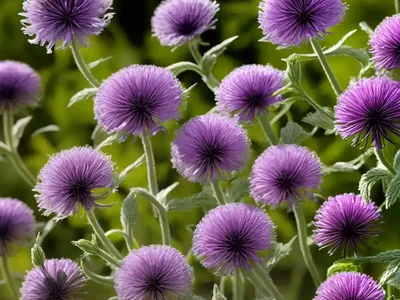
Pincushion flower, scientifically known as Scabiosa japonica ‘Blue Diamonds’, is a captivating ornamental plant that belongs to the honeysuckle family.
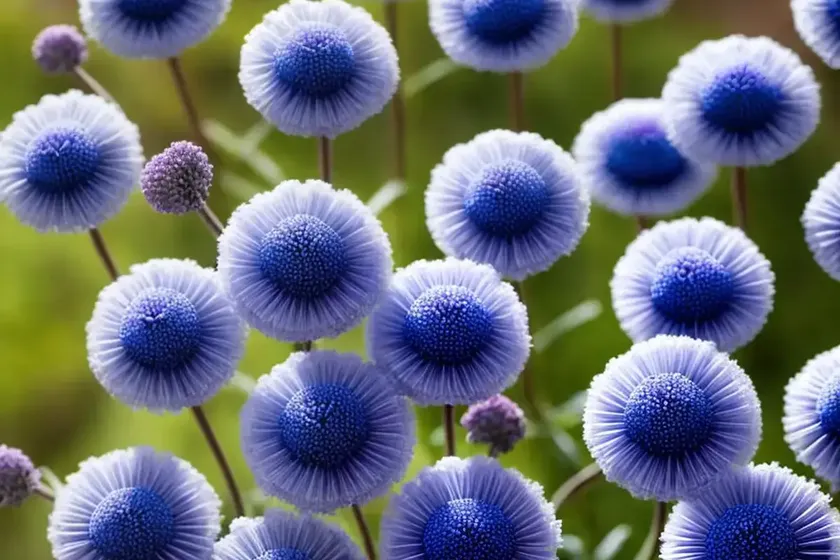
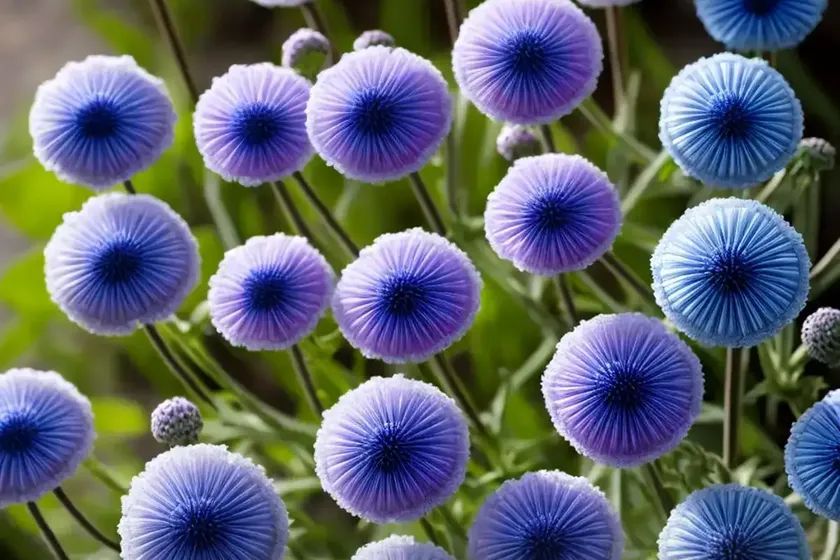
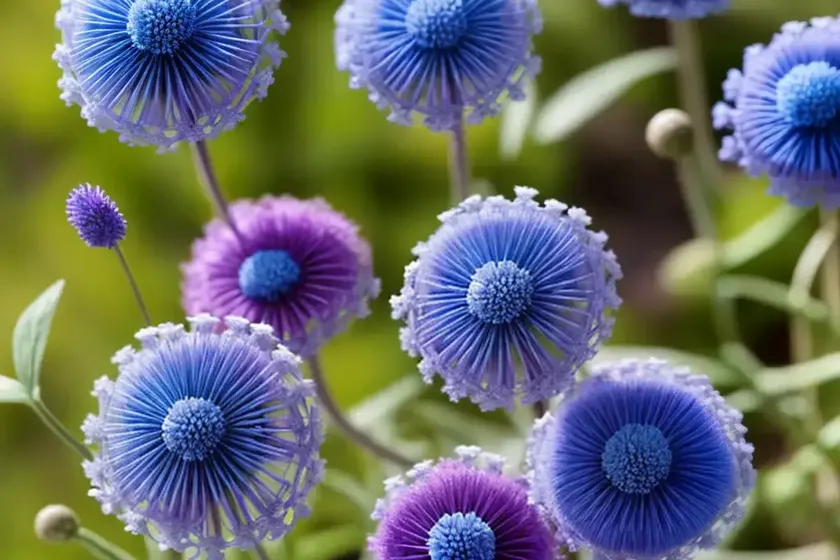
Pincushion flower, scientifically known as Scabiosa japonica ‘Blue Diamonds’, is a captivating ornamental plant that belongs to the honeysuckle family (Caprifoliaceae). This plant is prized for its stunning blue flowers that resemble pins sticking out of a pincushion, hence its common name. The Scabiosa japonica cultivar ‘Blue Diamonds’ is a popular choice among gardeners owing to its delicate beauty and ease of care.
What is Pincushion Flower (Scabiosa japonica ‘Blue Diamonds’)?
Scabiosa japonica ‘Blue Diamonds’ is a perennial plant that is native to Japan, commonly referred to as the Japanese pincushion flower. It is cherished for its intricate, pin-shaped flowers that bloom throughout the summer and sometimes into the fall. The striking appearance and the long blooming period make it a beloved addition to gardens, borders, and outdoor landscapes.
Key Takeaways – Pincushion Flower (Scabiosa japonica ‘Blue Diamonds’)
Here are some key takeaways that will be discussed in this comprehensive guide:
- Culture
- Uses
- Water
- Sunlight
- Fertilizer
- Soil
- Pruning
- Propagation
- Container Popularity
- Container Common Diseases
- Disease Diagnosis
- Common Pests
- Botanist’s Tips
- Fun Facts
- Links to External Resources
Culture
Water
Pincushion flowers (Scabiosa japonica ‘Blue Diamonds’) require moderate and consistent watering. It is essential to keep the soil evenly moist, especially during the hot summer months. However, it is equally crucial to ensure proper drainage to avoid waterlogged conditions, which can lead to root rot and other issues.
Sunlight
These plants thrive in full sun to partial shade, with a preference for at least 6-8 hours of direct sunlight each day. Adequate sunlight ensures vibrant blooms and strong, healthy growth.
Fertilizer
A balanced fertilizer applied in early spring and again in mid-summer can promote robust growth and continuous flowering. Choose a fertilizer specifically formulated for flowering plants and follow the manufacturer’s recommendations for application.
Soil
Well-draining soil with a slightly acidic to neutral pH is ideal for pincushion flowers. Amending the soil with organic matter can improve its texture and fertility, creating a hospitable environment for these plants to flourish.
Uses
Pincushion flowers (Scabiosa japonica ‘Blue Diamonds’) are versatile and serve various purposes in gardens and landscapes. Some popular uses include:
- Border plantings
- Cut flower arrangements
- Pollinator gardens
- Rock gardens
- Container plantings
- Mixed perennial beds
Pruning
Regular deadheading helps prolong the blooming period of pincushion flowers, as it encourages the development of new blooms. Additionally, pruning back the plants in early spring can promote a compact and bushy growth habit.
Propagation
Pincushion flowers can be propagated through division or stem cuttings. Propagating through division allows for the rejuvenation of older plants and the creation of new plantings. Stem cuttings can be taken in spring or early summer and rooted in a suitable growing medium.
Container Popularity
Pincushion flowers are well-suited for container gardening. Their compact size, vibrant blooms, and long flowering period make them an excellent choice for adding color and visual interest to outdoor spaces such as patios, balconies, and entryways.
Container Common Diseases
While pincushion flowers are relatively disease resistant, they may occasionally encounter issues such as powdery mildew and crown rot in container settings. Proper growing conditions and adequate air circulation can help prevent these problems.
Disease Diagnosis
Diagnosing plant diseases can be challenging, but careful observation of the plant’s symptoms, coupled with knowledge of common diseases and their characteristics, can aid in accurate identification. Consulting with local horticultural experts or plant disease diagnosticians can also provide valuable insights into disease diagnosis and management.
Common Pests
Pincushion flowers may attract certain pests such as aphids, spider mites, and thrips. Regular monitoring and the use of environmentally friendly pest control methods can help mitigate pest infestations without harming beneficial insects.
Botanist’s Tips
As a plant scientist, it’s important to share valuable insights and tips for cultivating pincushion flowers successfully:
- Select a well-drained planting location with adequate sunlight for optimal growth and flowering.
- Mulch around the plants to conserve soil moisture and suppress weed growth.
- Water the plants at the base to minimize the risk of fungal diseases.
- Monitor for signs of pests and diseases, addressing any issues promptly to maintain plant health.
Fun Facts
- Pincushion flowers (Scabiosa japonica ‘Blue Diamonds’) are known for their attractive blooms, which not only captivate human admirers but also serve as a magnet for pollinators such as butterflies and bees.
- The intricate, pin-like flowers of pincushion blooms make them an excellent choice for adding texture and visual interest to floral arrangements and bouquets.
Links to External Resources
For further information on pincushion flowers and related topics, the following links to external resources can be accessed:
- The Royal Horticultural Society – Scabiosa japonica ‘Blue Diamonds’
- University of Florida IFAS Extension – Scabiosa japonica Cultivar
- Missouri Botanical Garden – Scabiosa japonica
In conclusion, the pincushion flower, Scabiosa japonica ‘Blue Diamonds’, is a delightful plant with a unique charm that can elevate the aesthetic appeal of any garden or landscape. With the right care and attention to its cultural needs, this captivating plant can thrive and enchant with its delightful blue blooms throughout the growing season. Whether planted in the ground or in containers, its beauty and resilience make it a valuable addition to horticultural endeavors, delighting gardeners and nature enthusiasts alike.
The blog post provides detailed insights into the cultivation and care of the pincushion flower (Scabiosa japonica ‘Blue Diamonds’), highlighting its cultural requirements, uses, and maintenance tips. Additionally, it includes fun facts and external resources for further exploration. The comprehensive guide aims to equip gardening enthusiasts and plant scientists with valuable information for successfully growing and appreciating this captivating ornamental plant.