Mother-of-hundreds (Mammillaria Compressa)
As a plant scientist, I am excited to delve into the fascinating world of the “Mother-of-hundreds” (Mammillaria Compressa). This unique and beautiful.
Introduction
As a plant scientist, I am excited to delve into the fascinating world of the “Mother-of-hundreds” (Mammillaria Compressa). This unique and beautiful succulent plant has been gaining popularity among indoor plant enthusiasts due to its charming appearance and relatively easy care requirements. In this comprehensive guide, we will explore every aspect of the “Mother-of-hundreds” plant, including its culture, uses, care requirements, propagation methods, common diseases and pests, and much more. Let’s embark on an insightful journey into the world of the “Mother-of-hundreds” and discover how to cultivate and care for this remarkable plant.
What is “Mother-of-hundreds” (Mammillaria Compressa)?
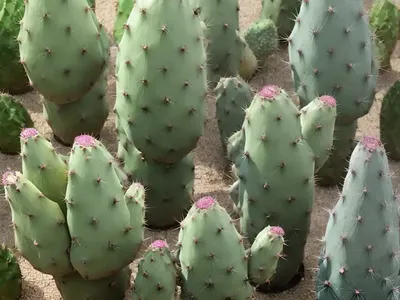
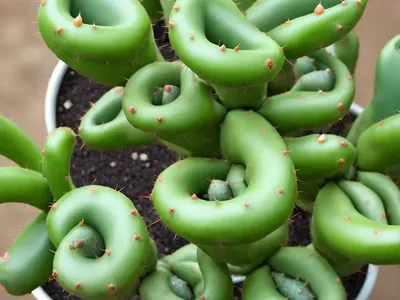
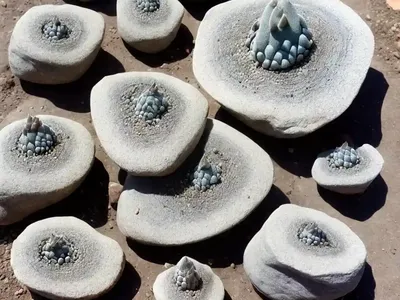
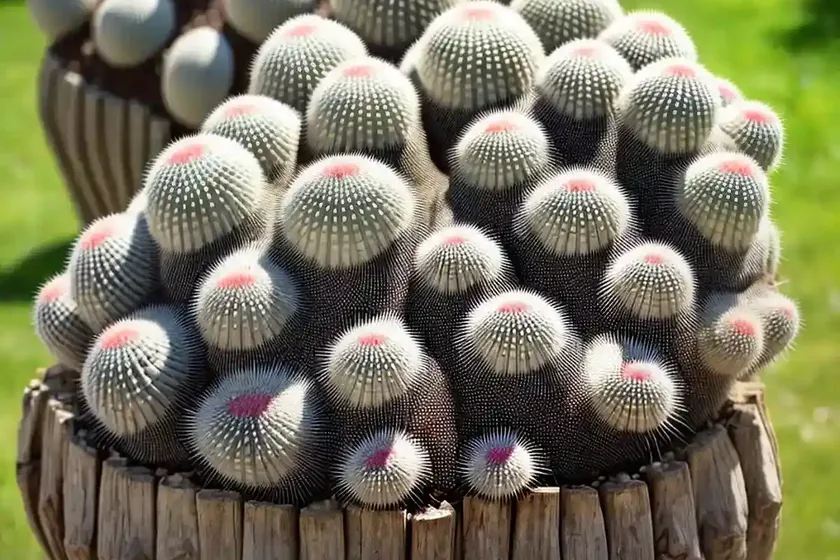
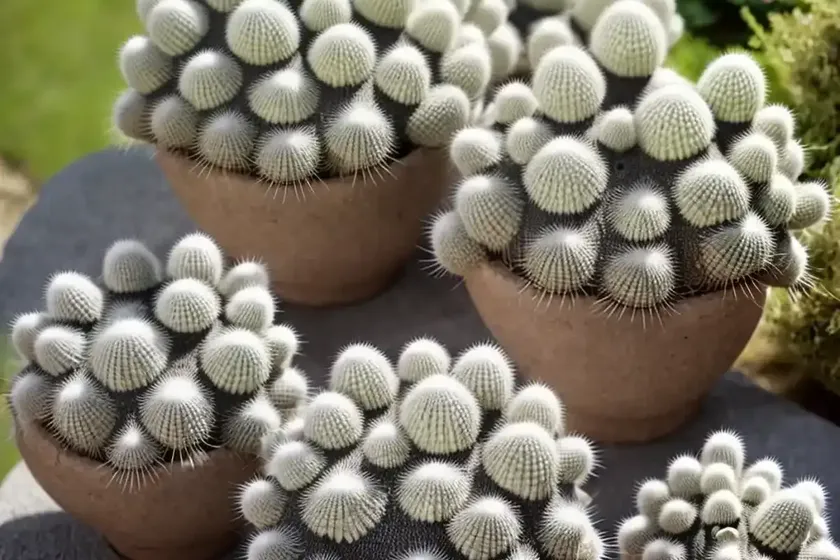
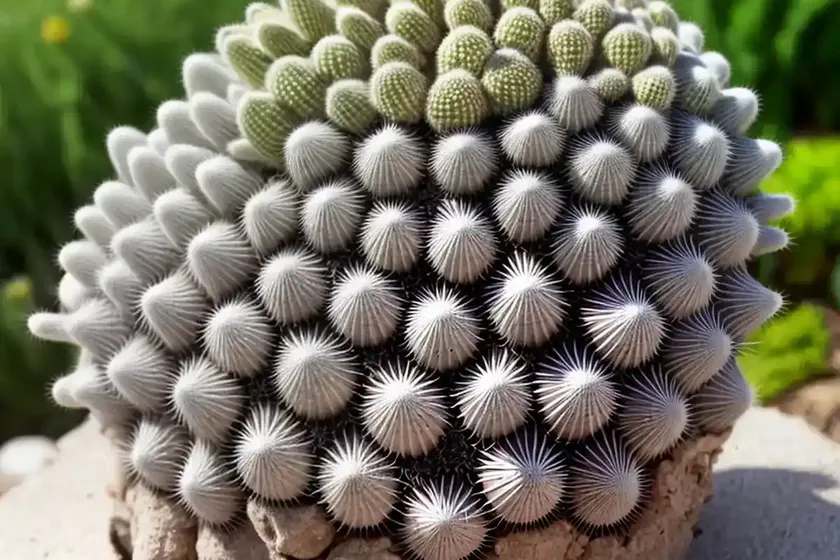
The “Mother-of-hundreds,” scientifically known as Mammillaria Compressa, is a species of flowering succulent plant in the Cactus family, Cactaceae. It is native to Mexico and widely cultivated for its distinctive appearance and ease of care. The plant is characterized by its densely clustered cylindrical stems, which often form attractive mounds. Mammillaria Compressa typically produces small, white or yellow flowers, adding a touch of elegance to its overall appearance.
The common name “Mother-of-hundreds” is derived from the plant’s unique reproductive strategy. As the plant matures, it forms numerous offsets or “pups” around its base, eventually creating a dense cluster of stems. This prolific propagation behavior has led to the endearing nickname “Mother-of-hundreds,” reflecting the abundance of new plants that can emerge from a single specimen.
Key Takeaways: “Mother-of-hundreds” (Mammillaria Compressa)
Before we delve into the specifics of caring for the “Mother-of-hundreds” plant, let’s summarize its key characteristics and benefits:
- Botanical Name: Mammillaria Compressa
- Common Name: Mother-of-hundreds
- Family: Cactaceae
- Origin: Mexico
- Reproductive Strategy: Prolific offset production, earning the nickname “Mother-of-hundreds”
- Distinctive Features: Cylindrical, densely clustered stems; small white or yellow flowers
- Popularity: Growing interest among indoor plant enthusiasts for its charming appearance and relatively low maintenance requirements
Now that we have gained a basic understanding of the “Mother-of-hundreds” plant, let’s explore the various aspects of its care and cultivation, ranging from culture and uses to specific care requirements such as watering, sunlight, soil, and more.
Culture
Understanding the cultural preferences of the “Mother-of-hundreds” plant is essential for creating an optimal growing environment. From its native habitat to its suitability for indoor cultivation, here’s what you need to know about the plant’s cultural requirements:
Native Habitat
Mammillaria Compressa is indigenous to Mexico, where it thrives in dry, arid regions with well-draining soil and ample sunlight. Its natural habitat provides valuable insight into the plant’s preferred growing conditions, which can be replicated in cultivation to promote healthy growth and flowering.
Indoor Cultivation
Due to its adaptability and relatively compact size, the “Mother-of-hundreds” plant is well-suited for indoor cultivation. It can thrive in containers, making it an excellent choice for individuals who seek to introduce a touch of natural elegance to their indoor spaces. The plant’s ability to produce offsets also adds visual interest, making it a popular choice among succulent enthusiasts and indoor plant collectors.
Outdoor Cultivation
In regions with a climate similar to its native habitat, Mammillaria Compressa can also be cultivated outdoors, provided that it receives adequate sunlight and is protected from excessive moisture. When grown outdoors, the plant’s striking appearance and unique reproductive behavior can enhance gardens, rockeries, and desert landscaping projects.
Uses
The “Mother-of-hundreds” plant offers a range of uses and benefits, both from an aesthetic and practical perspective. Understanding its potential applications can provide insight into why it has captured the attention of plant enthusiasts and botanical connoisseurs:
Aesthetic Value
One of the primary uses of the “Mother-of-hundreds” plant is its aesthetic value. With its clustered cylindrical stems and occasional blooms, Mammillaria Compressa adds a charming and distinctive touch to any indoor or outdoor setting. Its compact size and adaptability make it an ideal choice for introducing greenery and natural beauty to various spaces, ranging from windowsills to office desks and garden landscapes.
Educational Value
From an educational standpoint, the “Mother-of-hundreds” plant offers a unique opportunity to observe and learn about succulent plants and their reproductive strategies. Its prolific offset production provides a tangible demonstration of plant propagation, making it an engaging subject for botanical studies, horticultural education, and interactive learning experiences.
Decorative Uses
In addition to its visual appeal, Mammillaria Compressa can be incorporated into decorative arrangements, succulent gardens, and arid plant displays. Its compact growth habit and ability to thrive in containers make it an excellent choice for creating captivating succulent compositions, whether as standalone specimens or as part of diverse plant collections.
Care Requirements
Caring for the “Mother-of-hundreds” plant involves attention to several key factors, including water, sunlight, fertilizer, soil, pruning, and propagation. Let’s explore each of these care components in detail to understand how to nurture and maintain healthy Mammillaria Compressa specimens.
Water
Proper watering is crucial for the health and vitality of Mammillaria Compressa. As a succulent plant adapted to arid conditions, it is essential to adhere to a watering regimen that prevents waterlogged soil and minimizes the risk of root rot. Here are some key considerations for watering the “Mother-of-hundreds” plant:
- Watering Frequency: Allow the soil to dry out completely between waterings. This helps prevent moisture-related issues and mimics the plant’s natural habitat, where rainfall is infrequent.
- Seasonal Adjustments: During the active growing season, typically spring and summer, water Mammillaria Compressa more regularly. In contrast, reduce watering during the plant’s dormant phase in fall and winter.
- Avoid Overwatering: Succulent plants are susceptible to root rot if overwatered. Ensure that the soil is well-draining and that excess water can escape from the container.
Sunlight
Like many succulent species, Mammillaria Compressa thrives in bright, direct sunlight. Providing adequate sunlight is essential for promoting healthy growth, maintaining the plant’s compact form, and encouraging flower production. Here’s what you need to know about sunlight requirements for the “Mother-of-hundreds” plant:
- Sun Exposure: Position the plant in a location that receives at least 6 hours of direct sunlight per day. South-facing windows and well-lit outdoor areas are ideal for meeting the plant’s sunlight needs.
- Indoor Lighting: If cultivating indoors, place Mammillaria Compressa near a sunlit window or under supplemental grow lights to ensure that it receives sufficient light for optimal growth.
- Outdoor Placement: When grown outdoors, choose a sunny spot that offers protection from excessive heat or harsh afternoon sun, especially in regions with hot summers.
Fertilizer
While succulent plants are generally known for their minimal fertilizer needs, providing occasional nutrients can support the “Mother-of-hundreds” plant’s overall health and vigor. When selecting a fertilizer and determining an appropriate feeding schedule, consider the following recommendations:
- Fertilizer Type: Use a balanced, water-soluble fertilizer formulated specifically for cacti and succulents. These formulations typically contain macro and micronutrients tailored to the needs of succulent plants.
- Feeding Frequency: Apply fertilizer sparingly, usually during the active growing season in spring and summer. Reduce or eliminate feeding during the plant’s dormant period to align with its natural growth cycle.
- Dilution and Application: Mix the fertilizer at half or quarter strength, as directed by the product label, and apply it to moist soil to avoid potential root burn. Always follow the manufacturer’s instructions for proper dilution and application.
Soil
Choosing the right soil mix is paramount for ensuring proper drainage and providing a supportive growing medium for Mammillaria Compressa. Succulent and cactus mixes are readily available and are formulated to meet the specific requirements of succulent plants. Consider the following soil-related guidelines for the “Mother-of-hundreds” plant:
- Well-Draining Mix: Select a well-draining soil mix designed for cacti and succulents, or create a custom mix by combining coarse sand, perlite, and well-draining potting soil in equal parts.
- Avoid Moisture-Retentive Soils: Refrain from using standard potting soils that retain excessive moisture, as this can lead to root rot and other water-related issues.
- Container Drainage: Ensure that the plant’s container has drainage holes to allow excess water to escape, further safeguarding against waterlogged soil.
Pruning
While the “Mother-of-hundreds” plant typically requires minimal pruning, occasional maintenance may be necessary to remove spent flowers, trim damaged stems, or control the overall size and shape of the plant. Here are some pruning-related considerations for Mammillaria Compressa:
- Sterilized Tools: Use clean, sterilized pruning shears or scissors to minimize the risk of introducing pathogens and causing unnecessary harm to the plant’s tissues.
- Deadheading: Remove faded or spent flowers by snipping them off near the base of the stem. This promotes a tidy appearance and redirects the plant’s energy toward new growth and potential flower production.
- Trimming and Shaping: If stems become damaged or overgrown, carefully trim them to maintain the plant’s desired form and overall appearance.
Propagation
Propagation is a defining feature of the “Mother-of-hundreds” plant, as it has the remarkable ability to produce numerous offsets that can be propagated to create new plants. Understanding the various propagation methods and best practices can open up exciting opportunities for expanding your succulent collection. Here’s what you need to know about propagating Mammillaria Compressa:
- Offset Separation: As the plant produces offsets, or “pups,” carefully remove them from the parent plant once they have developed their own root systems. This can typically be done during repotting or as independent propagation efforts.
- Rooting and Establishment: Allow the separated offsets to callus for a few days to minimize the risk of rot, then plant them in well-draining soil suitable for succulents. Maintain appropriate moisture levels to support the establishment of new roots.
- Propagation from Seeds: While less common, Mammillaria Compressa can also be propagated from seeds. Keep in mind that seed propagation is a longer and more involved process, but it offers the opportunity to grow plants from scratch and explore the full life cycle of the “Mother-of-hundreds” plant.
Container Popularity
In the realm of container gardening and indoor plant cultivation, the “Mother-of-hundreds” plant has gained popularity for several compelling reasons. Its suitability for container growth, coupled with its visual appeal and low maintenance requirements, makes it an attractive choice for both novice and seasoned plant enthusiasts. Here are some reasons why Mammillaria Compressa is a popular container plant:
- Compact Size: The plant’s compact growth habit makes it well-suited for containers, allowing individuals to showcase it on shelves, windowsills, and tabletops without requiring a significant amount of space.
- Decorative Potential: Mammillaria Compressa’s unique appearance and potential for producing offsets add decorative value to containers and succulent arrangements, making it a versatile choice for interior decor and ornamental plant displays.
- Low Maintenance: With minimal watering and light requirements, the “Mother-of-hundreds” plant is relatively low maintenance, making it an excellent option for individuals seeking a visually appealing, yet undemanding indoor plant.
Common Diseases
While the “Mother-of-hundreds” plant is generally resilient, it can be susceptible to certain diseases and issues, primarily related to overwatering, environmental stress, and pests. Recognizing common diseases and their symptoms is essential for promptly addressing any health concerns affecting Mammillaria Compressa. Here are some common diseases and issues to watch for:
Root Rot
One of the most prevalent concerns for succulent plants, including Mammillaria Compressa, is root rot. This condition occurs when the plant’s roots are exposed to excessive moisture, leading to decay and impaired water and nutrient uptake. Symptoms of root rot include wilting, yellowing, or softening of stems, as well as an unpleasant odor emanating from the soil.
Fungal Infections
Fungal diseases, such as powdery mildew and stem rot, can affect “Mother-of-hundreds” plants when environmental conditions are conducive to fungal growth. Powdery mildew appears as a white, powdery coating on the plant’s stems and leaves, while stem rot may manifest as discolored and mushy stem segments.
Pests and Infestations
In addition to diseases, Mammillaria Compressa can fall victim to pests such as aphids, mealybugs, and spider mites. These pests may feed on the plant’s sap, causing wilting, yellowing, or stippling of the foliage. Additionally, their presence can create opportunities for secondary infections and weaken the plant’s overall health.
Disease Diagnosis
Diagnosing and addressing diseases affecting the “Mother-of-hundreds” plant requires careful observation, prompt intervention, and appropriate management strategies. When evaluating potential diseases or issues, consider the following steps for accurate diagnosis and responsive care:
- Symptom Recognition: Observe the plant for any changes in its appearance, including wilting, discoloration, lesions, or abnormal growth patterns.
- Environmental Assessment: Evaluate the plant’s growing conditions, including its watering regimen, sunlight exposure, and air circulation, to identify potential triggers for disease development.
- Pest Detection: Check for signs of pest infestations, such as webbing, stippling on leaves, or visible insects, to address any concurrent pest-related concerns.
- Consultation and Treatment: If unsure about the cause of the plant’s symptoms, seek guidance from a knowledgeable horticulturist, plant pathologist, or local gardening expert to diagnose the issue accurately and implement appropriate treatment measures.
Common Pests
In addition to diseases, the “Mother-of-hundreds” plant may be vulnerable to infestations by common pests that can compromise its health and vitality. Understanding the pest threats that Mammillaria Compressa may face is crucial for implementing preventive measures and effective pest management strategies. Here are some common pests that can affect the “Mother-of-hundreds” plant:
Aphids
Aphids are small, sap-sucking insects that may congregate on the stems and foliage of succulent plants, including Mammillaria Compressa. They can cause distorted growth, wilting, and the development of sticky honeydew, which can attract other pests and fungal infections.
Mealybugs
Mealybugs are another potential pest concern for the “Mother-of-hundreds” plant. These soft-bodied insects often appear as white, cottony masses on the plant’s stems and leaf axils, where they feed on the sap and excrete sticky honeydew, promoting the growth of sooty mold.
Spider Mites
Spider mites are tiny arachnids that can infest succulent plants, including Mammillaria Compressa, and damage the foliage by piercing the plant cells and extracting their contents. Infested plants may exhibit stippling, webbing, and a general decline in vigor and visual appeal.
Botanist’s Tips
Drawing from botanical expertise and practical insights, the following tips can help maximize the success of cultivating and caring for the “Mother-of-hundreds” (Mammillaria Compressa) plant. Whether you’re a beginner succulent enthusiast or an experienced gardener, these tips can enhance your approach to nurturing and enjoying this remarkable succulent species:
- Observe Watering Cues: Pay close attention to the plant’s watering needs and adjust your regimen based on environmental conditions, rather than adhering to a strict schedule. This can help prevent overwatering and maintain optimal soil moisture levels for the plant.
- Provide Air Circulation: Ensure that the plant’s growing environment, whether indoors or outdoors, offers adequate air circulation to discourage the development of fungal diseases and maintain plant health.
- Monitor Sunlight Exposure: Regularly assess the quality and intensity of sunlight that the plant receives to ensure that it meets its light requirements without being exposed to excessive heat or potential sunburn.
- Balance Repotting Frequency: While “Mother-of-hundreds” plants benefit from occasional repotting to refresh their growing medium and accommodate new offsets, avoid excessive repotting, as it can cause undue stress to the plant.
- Promote Healthy Growth: Encourage the development of strong, healthy growth by providing appropriate cultural care, monitoring for pests and diseases, and promptly addressing any issues that arise.
Fun Facts
The “Mother-of-hundreds” (Mammillaria Compressa) plant is not only captivating in its appearance but also harbors intriguing and noteworthy characteristics. Here are some fun facts and points of interest about this remarkable succulent species:
- Offset Abundance: Mammillaria Compressa’s nickname, “Mother-of-hundreds,” reflects its prolific offset production, which can result in an impressive cluster of interconnected stems from a single parent plant.
- Endearing Size: This succulent species is known for its compact size and ability to thrive in relatively small containers, making it an endearing choice for indoor plant enthusiasts seeking charming, space-efficient additions to their plant collections.
- Natural Symbolism: In some cultural and symbolic contexts, succulent plants like the “Mother-of-hundreds” are associated with resilience, adaptation to harsh environments, and the beauty of arid landscapes, reflecting the plant’s intrinsic value beyond its ornamental appeal.
Links to External Resources
For further exploration and in-depth information on the “Mother-of-hundreds” (Mammillaria Compressa) plant and related topics, consider consulting the following external resources:
- Mammillaria Compressa Care Guide
- Succulent Mother-of-hundreds Plant Care
- Caring for Mammillaria Compressa Indoors
Conclusion
In this comprehensive guide, we have delved into the captivating world of the “Mother-of-hundreds” (Mammillaria Compressa) plant, gaining valuable insights into its culture, uses, care requirements, propagation, common diseases, and much more. Whether you are a longtime succulent enthusiast or a newcomer to the fascinating realm of indoor plants, I hope that this guide has equipped you with the knowledge and inspiration to cultivate and appreciate the unique beauty and resilience of the “Mother-of-hundreds” plant. By honoring its natural characteristics, embracing its propensity for abundant propagation, and providing attentive care, you can nurture thriving Mammillaria Compressa specimens and bring a touch of natural elegance and charm to your living spaces.
As we conclude our exploration of the “Mother-of-hundreds” plant, I encourage you to continue your journey of discovery and appreciation for succulent plants