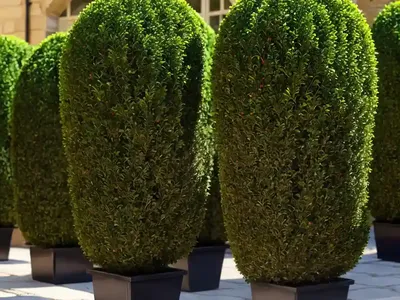
Caucasian Boxwood (Buxus Sempervirens)
Welcome to an in-depth plant care guide on Buxus sempervirens or the Caucasian Boxwood. In this comprehensive guide, we will explore all aspects of caring.
Introduction
Welcome to an in-depth plant care guide on Buxus sempervirens or the Caucasian Boxwood. In this comprehensive guide, we will explore all aspects of caring for this evergreen shrub, covering its culture, uses, water and sunlight requirements, fertilizer needs, soil preferences, pruning techniques, propagation methods, common diseases, pests, fun facts, and much more. Whether you’re an aspiring botanist, a gardening enthusiast, or simply a lover of ornamental hedges, this guide is tailored to equip you with the knowledge and techniques necessary to cultivate and maintain healthy, vibrant Caucasian boxwoods.
Key Takeaways – Caucasian Boxwood (Buxus sempervirens)
- Botanical Name: Buxus sempervirens
- Common Name: Caucasian Boxwood, Evergreen Boxwood
- Type: Evergreen shrub
- Uses: Ornamental hedges, landscape plants
- Characteristics: Small, leathery, dark green leaves; dense, compact growth habit
- Hardiness: USDA zones 5 to 8
Culture
The Caucasian boxwood, known scientifically as Buxus sempervirens, is a versatile and resilient evergreen shrub widely valued for its dense foliage, compact growth habit, and ease of maintenance. This section delves into the care and cultivation practices essential for the optimal growth of Caucasian boxwoods in various garden settings.
Uses
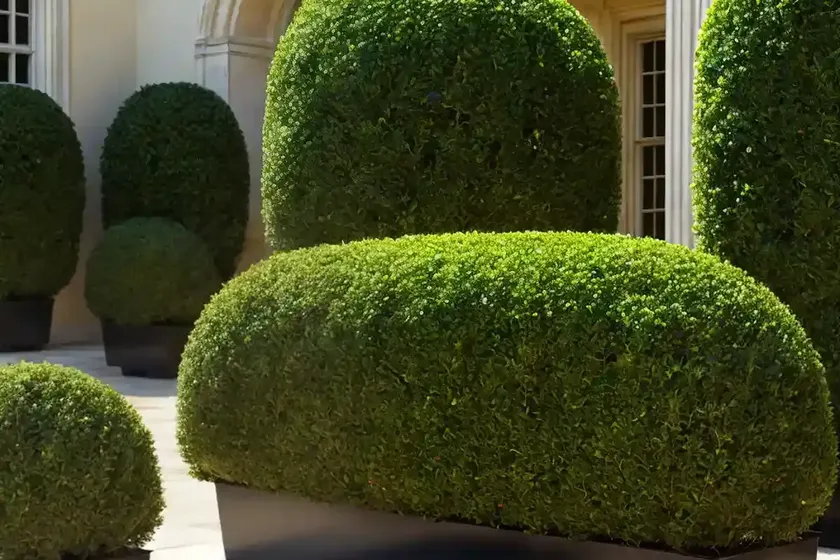
Caucasian boxwoods are highly versatile and find numerous uses in landscaping and gardening. Some common uses include:
* Ornamental hedges in formal and informal gardens
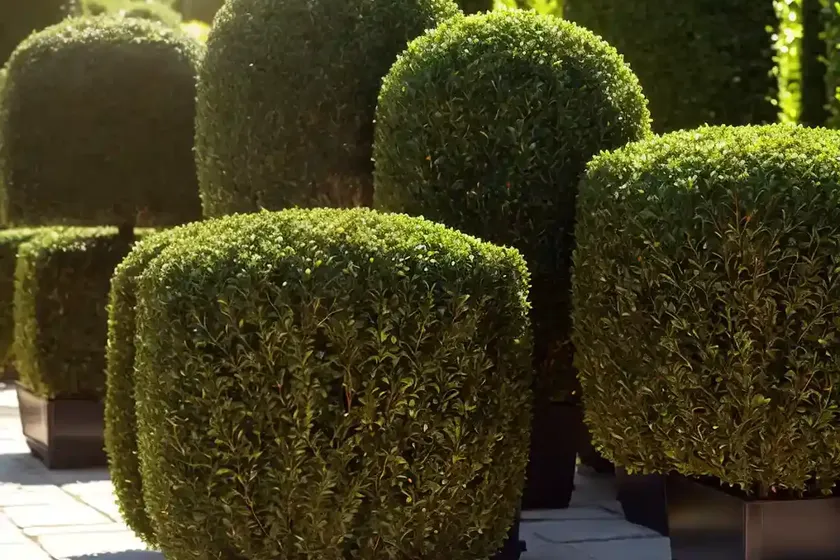
* Topiary designs due to their malleable growth habit
* Foundation plantings for landscaping
* Container planting for ornamental purposes
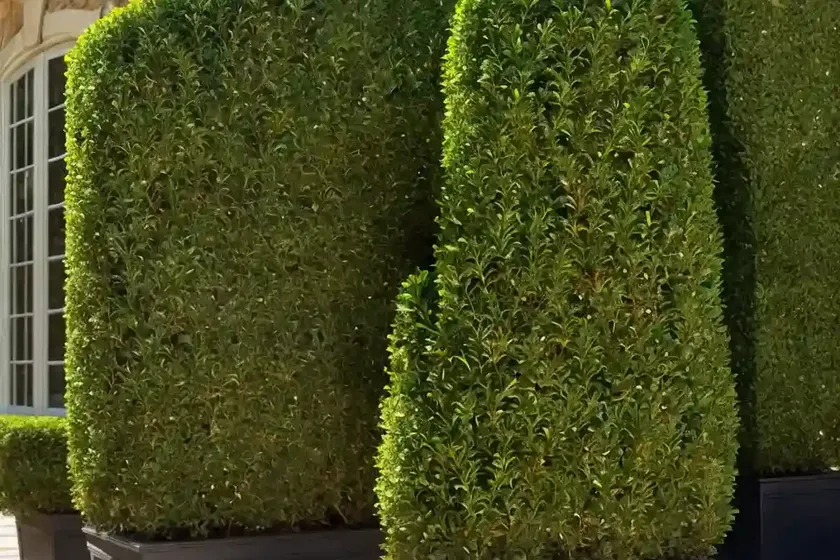
* Privacy hedges due to their dense growth and evergreen nature
Water
Proper watering is essential for the healthy growth of Caucasian boxwoods. These shrubs prefer moderately moist, well-drained soil.
Watering Needs
- Established Plants: Water deeply (1-2 inches) once a week during dry periods.
- Newly Planted Boxwoods: Ensure consistent moisture without waterlogging the soil.
Sunlight
Caucasian boxwoods thrive in partial shade to full sun conditions. They prefer dappled sunlight or light shade in hot summer regions to prevent foliage scorch.
Sunlight Requirements
- Partial Shade: Ideal in regions with hot summers to prevent leaf burn.
- Full Sun: Tolerated well in temperate climates.
Fertilizer
Appropriate fertilization is crucial for promoting healthy growth and maintaining the vitality of Caucasian boxwoods.
Fertilization Practices
- Fertilizing Schedule: Apply a balanced, slow-release fertilizer in early spring.
- Amount: 1-2 pounds of balanced fertilizer per 100 square feet.
- Avoid Overfertilization: Excessive nitrogen can lead to excessive growth and reduce cold hardiness.
Soil
The soil type and quality significantly impact the growth and health of Caucasian boxwoods.
Soil Preferences
- Well-Drained Soil: Ensure the soil provides good drainage to prevent waterlogging.
- pH Level: Prefers slightly acidic to neutral soil (pH 6.5-7.2).
- Soil Amendment: Incorporate organic matter to improve soil structure and fertility.
Pruning
Pruning is a critical aspect of maintaining the shape and vitality of Caucasian boxwoods, ultimately enhancing their aesthetic appeal in gardens and landscapes.
Pruning Techniques
- Timing: Spring or early summer is the best time for major pruning.
- Sanitize Tools: Use sharp, clean pruning shears to avoid disease transmission.
- Shape Maintenance: Regular light pruning to maintain desired shape and density.
- Rejuvenation: Severe pruning can be done in late winter or early spring to rejuvenate older, overgrown plants.
Propagation
Caucasian boxwoods can be propagated through several methods, enabling gardeners to expand their boxwood collection or share these beautiful shrubs with others.
Propagation Methods
- Stem Cuttings: Use semi-hardwood cuttings in summer for propagation.
- Layering: Encouraging roots on a lower branch and then separating it to create a new plant.
- Seed Propagation: Less common due to slow growth from seeds.
Container Popularity
Caucasian boxwoods are highly popular for container planting, making them a versatile choice for ornamental purposes in various garden settings.
Container Planting Tips
- Pot Size: Select a container that provides ample space for root development.
- Drainage: Ensure proper drainage holes to prevent waterlogging.
- Soil: Use well-drained potting mix with good fertility and a slightly acidic pH.
Common Diseases
Despite their resilience, Caucasian boxwoods are susceptible to certain diseases that can affect their vigor and appearance if not managed effectively.
Disease Diagnosis
- Boxwood Blight (Cylindrocladium and Pseudonectria): Characterized by dark brown spots on leaves and stems, and rapid defoliation.
- Volutella Blight: Pink, salmon, or orange spore masses on dead areas of the plant.
Disease Treatment
- Sanitation: Remove and destroy infected plant parts.
- Fungicidal Sprays: Use appropriate fungicides as a preventive measure during favorable conditions for disease development.
- Pruning: Encourage air circulation through proper pruning to minimize disease incidence.
Common Pests
Several pests can affect Caucasian boxwoods, potentially causing damage to their foliage and overall health if not promptly addressed.
Common Pests
- Boxwood Leafminer (Monarthropalpus flavus): Larvae mining inside leaves, causing yellowing or browning.
- Boxwood Psyllid (Psylla buxi): Feeding damage leading to distorted growth and leaf drop.
Pest Management
- Horticultural Oils: Effective against certain pests, including scales and mites.
- Insecticidal Soaps: Useful for controlling soft-bodied pests like boxwood psyllids.
- Systemic Insecticides: Targeting pests that are difficult to control with other methods.
Botanist’s Tips
Seasoned botanists and gardening enthusiasts often have valuable insights and tips to share about growing and caring for Caucasian boxwoods.
Botanist’s Recommendations
- Mulching: Apply a 2-3 inch layer of organic mulch to conserve soil moisture and maintain even soil temperatures.
- Winter Protection: Shield from winter winds and sun to prevent desiccation.
- Air Circulation: Prune to improve air circulation and reduce disease risk.
Fun Facts
Learn some intriguing and fun facts about Caucasian boxwoods that showcase their unique characteristics and cultural significance.
Did You Know?
- Historical Symbolism: Boxwoods have been associated with tradition and formality since ancient times, frequently used in formal gardens and landscapes.
- Longevity: Some boxwoods are known for their impressive lifespans, with certain specimens reaching ages of over 100 years.
Links to External Resources
For further information and resources on the care and cultivation of Caucasian boxwoods, explore the following links:
1. Caucasian Boxwood Care Guide
2. Growing Buxus sempervirens
3. Boxwood Varieties for Landscaping
In conclusion, the Caucasian boxwood (Buxus sempervirens) stands as a cherished landscaping staple, valued for its resilience, versatility, and timeless aesthetic appeal. Whether adorning formal gardens, creating artistic topiaries, or serving as elegant container specimens, the cultural significance and horticultural value of these evergreen shrubs are undeniable. With the insights gained from this comprehensive guide, you are equipped to embark on an enriching journey of caring for Caucasian boxwoods and incorporating their timeless charm into diverse garden environments.