The Magic of Japanese Spirea (Spiraea japonica ‘Walbuma’ MAGIC CARPET)
Introduction
Plants, in their diverse forms and structures, offer a myriad of benefits to our environment and our lives. Whether it’s providing oxygen, food, or aesthetic beauty, plants play a crucial role in sustaining life on Earth. As a plant scientist, I am constantly amazed by the fascinating world of plants and their unique characteristics.
In this article, we will delve into the captivating realm of Japanese spirea, focusing on the Spiraea japonica ‘Walbuma’ variety, commonly known as MAGIC CARPET. This delightful shrub has gained popularity among gardeners and landscaping enthusiasts for its vibrant foliage, hardy nature, and ease of maintenance. We will explore its cultural attributes, uses, preferred growing conditions, propagation techniques, as well as common diseases and pests that may affect it. Moreover, we will provide valuable insights and tips to help you care for and appreciate this enchanting plant.
What Is Japanese Spirea (Spiraea japonica ‘Walbuma’ MAGIC CARPET)?
Japanese spirea (Spiraea japonica) is a deciduous shrub that belongs to the Rosaceae family. Originating from East Asia, including Japan, China, and Korea, this plant has captured the hearts of gardeners around the world for its ornamental value and versatility. The ‘Walbuma’ cultivar, marketed as MAGIC CARPET, is particularly esteemed for its compact size, vibrant foliage, and abundant clusters of flowers.
Key Takeaways
Before we embark on a comprehensive exploration of Spiraea japonica ‘Walbuma’ MAGIC CARPET, let’s briefly summarize the key takeaways you can expect from this article:
- Cultural information and uses of Japanese spirea
- Essential requirements for water, sunlight, fertilizer, and soil
- Guidelines for pruning and propagation
- Insights into growing Japanese spirea in containers
- Common diseases and pests, and their diagnosis and management
- Botanist’s tips for optimal care
- Fun facts about Japanese spirea
- Links to external resources for further reading and exploration
Now, let’s embark on an enlightening journey to uncover the enchanting world of this charming shrub.
Cultural Information and Uses of Japanese Spirea
General Culture
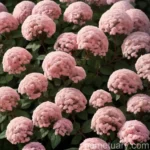
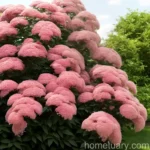
Japanese spirea (Spiraea japonica ‘Walbuma’ MAGIC CARPET) is celebrated for its vibrant, multi-colored foliage, which transitions through various shades of red, yellow, and green throughout the growing season. Its compact and mounding growth habit makes it an excellent choice for adding ornamental flair to landscapes, borders, and gardens. Furthermore, its versatility in various soil types and its relative tolerance to urban conditions make it a popular choice for urban landscaping and home gardens.
Landscape Uses
This delightful shrub can be employed in a multitude of landscaping scenarios, including:
- Borders and Edges: Its compact nature and colorful foliage make it an ideal choice for defining borders and edges in gardens and landscapes.
- Foundation Planting: Japanese spirea can be utilized to enhance the visual appeal of building foundations and create a harmonious transition between the built environment and nature.
- Mass Planting: When planted in groups, it creates a striking visual impact, especially when the colorful foliage is in full display.
- Mixed Borders: Japanese spirea can be combined with other shrubs and perennials to create visually captivating mixed borders, adding depth and texture to the landscape.
With its versatile uses and striking visual appeal, Japanese spirea is a beloved choice for both amateur and seasoned landscapers.
Essential Requirements for Japanese Spirea
Water
Japanese spirea, once established, exhibits moderate drought tolerance. However, to ensure optimal growth and vibrant foliage, it is important to maintain consistent moisture levels, especially during the hotter months. Adequate watering, especially during prolonged dry spells, is crucial for supporting its growth and maintaining its ornamental features.
Sunlight
Japanese spirea thrives in full sun to partial shade conditions. To ensure the best foliage coloration and flowering, providing it with at least 6 hours of direct sunlight is preferred. However, it can also tolerate partial shade, making it an adaptable choice for a range of light conditions.
Fertilizer
Proper fertilization is essential for promoting healthy growth and vibrant foliage. A balanced, slow-release fertilizer applied in early spring can provide the necessary nutrients for vigorous growth and abundant flowering. Slow-release fertilizers are advantageous as they release nutrients gradually, sustaining the plant’s growth over an extended period.
Soil
Japanese spirea is adaptable to various soil types, from loamy to sandy soils, provided they are well-draining. It thrives in slightly acidic to neutral pH levels, typically ranging from 5.5 to 7.5. Amending the soil with organic matter such as compost or well-rotted manure can improve soil structure and fertility, promoting optimal growth and health.
Pruning
Pruning plays a critical role in maintaining the shape, size, and overall health of Japanese spirea. Proper pruning not only enhances the plant’s aesthetics but also stimulates new growth and flowering.
Pruning Time
Spiraea japonica ‘Walbuma’ MAGIC CARPET is best pruned in late winter to early spring before new growth emerges. This allows for the removal of dead or damaged branches and encourages vigorous regrowth during the upcoming growing season.
Pruning Technique
When pruning Japanese spirea, it is recommended to use sharp and clean pruning tools to make precise cuts. The following pruning techniques are commonly employed:
- Deadheading: Regularly remove spent flowers to encourage continuous blooming and maintain a neat appearance.
- Thinning: Remove a portion of the oldest stems to promote air circulation and light penetration into the shrub’s interior, reducing the risk of disease and fostering vigorous new growth.
- Shaping: By selectively trimming branches, the shrub’s natural form and size can be maintained or sculpted to fit a specific design or landscape requirement.
When approaching pruning, a balance between shaping the plant and respecting its natural form should be sought. Pruning stimulates new growth, and when done judiciously, fosters a healthier and more robust plant.
Propagation Techniques
The propagation of Spiraea japonica ‘Walbuma’ MAGIC CARPET can be achieved through various methods, including division, softwood cuttings, and hardwood cuttings.
Division
Dividing mature plants is an effective way to propagate Japanese spirea. This method involves carefully digging up the plant and dividing the root ball into several sections, each containing viable roots and shoots. These sections can then be replanted to establish new plants.
Softwood Cuttings
Softwood cuttings, taken from young and supple shoots in late spring to early summer, can be used to propagate Japanese spirea. By placing these cuttings in a suitable rooting medium and providing the right environmental conditions, new roots will develop, giving rise to young plants.
Hardwood Cuttings
Hardwood cuttings, taken from mature and dormant shoots during the late fall or winter, can also be utilized to propagate Japanese spirea. These cuttings are prepared and planted in a similar manner to softwood cuttings, with rooting hormone often applied to expedite the formation of roots.
By employing these propagation techniques, gardeners can expand their collection of Japanese spirea and share the beauty of this remarkable plant with others.
Growing Japanese Spirea in Containers
Japanese spirea adapts well to container growth, making it an excellent choice for patio gardens, balconies, and small outdoor spaces. When cultivating Spiraea japonica ‘Walbuma’ MAGIC CARPET in containers, several factors should be considered to ensure its vigor and health.
Container Selection
Select a container that provides ample space for the plant’s roots to grow and develop. A container with drainage holes is crucial to prevent waterlogging, ensuring proper aeration and moisture control.
Soil Mix
A well-draining potting mix, enriched with organic matter, provides a suitable growing medium for Japanese spirea. Avoid compacted or heavy soils, as they can hinder root development and water infiltration.
Watering and Fertilization
Container-grown plants require more frequent watering than those in the ground, as the limited soil volume dries out more quickly. Regular monitoring of soil moisture and adequate fertilization are essential for sustaining healthy growth and vibrant foliage.
Sun Exposure
Place the container in a location that receives sufficient sunlight, as outlined in the sunlight requirements mentioned earlier. Adequate sunlight is crucial for promoting robust growth and maintaining the plant’s ornamental value.
By understanding and addressing the specific needs of Japanese spirea when grown in containers, enthusiasts can enjoy its beauty in a variety of outdoor settings.
Common Diseases and Pest Management
Despite being a resilient shrub, Japanese spirea can be susceptible to certain diseases and pests that may affect its health and vigor. Being aware of these potential issues and implementing appropriate management strategies is integral to preserving the plant’s well-being.
Common Diseases
Powdery Mildew (Erysiphales)
Powdery mildew is a fungal disease that manifests as powdery, white patches on the foliage, ultimately leading to stunted growth and reduced plant vigor. To mitigate its impact, ensure proper air circulation, and avoid overhead watering. Fungicidal treatments can be employed if the infestation becomes severe.
Rust (Pucciniales)
Rust diseases cause reddish or orange-colored pustules on the undersides of leaves, negatively affecting the plant’s photosynthetic capacity and overall health. Pruning affected plant parts and applying appropriate fungicides can help manage and control rust infestations.
Disease Diagnosis
Regular monitoring of the plant’s foliage, stems, and overall appearance is crucial for early detection of any disease symptoms. Prompt action, including proper sanitation and targeted treatments, can prevent the spread of diseases and preserve the plant’s vitality.
Common Pests
Aphids (Aphidoidea)
Aphids are small, sap-sucking insects that can congregate on the undersides of leaves, causing wilting and deformation of new growth. Natural predators, such as ladybugs and lacewings, as well as horticultural oils or insecticidal soaps, can help manage aphid populations.
Spider Mites (Tetranychidae)
Spider mites are tiny arachnids that feed on plant juices, leading to stippled and discolored foliage. Regularly spraying the plant with a strong stream of water and applying horticultural oils can aid in controlling spider mite infestations.
By actively monitoring the plant for any signs of disease or pest issues and promptly addressing them through appropriate measures, gardeners can safeguard the health and beauty of their Japanese spirea.
Botanist’s Tips for Optimal Care
Regular Monitoring
Regularly inspect the plant for any signs of stress, disease, or pest infestations. Early detection allows for timely intervention, minimizing the impact of potential problems and preserving the plant’s health.
Mulching
Applying a layer of organic mulch around the base of the plant aids in moisture retention, suppresses weed growth, and contributes organic matter to the soil as it decomposes. Mulching also provides an insulating effect, protecting the plant’s roots from temperature fluctuations.
Seasonal Maintenance
Adapt the care and maintenance practices according to the changing seasons. Adjust watering, fertilization, and protection measures to meet the plant’s varying needs throughout the year.
Wildlife Benefits
Japanese spirea, with its nectar-rich flowers, attracts pollinators such as bees and butterflies, contributing to local biodiversity and ecological balance. Encouraging and supporting these beneficial insects through the presence of Japanese spirea contributes to a thriving and vibrant ecosystem.
Sustainable Practices
Adopt sustainable gardening practices, such as water conservation, recycling organic materials, and incorporating native plants, to establish a harmonious and environmentally friendly garden or landscape.
By integrating these tips into your care regimen, you can promote the well-being of Japanese spirea and create an inviting and sustainable environment for the plant and surrounding wildlife.
Fun Facts about Japanese Spirea
- Historical Significance: Japanese spirea has been featured in traditional East Asian gardens for centuries, adding to its cultural and historical significance.
- Seasonal Interest: Beyond its vibrant foliage, Japanese spirea offers seasonal interest with its delicate clusters of flowers, contributing to the ever-changing tapestry of the landscape.
- Mythological Aspects: In certain cultural traditions, spirea is associated with symbolic meanings and mythological narratives, adding an intriguing layer of allure to the plant’s persona.
Discovering the captivating history and cultural significance of Japanese spirea adds an enriching dimension to the appreciation of this remarkable plant.
External Resources
For further exploration and in-depth insights into Japanese spirea (Spiraea japonica ‘Walbuma’ MAGIC CARPET) and related topics, I highly recommend delving into the following external resources:
- Royal Horticultural Society – Spiraea japonica ‘Walbuma’ MAGIC CARPET
- University of Maryland Extension – Growing Japanese Spirea
- Missouri Botanical Garden – Spiraea japonica ‘Walbuma’ MAGIC CARPET
- American Society for the Prevention of Cruelty to Plants – Comprehensive Guide to Japanese Spirea Care
- Gardenia – Spiraea japonica ‘Walbuma’ – MAGIC CARPET Spirea
These resources offer a wealth of knowledge, expert insights, and practical guidance that can further enhance your understanding and appreciation of Japanese spirea and its varietal nuances.
Conclusion
Japanese spirea (Spiraea japonica ‘Walbuma’ MAGIC CARPET) embodies a harmonious blend of ornamental charm, resilient nature, and cultural significance. Its multi-colored foliage, effervescent clusters of flowers, and versatile landscape uses make it a cherished addition to gardens and landscapes worldwide. By understanding and fulfilling its cultural requirements, employing effective propagation and maintenance techniques, and addressing potential diseases and pests, enthusiasts can witness the enchanting beauty and enduring appeal of this remarkable shrub.
As we conclude our exploration of the captivating world of Spiraea japonica ‘Walbuma’ MAGIC CARPET, I hope this article has inspired you to embark on your own journey of discovery and appreciation for this delightful plant. Whether you are a seasoned gardener, a landscape enthusiast, or someone eager to explore the wonders of the natural world, Japanese spirea offers an exquisite tapestry of color, vitality, and historical resonance that enriches our shared botanical heritage.