Japanese Spirea (Spiraea Japonica ‘Limemound’)
Plants are not just a source of natural beauty; they are also integral to the health of our planet and offer various benefits to the environment and human.
Introduction
Plants are not just a source of natural beauty; they are also integral to the health of our planet and offer various benefits to the environment and human populations. As a plant scientist, my passion lies in studying and understanding different plant species, their growth habits, cultural requirements, and potential uses. In this comprehensive guide, we will delve into the world of Japanese spirea (Spiraea japonica ‘Limemound’), a delightful shrub that has captured the interest of gardeners and landscaping enthusiasts alike. From its cultural needs to its landscape uses and potential drawbacks, we will explore every aspect of this fascinating plant.
What is Plant: Japanese Spirea (Spiraea japonica ‘Limemound’)?
Japanese spirea, scientifically known as Spiraea japonica ‘Limemound’, is a deciduous flowering shrub that belongs to the Rosaceae family. It is a compact and mounding variety that is prized for its vibrant foliage and graceful, arching branches adorned with clusters of delicate flowers. The ‘Limemound’ cultivar is particularly valued for its lime-green foliage, which adds a refreshing touch to gardens and landscapes.
Key Takeaways – Japanese Spirea (Spiraea japonica ‘Limemound’)
Before delving into the specific details of Japanese spirea, let’s walk through key takeaways of this plant, covering its cultural requirements, uses, and potential issues.
Culture
- Japanese spirea ‘Limemound’ is a low-maintenance shrub that thrives in various climatic conditions.
- It is known for its adaptability to different soil types and its moderate watering needs.
Uses
- Japanese spirea is often used in landscaping to create borders, hedges, and mass plantings due to its compact growth habit.
- Its vibrant foliage and charming blooms make it a popular choice for adding visual interest to garden beds.
Water
- While it prefers consistent moisture, Japanese spirea has good tolerance to drought once established.
Sunlight
- It thrives in full sun to partial shade, making it a versatile addition to gardens with varying light conditions.
Fertilizer
- Regular feeding with a balanced fertilizer can enhance the growth and flowering of Japanese spirea.
Soil
- It can adapt to different soil types, but well-draining, fertile soil is ideal for the best performance.
Pruning
- Pruning in late winter or early spring is essential to maintain the compact shape and encourage abundant flowering.
Propagation
- Japanese spirea can be propagated from softwood cuttings or through division of established clumps.
Container Popularity
- Due to its compact size, Japanese spirea is well-suited for container gardening in patios and small outdoor spaces.
Container Common Diseases
- While generally free from severe disease issues, it may be susceptible to powdery mildew in humid conditions.
Disease Diagnosis
- Prompt diagnosis of any signs of disease or stress is crucial to maintaining the health of Japanese spirea.
Common Pests
- Aphids and spider mites may pose occasional pest problems, especially in dry and warm conditions.
Botanist’s Tips
- Providing adequate water and regular inspections for pest and disease management are key to successful cultivation.
Fun Facts
- The Japanese spirea ‘Limemound’ is a favorite among pollinators, attracting bees and butterflies with its nectar-rich flowers.
Plant Name: “Japanese Spirea (Spiraea japonica ‘Limemound’)”
As we embark on our journey to uncover the intricacies of Japanese spirea, it’s important to understand its taxonomical name and the specific variety we are focusing on. The scientific name, Spiraea japonica ‘Limemound’, provides insight into both the plant’s genus and species, as well as the cultivar that distinguishes it from other Japanese spirea varieties. Through our exploration, we will gain a deeper understanding of the care and maintenance required to nurture this unique shrub and utilize its ornamental qualities to enhance outdoor spaces.
Navigating the World of Japanese Spirea
Japanese spirea (Spiraea japonica ‘Limemound’) has captured the attention of gardeners, landscapers, and horticultural enthusiasts due to its distinctive features and versatile nature. Let’s embark on a comprehensive journey to uncover the various aspects of this delightful shrub, from its care requirements to its potential uses in different gardening and landscaping scenarios.
Spiraea japonica ‘Limemound’ – Unveiling the Cultivar
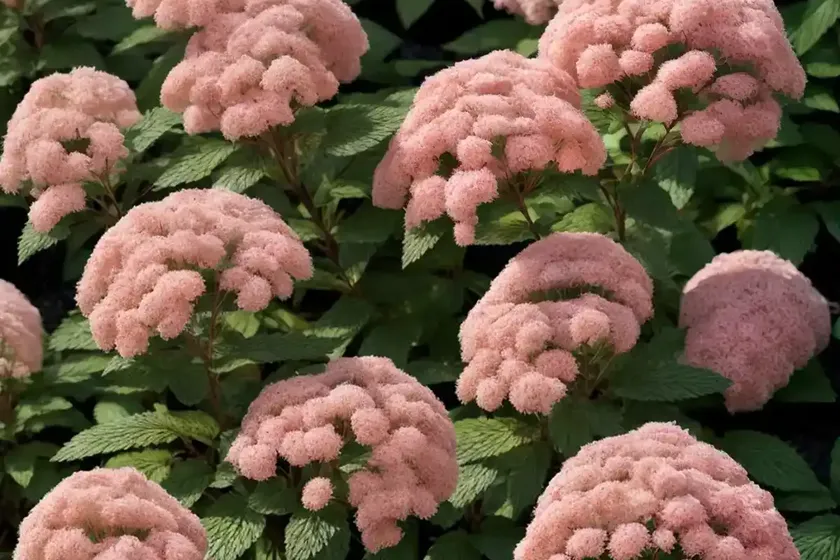
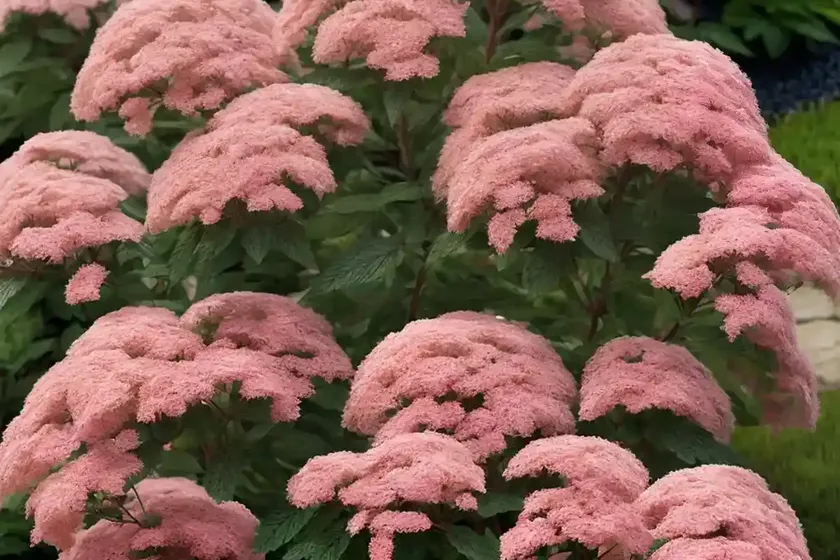
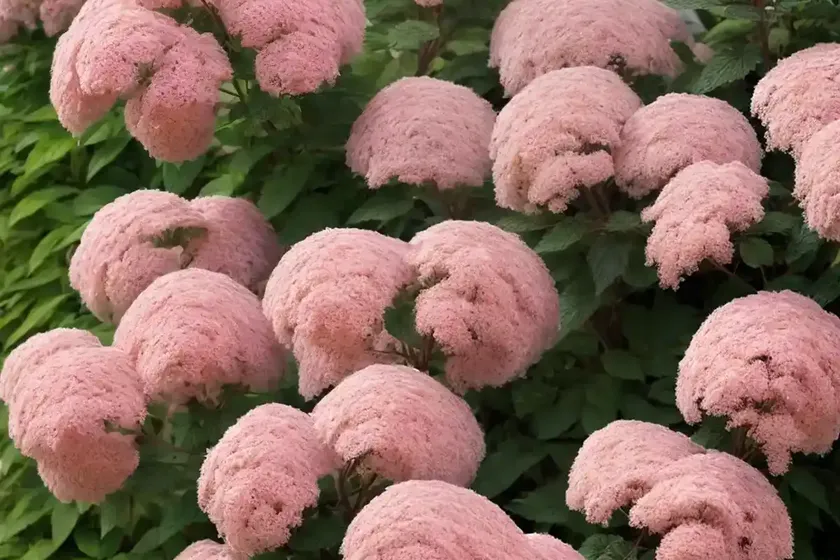
The Spiraea japonica ‘Limemound’ cultivar is renowned for its compact growth habit, vibrant lime-green foliage, and clusters of delicate pink flowers that grace its branches during the summer months. This specific variety offers an appealing aesthetic that is highly sought after in garden designs, adding a refreshing burst of color to outdoor settings. Understanding the unique characteristics and requirements of the ‘Limemound’ cultivar is essential for successfully integrating it into diverse landscaping schemes.
Japanese Spiraea ‘Limemound’: A Valuable Landscape Addition
The Japanese spirea ‘Limemound’ is revered for its utility in landscaping, where it can be employed to create defined borders, ornamental hedges, and eye-catching mass plantings. Its compact form and vibrant foliage make it an ideal candidate for infusing visual interest and textural contrast into garden beds and mixed borders. Furthermore, the charming pink blooms add a touch of elegance to the overall aesthetic of landscapes, attracting beneficial pollinators and contributing to the biodiversity of outdoor environments.
Spiraea japonica ‘Limemound’ in Garden Design
Incorporating the Japanese spirea ‘Limemound’ into garden designs offers a multitude of opportunities to elevate the visual appeal and ecological integrity of outdoor spaces. From utilizing it as a focal point in ornamental beds to integrating it into mixed borders for seasonal interest, this cultivar lends itself to diverse design applications. Understanding the unique growth habits, foliage characteristics, and flower display of the ‘Limemound’ variety is pivotal for creating aesthetically pleasing and ecologically supportive garden compositions.
Spiraea japonica ‘Limemound’ Characteristics
The Spiraea japonica ‘Limemound’ variety exhibits a range of distinctive characteristics that contribute to its desirability in horticultural settings. Its compact, mounded growth habit, complemented by vivid lime-green foliage, sets it apart as an invaluable element in landscape compositions. Furthermore, the clusters of delicate pink flowers add a touch of elegance and attract beneficial pollinators, enhancing the overall ecological value of outdoor spaces. Understanding the unique attributes of the ‘Limemound’ cultivar is imperative for leveraging its ornamental potential in garden designs.
Japanese Spirea Limemound Features: Exploring Foliage and Flowers
The foliage and flowers of the Japanese spirea ‘Limemound’ play a pivotal role in defining its visual and ecological impact in garden and landscape settings. The vibrant lime-green foliage offers a striking contrast against other plantings and serves as a refreshing focal point in outdoor compositions. Additionally, the graceful clusters of pink flowers, which adorn the shrub during the summer months, infuse bursts of color and fragrance, attracting pollinators and contributing to the biodiversity of the surrounding environment.
Limemound Spiraea Foliage: A Visual Delight
The foliage of the Limemound spiraea holds a special allure, offering a stunning display of lime-green leaves that captivate the eye and provide a refreshing aesthetic in garden settings. The compact and mounded growth habit of this variety accentuates the visual appeal of its foliage, making it an invaluable addition to mixed borders and ornamental beds. Understanding how to leverage the unique foliage characteristics of the Limemound spiraea is essential for creating visually dynamic and well-balanced garden designs.
Spiraea japonica ‘Limemound’ Flowers: Graceful Summer Blooms
The clusters of delicate pink flowers that adorn the Spiraea japonica ‘Limemound’ shrub during the summer months add a touch of elegance and seasonal interest to outdoor settings. These graceful blooms not only enhance the ornamental value of the plant but also serve as a crucial nectar source for beneficial pollinators such as bees and butterflies. Leveraging the display of these charming flowers in landscape designs can elevate the visual appeal and ecological functionality of garden compositions.
Limemound Spirea Bloom Time: Embracing the Summer Splendor
The blooming period of the Limemound spirea marks a delightful transition in the seasonal display of outdoor spaces, with the clusters of pink flowers gracing the shrub from late spring to early summer. Embracing the summer splendor of these blooms allows for the creation of visually dynamic and ecologically supportive garden designs that cater to the needs of beneficial pollinators and elevate the overall aesthetic quality of outdoor environments.
Japanese Spirea ‘Limemound’ Growth Habit: Mounding Beauty
The mounding growth habit of the Japanese spirea ‘Limemound’ distinguishes it as a valuable element in garden and landscape compositions, offering a compact form that can be utilized to create defined borders, low hedges, and mass plantings. Understanding the growth habits and spatial requirements of this variety is crucial for effective integration into diverse garden designs, ensuring harmonious coexistence with neighboring plantings and contributing to the overall visual appeal of outdoor settings.
Spiraea japonica ‘Limemound’ Hardiness: Resilience in Challenging Conditions
The hardiness of the Spiraea japonica ‘Limemound’ reflects its adaptability to a range of environmental conditions, making it well-suited for diverse gardening scenarios. This resilience allows the shrub to thrive even in less-than-ideal conditions, reaffirming its value as a landscaping asset that provides reliable visual impact and ecological contributions. Understanding the hardiness of the Limemound spiraea is essential for selecting appropriate planting locations and ensuring long-term success in garden and landscape applications.
Limemound Spiraea Disease Resistance: Promoting Plant Health
The disease resistance of the Limemound spiraea underscores its robust nature and capacity to withstand potential stressors in garden and landscape settings. By exhibiting good resistance to common diseases, this cultivar promotes plant health and reduces the need for intensive management strategies, contributing to its appeal as a low-maintenance and visually striking addition to outdoor environments. Understanding the disease resistance of the Limemound spiraea is pivotal for promoting the long-term vitality of garden and landscape plantings.
Spiraea japonica ‘Limemound’ Pests: Mitigating Potential Issues
While generally resilient to common diseases, the Limemound spiraea may be susceptible to pest infestations, with aphids and spider mites posing occasional challenges, especially in dry and warm conditions. Mitigating potential pest issues through proactive management strategies is crucial for maintaining the health and vitality of the shrub, ensuring its continued ornamental value and ecological functionality in garden and landscape settings.
Cultivating and Caring for Japanese Spirea ‘Limemound’
The successful cultivation and care of Japanese spirea ‘Limemound’ requires a nuanced understanding of its cultural requirements, seasonal maintenance practices, and potential challenges. By delving into the various aspects of its care and growth, we can gain insights into creating an optimal environment for the shrub to thrive and contribute to the visual appeal and ecological integrity of outdoor spaces.
Spiraea japonica ‘Limemound’ Care: Meeting Cultural Requirements
The care of Spiraea japonica ‘Limemound’ encompasses meeting its cultural requirements, including considerations for water, sunlight, soil, and maintenance practices. By ensuring that these needs are met, gardeners and landscapers can promote the vigorous growth, abundant flowering, and overall health of the shrub, contributing to its ornamental value and ecological contributions in outdoor environments.
Growing Limemound Spiraea: Watering Wisdom
Providing appropriate watering for the growth of Limemound spiraea is essential for maintaining its vigor, promoting flowering, and ensuring overall health. While the shrub prefers consistent moisture, it also exhibits good tolerance to drought once established. Understanding the watering needs of the Limemound spiraea facilitates the implementation of effective irrigation practices to support its growth and ornamental value in garden and landscape settings.
Japanese Spiraea ‘Limemound’ Sunlight Needs: Embracing Light Conditions
Embracing the specific sunlight needs of Japanese spirea ‘Limemound’ is crucial for maximizing its growth and flowering potential in diverse outdoor settings. Thriving in full sun to partial shade, the shrub exhibits versatility in its light requirements, making it an adaptable addition to gardens and landscapes with varying light conditions. Understanding how to leverage sunlight considerations for the Limemound spiraea promotes its visual impact and ecological functionality in outdoor compositions.
Limemound Spiraea Soil Preferences: Nurturing Growth
Nurturing the growth of Limemound spiraea involves catering to its soil preferences, which encompass well-draining, fertile soil that provides an optimal environment for root development and overall plant health. Understanding the soil requirements of the shrub is pivotal for selecting appropriate planting locations and implementing soil amendment strategies to create conducive growing conditions in diverse garden and landscape scenarios.
Japanese Spiraea ‘Limemound’ Pruning Techniques: Seasonal Maintenance
Seasonal pruning is an essential component of caring for Japanese spirea ‘Limemound’, as it helps maintain the compact shape of the shrub, promotes vigorous growth, and encourages abundant flowering. Implementing effective pruning techniques in late winter or early spring allows for the rejuvenation and rejuvenation of the shrub, contributing to its visual appeal and long-term vitality in garden and landscape applications.
Limemound Spiraea Disease Management: Promoting Plant Health
Promoting plant health through effective disease management strategies is crucial for nurturing the growth and ornamental value of Limemound spiraea in outdoor settings. By promptly diagnosing any signs of disease or stress and implementing appropriate management practices, gardeners and landscapers can safeguard the health and vitality of the shrub, ensuring its continued contributions to the ecological integrity and visual appeal of garden compositions.
Spiraea japonica ‘Limemound’ Landscape Maintenance: Sustaining Visual Impact
Sustaining the visual impact and ecological functionality of Spiraea japonica ‘Limemound’ in garden and landscape settings necessitates diligent landscape maintenance practices. By addressing cultural needs, seasonal care requirements, and potential challenges, gardeners and landscapers can uphold the vitality and ornamental value of the shrub, contributing to the overall aesthetic quality and ecological contributions of outdoor environments.
Leveraging Japanese Spirea ‘Limemound’ in Landscaping
Integrating Japanese spirea ‘Limemound’ into garden and landscape designs offers a wealth of opportunities to create visually dynamic, ecologically supportive, and aesthetically pleasing outdoor compositions. By understanding its landscape uses, compatibility with companion plants, and potential design applications, we can harness the ornamental qualities of the shrub to enhance the beauty and ecological integrity of outdoor spaces.
Spiraea japonica ‘Limemound’ Landscaping: Creating Defined Borders
The compact form and vibrant foliage of Spiraea japonica ‘Limemound’ make it an ideal candidate for creating defined borders in garden and landscape settings. Leveraging its mounding growth habit and ornamental appeal allows for the establishment of visually striking and ecologically functional garden compositions, contributing to the overall aesthetic quality and biodiversity of outdoor environments.
Limemound Spiraea Border Plant: Enhancing Visual Structure
Utilizing Limemound spiraea as a border plant adds visual structure and textural contrast to garden beds, creating a defined edge and delineating different areas within outdoor settings. The shrub’s compact growth habit and vibrant foliage contribute to the visual appeal and ecological functionality of borders, enhancing the overall aesthetic quality and biodiversity of garden and landscape compositions.
Spiraea japonica ‘Limemound’ Hedge: Ornamental Enclosure
Incorporating Spiraea japonica ‘Limemound’ into ornamental hedges allows for the creation of visually appealing and ecologically supportive enclosures in garden and landscape designs. The shrub’s compact form, vibrant foliage, and charming blooms contribute to the ornamental value and ecological functionality of hedges, enhancing the overall aesthetic quality and biodiversity of outdoor environments.
Limemound Spirea Foundation Planting: Adding Curb Appeal
Using Limemound spirea for foundation planting offers an opportunity to enhance the curb appeal and overall aesthetic quality of residential and commercial properties. The vibrant foliage and graceful blooms of the shrub contribute to the visual impact and ecological integrity of foundation plantings, creating an inviting and well-balanced exterior environment.
Japanese Spiraea ‘Limemound’ Container Gardening: Space-Saving Solutions
Leveraging Japanese spirea ‘Limemound’ in container gardening allows for the creation of space-saving ornamental displays in patios, balconies, and small outdoor areas. The compact size and vibrant foliage of the shrub make it well-suited for container applications, offering opportunities to infuse visual appeal and textural contrast into confined outdoor spaces.
Limemound Spiraea Companion Plants: Ecological Synergy
Selecting companion plants that complement the ornamental qualities and cultural requirements of Limemound spiraea fosters ecological synergy and enhances the visual appeal of garden and landscape compositions. By considering compatibility and design cohesion, gardeners and landscapers can create cohesive and visually dynamic plant combinations that contribute to the overall aesthetic quality and ecological functionality of outdoor settings.
Spiraea japonica ‘Limemound’ Color Contrast: Harmonizing Plantings
Harnessing the color contrast offered by Spiraea japonica ‘Limemound’ allows for the harmonization of plantings and the creation of visually dynamic garden compositions. The vibrant lime-green foliage of the shrub serves as a striking contrast against other plantings, enriching the overall aesthetic quality and ecological functionality of mixed borders and ornamental beds.
Limemound Spirea Mass Planting: Creating Visual Impact
Utilizing Limemound spirea for mass plantings enables the creation of visually impactful and ecologically supportive displays in garden and landscape settings. The compact growth habit and charming blooms of the shrub contribute to the visual appeal and ecological functionality of mass plantings, enhancing the overall aesthetic quality and biodiversity of outdoor environments.
Spiraea japonica ‘Limemound’ Groundcover: Ornamental Spreading
Incorporating Spiraea japonica ‘Limemound’ as a groundcover allows for the ornamental spreading of the shrub, creating cohesive and visually dynamic plant compositions that contribute to the overall aesthetic quality and ecological functionality of outdoor environments.
Limemound Spiraea Focal Point: Visual Emphasis
Utilizing Limemound spiraea as a focal point in garden designs allows for the visual emphasis of the shrub’s vibrant foliage and graceful blooms, creating visually dynamic and ecologically supportive displays that enrich the overall aesthetic quality and biodiversity of outdoor settings.
Japanese Spirea ‘Limemound’ in Mixed Borders: Aesthetic Intricacy
Integrating Japanese spirea ‘Limemound’ into mixed borders allows for the creation of aesthetically intricate and ecologically supportive garden compositions, enriching the overall visual appeal and biodiversity of outdoor environments.
Spiraea japonica ‘Limemound’ Seasonal Interest: Dynamic Displays
Embracing the seasonal interest of Spiraea japonica ‘Limemound’ enables the creation of dynamic and visually engaging garden compositions that evolve throughout the year, contributing to the overall aesthetic quality and ecological functionality of outdoor settings.
Limemound Spiraea Winter Care: Sustaining Vitality
Implementing winter care strategies for Limemound spiraea is essential for sustaining the vitality and ornamental value of the shrub during the colder months, ensuring its long-term


