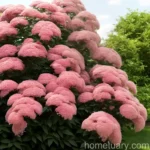
Japanese Spirea (Spiraea japonica ‘Little Princess’): A Complete Guide
Introduction
Plants have always been an integral part of human life. They provide us with food, oxygen, medicine, and contribute to the beauty of our surroundings. One such plant that adds ornamental value to gardens and landscapes is the Japanese spirea, scientifically known as Spiraea japonica ‘Little Princess’. In this comprehensive guide, we will delve into the culture, uses, care, and maintenance of this beautiful shrub. We will also explore its popularity, common diseases, pests, and provide botanist’s tips, along with interesting fun facts.
What is Japanese Spirea (Spiraea japonica ‘Little Princess’)?
Japanese spirea, or Spiraea japonica, is a deciduous flowering shrub that belongs to the rose family (Rosaceae). It is native to East Asia, particularly Japan, China, and Korea. The ‘Little Princess’ cultivar is known for its dwarf, compact nature, making it an ideal choice for small gardens, borders, and urban landscapes. This charming shrub typically features clusters of delicate pink flowers and vibrant foliage, adding a touch of elegance to any garden setting.
Key Takeaways – Japanese Spirea (Spiraea japonica ‘Little Princess’)
Before we delve into the specifics of Japanese spirea care and cultivation, let’s summarize the key takeaways:
- Cultural Insights: Understanding the cultural requirements of Japanese spirea is essential for its successful growth.
- Versatile Uses: Japanese spirea has multifaceted uses, from ornamental landscaping to attracting pollinators.
- Optimal Watering: Proper watering is crucial for maintaining the health and vigor of this shrub.
- Sunlight Requirements: Adequate sunlight is necessary to support the growth and blooming of Japanese spirea.
- Fertilization Practices: Utilizing appropriate fertilization techniques can enhance the overall performance of the shrub.
- Soil Preferences: The right soil conditions play a pivotal role in the well-being and longevity of Japanese spirea.
- Pruning Techniques: Pruning is essential to shape and rejuvenate the shrub, promoting healthy growth and abundant flowering.
- Propagation Methods: Understanding propagation methods can facilitate the expansion of Japanese spirea in your garden or landscape.
- Container Gardening: Japanese spirea can thrive in containers, adding versatility to its cultivation.
- Popularity and Common Diseases: Exploring the popularity of Japanese spirea, along with insights into prevalent diseases and their diagnosis.
- Pest Management: Identifying common pests and employing effective control measures.
- Botanist’s Tips: Expert insights and recommendations for successful care and maintenance of Japanese spirea.
- Fun Facts: Discover interesting and lesser-known facts about Japanese spirea.
Now, let’s explore these facets in detail to unravel the beauty and charm of Spiraea japonica ‘Little Princess’.
Culture
Understanding the cultural requirements of Japanese spirea is crucial for its successful cultivation. From planting to maintenance, following the appropriate cultural practices can ensure the health and vitality of this charming shrub.
Uses
Japanese spirea serves a myriad of purposes, making it a versatile addition to any landscape or garden. Let’s explore various uses of Spiraea japonica ‘Little Princess’:
- Ornamental Value: The attractive foliage and delicate pink flowers make Japanese spirea a popular choice for ornamental landscaping.
- Attracts Pollinators: The nectar-rich flowers of this shrub attract bees, butterflies, and other pollinators, contributing to the ecological diversity of gardens.
- Hedging and Borders: The compact nature of the ‘Little Princess’ cultivar makes it an excellent option for creating hedges and borders in gardens and landscapes.
- Container Gardening: Japanese spirea can thrive in containers, adding a graceful touch to patios, decks, and balconies.
- Erosion Control: Due to its dense growth habit, Japanese spirea can be utilized for erosion control on slopes and embankments.
- Cut Flowers: The charming, pink blooms make beautiful cut flowers, ideal for floral arrangements and indoor decor.
- Wildlife Habitat: The dense foliage provides shelter for small birds and wildlife, contributing to the ecosystem.
Water
Proper watering is essential for the health and vigor of Japanese spirea. While the shrub exhibits good drought tolerance once established, adequate moisture is crucial, especially during the initial establishment phase and extended periods of dry weather.
- Establishment Phase: Newly planted Japanese spirea should be watered regularly to aid in root establishment. Provide sufficient water, ensuring the soil remains evenly moist but not waterlogged.
- Deep Watering: During dry spells, deep watering is beneficial to reach the deeper roots. Water the shrub at the base, allowing the water to penetrate the soil deeply.
- Mulching: Applying a layer of organic mulch around the base of the shrub helps retain soil moisture and reduces water evaporation from the soil surface.
- Avoid Overwatering: While Japanese spirea appreciates moisture, it is important to avoid overwatering, as excessive moisture can lead to root rot and other complications.
Sunlight
Adequate sunlight is crucial for the growth and blooming of Spiraea japonica ‘Little Princess’. Understanding the sunlight requirements of this shrub is vital for its overall performance.
- Full Sun: Japanese spirea thrives in full sun, receiving at least 6-8 hours of direct sunlight per day. Full sun exposure promotes prolific flowering and sturdy growth.
- Partial Shade: While Japanese spirea prefers full sun, it can tolerate partial shade, especially in regions with hot summers. However, reduced sunlight may lead to fewer blooms and elongated growth.
- Morning Sun: In warmer climates, providing morning sun and partial shade during the intense afternoon hours can help prevent sunscald and heat stress while promoting healthy growth.
Fertilizer
Applying the right fertilizers at the appropriate times can significantly enhance the growth, flowering, and overall performance of Japanese spirea. Consider the following fertilization practices for optimal results:
- Balanced Fertilizer: Use a balanced, slow-release fertilizer with equal N-P-K (nitrogen, phosphorus, and potassium) ratios or a formulation specifically designed for flowering shrubs.
- Early Spring Feeding: Apply a granular, slow-release fertilizer formulated for shrubs in early spring, just before the onset of new growth. This helps fuel the shrub’s growth and supports robust flowering.
- Avoid Excessive Nitrogen: While nitrogen is essential for foliage growth, excessive nitrogen can lead to lush foliage at the expense of flowering. Avoid high-nitrogen fertilizers that may disrupt the natural balance of the shrub.
Soil
The right soil conditions are imperative for the healthy growth and longevity of Japanese spirea. Understanding the soil preferences of this shrub is vital for its successful cultivation.
- Well-Draining Soil: Japanese spirea thrives in well-draining, loamy soil with moderate fertility. Avoid waterlogged or excessively compacted soils, as they can lead to root rot and other issues.
- Soil Amendments: Incorporating organic matter such as compost or well-rotted manure into the soil at the time of planting can improve its structure, water retention, and nutrient content.
- pH Level: Japanese spirea adapts well to a slightly acidic to neutral soil pH (around 6.0-7.0). Conduct a soil test to determine the pH of the planting site and make amendments if necessary.
Pruning
Pruning is an essential practice for shaping, rejuvenating, and promoting the health and abundant flowering of Japanese spirea. Familiarizing yourself with the appropriate pruning techniques can ensure the shrub maintains its compact, elegant form.
- Early Spring Pruning: Perform light pruning in early spring to remove any dead, damaged, or crossing branches. This helps maintain the shrub’s shape and allows for better air circulation.
- Post-Flowering Pruning: After the shrub has finished flowering, consider conducting more significant pruning to shape the plant and encourage new growth. Avoid extensive pruning late in the growing season, as it may affect next year’s flowering.
- Renewal Pruning: Every 2-3 years, consider conducting renewal pruning by cutting back one-third of the oldest stems at ground level. This encourages fresh, vigorous growth and rejuvenates the shrub.
- Pruning Tools: Use sharp, clean pruning shears or loppers to make precise cuts, minimizing the risk of damage or disease transmission.
Propagation
Expanding your collection of Japanese spirea can be achieved through various propagation methods. Understanding these techniques can empower you to propagate and share the beauty of Spiraea japonica ‘Little Princess’ in your garden or landscape.
- Softwood Cuttings: Softwood cuttings taken from young, tender shoots in late spring or early summer can be rooted to propagate new plants. Dip the cut ends in a rooting hormone before planting to promote root development.
- Hardwood Cuttings: Hardwood cuttings collected in late fall or winter can also be utilized for propagation. Prepare the cuttings from mature, dormant stems and plant them in a well-draining rooting medium.
- Division: Dividing mature Japanese spirea plants in early spring can yield new, vigorous plants. Carefully separate the root clumps and replant them in suitable locations, ensuring they receive adequate moisture and care during the establishment phase.
Container Popularity
The ‘Little Princess’ cultivar of Japanese spirea is particularly popular for container gardening due to its compact, dwarf nature and graceful appearance. Cultivating this shrub in containers adds versatility and charm to outdoor spaces.
- Container Selection: Choose a spacious, well-draining container with adequate drainage holes to successfully grow Japanese spirea.
- Potting Mix: Utilize a high-quality, well-aerated potting mix specifically formulated for container gardening. The mix should provide good drainage while retaining sufficient moisture.
- Watering Care: Container-grown Japanese spirea may require more frequent watering, especially during the warmer months. Monitor the soil moisture and water the shrub as needed to prevent drought stress.
- Overwintering: In colder climates, consider protecting the container-grown shrub from harsh winter conditions by relocating it to a sheltered area or insulating the container.
Common Diseases
While Japanese spirea is relatively resilient, it can be susceptible to certain diseases that may impact its health and appearance. Understanding common diseases and their diagnosis is essential for effective management.
Disease Diagnosis
Japanese spirea can be affected by various diseases, including:
- Powdery Mildew: This fungal disease appears as a powdery, white coating on the leaves, often leading to leaf distortion and reduced vigor. Proper air circulation and fungicidal sprays can help manage powdery mildew.
- Leaf Spot: Leaf spot diseases manifest as dark or discolored lesions on the foliage, potentially causing leaf drop and defoliation. Removing and disposing of affected leaves and implementing fungicidal treatments can aid in disease control.
Common Pests
Despite its resilience, Japanese spirea may encounter pest infestations that can compromise its health and aesthetic appeal. Identifying common pests and employing effective control measures is crucial in maintaining the shrub’s vitality.
Pest Identification
Japanese spirea may be susceptible to pests such as:
- Aphids: These small, sap-sucking insects can cluster on the tender shoots and foliage, causing leaf distortion and honeydew secretion. Prune affected areas and consider employing natural predators or insecticidal soaps to manage aphid populations.
- Spider Mites: Spider mites are tiny arachnids that can cause stippling and discoloration of the foliage. Regularly spraying the foliage with water and utilizing miticides can help control spider mite infestations.
Botanist’s Tips
As a plant scientist, I’d like to offer some insightful tips and recommendations for the care and maintenance of Japanese spirea, based on my expertise and experience:
- Regular Monitoring: Keep a close eye on the shrub’s growth, foliage, and flowering to promptly address any issues such as diseases or pest infestations.
- Seasonal Maintenance: Implement timely pruning, fertilization, and watering practices based on the seasonal requirements of Japanese spirea to promote its health and vitality.
- Soil Health: Prioritize soil health by incorporating organic matter, monitoring pH levels, and ensuring proper drainage to create an optimal growing environment for the shrub.
- Integrated Pest Management: Embrace a holistic, environmentally-friendly approach to pest management, incorporating natural predators, physical controls, and targeted treatments when necessary.
Fun Facts
Let’s uncover some interesting and lesser-known facts about Japanese spirea that showcase its unique charm and appeal:
- Cultural Significance: In Japanese culture, spirea is associated with the concept of “hanami,” the tradition of flower viewing, particularly cherry blossoms and other ornamental flowers.
- Edible Flowers: The delicate flowers of spirea are edible and can be incorporated into salads, desserts, and beverages, adding a touch of floral elegance to culinary creations.
- Medicinal Uses: In traditional medicine, spirea has been utilized for its astringent and anti-inflammatory properties, often used in herbal remedies.
Links to External Resources
For further exploration of Japanese spirea (Spiraea japonica ‘Little Princess’), I recommend delving into the following resources:
- Royal Horticultural Society – Spiraea japonica ‘Little Princess’
- Missouri Botanical Garden – Spiraea japonica ‘Little Princess’
- University of Florida IFAS Extension – Spiraea japonica
By delving into these resources, you can gain valuable insights and detailed information about the cultivation, care, and unique characteristics of Japanese spirea.
In conclusion, Japanese spirea (Spiraea japonica ‘Little Princess’) stands as a captivating and versatile addition to gardens and landscapes, offering ornamental beauty, ecological value, and cultural significance. By embracing the insights provided in this comprehensive guide, you can embark on a rewarding journey of cultivating, caring for, and appreciating the enchanting allure of this remarkable shrub.
Plant Name: “Japanese spirea (Spiraea japonica ‘Little Princess’)”
Keywords: Spiraea japonica ‘Little Princess’, Japanese spirea ‘Little Princess’, Spiraea japonica cultivar, Little Princess spirea, Spiraea japonica dwarf variety, Spiraea japonica compact shrub, Japanese spiraea ‘Little Princess’ pruning, Spiraea japonica ‘Little Princess’ care, Dwarf spirea variety, Spiraea japonica flowering shrub, Spiraea japonica landscape plant, Japanese spirea ‘Little Princess’ growth habits, Compact shrub for small gardens, Spiraea japonica ‘Little Princess’ maintenance, Dwarf flowering shrub, Spiraea japonica variety for borders, Japanese spiraea ‘Little Princess’ pruning tips, Spiraea japonica ‘Little Princess’ landscaping ideas, Low maintenance shrub for landscapes, Spiraea japonica dwarf blooming shrub, Spiraea japonica ‘Little Princess’ planting guide, Japanese spirea ‘Little Princess’ color variations, Spiraea japonica ‘Little Princess’ pruning techniques, Compact shrub for urban gardens, Spiraea japonica ‘Little Princess’ drought tolerance, Low maintenance flowering shrub, Spiraea japonica ‘Little Princess’ companion plants, Japanese spirea ‘Little Princess’ pest control, Spiraea japonica ‘Little Princess’ bloom time, Dwarf shrub for small spaces, Spiraea japonica ‘Little Princess’ water requirements, Japanese spirea ‘Little Princess’ disease resistance, Spiraea japonica ‘Little Princess’ soil preferences, Spiraea japonica ‘Little Princess’ sun exposure, Dwarf flowering shrub varieties, Spiraea japonica ‘Little Princess’ fertilizer needs, Japanese spirea ‘Little Princess’ pruning schedule, Spiraea japonica ‘Little Princess’ growth rate, Spiraea japonica ‘Little Princess’ winter care, Dwarf shrub for container gardening, Spiraea japonica ‘Little Princess’ natural habitats, Japanese spirea ‘Little Princess’ fall color, Spiraea japonica ‘Little Princess’ root system, Spiraea japonica ‘Little Princess’ pollinator-friendly, Dwarf flowering shrub for borders, Spiraea japonica ‘Little Princess’ hardiness zone, Japanese spirea ‘Little Princess’ seasonal interest, Spiraea japonica ‘Little Princess’ climate adaptability, Compact shrub for hedges, Spiraea japonica ‘Little Princess’ wildlife attraction