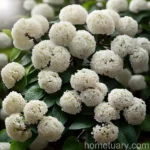
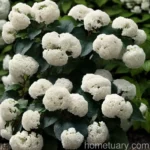
Japanese Snowball (Viburnum plicatum ‘Newzam’ NEWPORT)
Introduction to Japanese Snowball
Viburnum plicatum ‘Newzam’ NEWPORT, commonly known as Japanese snowball, is a stunning ornamental shrub native to Asia, including Japan, Korea, and China. It is a member of the Adoxaceae family and is prized for its exceptional ornamental characteristics, making it a popular choice for gardens, landscapes, and horticultural displays.
Key Takeaways
Japanese Snowball (Viburnum plicatum ‘Newzam’ NEWPORT)
- Scientific Name: Viburnum plicatum ‘Newzam’ NEWPORT
- Common Names: Japanese snowball plant, Viburnum Newport, Japanese snowball Viburnum
- Characteristics: Deciduous shrub with showy white flower clusters, attractive foliage, and a graceful, spreading growth habit
- Planting Tips: Requires well-draining soil, adequate sunlight, and regular watering
- Pruning Guide: Prune after flowering to maintain shape and promote healthy growth
- Landscape Uses: Ideal for hedges, borders, or as a standalone ornamental focal point
- Growth Requirements: Moderate water needs, prefers full sun to partial shade, and well-drained soil
- Disease Resistance: Exhibits good resistance to common diseases
- Soil Preferences: Thrives in moist, fertile soil with good organic content
- Sunlight Needs: Performs best in full sun to partial shade conditions
- Bloom Time: Showy flower clusters appear in late spring to early summer
- Mature Size: Can reach a height and spread of 6-10 feet, creating a substantial presence in the landscape
Culture
Uses
- Japanese snowball is primarily used for ornamental purposes due to its showy flowers, attractive foliage, and graceful growth habit. It is often showcased as a standalone specimen plant, in mixed borders, or as a hedge or screen in garden landscapes.
Water
- Adequate moisture is essential for the healthy growth and development of Japanese snowball. While it does not tolerate waterlogged conditions, it benefits from regular watering, especially during dry periods to maintain soil moisture.
Sunlight
- Japanese snowball thrives in full sun to partial shade conditions. It performs best when provided with at least 4-6 hours of direct sunlight daily. In warmer regions, providing partial shade during the hottest part of the day can help prevent foliage scorch.
Fertilizer
- When it comes to fertilization, Japanese snowball benefits from an application of a balanced, slow-release fertilizer in early spring, before the active growing season. This provides essential nutrients to support healthy growth and vibrant flowering.
Soil
- Well-drained, fertile soil with a slightly acidic to neutral pH is ideal for Japanese snowball. Amending heavy clay soils with organic matter helps improve drainage and enhances the overall soil structure. Mulching around the base of the plant helps retain soil moisture and suppresses weed growth.
Pruning
- Pruning Japanese snowball should be performed after the flowering period to minimize the risk of removing potential bloom sites. Removing dead or damaged wood, shaping the plant, and thinning out crowded growth can promote better air circulation and sunlight penetration, contributing to overall plant health.
Propagation
- Japanese snowball can be propagated by softwood cuttings taken in early summer or hardwood cuttings taken in late autumn or winter. Proper care and attention to humidity, soil moisture, and temperature are essential for the successful propagation of this ornamental shrub.
Container Popularity
- While Japanese snowball is commonly planted in the landscape, it can also be cultivated in containers, making it a versatile choice for small gardens, patios, and urban landscapes. When grown in containers, it is essential to ensure proper drainage and provide adequate space for root development.
Common Diseases
Disease Diagnosis
- Japanese snowball exhibits good resistance to common diseases. However, it may occasionally be susceptible to fungal diseases such as powdery mildew or leaf spot. Proper sanitation, adequate airflow, and avoiding overhead watering can help prevent disease issues.
Common Pests
- Japanese snowball is relatively pest-resistant; however, it may occasionally encounter infestations from aphids, scale insects, or spider mites. Regular monitoring and the use of horticultural oils or insecticidal soaps can help manage pest populations without harming beneficial insects.
Botanist’s Tips
- When selecting a planting location for Japanese snowball, consider its mature size and growth habit to ensure ample space for development without overcrowding. Additionally, integrating companion plants that share similar cultural requirements can enhance the overall aesthetic appeal and ecological value of the landscape.
Fun Facts
- The flowers of Japanese snowball are not only visually appealing but also possess a subtle, sweet fragrance, attracting pollinators such as bees and butterflies to the garden. Additionally, the vibrant fall foliage adds seasonal interest and a burst of color to the landscape.
Links to External Resources
- RHS – Viburnum plicatum f. tomentosum ‘Rowallane’
- Missouri Botanical Garden – Viburnum plicatum var. tomentosum
- The Spruce – The Spruce – How to Grow and Care for Japanese Snowball Bush
- University of Florida IFAS Extension – Viburnum plicatum ‘Newzam’ Newport Japanese Snowball
In conclusion, Japanese snowball (Viburnum plicatum ‘Newzam’ NEWPORT) is a captivating ornamental shrub, revered for its elegant beauty, attractive flowers, and versatile uses in garden landscapes. With the right cultural care and attention to its specific requirements, this stunning shrub can thrive and bring enduring beauty to outdoor spaces, making it a valuable addition to horticultural collections and garden designs.