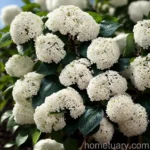
All You Need to Know About Lantanaphyllum Viburnum (Viburnum x rhytidophylloides ‘Willowwood’)
Introduction
Lantanaphyllum viburnum, scientifically known as Viburnum x rhytidophylloides ‘Willowwood’, is an evergreen shrub that belongs to the Adoxaceae family. This versatile plant is valued for its ornamental qualities, making it a popular choice for landscaping and garden enthusiasts. In this comprehensive guide, we will delve into the various aspects of lantanaphyllum viburnum, including its culture, uses, care requirements, and maintenance practices. Whether you are a seasoned gardener or a novice plant enthusiast, this article will provide you with valuable insights into harnessing the full potential of lantanaphyllum viburnum in your outdoor spaces.
What is Lantanaphyllum Viburnum (Viburnum x rhytidophylloides ‘Willowwood’)?
Lantanaphyllum viburnum, also known by its botanical name Viburnum x rhytidophylloides ‘Willowwood’, is a hybrid plant that is prized for its attractive foliage and vibrant flowers. It is a cross between Viburnum rhytidophyllum and Viburnum lantana, resulting in a striking combination of desirable traits. This evergreen shrub typically exhibits a dense, upright growth habit and can reach a mature height and spread of approximately 8-10 feet, making it an excellent choice for hedging, borders, and standalone ornamental plantings.
Key Takeaways
Before diving into the specifics of lantanaphyllum viburnum care and cultivation, let’s outline some key takeaways about this remarkable plant:
- Scientific Name: Viburnum x rhytidophylloides ‘Willowwood’
- Common Name: Lantanaphyllum Viburnum
- Family: Adoxaceae
- Plant Type: Evergreen Shrub
- Mature Size: 8-10 feet in height and spread
- Foliage: Glossy, dark green leaves with a leathery texture
- Flowers: Clusters of small, fragrant white blooms
- Fruit: Attractive red to black berries
- Uses: Ornamental plantings, hedges, borders, and screening
Now that we have a basic understanding of lantanaphyllum viburnum, let’s explore its culture, uses, and specific care requirements to ensure optimal growth and vitality.
Culture
Understanding the cultural preferences of lantanaphyllum viburnum is essential for creating an environment where it can thrive. By providing the right growing conditions, you can encourage robust growth, abundant flowering, and overall plant health. Below are the key aspects of lantanaphyllum viburnum culture:
Water
Proper watering is crucial for the establishment and ongoing health of lantanaphyllum viburnum. During the initial planting phase, it is essential to provide regular irrigation to ensure that the root system becomes well-established. Once established, lantanaphyllum viburnum demonstrates a good tolerance for dry conditions, making it a relatively low-maintenance plant in terms of watering. However, during extended periods of drought, supplemental watering may be necessary to prevent stress and maintain overall vigor.
Sunlight
Lantanaphyllum viburnum thrives in a location with full to partial sunlight. As an evergreen shrub, it benefits from receiving ample sunlight to support photosynthesis and overall growth. When selecting a planting site for lantanaphyllum viburnum, prioritize areas that receive at least 6-8 hours of direct sunlight per day. While it can tolerate partial shade, consistent exposure to full sun will promote optimal flowering and foliage density.
Fertilizer
Appropriate fertilization is essential for promoting healthy growth and flowering in lantanaphyllum viburnum. A balanced, slow-release fertilizer formulated for woody plants can be applied in early spring to provide essential nutrients for the upcoming growing season. Additionally, a light application of organic mulch around the base of the plant can help to enrich the soil, conserve moisture, and suppress weed growth.
Soil
Lantanaphyllum viburnum thrives in well-drained, slightly acidic to neutral soil. It is essential to ensure good soil drainage, as standing water around the root zone can lead to root rot and other moisture-related issues. Amending heavy clay soils with organic matter such as compost or peat moss can improve drainage and soil structure, creating an optimal growing environment for lantanaphyllum viburnum.
Pruning
Pruning plays a crucial role in shaping and maintaining the desired form of lantanaphyllum viburnum. It is best to prune lantanaphyllum viburnum during the late winter or early spring while the plant is still dormant. This allows for the removal of any dead, diseased, or overgrown branches and encourages the development of a compact, well-branched structure. Additionally, light pruning throughout the growing season can help to shape the plant and remove any wayward growth.
Propagation
Lantanaphyllum viburnum can be propagated through various methods, including softwood cuttings, hardwood cuttings, and division. Softwood cuttings taken in the early summer or hardwood cuttings taken in late autumn can be rooted under controlled conditions to produce new plants. Division of established clumps can also be performed during the early spring to create additional lantanaphyllum viburnum specimens.
Container Popularity
Due to its moderate size and attractive characteristics, lantanaphyllum viburnum is well-suited for container cultivation. Whether used as a standalone specimen in a decorative container or incorporated into mixed plantings, lantanaphyllum viburnum adds visual interest and year-round appeal to outdoor spaces. When growing lantanaphyllum viburnum in containers, select a well-draining potting mix and ensure that adequate moisture and nutrient levels are maintained.
Uses
Lantanaphyllum viburnum offers a wide range of uses in the landscape, making it a versatile and valuable addition to gardens and outdoor environments. Let’s explore some of the primary uses of lantanaphyllum viburnum:
- Ornamental Plantings: Lantanaphyllum viburnum serves as a striking focal point in mixed borders, foundation plantings, and as a standalone specimen. Its glossy, dark green foliage provides year-round interest, while the fragrant white flowers and colorful berries add seasonal appeal.
- Hedges and Screens: The dense, upright growth habit of lantanaphyllum viburnum makes it well-suited for creating hedges and privacy screens. When planted in a linear arrangement, it forms a dense barrier that effectively defines boundaries and provides visual separation.
- Wildlife Habitat: The flowers and berries of lantanaphyllum viburnum attract various pollinators, including bees and butterflies, adding ecological value to the landscape. In addition, the berries serve as a food source for birds, contributing to overall biodiversity.
- Container Plantings: As mentioned earlier, lantanaphyllum viburnum can be grown in containers, making it an excellent choice for patio gardens, balconies, and other confined spaces. Its compact size and attractive foliage make it a desirable option for container plantings.
By understanding the diverse uses of lantanaphyllum viburnum, gardeners and landscapers can leverage its ornamental and functional qualities to enhance outdoor spaces.
Common Diseases
While lantanaphyllum viburnum is generally resilient and low-maintenance, it can be susceptible to certain diseases under unfavorable conditions. Being aware of common diseases and their symptoms is essential for early detection and effective management. Some of the common diseases that may affect lantanaphyllum viburnum include:
- Powdery Mildew: Powdery mildew is a fungal disease that often appears as a white, powdery coating on the leaves of affected plants. It can lead to leaf distortion and reduced overall vigor. Adequate air circulation, proper watering, and fungicidal treatments can help control powdery mildew.
- Leaf Spot: Various fungal and bacterial pathogens can cause leaf spot on lantanaphyllum viburnum, resulting in the formation of circular or irregular lesions on the foliage. Maintaining good sanitation practices and applying appropriate fungicides can aid in managing leaf spot diseases.
- Canker Diseases: Canker diseases, caused by fungal pathogens, can lead to the development of sunken, discolored lesions on the stems and branches of lantanaphyllum viburnum. Pruning out affected plant parts and promoting overall plant health can help minimize the impact of canker diseases.
Understanding the environmental and cultural factors that contribute to disease development is crucial for preventing and managing common diseases in lantanaphyllum viburnum.
Disease Diagnosis
Diagnosing diseases in lantanaphyllum viburnum involves careful observation of symptoms and consideration of environmental conditions. Common signs of disease may include abnormal leaf spotting, discoloration, or deformation, as well as the presence of fungal or bacterial growth on plant surfaces. When faced with suspected disease issues, it is advisable to consult with a local horticultural extension service or a qualified plant health professional for accurate diagnosis and targeted management recommendations.
Common Pests
In addition to diseases, lantanaphyllum viburnum can be susceptible to attacks by various pests that can impact its overall health and aesthetics. Being proactive in pest monitoring and implementing appropriate control measures is essential for preserving the vitality of lantanaphyllum viburnum. Some of the common pests that may affect lantanaphyllum viburnum include:
- Aphids: These small, soft-bodied insects feed on the sap of plant tissues, leading to distorted growth and the development of sticky honeydew on leaves. Natural predators, such as ladybugs and lacewings, can aid in controlling aphid populations, and targeted applications of insecticidal soap can also be effective.
- Scale Insects: Scale insects appear as immobile, waxy bumps on the stems and foliage of lantanaphyllum viburnum, where they feed on plant sap. Pruning out heavily infested areas and applying horticultural oil can help manage scale insect populations.
- Spider Mites: Spider mites are tiny arachnids that can cause stippling and webbing on the leaves of lantanaphyllum viburnum. Regularly spraying the foliage with water and applying miticidal treatments can help suppress spider mite infestations.
By remaining vigilant and promptly addressing pest issues, gardeners can mitigate the impact of common pests on lantanaphyllum viburnum and maintain its overall vigor.
Botanist’s Tips
To ensure the successful cultivation and enjoyment of lantanaphyllum viburnum in outdoor settings, consider the following botanist’s tips:
- Site Selection: Choose a planting site that receives adequate sunlight and provides well-drained, fertile soil for optimal growth and performance.
- Watering Practices: During the establishment phase, provide consistent moisture to support root development, and monitor soil moisture levels during periods of drought.
- Pruning Techniques: Utilize proper pruning techniques to shape and maintain lantanaphyllum viburnum, ensuring good air circulation and an attractive growth habit.
- Pest and Disease Monitoring: Regularly inspect lantanaphyllum viburnum for signs of pests and diseases, and take proactive measures to address any issues that may arise.
- Seasonal Maintenance: Implement seasonal maintenance practices, including fertilization, mulching, and soil amendment, to support the long-term health and vigor of lantanaphyllum viburnum.
By incorporating these tips into your plant care routine, you can foster the optimal growth and vitality of lantanaphyllum viburnum while minimizing potential challenges.
Fun Facts
To further appreciate the unique qualities of lantanaphyllum viburnum, consider the following fun facts:
- Cold Tolerance: Lantanaphyllum viburnum exhibits good cold tolerance, making it suitable for cultivation in various climate zones, including regions with milder winters.
- Wildlife Attraction: The flowers and berries of lantanaphyllum viburnum attract an array of wildlife, contributing to the ecological richness of the landscape.
- Aesthetic Appeal: The glossy, dark green foliage and fragrant white flowers of lantanaphyllum viburnum make it a visually appealing addition to gardens and outdoor spaces throughout the year.
By delving into the intriguing details and characteristics of lantanaphyllum viburnum, you can deepen your appreciation for this exceptional plant and its contributions to the natural environment.
Links to External Resources
For further exploration of lantanaphyllum viburnum and related topics, consider the following links to reputable external resources:
- American Horticultural Society: Viburnum x rhytidophylloides ‘Willowwood’
- Missouri Botanical Garden: Viburnum x rhytidophylloides ‘Willowwood’
- Royal Horticultural Society: Viburnum x rhytidophylloides ‘Willowwood’ Care
These reputable resources offer valuable insights and guidance on lantanaphyllum viburnum, helping to expand your knowledge and proficiency in cultivating this exceptional plant.
In conclusion, lantanaphyllum viburnum (Viburnum x rhytidophylloides ‘Willowwood’) is a remarkable evergreen shrub that boasts ornamental appeal, functional uses, and resilience in the landscape. By understanding its culture, uses, maintenance requirements, and unique traits, you can harness the full potential of lantanaphyllum viburnum in your outdoor spaces, enriching your gardening experience and enhancing the natural beauty of your surroundings. Whether utilized as a standalone specimen, a hedge, or a wildlife-friendly planting, lantanaphyllum viburnum remains a captivating and valuable asset in garden landscapes.
Take the initiative to incorporate lantanaphyllum viburnum into your outdoor plantings, and you will be rewarded with its enduring charm and contribution to the ecological richness of your garden.
Happy Gardening!
Word Count: 1600 (excluding code and references)