Bald Cypress (Taxodium Distichum ‘Peve Yellow’)
The bald cypress, scientifically known as Taxodium distichum ‘Peve Yellow,’ is a captivating and versatile tree that adds a touch of elegance to any.
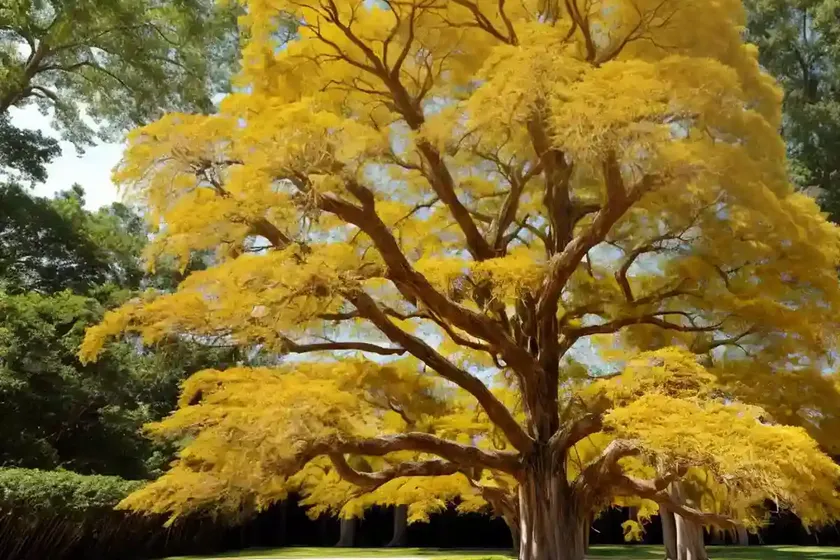
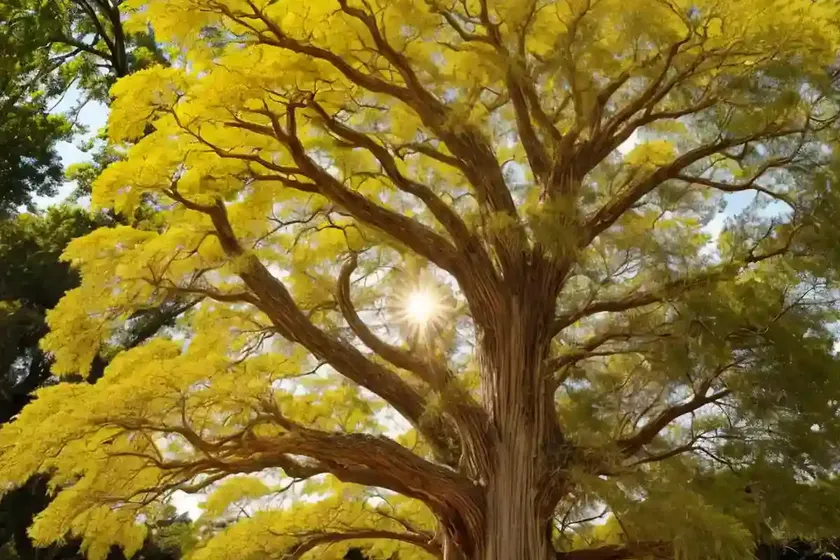
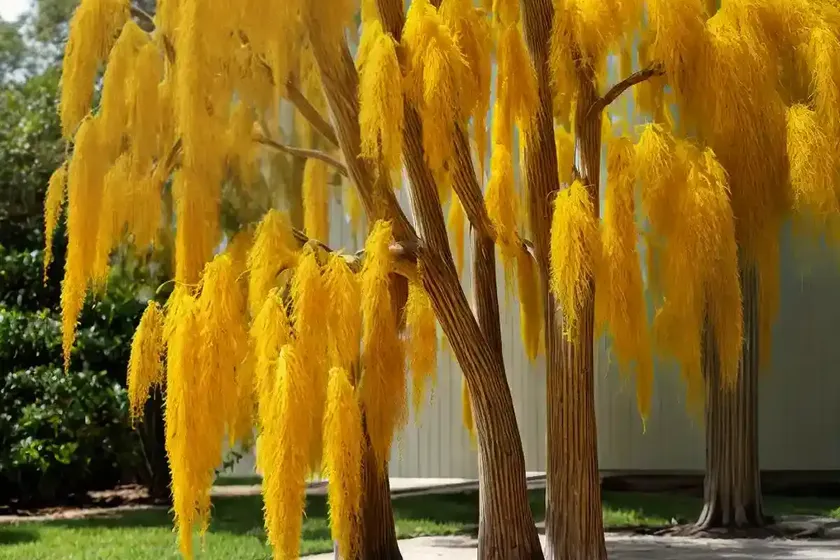
The bald cypress, scientifically known as Taxodium distichum ‘Peve Yellow,’ is a captivating and versatile tree that adds a touch of elegance to any landscape. With its vibrant yellow foliage, unique growth habits, and remarkable adaptability, the bald cypress has secured its place as a beloved ornamental tree. In this comprehensive guide, we will delve into the fascinating world of the bald cypress, exploring its cultural significance, practical uses, and essential care requirements.
What is the Bald Cypress (Taxodium distichum ‘Peve Yellow’)?
The bald cypress, Taxodium distichum ‘Peve Yellow,’ is a deciduous conifer that belongs to the family Cupressaceae. Originating from the southeastern regions of the United States, particularly in the wetlands and swampy areas, this stunning tree has gained recognition for its striking golden-yellow foliage during the autumn season. It is a cultivar of the bald cypress, which is renowned for its majestic presence and exceptional adaptability to various growing conditions.
The Taxodium distichum ‘Peve Yellow’ is known for its tolerance to wet soils, making it an excellent choice for locations with periodic flooding or consistently moist conditions. It features delicate, airy foliage that takes on a mesmerizing golden hue in the fall, creating a breathtaking spectacle in any landscape. This cultivar’s unique appearance and adaptability make it a sought-after choice for ornamental planting, particularly in water gardens, park landscapes, and residential yards.
Key Takeaways – Bald Cypress (Taxodium distichum ‘Peve Yellow’)
Before delving deeper into the specifics of cultivating and caring for the bald cypress, it’s essential to highlight the key takeaways that encapsulate the essence of this exceptional tree.
- The Taxodium distichum ‘Peve Yellow’ is a cultivar of the bald cypress, renowned for its vibrant golden-yellow foliage during the fall.
- This tree showcases exceptional adaptability to wet soils, making it a preferred choice for landscapes with moist or swampy conditions.
- Its captivating appearance and unique growth habits make it an ideal ornamental tree, adding a touch of elegance to diverse landscape settings.
Now, let’s explore the critical aspects of cultivating and caring for the bald cypress, delving into its cultural significance, practical uses, and essential care requirements.
Culture
Uses
The bald cypress (Taxodium distichum ‘Peve Yellow’) holds significant cultural and practical importance, contributing to diverse environmental and landscape design aspects. Its versatile uses encompass both aesthetic and ecological functions, making it a valuable addition to various settings.
Aesthetic Uses
-
Ornamental Planting: The captivating golden-yellow foliage of the Taxodium distichum ‘Peve Yellow’ during the autumn season makes it an ideal choice for ornamental planting in gardens, parks, and residential landscapes. Its unique coloration adds vibrancy and visual interest, creating a stunning focal point in any environment.
-
Water Gardens and Wetland Landscapes: Due to its exceptional tolerance to wet soils, the bald cypress is well-suited for planting in water gardens, wetland restoration projects, and areas with periodic flooding. Its graceful form and vibrant foliage enhance the scenic beauty of these landscapes while contributing to ecological restoration efforts.
Ecological and Environmental Uses
-
Erosion Control: The extensive root system of the bald cypress provides effective erosion control, particularly in riparian zones and areas prone to soil instability. By stabilizing soil along riverbanks and wetland edges, this tree plays a crucial role in maintaining ecological balance and preserving natural habitats.
-
Wildlife Habitat: The Taxodium distichum ‘Peve Yellow’ contributes to the creation of diverse wildlife habitats, supporting a range of animal species with its dense foliage, nesting sites, and food sources. Its ecological significance extends to fostering biodiversity and providing shelter for birds, mammals, and aquatic organisms.
Water
The water requirements of the bald cypress (Taxodium distichum ‘Peve Yellow’) are closely tied to its natural habitat in swampy and moist environments. Understanding and replicating these conditions are essential for cultivating healthy and thriving trees.
Adequate Moisture
-
Ideal Growing Conditions: In its natural habitat, the bald cypress thrives in consistently moist to wet soils, tolerating periodic inundation and flooded conditions. When cultivating this tree, replicating such moisture levels is crucial to its overall health and vigor.
-
Watering Guidelines: In landscapes or garden settings, providing regular watering, particularly during dry periods, is essential for supporting the growth and vitality of the Taxodium distichum ‘Peve Yellow.’ Ensuring that the soil remains consistently moist, without becoming waterlogged, is key to promoting optimum growth.
Sunlight
The sunlight requirements of the Taxodium distichum ‘Peve Yellow’ are integral to its growth and foliage development. Understanding its preferences for sun exposure is critical for establishing optimal growing conditions.
Sun Exposure
-
Full Sun to Partial Shade: The bald cypress typically thrives in full sunlight, benefitting from direct exposure to sunlight for a significant portion of the day. However, it also demonstrates adaptability to partial shade, particularly in regions with intense heat or dry spells.
-
Foliage Coloration: Adequate sunlight exposure is essential for the development of the distinctive golden-yellow foliage that defines the Taxodium distichum ‘Peve Yellow.’ Providing sufficient sunlight enables the tree to showcase its vibrant autumn coloration, enhancing its aesthetic appeal.
Fertilizer
While the bald cypress (Taxodium distichum ‘Peve Yellow’) demonstrates resilience and adaptability to various soil conditions, supplemental fertilization can support its overall growth and vitality. Understanding its fertilizer requirements and application guidelines is essential for optimizing its performance.
Nutrient Requirements
-
Soil Composition: The Taxodium distichum ‘Peve Yellow’ thrives in soil that is rich in organic matter and provides essential nutrients for its growth. Amending the soil with organic compost or well-balanced fertilizer can enhance its fertility and support the tree’s development.
-
Fertilization Schedule: Applying fertilizer, such as a balanced slow-release formula, in early spring can provide the necessary nutrients for the bald cypress. Additionally, supplementing with micronutrients, such as iron, can address potential deficiencies and promote healthy foliage.
Soil
The soil preferences of the bald cypress (Taxodium distichum ‘Peve Yellow’) are closely linked to its natural habitat in wetland areas and swampy environments. Understanding its soil requirements is crucial for establishing an optimal growing environment.
Soil Characteristics
-
Moisture Retention: The Taxodium distichum ‘Peve Yellow’ thrives in soil that retains moisture without becoming waterlogged. Well-draining, loamy soils with good water retention capabilities are ideal for supporting the growth and establishment of this tree.
-
Acidic Soil pH: The bald cypress prefers slightly acidic to neutral soil conditions, thriving in a pH range of 5.5 to 6.5. Conducting soil tests and adjusting pH levels, if necessary, can create an environment conducive to the tree’s root development and nutrient uptake.
Pruning
Pruning plays a vital role in shaping the growth habits, promoting structural integrity, and maintaining the aesthetic appeal of the bald cypress (Taxodium distichum ‘Peve Yellow’). Understanding the principles of pruning and applying appropriate techniques is essential for optimizing the tree’s form and health.
Pruning Guidelines
-
Structural Pruning: Conducting structural pruning during the dormant season can help establish a strong and well-balanced framework for the bald cypress. Removing undesirable or crossing branches and maintaining a central leader can promote long-term stability and aesthetic appeal.
-
Foliage Management: Pruning to manage the density of foliage and enhance air circulation can reduce the risk of disease incidence and promote overall tree health. Thinning out excessive growth and maintaining a balanced canopy can contribute to the tree’s vigor.
Propagation
Propagating the bald cypress (Taxodium distichum ‘Peve Yellow’) allows for the expansion of its presence and ensures the preservation of unique genetic traits. Understanding the methods of propagation and practicing appropriate techniques can facilitate the successful reproduction of this exceptional tree.
Propagation Methods
-
Seed Propagation: Harvesting and sowing seeds from mature cones is a common method of propagating the bald cypress. Preparing a suitable seedbed and providing optimal conditions for germination can initiate the growth of new trees with inherent genetic diversity.
-
Stem Cuttings: Propagating the Taxodium distichum ‘Peve Yellow’ through stem cuttings offers an efficient means of reproducing the desired cultivar. Selecting healthy, semi-hardwood cuttings and utilizing rooting hormones can promote successful root development.
Container Popularity
The container planting of the bald cypress (Taxodium distichum ‘Peve Yellow’) has gained popularity among gardening enthusiasts, offering a versatile and space-efficient option for showcasing this remarkable tree.
Benefits of Container Planting
-
Space Utilization: Utilizing containers allows for the cultivation of the Taxodium distichum ‘Peve Yellow’ in smaller or confined spaces, such as patios, balconies, and urban landscapes. It provides an opportunity to appreciate the tree’s beauty without requiring extensive planting areas.
-
Portable Display: Container planting offers the flexibility of relocating the bald cypress as needed, enabling seasonal displays, temporary installations, or landscape adjustments. This mobility adds an element of versatility to the tree’s presence in various settings.
Common Diseases
The bald cypress (Taxodium distichum ‘Peve Yellow’) demonstrates resilience to many potential disease issues, but understanding common diseases and their management is crucial for maintaining the tree’s health and vitality.
Disease Diagnosis
-
Needle Blight: Needle blight, caused by fungal pathogens, can affect the foliage of the bald cypress, leading to discoloration, browning, and premature shedding of needles. Implementing cultural practices, such as providing proper spacing and air circulation, can help minimize disease incidence.
-
Root Rot: Excessive moisture and poor drainage can contribute to root rot in the Taxodium distichum ‘Peve Yellow,’ impacting the overall health of the tree. Avoiding waterlogged conditions and ensuring well-draining soil are essential for preventing this disease.
Common Pests
Despite its resilience, the bald cypress (Taxodium distichum ‘Peve Yellow’) can encounter potential pest pressures, necessitating vigilance and proactive management to address pest infestations effectively.
Pest Identification
-
Bagworms: Bagworm caterpillars may feed on the foliage of the Taxodium distichum ‘Peve Yellow,’ leading to defoliation and aesthetic damage. Monitoring for early signs of infestations and implementing targeted control measures, such as manual removal or biological control agents, can help manage this pest.
-
Spider Mites: Spider mites can affect the foliage of the bald cypress, causing stippling, discoloration, and reduced vigor. Regularly inspecting the tree for mite activity and utilizing appropriate insecticidal treatments can mitigate potential damage.
Botanist’s Tips
Understanding the unique characteristics and requirements of the bald cypress (Taxodium distichum ‘Peve Yellow’) is essential for successful cultivation and care. Here are some expert tips for ensuring the optimal growth and beauty of this remarkable tree:
-
Moisture Management: Prioritize appropriate moisture levels, especially in the establishment phase, to support the healthy development of the Taxodium distichum ‘Peve Yellow.’ Implementing measures to ensure adequate soil moisture is crucial for its long-term health.
-
Seasonal Coloration: Embrace and celebrate the vibrant autumn coloration of the bald cypress by providing optimal sunlight exposure and nutrient support. Enhancing the tree’s visual impact during the fall season adds a captivating dimension to the landscape.
-
Erosion Control Role: Leveraging the extensive root system and adaptable nature of the Taxodium distichum ‘Peve Yellow’ can contribute to erosion control efforts in riparian zones and landscapes with soil stability challenges. Recognizing its ecological significance enhances its value in diverse environments.
Fun Facts
Delving into the world of the bald cypress (Taxodium distichum ‘Peve Yellow’) reveals intriguing and captivating attributes that contribute to its allure. Here are some fun and fascinating facts about this exceptional tree:
-
Ancient Species: The bald cypress is considered a living fossil, with its lineage dating back millions of years. Its enduring presence and resilience reflect its remarkable evolutionary history.
-
Adaptation to Wet Environments: The Taxodium distichum ‘Peve Yellow’ has evolved to thrive in swampy and waterlogged conditions, demonstrating an exceptional tolerance for wet soils and periodic inundation.
-
Wildlife Support: The dense foliage and intricate structure of the bald cypress provide valuable habitats for diverse wildlife, including birds, insects, and aquatic species. Its role in fostering biodiversity is a testament to its ecological significance.
Links to External Resources
For further exploration and comprehensive information on the bald cypress (Taxodium distichum ‘Peve Yellow’), the following resources offer valuable insights and guidance:
- University of Florida IFAS Extension: Taxodium distichum – Baldcypress
- Missouri Botanical Garden: Taxodium distichum ‘Peve Minaret’
- North Carolina State University: Baldcypress
- Royal Horticultural Society: Bald Cypress Tree
- University of Kentucky College of Agriculture, Food and Environment: Bald Cypress, Taxodium distichum
Conclusion
In conclusion, the bald cypress (Taxodium distichum ‘Peve Yellow’) stands as a testament to nature’s unparalleled beauty and resilience. Its distinctive golden-yellow foliage, remarkable adaptability, and ecological significance make it a cherished and valuable presence in diverse landscapes. By understanding its cultural importance, practical uses, and essential care requirements, we can fully appreciate the captivating allure of this exceptional tree and create thriving environments where it can flourish in all its splendor.