Japanese Pieris (Pieris Japonica ‘Valley Valentine’)
In a world filled with a diverse array of plants, Japanese pieris (Pieris japonica ‘Valley Valentine’) stands out as a captivating and resilient shrub..
In a world filled with a diverse array of plants, Japanese pieris (Pieris japonica ‘Valley Valentine’) stands out as a captivating and resilient shrub. Renowned for its beauty, this plant is a favorite among gardeners and landscaping enthusiasts, cherished not only for its ornamental value but also for its ease of maintenance and versatility. In this comprehensive guide, we will delve deep into the world of Japanese pieris, exploring its culture, uses, care requirements, and much more. Whether you are a seasoned gardener or just starting out, this insightful resource will provide you with valuable insights into unlocking the full potential of the Japanese pieris in your outdoor spaces. Let’s embark on this fascinating journey to discover the secrets of the captivating Japanese pieris.
What is Japanese Pieris?
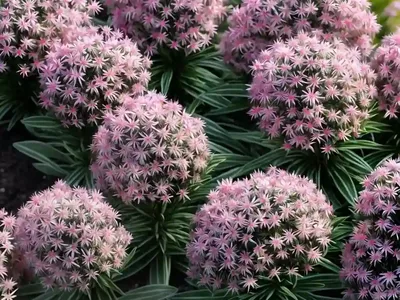
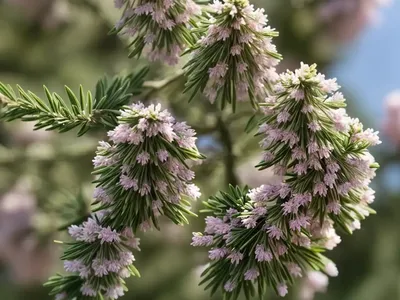
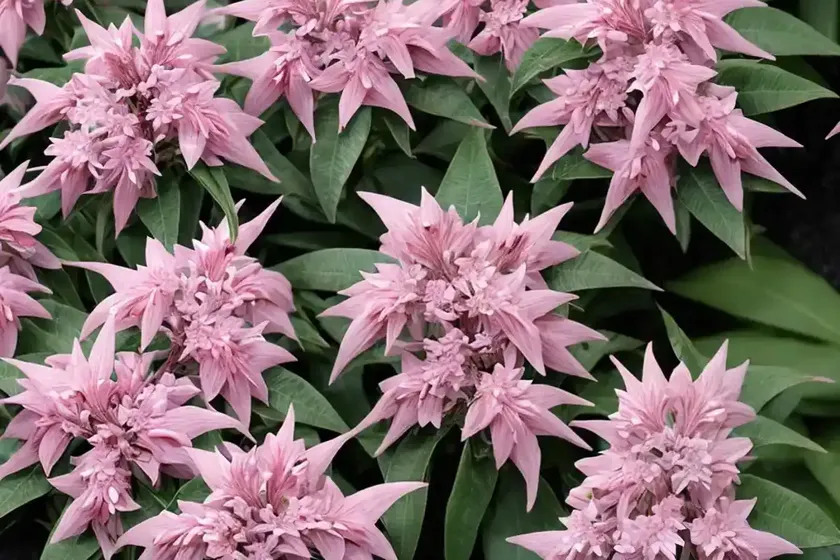
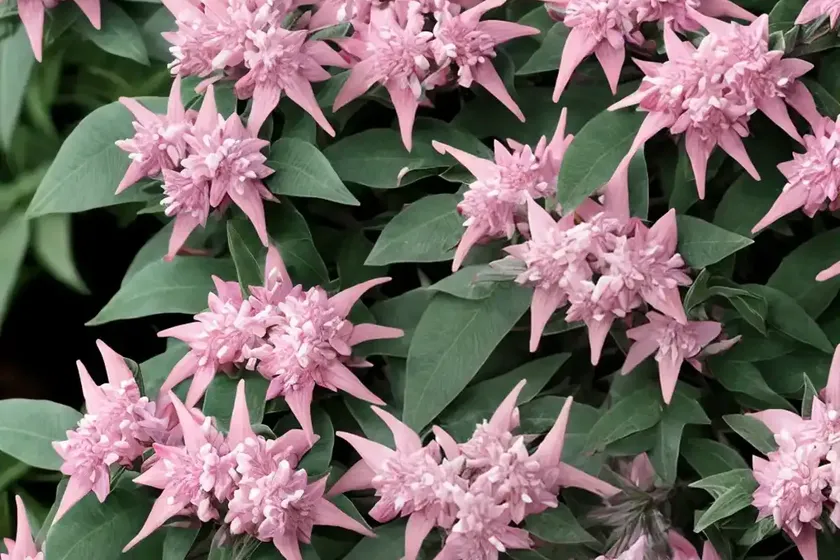
Japanese pieris, scientifically known as Pieris japonica, is an evergreen shrub that belongs to the family Ericaceae. Native to eastern Asia, including China, Taiwan, and Japan, this plant is cherished for its striking foliage, vibrant flowers, and its adaptability to a variety of growing conditions. The ‘Valley Valentine’ variety, in particular, is celebrated for its elegant, drooping clusters of deep pink flowers that emerge in late winter to early spring, adding a burst of color to the landscape.
Key Takeaways – Japanese Pieris (Pieris japonica ‘Valley Valentine’)
Before we delve into the intricacies of caring for the Japanese pieris, let’s take a moment to understand its key features and benefits. Here are the main highlights of the Japanese pieris, particularly the ‘Valley Valentine’ variety:
- Striking evergreen shrub with captivating foliage and vibrant, drooping clusters of deep pink flowers.
- Adaptable and suitable for a wide range of landscaping applications, from ornamental borders to container gardening.
- Low-maintenance and relatively pest and disease resistant, making it an excellent choice for beginners and seasoned gardeners alike.
- Offers year-round interest with its attractive foliage and impressive floral display during the blooming season.
Now that we have a glimpse of the remarkable traits of the Japanese pieris, let’s explore the various aspects of its culture, uses, and care requirements to ensure that it thrives in your garden or outdoor space.
Culture
Understanding the cultural needs of the Japanese pieris is essential for creating an environment where it can flourish and express its full splendor. From soil requirements to pruning techniques, let’s delve into the cultural aspects of cultivating the ‘Valley Valentine’ pieris.
Uses
Japanese pieris, especially the ‘Valley Valentine’ variety, offers a myriad of uses in landscaping and garden design. Here are some common applications of this versatile shrub:
- Ornamental Borders: The vibrant pink flowers and evergreen foliage make the Japanese pieris a stellar choice for delineating borders and adding a pop of color to garden edges.
- Container Gardening: The compact nature of the ‘Valley Valentine’ pieris makes it an excellent candidate for container planting, allowing you to showcase its beauty on patios, balconies, and other outdoor spaces.
- Accent Plant: Use the Japanese pieris as a focal point in your landscape design, drawing attention to its elegant form and captivating blooms.
- Wildlife Gardens: The nectar-rich flowers attract pollinators, making the ‘Valley Valentine’ pieris a valuable addition to wildlife-friendly gardens.
- Seasonal Interest: Whether in the form of stunning flowers or rich foliage, the Japanese pieris contributes to year-round visual appeal in gardens and outdoor environments.
Water
Pieris japonica ‘Valley Valentine’ thrives in moist, well-drained soil and benefits from regular watering, particularly during periods of dryness. However, it is important to avoid waterlogging, as excessive moisture can lead to root rot and other complications. When established, this shrub displays moderate drought tolerance, but consistent watering is essential, especially during the establishment phase and in hot, dry conditions.
Sunlight
In terms of sunlight requirements, the ‘Valley Valentine’ pieris performs best in partial shade to full sun. While it can tolerate some morning sun, providing afternoon shade can help protect the plant from the intense heat and prevent its foliage from becoming scorched. When selecting a planting site, consider a location that offers dappled sunlight or moderate shade for optimal growth and flowering.
Fertilizer
Japanese pieris, including the ‘Valley Valentine’ variety, benefits from regular fertilization to support healthy growth and prolific flowering. During the growing season, apply a balanced, slow-release fertilizer formulated for acid-loving plants. Be sure to follow the manufacturer’s recommendations regarding application rates and timing, and avoid over-fertilization, which can lead to nutrient imbalances and potential damage to the plant.
Soil
Acidic and well-drained soil is essential for the successful cultivation of Pieris japonica ‘Valley Valentine’. This plant thrives in humus-rich, slightly acidic soil with a pH range of 5.5 to 6.5. If your garden soil does not meet these specifications, amending it with organic matter, such as peat moss or compost, can help create a suitable growing environment for the Japanese pieris. Additionally, incorporating organic mulch around the base of the plant can aid in moisture retention and soil structure improvement.
Pruning
Pruning plays a vital role in shaping the growth of the ‘Valley Valentine’ pieris, promoting air circulation, and maintaining its aesthetic appeal. Prune the shrub immediately after flowering to encourage new growth and budding for the following season. Remove dead or damaged branches, and consider lightly shaping the plant to achieve the desired form and density. Take care not to remove an excessive amount of foliage, as this can stress the plant and impede its ability to recover effectively.
Propagation
Propagation of Pieris japonica ‘Valley Valentine’ can be achieved through various methods, including:
- Softwood Cuttings: Harvest soft, new growth from the plant in late spring to early summer and root the cuttings in a suitable propagation medium, such as a mix of perlite and peat moss.
- Layering: Encourage the formation of roots on a low-growing branch by bending it to the ground, wounding the underside, and covering it with soil. Once roots have developed, the branch can be separated and transplanted as a new plant.
- Semi-hardwood Cuttings: Gather semi-matured growth from the plant in mid to late summer and propagate it using the same technique as softwood cuttings, adjusting the timing to align with the growth stage of the plant.
Experiment with these propagation methods to expand your collection of Japanese pieris or share the beauty of the ‘Valley Valentine’ variety with friends and fellow gardening enthusiasts.
Container Popularity
Due to its compact size and ornamental appeal, Pieris japonica ‘Valley Valentine’ is a popular choice for container gardening. Whether displayed on patios, incorporated into balcony gardens, or showcased in courtyard settings, this shrub thrives in containers when provided with the appropriate growing conditions. When planting the ‘Valley Valentine’ pieris in containers, select a well-draining potting mix designed for acid-loving plants and ensure that the container has adequate drainage holes to prevent waterlogging. Regular watering and fertilization are crucial for container-grown Japanese pieris, as the limited soil volume can lead to faster moisture depletion and nutrient exhaustion.
Common Diseases
As with any plant, Japanese pieris is susceptible to certain diseases that can affect its overall health and vigor. By familiarizing yourself with the common diseases and their management strategies, you can safeguard your ‘Valley Valentine’ pieris against potential threats.
Disease Diagnosis
Keep a vigilant eye on your Pieris japonica ‘Valley Valentine’ to detect signs of potential diseases, including:
- Leaf Spot: Manifesting as dark or discolored spots on the foliage, leaf spot can be caused by various fungal pathogens. Maintain good air circulation around the plant and avoid overhead watering to minimize the risk of this disease. If detected, promptly remove and dispose of affected foliage to prevent the spread of the infection.
- Powdery Mildew: Characterized by a white, powdery coating on the leaves, powdery mildew can hinder the growth and vitality of the ‘Valley Valentine’ pieris. Ensure proper spacing and adequate ventilation around the plant, and consider applying a suitable fungicidal spray to combat this fungal disease.
- Root Rot: Excessive soil moisture and poor drainage can lead to root rot, resulting in wilting, yellowing foliage, and overall decline of the plant. Address underlying drainage issues and adjust watering practices to prevent the development of root rot.
By proactively monitoring your Japanese pieris for signs of disease and promptly addressing any issues that arise, you can maintain its health and resilience in the garden.
Common Pests
Several pests may target the Japanese pieris, posing potential threats to its well-being. Understanding the common pests and implementing appropriate control measures is crucial for preserving the vitality and beauty of the ‘Valley Valentine’ variety.
Botanist’s Tips
As a botanist specializing in ornamental plants, I offer the following tips for successfully growing and caring for Pieris japonica ‘Valley Valentine’:
- Mulching: Apply a layer of organic mulch around the base of the shrub to conserve moisture, suppress weed growth, and improve soil structure. Avoid piling the mulch against the stem or trunk of the plant to prevent potential issues with excess moisture and fungal diseases.
- Seasonal Maintenance: Conduct regular inspections and maintenance tasks, such as pruning, fertilizing, and pest management, to support the overall health and vigor of the Japanese pieris throughout the year.
- Companion Planting: Integrate companion plants with similar cultural requirements to accompany the ‘Valley Valentine’ pieris, creating visually harmonious and ecologically beneficial garden spaces.
Fun Facts
As we conclude our exploration of the Japanese pieris, here are some intriguing and lesser-known facts about this captivating shrub:
- The Japanese pieris is often referred to as “Andromeda” in some regions, adding to the mystique and allure of this plant.
- In traditional folklore, the pieris plant is associated with various symbolic meanings and cultural significance, reflecting its enduring presence in human history and mythology.
- While the ‘Valley Valentine’ variety is celebrated for its pink flowers, Japanese pieris is available in a range of cultivars and varieties, offering diverse options for gardeners and landscapers.
Understanding the rich heritage, cultural significance, and horticultural potential of the Japanese pieris adds depth to our appreciation of this remarkable plant.
Links to External Resources
To further enrich your knowledge and explore additional insights related to Japanese pieris and gardening, I recommend the following resources:
- Royal Horticultural Society – Pieris
- University of Florida Extension – Pieris Japonica
- American Camellia Society – Growing Azaleas, Camellias, and Rhododendrons
These reputable sources offer valuable information on plant care, landscaping techniques, and horticultural best practices, empowering you to enhance your gardening skills and create stunning outdoor environments enriched by the beauty of the Japanese pieris.
In conclusion, the Japanese pieris, exemplified by the enchanting ‘Valley Valentine’ variety, holds a cherished place in the realm of ornamental plants and landscaping. Its evergreen charm, delightful blooms, and adaptability make it a treasure for both novice and experienced gardeners. By understanding and embracing the cultural nuances, uses, and care requirements of the Japanese pieris, you can embark on a fulfilling journey of integrating this captivating shrub into your outdoor spaces. May the beauty and resilience of the Japanese pieris inspire your gardening endeavors and elevate the allure of your natural surroundings.
Thank you for accompanying me on this enlightening exploration of the quintessential Japanese pieris.