Japanese Pieris (Pieris Japonica ‘Red Mill’)
Welcome to another detailed plant care guide! In this article, we will explore the exquisite Japanese pieris, scientifically known as Pieris japonica ‘Red.
Introduction
Welcome to another detailed plant care guide! In this article, we will explore the exquisite Japanese pieris, scientifically known as Pieris japonica ‘Red Mill’. This evergreen shrub is renowned for its stunning foliage and blossoms, making it a popular choice among gardeners and landscapers. Throughout this guide, we will delve into the culture, uses, maintenance, and everything you need to know about caring for the Japanese pieris. Let’s embark on this insightful journey into the world of Pieris japonica ‘Red Mill’.
What is Japanese Pieris (Pieris japonica ‘Red Mill’)?
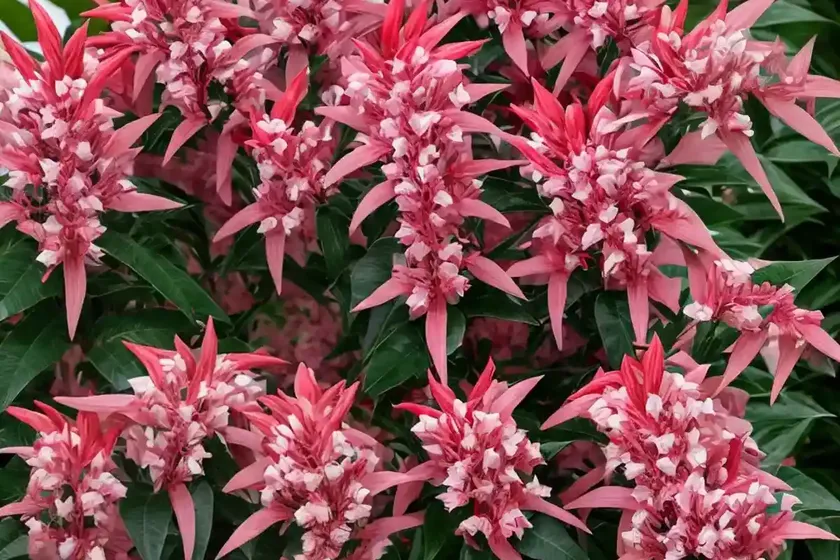
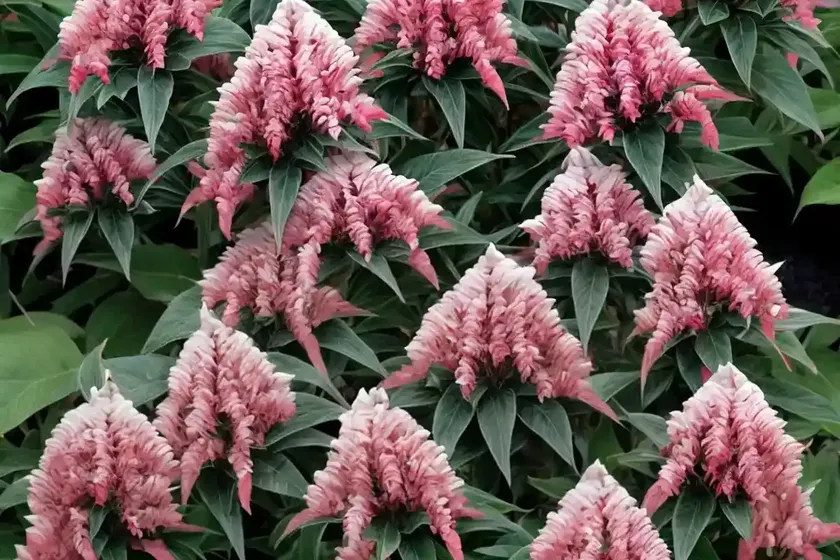
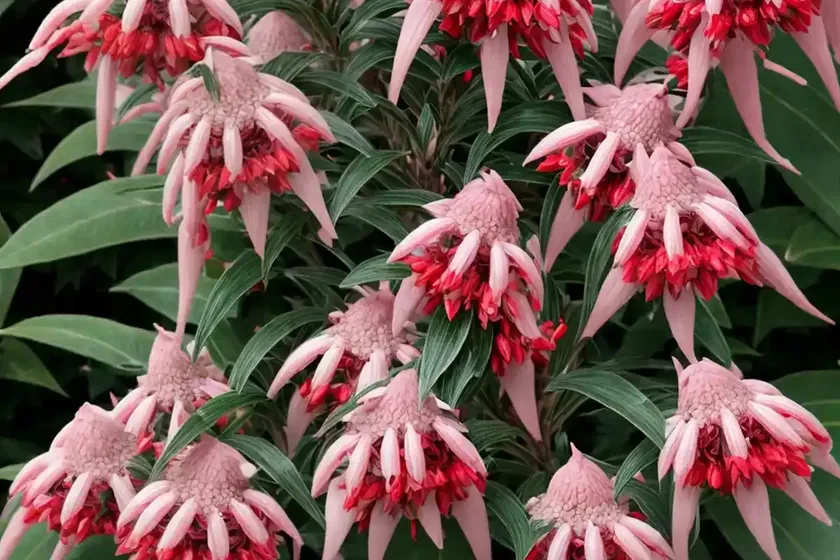
Japanese pieris, or Pieris japonica, is a species of evergreen shrub native to Eastern Asia, including China, Taiwan, and Japan. The ‘Red Mill’ cultivar, in particular, is prized for its vibrant red new growth in spring, which gradually matures to deep green leaves. The plant showcases cascading clusters of bell-shaped, white flowers in early spring, adding a touch of elegance to gardens and landscapes. Japanese pieris is a relatively slow-growing shrub, reaching a height of 4 to 8 feet and a spread of 3 to 6 feet over several years. It is valued for its adaptability to various environmental conditions, making it a versatile addition to both small and large gardens.
Key Takeaways – Japanese Pieris (Pieris japonica ‘Red Mill’)
Before we dive into the specifics of caring for Pieris japonica ‘Red Mill’, let’s review the key takeaways of this plant, including its culture, uses, and essential maintenance practices.
Culture
- Botanical Name: Pieris japonica ‘Red Mill’
- Common Name: Japanese pieris, Red Mill pieris
- Plant Type: Evergreen shrub
- Mature Height: 4 to 8 feet
- Mature Spread: 3 to 6 feet
- Growth Rate: Slow
Uses
- Landscape Ornamental: Japanese pieris is commonly used as an ornamental shrub in gardens, parks, and commercial landscapes due to its attractive foliage and flowers.
- Hedge Planting: With regular pruning, it can be shaped into a hedge or screen for added privacy.
Maintenance
- Pruning: Regular pruning is beneficial to maintain the plant’s shape, remove dead or diseased branches, and encourage new growth.
- Propagation: The plant can be propagated through methods such as cuttings and layering.
Now that we have an overview of the Japanese pieris, let’s delve into the specific care requirements for nurturing this remarkable shrub.
Water
Proper watering is essential for the health and vitality of Pieris japonica ‘Red Mill’. While the plant has some drought tolerance once established, consistent moisture is crucial, especially during periods of active growth and flowering. However, it’s equally important to avoid waterlogged conditions, as excessive moisture can lead to root rot and other issues.
Watering Guidelines
- Young Plants: Newly planted Japanese pieris should receive regular watering to establish strong root systems. Water deeply but infrequently to encourage deep root growth.
- Established Plants: Once established, provide supplemental irrigation during dry periods, particularly in the absence of rainfall.
Sunlight
Japanese pieris thrives in partial shade to full sun, making it a versatile choice for various garden settings. However, in regions with hot and intense summers, providing some protection from the harsh afternoon sun is beneficial, especially for maintaining the plant’s vibrant foliage and preventing leaf scorch.
Sunlight Requirements
- Partial Shade: Ideally, provide dappled or filtered sunlight, especially in warmer climates, to protect the leaves from excessive heat and sunburn.
- Full Sun: In cooler regions, Pieris japonica ‘Red Mill’ can tolerate full sun exposure, provided that the soil moisture is adequately maintained.
Fertilizer
Appropriate fertilization is paramount for promoting healthy growth and abundant flowering in Japanese pieris. Choosing the right type of fertilizer and applying it at the correct times will contribute to the overall vigor and aesthetic appeal of the plant.
Fertilizing Recommendations
- Fertilizer Type: Use a balanced, slow-release fertilizer designed for acid-loving plants, as Japanese pieris prefers acidic soil conditions.
- Timing: Apply fertilizer in early spring before new growth emerges, following the manufacturer’s recommendations for dosage and frequency.
Soil
Understanding the soil preferences of Pieris japonica ‘Red Mill’ is crucial for creating an optimal growing environment. Well-draining, acidic soil rich in organic matter lays the foundation for healthy root development and vigorous growth.
Soil Requirements
- Acidic pH: Aim for a soil pH in the range of 5.0 to 6.5, as Japanese pieris thrives in acidic conditions.
- Organic Matter: Incorporate compost or peat moss into the planting area to improve soil structure and fertility.
Pruning
Pruning is a key aspect of Japanese pieris maintenance, enabling gardeners to shape the shrub, promote bushiness, and remove any damaged or diseased growth. Understanding the pruning techniques and timing is essential for preserving the plant’s natural form and enhancing its visual appeal.
Pruning Guidelines
- Timing: Prune Japanese pieris immediately after flowering to avoid cutting off the developing flower buds for the next season.
- Techniques: Use sharp, clean pruners to selectively remove spent flowers, wayward branches, and any dead or damaged wood.
Propagation
For those interested in propagating Japanese pieris to expand their collection or share the plant with others, several methods, including cuttings and layering, can be employed to successfully propagate new plants.
Propagation Techniques
- Softwood Cuttings: Take softwood cuttings in early summer, and root them in a well-draining medium for new plant starts.
- Layering: Air layering or simple soil layering can also be effective methods for propagating Japanese pieris.
Container Popularity
Japanese pieris is well-suited for growing in containers, offering an opportunity to enjoy its beauty in patios, balconies, and other urban settings. When cultivated in containers, it’s crucial to provide the right growing conditions and maintenance to ensure the plant’s health and longevity.
Container Cultivation Tips
- Container Size: Choose a large container with adequate drainage holes to accommodate the shrub’s root system and allow for proper airflow.
- Potting Mix: Use a well-draining potting mix formulated for acid-loving plants, and water the container-grown Japanese pieris as needed to maintain consistent moisture.
Common Diseases
While Japanese pieris is relatively resistant to many pests and diseases, it is susceptible to certain issues that can impact its overall health and appearance. Identifying and addressing common diseases promptly is essential for preserving the vitality of this remarkable shrub.
Disease Diagnosis
- Leaf Spot: Look for dark, water-soaked spots on the foliage, which may indicate a fungal infection such as leaf spot disease.
- Powdery Mildew: The presence of powdery, white fungal growth on the leaves is a sign of powdery mildew, a common issue in humid conditions.
Common Pests
Japanese pieris may encounter a few pest problems, including aphids, scale insects, and caterpillars. Vigilance in monitoring the plant for signs of pests and implementing appropriate control measures can help safeguard it from infestations.
Pest Control Measures
- Natural Predators: Encourage natural predators such as ladybugs and lacewings to keep aphid and caterpillar populations in check.
- Horticultural Oil: Utilize horticultural oil sprays to manage scale infestations while minimizing the impact on beneficial insects.
Botanist’s Tips
As botanists and horticulturists, we have valuable insights and tips for cultivating and caring for Japanese pieris. These recommendations are based on years of experience and in-depth knowledge of the plant’s biology and growing requirements.
Expert Recommendations
- Mulching: Apply a layer of organic mulch around the base of the shrub to conserve soil moisture and regulate soil temperature.
- Winter Protection: In colder climates, consider providing winter protection such as burlap wraps to shield the plant from harsh winds and freezing temperatures.
Fun Facts
Discover some intriguing and captivating facts about Japanese pieris, shedding light on its unique attributes and cultural significance.
Fascinating Tidbits
- Symbolic Meanings: In certain cultures, the plant symbolizes longevity, renewal, and the arrival of spring, adding symbolic depth to its ornamental value.
- Wildlife Support: The flowers of Japanese pieris are a source of nectar for pollinators, attracting bees and butterflies to the garden.
Links to External Resources
For additional information on Japanese pieris and related topics, explore the following external resources:
With this comprehensive guide, you now have a thorough understanding of the culture, care, uses, and interesting aspects of Pieris japonica ‘Red Mill’. Whether you’re a seasoned gardener or a novice plant enthusiast, this knowledge equips you to nurture and appreciate the beauty of the Japanese pieris in your outdoor spaces. Happy gardening!
Keywords: Japanese pieris, Red Mill pieris, Japanese pieris plant, Pieris japonica, Red Mill pieris japonica, Japanese pieris shrub, Japanese pieris ‘Red Mill’, Red Mill pieris shrub, Pieris japonica ‘Red Mill’ care, Pieris japonica ‘Red Mill’ pruning, Japanese pieris varieties, Red Mill pieris varieties, Pieris japonica ‘Red Mill’ landscape, Japanese pieris evergreen, Red Mill pieris evergreen, Pieris japonica ‘Red Mill’ flowers, Japanese pieris growth, Red Mill pieris growth, Pieris japonica ‘Red Mill’ size, Japanese pieris planting tips, Red Mill pieris planting tips, Pieris japonica ‘Red Mill’ maintenance, Japanese pieris landscaping, Red Mill pieris landscaping, Pieris japonica ‘Red Mill’ foliage, Japanese pieris pruning techniques, Red Mill pieris pruning techniques, Pieris japonica ‘Red Mill’ hardiness, Japanese pieris propagation, Red Mill pieris propagation, Pieris japonica ‘Red Mill’ diseases, Japanese pieris pest control, Red Mill pieris pest control, Pieris japonica ‘Red Mill’ companion plants, Japanese pieris garden design, Red Mill pieris garden design, Pieris japonica ‘Red Mill’ natural habitat, Japanese pieris landscaping ideas, Red Mill pieris landscaping ideas, Pieris japonica ‘Red Mill’ leaf color, Japanese pieris flowers, Red Mill pieris flowers, Pieris japonica ‘Red Mill’ growth rate, Japanese pieris cold tolerance, Red Mill pieris cold tolerance, Pieris japonica ‘Red Mill’ soil requirements, Japanese pieris container gardening, Red Mill pieris container gardening, Pieris japonica ‘Red Mill’ sun exposure, Japanese pieris shade tolerance
References:
– Gardening Know How. (n.d.). Pieris Japonica Care and Growing Guide. Gardening Know How. https://www.gardeningknowhow.com/ornamental/shrubs/pieris/pieris-japonica-care-and-growing-guide.htm
– University of Minnesota Extension. (n.d.). Pruning Trees and Shrubs. University of Minnesota Extension. https://extension.umn.edu/planting-and-growing-guides/pruning-trees-and-shrubs#pruning-shrubs-1036950