Japanese Pieris (Pieris Japonica ‘Prelude’)
In the realm of ornamental shrubs, the Japanese pieris (Pieris japonica ‘Prelude’) stands out as a remarkable and versatile species. With its lustrous.
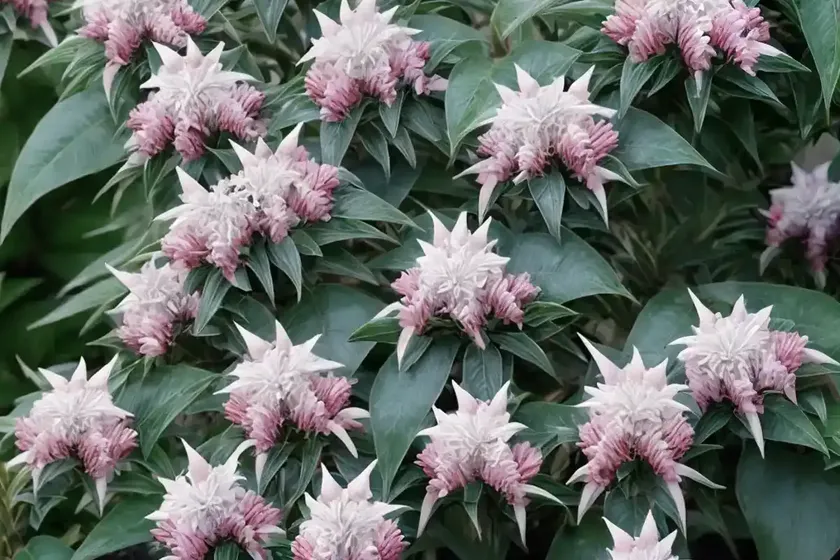
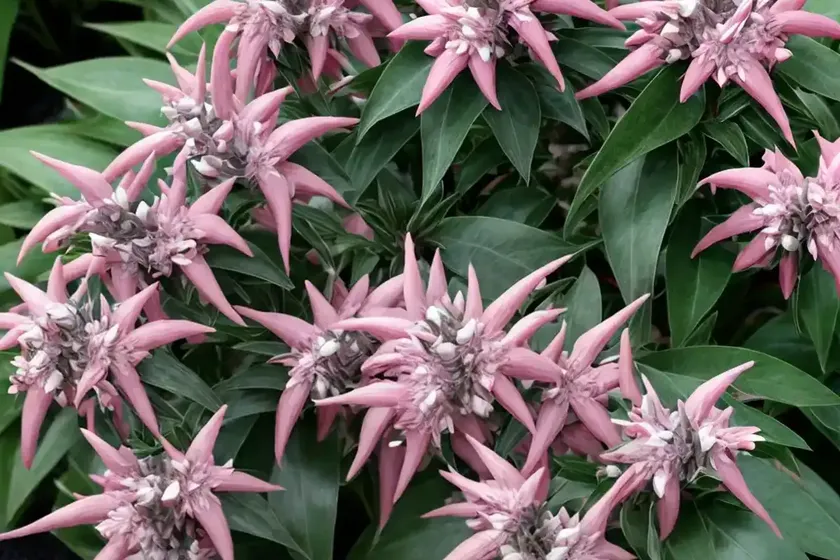
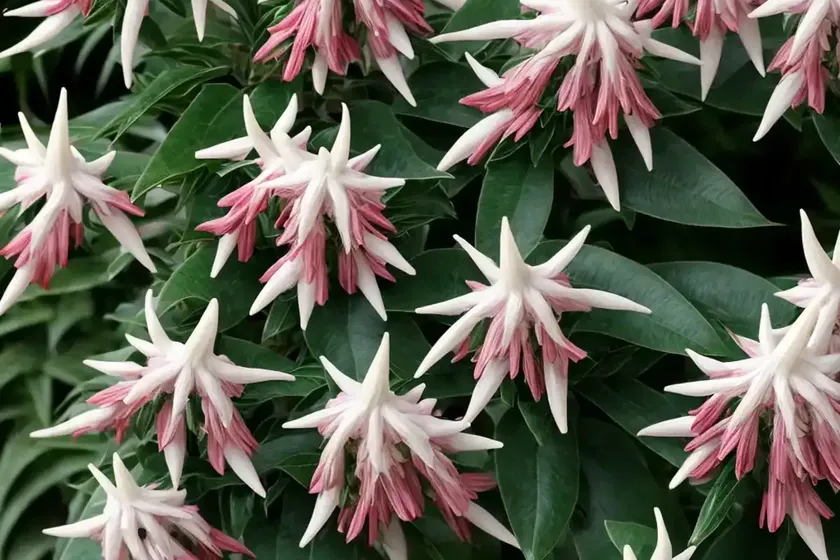
In the realm of ornamental shrubs, the Japanese pieris (Pieris japonica ‘Prelude’) stands out as a remarkable and versatile species. With its lustrous foliage, graceful form, and captivating blooms, it has garnered a special place in gardens and landscapes worldwide. This comprehensive guide aims to provide plant enthusiasts, horticulturists, and gardeners with valuable insights into the cultivation, care, and maintenance of Japanese pieris. We will delve into various aspects of its culture, uses, propagation, common diseases, pests, and much more. So, let’s embark on a journey to explore the fascinating world of Japanese pieris.
What is Plant: Japanese Pieris (Pieris japonica ‘Prelude’)
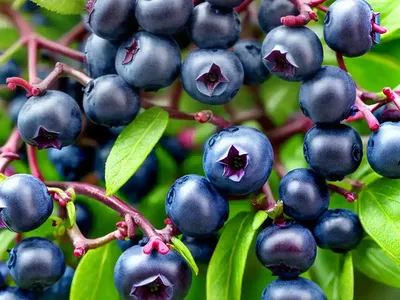
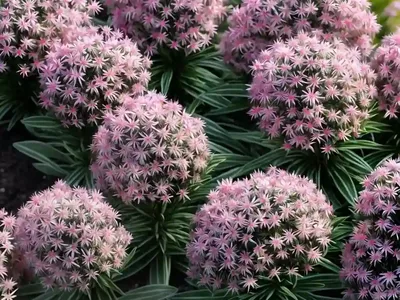
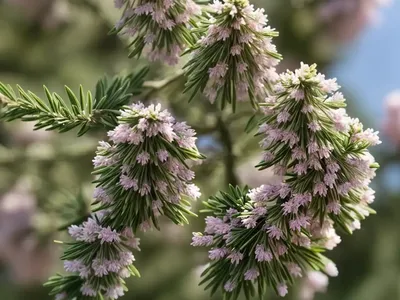
Japanese pieris (Pieris japonica), also known as Andromeda japonica, is a species of the genus Pieris in the heath family, Ericaceae. Native to Eastern Asia, including Japan, Taiwan, and eastern China, this evergreen shrub has gained popularity for its ornamental value. The ‘Prelude’ cultivar, in particular, is cherished for its compact size and exquisite spring blooms.
Key Takeaways – Japanese Pieris (Pieris japonica ‘Prelude’)
Here are some key takeaways that we will explore in detail:
- Culture
- Uses
- Water
- Sunlight
- Fertilizer
- Soil
- Pruning
- Propagation
- Container Popularity
- Container Common Diseases
- Disease Diagnosis
- Common Pests
- Botanist’s Tips
- Fun Facts
- Links to External Resources
Now, let’s proceed and delve into each of these aspects to gain a comprehensive understanding of Japanese pieris.
Culture of Japanese Pieris (Pieris japonica ‘Prelude’)
The cultural requirements of Japanese pieris are pivotal in ensuring its optimal growth and well-being. Understanding its specific needs can aid in establishing a thriving and visually appealing shrub in gardens and landscapes.
Uses
Japanese pieris is valued for a range of landscape applications, owing to its attractive features. Some common uses include:
- Specimen Plant: Its compact size and elegant form make it an excellent choice as a focal point in garden beds or borders.
- Mass Planting: When planted en masse, it creates a stunning display of lush foliage and vibrant blooms.
- Foundation Planting: It can be utilized to add visual interest and structure around building foundations.
- Container Gardening: Its suitability for container cultivation allows for versatile placement on patios, decks, or as an accent in outdoor spaces.
Water
Adequate and consistent watering is crucial, especially during the establishment phase and in periods of prolonged dryness. The water needs of Japanese pieris can be summarized as follows:
- Young Plants: Newly planted shrubs require regular watering to promote root establishment. Ensure the soil around the root zone remains consistently moist but not waterlogged.
- Mature Plants: Once established, Japanese pieris exhibits moderate drought tolerance. However, during extended dry spells, supplemental watering is beneficial, especially in well-drained soils.
Sunlight
Japanese pieris thrives in locations with the right balance of sunlight. Here are some pointers regarding its sunlight requirements:
- Light Conditions: Partial shade to full sun is preferred, with protection from intense afternoon sun in warmer regions.
- Partial Shade: In regions with hot summers, providing afternoon shade can help prevent leaf scorch and maintain the plant’s vigor.
- Full Sun: While it can tolerate full sun, adequate moisture is essential to support its growth and prevent stress during hot weather.
Fertilizer
Proper fertilization contributes to the overall health and vitality of Japanese pieris. Key considerations for fertilizing include:
- Fertilizer Type: Utilize a balanced, slow-release fertilizer formulated for acid-loving plants in spring. Avoid excessive application of nitrogen to prevent potential damage to the roots.
- Application Timing: Apply the fertilizer in early spring before the onset of new growth to provide essential nutrients for the upcoming growing season.
Soil
The choice of soil and its quality greatly influences the performance of Japanese pieris. Consider the following soil preferences for this species:
- Acidic Soil: Japanese pieris thrives in well-draining, acidic soil with a pH range of 5.0-6.5. Amending the soil with organic matter such as peat moss aids in maintaining suitable acidity levels.
- Soil Moisture: Ensure the soil is consistently moist but well-drained to prevent waterlogging, which can be detrimental to the plant’s root system.
Pruning of Japanese Pieris (Pieris japonica ‘Prelude’)
Pruning is an essential aspect of Japanese pieris maintenance, contributing to its overall appearance and health. Understanding the appropriate pruning techniques and timings is crucial for achieving desirable results.
Pruning Tips
- Timing: Prune Japanese pieris immediately after flowering, typically in late spring or early summer. This allows ample time for new growth to develop and flower buds to form for the following year.
- Pruning Objectives: Remove dead or diseased branches, shape the plant to maintain its natural form, and control its size to suit the intended landscape setting.
- Tools: Utilize sharp, clean pruning shears to make precise cuts without causing undue stress or damage to the plant.
Propagation of Japanese Pieris (Pieris japonica ‘Prelude’)
The propagation of Japanese pieris can be carried out through various methods to expand its presence in gardens and landscapes. Understanding these techniques provides opportunities for cultivating new plants while preserving desirable traits.
Propagation Methods
- Softwood Cuttings: Propagate Japanese pieris from softwood cuttings taken in early summer. Utilize a rooting hormone to promote the development of roots and maintain high humidity during the rooting process.
- Semi-hardwood Cuttings: Semi-hardwood cuttings taken in mid to late summer can also be utilized for propagation, with a similar approach to fostering root development.
Container Popularity of Japanese Pieris (Pieris japonica ‘Prelude’)
The compact size and ornamental appeal of Japanese pieris make it well-suited for container cultivation. Here are some insights into its popularity as a container plant:
- Container Selection: Choose a spacious container with adequate drainage holes to accommodate the plant’s root system and facilitate proper moisture management.
- Growing Medium: Utilize a well-draining, acidic potting mix to mirror the soil conditions preferred by Japanese pieris in garden settings.
- Placement: Position the containers in locations that provide the appropriate balance of sunlight and shade, considering the plant’s needs for optimal growth.
Common Diseases of Japanese Pieris (Pieris japonica ‘Prelude’)
While Japanese pieris is relatively resilient, it may be susceptible to certain diseases that can impact its overall vigor and appearance. Familiarizing oneself with these potential issues enables prompt intervention and management.
Disease Diagnosis
- Leaf Spot: Characterized by the development of dark, circular spots on the leaves, often caused by fungal pathogens. Implementing proper sanitation and appropriate fungicidal treatments can aid in controlling this issue.
- Powdery Mildew: Manifests as a powdery white coating on the foliage, resulting from fungal infections. Adequate air circulation and the use of fungicidal sprays can help mitigate its impact.
- Phytophthora Root Rot: Excessive soil moisture can lead to the development of root rot, adversely affecting the health of the plant. Avoid waterlogging and improve soil drainage to prevent this disease.
Common Pests Affecting Japanese Pieris (Pieris japonica ‘Prelude’)
Various pests may pose a threat to Japanese pieris, potentially causing damage to its foliage and overall vitality. Understanding these common pests aids in implementing targeted control measures when necessary.
Pest Management
- Pieris Lace Bug: These tiny insects feed on the foliage, causing stippling and discoloration. Consider using insecticidal soaps or neem oil to manage infestations.
- Caterpillars: Certain caterpillar species may feed on the leaves of Japanese pieris, leading to defoliation. Handpicking caterpillars or utilizing biological controls can help mitigate their impact.
Botanist’s Tips for Japanese Pieris (Pieris japonica ‘Prelude’)
As a plant scientist and enthusiast, I would like to offer some valuable tips for cultivating and caring for Japanese pieris:
- Mulching: Apply a layer of organic mulch around the base of the plant to conserve moisture, suppress weed growth, and insulate the root zone from temperature extremes.
- Monitoring Soil Acidity: Regularly assess the pH levels of the soil to ensure it remains within the appropriate range for Japanese pieris. Periodic soil amendments may be necessary to maintain suitable acidity.
- Seasonal Maintenance: Conduct seasonal inspections to identify and address any signs of disease, pest infestations, or nutrient deficiencies promptly.
Fun Facts About Japanese Pieris (Pieris japonica ‘Prelude’)
Lastly, let’s explore some intriguing and lesser-known facts about Japanese pieris:
- Symbolic Significance: In certain cultures, Japanese pieris symbolizes longevity, prosperity, and the renewal of life.
- Wildlife Attraction: The attractive blooms of Japanese pieris often attract pollinators such as bees and butterflies, contributing to ecological diversity in garden settings.
- Cultural Significance: In traditional Japanese gardens, Japanese pieris is often incorporated as a symbol of tranquility and natural harmony.
Links to External Resources
For further exploration of Japanese pieris and its cultivation, the following resources provide valuable insights and practical guidance:
- The American Rhododendron Society
- Royal Horticultural Society: Pieris japonica
- University of Maryland Extension: Growing Pieris in Maryland
- Missouri Botanical Garden: Pieris japonica
Conclusion
In conclusion, Japanese pieris (Pieris japonica ‘Prelude’) exudes an enchanting charm and offers a multitude of attributes that make it a prized addition to diverse landscapes. From its cultural requirements to common diseases and pest management, understanding the intricacies of caring for Japanese pieris is essential for fostering its optimal growth and longevity. By incorporating the insights provided in this guide, enthusiasts and horticulturists can embark on a rewarding journey of cultivating and nurturing this captivating ornamental shrub.
As we continue to appreciate and explore the captivating world of plants, Japanese pieris stands as a testament to the beauty and resilience of nature’s offerings. Whether adorning garden borders, accentuating container displays, or gracing foundation plantings, Japanese pieris contributes a touch of elegance and allure to outdoor spaces, enriching the tapestry of botanical diversity.
So let’s embrace the allure of Japanese pieris and continue our journey of discovery in the fascinating realm of ornamental horticulture.