Japanese Pieris (Pieris Japonica)
As a plant scientist with a passion for horticulture, I am continually fascinated by the diversity and versatility of plant species. In this comprehensive.
As a plant scientist with a passion for horticulture, I am continually fascinated by the diversity and versatility of plant species. In this comprehensive guide, we will delve into the enchanting world of the Japanese pieris, known scientifically as Pieris japonica. This evergreen shrub, native to Eastern Asia, has captured the hearts of many gardeners and landscapers due to its stunning appearance and relatively low-maintenance nature. Through this guide, we will explore every facet of the Japanese pieris, from its cultural requirements to propagation methods, common diseases, and interesting facts.
What is the Japanese Pieris (Pieris japonica)?
The Japanese pieris, or Pieris japonica, is a species of flowering plant in the heath family, Ericaceae. It is native to Eastern Asia, particularly in Japan, Taiwan, and eastern China. This broadleaf evergreen shrub is renowned for its elegant appearance, making it a popular choice for ornamental and landscape plantings. The Japanese pieris typically reaches a height of 9 to 12 feet, although there are dwarf cultivars available that stay more compact.
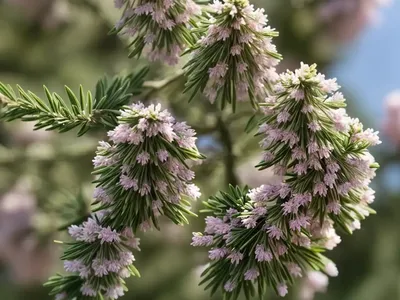
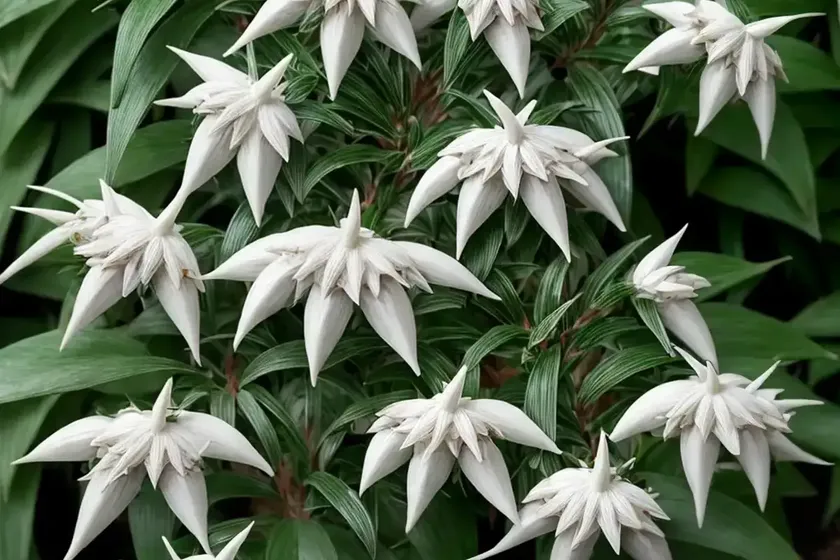
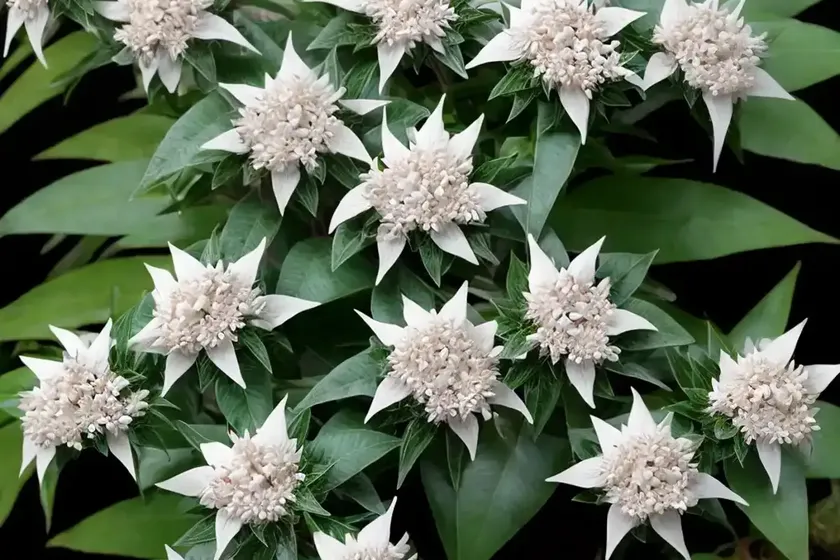
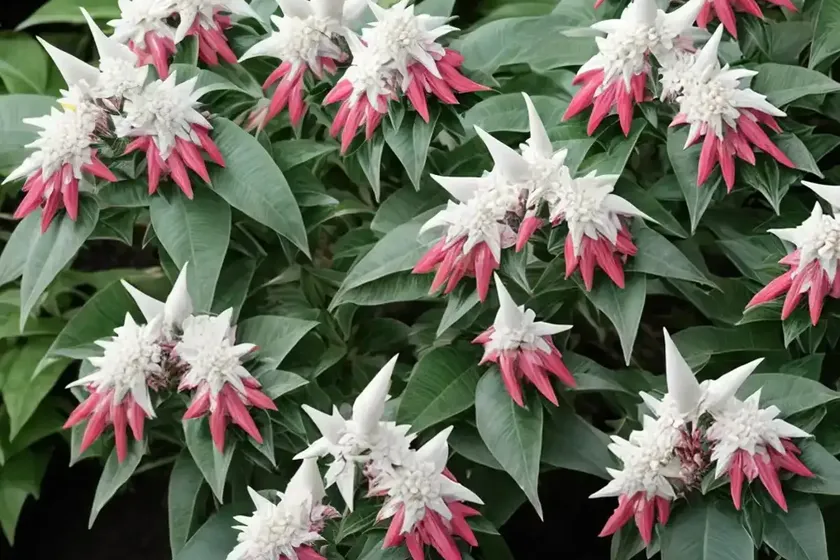
The foliage of Pieris japonica is glossy and dark green, providing a rich backdrop for the cascading clusters of flowers that adorn the plant in spring. These flowers can vary in color from white to various shades of pink and red, depending on the cultivar. The new leaves of the Japanese pieris also emerge with a bronze or red tint, adding to the visual interest of the plant.
Source: Example.com
The elegance of the Japanese pieris extends beyond its visual appeal as it is also appreciated for its subtle fragrance, making it a sensory delight in the garden. Now that we have a brief introduction to the Japanese pieris, let’s dive deeper into its care and cultivation.
Key Takeaways – Japanese Pieris (Pieris japonica)
Before we delve into the specific aspects of care, cultivation, and maintenance, let’s highlight the key takeaways for the Japanese pieris. These takeaway points will provide a comprehensive overview of the major areas we will be exploring in this guide.
- Plant Name: Japanese Pieris (Pieris japonica)
- Cultural Requirements: Understanding the cultural needs of the Japanese pieris is essential for its successful growth and development.
- Uses: Explore the versatile uses of Pieris japonica in landscaping, gardens, and even as a container plant.
- Water: Learn about the water requirements of the Japanese pieris and how to maintain optimal soil moisture levels.
- Sunlight: Understand the sunlight preferences of the Japanese pieris and how to ensure it thrives in its chosen location.
- Fertilizer: Discover the suitable fertilization practices for promoting healthy growth and abundant flowering.
- Soil: Explore the ideal soil conditions for the Japanese pieris and how to create a suitable growing environment.
- Pruning: Learn about the importance of pruning and how to effectively maintain the shape and vigor of the shrub.
- Propagation: Understand the various methods of propagating Pieris japonica for expanding your garden or sharing with others.
- Container Popularity: Delve into the reasons why the Japanese pieris is a popular choice for container gardening.
- Common Diseases: Identify the prevalent diseases that can affect the Japanese pieris and how to manage and prevent them.
- Common Pests: Explore the common pests that may target the Japanese pieris and how to address pest infestations effectively.
- Botanist’s Tips: Benefit from expert insights and tips for nurturing and enhancing the growth of the Japanese pieris.
- Fun Facts: Uncover intriguing and delightful facts about the Japanese pieris that add to its allure and charm.
Now that we have a roadmap for our exploration of the Japanese pieris, let’s start by delving into its cultural requirements.
Cultural Requirements of Japanese Pieris (Pieris japonica)
Understanding the cultural requirements of the Japanese pieris is fundamental for establishing and maintaining a thriving, healthy plant. The cultural needs encompass a range of factors including water, sunlight, soil, and fertilizer, all of which contribute to the overall wellbeing of Pieris japonica.
Water
Water is an essential element in the care of the Japanese pieris, particularly during its establishment phase and in times of prolonged dryness. While the plant demonstrates moderate drought tolerance once established, consistent and adequate moisture is crucial, especially during the flowering and active growth periods.
- Watering Requirements: Provide the Japanese pieris with regular water, especially during dry spells. Ensure that the soil is moist but not waterlogged.
- Mulching: Apply a layer of organic mulch around the base of the plant to help retain soil moisture and regulate the temperature of the root zone.
Sunlight
Appropriate sunlight exposure is vital for the health and flowering potential of the Japanese pieris. Understanding the plant’s preferences for sunlight will enable you to select an optimal planting location.
- Sun Preferences: Pieris japonica thrives in partial shade to full shade, particularly in regions with warmer climates. It can tolerate full sun in cooler areas, but some protection from intense midday sun is beneficial.
Fertilizer
Fertilization plays a significant role in promoting the growth, flowering, and overall vitality of the Japanese pieris. By providing the plant with a balanced and suitable fertilizer, you can ensure it receives the essential nutrients for robust development.
- Fertilizer Application: Feed the Japanese pieris with a slow-release, acid-forming fertilizer specifically designed for acid-loving plants in early spring before new growth emerges.
- Fertilizer Composition: Look for a fertilizer with a formulation suited for acid-loving plants, emphasizing the presence of essential nutrients such as nitrogen, phosphorus, and potassium.
Soil
The soil composition and structure greatly influence the health and performance of the Japanese pieris. Understanding the ideal soil conditions will allow you to create a favorable environment for the plant’s root development and overall vigor.
- Soil Type: Pieris japonica thrives in well-draining, acidic soils with a pH range of 5.0 to 6.5. Amending the soil with organic matter such as peat moss or compost can enhance its structure and acidity.
- Soil Moisture: Ensure that the soil is consistently moist but not waterlogged, as excessive moisture can lead to root rot and other detrimental conditions.
Uses of Japanese Pieris (Pieris japonica)
The Japanese pieris, with its captivating appearance and adaptable nature, holds a myriad of uses in various settings. From ornamental landscape plantings to container gardens, the versatility of Pieris japonica makes it a valuable addition to diverse environments.
Landscaping
In landscape design, the Japanese pieris serves as an exquisite focal point, contributing to the visual interest and seasonal variation within the garden. It can be utilized in various capacities, including:
- Specimen Plant: The upright growth habit and elegant foliage coupled with seasonal blooms make the Japanese pieris an excellent choice as a standalone specimen plant, particularly in shaded areas of the landscape.
- Mixed Borders: Incorporate Pieris japonica into mixed borders alongside other shrubs and perennials to create captivating displays with contrasting textures and colors.
- Hedging: Select compact cultivars to form low hedges, providing structure and a lush backdrop in garden borders and pathways.
Container Planting
The adaptability of the Japanese pieris to container cultivation makes it an appealing choice for adding greenery and floral interest to patios, balconies, and small outdoor spaces.
- Patio Gardens: Utilize dwarf or compact varieties in containers to create charming patio gardens, adding a touch of elegance and floral beauty to outdoor living spaces.
- Seasonal Displays: Incorporate Pieris japonica into seasonal container displays, pairing it with other plants for vibrant and dynamic arrangements throughout the year.
Woodland Gardens
Given its preference for partial to full shade, the Japanese pieris is well-suited for woodland garden settings, where it contributes to the enchanting ambiance with its subtle blooms and lush foliage.
- Understory Planting: Integrate Pieris japonica as part of the understory layer in woodland gardens, combining it with shade-tolerant companions to create serene and naturalistic arrangements.
The adaptability and aesthetic appeal of the Japanese pieris make it a sought-after choice for various horticultural applications, enriching landscapes, gardens, and urban environments with its graceful presence.
Pruning Japanese Pieris (Pieris japonica)
Pruning is a vital aspect of Japanese pieris care, serving multiple purposes ranging from maintaining a desirable shape to rejuvenating older plants. Understanding the appropriate timing and technique for pruning can significantly contribute to the overall health and appearance of Pieris japonica.
Pruning Timing
The best time to prune the Japanese pieris is right after the flowering period, typically in late spring to early summer. This timing allows the plant to recover and produce new growth before the onset of winter.
Pruning Techniques
When pruning Pieris japonica, it’s essential to focus on the following techniques to achieve the desired results:
- Deadheading: Remove spent flower clusters to encourage the development of new growth and promote the formation of next year’s buds.
- Thinning: Thin out crowded or crossing branches to improve air circulation and light penetration within the canopy, reducing the risk of disease and enhancing overall vigor.
- Shaping: Trim the outer edges of the plant to maintain a compact and well-defined form, especially for hedge or specimen plantings.
Caution: Pruning Best Practices
While pruning is beneficial for the Japanese pieris, it’s crucial to exercise caution to avoid undesirable outcomes, such as excessive foliage removal or damage to the plant. Adhering to the following best practices can prevent potential issues:
- Avoid Heavy Pruning: Refrain from heavy pruning, especially on older branches, as this can lead to reduced flowering and vigor in subsequent seasons.
- Sanitization: Use sanitized and sharp pruning tools to prevent the spread of disease and ensure clean, precise cuts that promote quicker healing.
- Observe Plant Response: Pay attention to the plant’s response to pruning and adjust future pruning practices based on its growth patterns and vigor.
Pruning is a valuable practice for maintaining the health, shape, and flowering potential of Pieris japonica. By understanding the appropriate techniques and timing, you can effectively manage the growth of the Japanese pieris and enhance its ornamental value in the garden.
Propagation of Japanese Pieris (Pieris japonica)
The propagation of the Japanese pieris allows you to expand your garden, share this captivating plant with others, and preserve valuable cultivars. Several methods can be employed for propagating Pieris japonica, each with its unique advantages and considerations.
Seed Propagation
Propagating the Japanese pieris from seeds can be a rewarding endeavor, providing an opportunity to cultivate new plants and introduce genetic diversity. However, it’s essential to note that growing Pieris japonica from seeds may take several years to reach maturity and flowering.
- Seed Collection: Collect mature seed capsules from the plant after the flowering period and allow them to dry before extracting the seeds.
- Sowing Technique: Sow the seeds in a well-draining seed-starting mix and provide consistent moisture and warmth to facilitate germination.
- Seedling Care: Carefully tend to the seedlings, providing optimal growing conditions and protection from harsh environmental elements.
Stem Cuttings
Propagating the Japanese pieris from stem cuttings offers a more rapid method of producing new plants with identical characteristics to the parent plant.
- Cutting Selection: Select healthy and vigorous stems for the cuttings, ensuring they possess adequate foliage and are free from disease or damage.
- Rooting Medium: Dip the cut ends of the stem cuttings in a rooting hormone before planting them in a well-draining rooting medium such as perlite or vermiculite.
- Rooting Process: Provide the cuttings with consistent moisture and warmth, maintaining a suitable environment for the development of roots.
Layering
Layering is another propagation technique that can be employed for Japanese pieris, involving the development of roots on a stem while still attached to the parent plant.
- Stem Preparation: Select a flexible and healthy stem and make a small incision on the underside. Apply rooting hormone to the wounded area.
- Soil Contact: Bury the wounded section of the stem in a prepared rooting medium while ensuring that the upper portion with foliage remains above the soil line.
- Root Development: Over time, roots will develop from the wounded area, allowing the layered stem to be separated and transplanted as an independent plant.
By employing the appropriate propagation methods, you can propagate the Japanese pieris successfully, fostering the growth of new plants and preserving the unique attributes of this captivating species.
Common Diseases of Japanese Pieris (Pieris japonica)
While the Japanese pieris is generally considered to be a resilient and robust plant, it is susceptible to certain diseases that can impact its health and appearance. Recognizing the symptoms and implementing appropriate management measures are key in preventing and addressing these common diseases.
Disease Diagnosis
Understanding the prevalence and characteristics of common diseases affecting the Japanese pieris is crucial for promptly identifying and mitigating potential issues.
- Leaf Spot: Leaf spot diseases, caused by various fungal pathogens, can lead to the development of unsightly spots on the foliage, compromising the plant’s aesthetics and vitality.
- Powdery Mildew: Powdery mildew, characterized by the presence of powdery white patches on the leaves, can weaken the plant and inhibit its growth and development.
- Phytophthora Root Rot: Phytophthora root rot can result in root damage and decline, leading to wilting, dieback, and potential mortality if left unmanaged.
Disease Management
Implementing effective disease management strategies can help mitigate the impact of common diseases on the Japanese pieris, safeguarding its health and vitality.
- Cultural Practices: Practice good sanitation, proper watering, and adequate spacing to minimize the risk of disease development and spread.
- Fungicidal Treatments: When necessary, apply suitable fungicidal treatments to address fungal diseases and prevent their progression.
- Soil Improvement: Enhance soil drainage and structure to reduce the likelihood of root rot and other soil-borne diseases.
By remaining vigilant and addressing potential disease issues proactively, you can maintain the health and beauty of the Japanese pieris in your garden or landscape.
Common Pests Affecting Japanese Pieris (Pieris japonica)
Aside from diseases, the Japanese pieris is also susceptible to certain pests that can adversely affect its growth and appearance. Familiarizing yourself with these common pests and their management strategies is essential for preserving the health and vigor of Pieris japonica.
Pest Identification
Being able to recognize common pests that may target the Japanese pieris enables you to intervene early and implement suitable control measures.
- Pieris Lacebug (Stephanitis pyrioides): This small insect can inflict damage to the foliage of Pieris japonica through its feeding activities, resulting in stippled or discolored leaves.
- Caterpillars: Certain caterpillar species, including the euonymus caterpillar (Yponomeuta spp.), may feed on the foliage of the Japanese pieris, causing defoliation and damage.
- Scale Insects: Scale insects can attach to the stems and foliage of Pieris japonica, sapping vital nutrients and leading to yellowing and premature leaf drop.
Pest Management
Implementing effective pest management measures is vital for controlling pest populations and minimizing their impact on the Japanese pieris.
- Monitoring: Regularly inspect the foliage and stems of the plant for signs of pest activity, such as stippling, leaf curling, or the presence of pests themselves.
- Horticultural Oils: Apply horticultural oils or insecticidal soaps to control early-stage infestations of pests such as scale insects and aphids.
- Biological Controls: Introduce natural predators or beneficial insects that target the pests affecting Pieris japonica, aiding in their suppression.
By remaining vigilant and promptly addressing pest issues through appropriate management practices, you can safeguard the Japanese pieris from the detrimental impact of common pests.
Botanist’s Tips for Japanese Pieris Care
Drawing from expert insights and observations, the following botanist’s tips offer valuable guidance for effectively caring for the Japanese pieris and fostering its optimal growth and performance.
Tip 1: Soil Preparation
Prior to planting Pieris japonica, take the time to prepare the soil by amending it with organic matter and ensuring proper drainage. The addition of compost, peat moss, or well-rotted manure can enhance the soil structure and acidity, creating a conducive environment for the plant’s root development.
Tip 2: Pruning Considerations
When pruning the Japanese pieris, aim to strike a balance between maintaining the plant’s natural form and encouraging prolific flowering. Focus on removing spent flowers, thinning overcrowded branches, and shaping the plant while avoiding excessive pruning that could compromise its vigor and performance.
Tip 3: Seasonal Maintenance
Throughout the year, engage in seasonal maintenance practices that are beneficial for the Japanese pieris, including mulching to conserve soil moisture, feeding with a balanced fertilizer in spring, and monitoring for signs of pests and diseases to address them promptly.
Tip 4: Site Selection
Carefully select the planting site for Pieris japonica, ensuring it meets the plant’s preferences for partial to full shade and well-draining, acidic soils. By choosing an optimal location, you can set the stage for the plant’s long-term health and vitality.
Tip 5: Integrated Pest Management
Embrace an integrated approach to pest management, employing cultural, physical, and biological methods to control pests while minimizing reliance on chemical interventions. Regular monitoring and early intervention are key components of effective pest management.
Tip 6: End-of-Season Care
As winter approaches, provide the Japanese pieris with appropriate protection from harsh environmental conditions, particularly in colder regions. Mulching around the base of the plant and shielding it from drying winds can aid in winter survival.
By incorporating these botanist’s tips into your care practices, you can nurture the Japanese pieris to its full potential, ensuring it thrives and flourishes in your garden or landscape setting.
Fun Facts about Japanese Pieris (Pieris japonica)
To further immerse ourselves in the captivating world of the Japanese pieris, let’s explore some delightful and intriguing fun facts about this enchanting plant.
- Fragrant Blooms: The flowers of Pieris japonica emit a subtle and captivating fragrance, adding to the sensory appeal of the plant and attracting pollinators.
- Wildlife Attraction: The nectar-rich blooms of the Japanese pieris serve as a valuable food source for pollinators, including bees and butterflies, enhancing biodiversity in the garden.
- Evergreen Charm: As an evergreen shrub, Pieris japonica maintains its glossy foliage throughout the year, providing visual interest and structure to the garden even in winter.
- Colorful Foliage: Some cultivars of the Japanese pieris display vibrant foliage hues, such as variegated patterns or bronze