Japanese Hornbeam (Carpinus japonica): A Comprehensive Guide
Plants play a vital role in the functioning of our ecosystem. They provide us with food, oxygen, and medicines, and contribute to the beauty of our surroundings. In this comprehensive guide, I will delve into the intricacies of the Japanese hornbeam (Carpinus japonica), a fascinating plant that has a rich cultural history, and explore its uses, cultivation, care, and much more.
What is The Japanese Hornbeam (Carpinus japonica)?
The Japanese hornbeam (Carpinus japonica) is a species of hornbeam native to Japan, Korea, and China. It is a deciduous tree that belongs to the family Betulaceae. This tree is known for its elegant appearance and distinctive characteristics, making it a popular choice among horticulturists and nature enthusiasts.
Key Characteristics of Japanese Hornbeam (Carpinus japonica)
- Scientific Name: Carpinus japonica
- Common Name: Japanese Hornbeam
- Family: Betulaceae
- Habit: Deciduous tree
- Native to: Japan, Korea, and China
Key Takeaways – Japanese Hornbeam (Carpinus japonica)
Before delving into the specifics of the Japanese hornbeam, let’s have a quick overview of the key takeaways about this remarkable plant:
– Culture: Understanding the cultural significance of Carpinus japonica
– Uses: Exploring the various uses of Japanese hornbeam
– Water: Learning about the watering needs of this plant
– Sunlight: Understanding the sunlight preferences for optimal growth
– Fertilizer: Exploring the fertilizer requirements for maintaining health
– Soil: Discussing the ideal soil conditions for Japanese hornbeam
– Pruning: Tips on pruning this tree for optimal growth and aesthetics
– Propagation: Understanding the methods for propagating Carpinus japonica
– Container Popularity: How Japanese hornbeam fares in container gardening
– Common Diseases: Identifying and managing common diseases affecting this tree
– Common Pests: Understanding the pests that can afflict the Japanese hornbeam
– Botanist’s Tips: Expert tips and guidance for effective care and maintenance
– Fun Facts: Interesting and lesser-known facts about Carpinus japonica
Now, let’s delve into each of these aspects in detail to gain a comprehensive understanding of the Japanese hornbeam.
Culture
Cultural Significance
Japanese hornbeam holds cultural significance in East Asian countries. In Japan, it has been revered for its elegant form and has been traditionally used in bonsai cultivation. The compact and intricate growth habit of the Japanese hornbeam makes it well-suited for bonsai and other forms of Japanese-style garden compositions.
In addition to its horticultural significance, the wood of Carpinus japonica has been used in traditional crafts, furniture making, and woodworking. This further enhances its cultural value in the regions where it is native.
Uses
Horticultural Uses
The Japanese hornbeam is valued for its ornamental appeal. Its graceful, spreading canopy and striking autumn foliage make it a popular choice for landscaping and ornamental planting.
In addition to its use as an ornamental tree, Japanese hornbeam wood has been used for making tool handles, wood engravings, and small wooden items due to its fine grain and resilience.
Water
Watering Needs
Proper watering is essential for the health and vitality of Japanese hornbeam trees. Here are some key points to consider when watering Carpinus japonica:
– Established Trees: Once the tree is established, it is relatively drought-tolerant. However, during prolonged dry spells, supplemental watering may be necessary, especially for young or newly transplanted trees.
– Young Trees: Newly planted or young Japanese hornbeam trees require regular watering to aid in establishment and root development.
– Soil Moisture: It is important to maintain moderate, consistent soil moisture, ensuring that the soil is well-drained to prevent waterlogging.
Sunlight
Sunlight Preferences
Japanese hornbeam thrives in partial shade to full sunlight. When selecting a planting location for Carpinus japonica, it is important to consider its light preferences to ensure optimal growth and development. Here are some key considerations:
– Partial Shade: Provides protection from intense midday sun, making it suitable for locations with dappled sunlight.
– Full Sun: Thrives in full sunlight, especially in cooler climates, promoting vigorous growth and vibrant foliage color.
Fertilizer
Fertilization Requirements
Appropriate fertilization can enhance the growth, foliage color, and overall health of Japanese hornbeam trees. When considering fertilizer application for Carpinus japonica, it is essential to strike a balance and provide the necessary nutrients without overstimulating growth. Here are some important points to consider:
– Balanced Fertilizer: A balanced, slow-release fertilizer is ideal for Japanese hornbeam, providing a steady supply of essential nutrients over an extended period.
– Application Timing: Fertilize in early spring before new growth emerges, and consider a second application in late spring or early summer if necessary.
Soil
Soil Requirements
The soil composition and quality play a crucial role in the overall health and vigor of Japanese hornbeam trees. Here are some key considerations for the soil requirements of Carpinus japonica:
– Well-Drained Soil: Japanese hornbeam prefers well-drained soil to prevent waterlogging, which can lead to root rot and other problems.
– Moisture Retention: While well-drained soil is essential, the soil should also have the capacity to retain moisture to ensure adequate hydration for the tree.
Pruning
Pruning Tips for Japanese Hornbeam (Carpinus japonica)
Pruning is an essential aspect of Japanese hornbeam tree care, contributing to its overall health, shape, and aesthetic appeal. Here are some pruning tips for Carpinus japonica:
– Formative Pruning: Conduct formative pruning during the early years to establish a strong, well-balanced framework for the tree.
– Deadwood Removal: Regularly remove dead, damaged, or diseased branches to maintain tree health and appearance.
– Thinning: Periodic thinning of the canopy can improve airflow, reduce disease risks, and enhance the tree’s overall structure.
– Timing: Prune Japanese hornbeam during the dormant season to minimize stress and encourage vigorous regrowth in the spring.
Propagation
Propagation Methods
There are several methods for propagating Japanese hornbeam, allowing for the expansion of its cultivation. Here are some common propagation techniques for Carpinus japonica:
– Seed Propagation: Starting Japanese hornbeam trees from seeds can be a rewarding but time-consuming process, requiring patience and attention to seedling care.
– Cuttings: Propagating through stem cuttings offers a more efficient way to produce new plants, especially for specific varieties or cultivars.
– Grafting: Grafting is a common propagation method for preserving the unique characteristics of a particular Japanese hornbeam cultivar.
Container Popularity
Container Gardening with Japanese Hornbeam
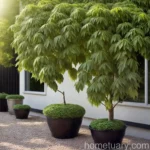
Japanese hornbeam trees are well-suited for container gardening, offering the opportunity to enjoy their beauty in patios, balconies, or compact garden spaces. Here are some key points to consider when growing Carpinus japonica in containers:
– Container Size: Select a container that provides ample space for root development while allowing for easy maintenance and stability.
– Potting Mix: Use a well-draining potting mix tailored to the needs of Japanese hornbeam, ensuring proper aeration and root health.
– Maintenance: Regular watering, fertilization, and occasional root pruning are essential for the well-being of Japanese hornbeam in containers.
Common Diseases
Disease Diagnosis and Management
While Japanese hornbeam is generally resilient, it can be susceptible to certain diseases that can affect its health and appearance. Here are some common diseases to be aware of when cultivating Carpinus japonica:
– Leaf Blight: Characterized by dark spots on the leaves, leaf blight can impact the foliage of Japanese hornbeam, leading to defoliation and reduced vitality.
– Anthracnose: This fungal disease can cause irregular dead spots on the leaves and affect overall tree health, especially during periods of prolonged wet weather.
– Root Rot: Excessive moisture and poorly drained soil can lead to root rot, impacting the tree’s ability to absorb nutrients and water.
Common Pests
Identifying and Managing Pests
Japanese hornbeam trees can face pest infestations that may compromise their health and vigor. Here are some common pests to watch out for and manage:
– Aphids: These small, sap-sucking insects can colonize the foliage of Japanese hornbeam, leading to leaf distortion and reduced vitality.
– Scale Insects: Scale insects can attach themselves to the branches and stems of the tree, impacting nutrient transport and causing stress to the plant.
– Caterpillars: Certain caterpillar species can feed on the leaves of Japanese hornbeam, leading to defoliation and diminished aesthetic appeal.
Botanist’s Tips
Expert Guidance for Japanese Hornbeam Care
To ensure the optimal health and beauty of Japanese hornbeam, here are some expert tips and guidance from botanists and horticultural experts:
– Consistent Care: Provide consistent watering, fertilization, and monitoring to maintain the health and vitality of Japanese hornbeam.
– Pruning Practices: Implement proper pruning techniques to promote strong structure, airflow, and aesthetic appeal.
– Disease Monitoring: Regularly inspect the tree for signs of disease or pest activity, taking prompt measures to address any issues that arise.
Fun Facts
Intriguing Tidbits About Japanese Hornbeam
- The word “hornbeam” is believed to refer to the tree’s hard wood, with “horn” signifying strength or hardness.
- Japanese hornbeam is known for its elegant, serrated leaves that turn vibrant shades of yellow, orange, and red in the autumn, adding a burst of color to the landscape.
- In Japanese culture, the Japanese hornbeam tree is often associated with qualities of strength, resilience, and longevity, symbolizing endurance and persistence.
Now that we have explored the key aspects of Japanese hornbeam, from its cultural significance to its care and maintenance, it’s clear that this tree holds a special place in horticulture and continues to captivate and inspire nature enthusiasts and gardeners around the world.
As we conclude this comprehensive guide, let’s reflect on the beauty and resilience of Carpinus japonica, and the valuable role it plays in our natural surroundings.
Links to External Resources
For further information and resources about Japanese hornbeam (Carpinus japonica), I recommend exploring the following links:
– The Royal Horticultural Society
– Missouri Botanical Garden – Japanese Hornbeam
– American Horticultural Society
– University Extension Services – Gardening Resources
These resources offer valuable insights, tips, and guidance on the cultivation, care, and appreciation of Japanese hornbeam, enhancing our understanding and fostering a deeper connection with this remarkable tree.
I hope you found this comprehensive guide to be informative and inspiring, and I encourage you to further explore the world of Japanese hornbeam as you continue your journey in horticulture and botany.
Happy gardening and may the beauty of Carpinus japonica continue to enrich our natural spaces and our lives.
Keywords: Carpinus japonica, Japanese hornbeam tree, Carpinus japonica characteristics, Japanese hornbeam leaves, Carpinus japonica growth habit, Japanese hornbeam care, Carpinus japonica pruning tips, Japanese hornbeam varieties, Carpinus japonica landscape uses, Japanese hornbeam diseases, Carpinus japonica hardiness, Japanese hornbeam propagation, Carpinus japonica native habitat, Japanese hornbeam seasonal changes, Carpinus japonica soil requirements, Japanese hornbeam watering needs, Carpinus japonica sunlight preferences, Japanese hornbeam foliage color, Carpinus japonica pest management, Japanese hornbeam companion plants, Carpinus japonica bonsai techniques, Japanese hornbeam root systems, Carpinus japonica wildlife value, Japanese hornbeam medicinal uses, Carpinus japonica indoor cultivation, Japanese hornbeam landscape design, Carpinus japonica fall color, Japanese hornbeam winter protection, Carpinus japonica fast-growing varieties, Japanese hornbeam planting guide, Carpinus japonica naturalization, Japanese hornbeam form and shape, Carpinus japonica shade tolerance, Japanese hornbeam autumn interest, Carpinus japonica common pests, Japanese hornbeam wind tolerance, Carpinus japonica hedge, Japanese hornbeam pollination, Carpinus japonica container gardening, Japanese hornbeam tree value, Carpinus japonica bark texture, Japanese hornbeam maintenance tips, Carpinus japonica leaf arrangement, Japanese hornbeam wildlife habitat, Carpinus japonica urban planting, Japanese hornbeam ecological benefits, Carpinus japonica natural pruning, Japanese hornbeam water conservation, Carpinus japonica endangered status, Japanese hornbeam foliage density