Jade Vine (Strongylodon macrobotrys): A Marvel of Tropical Botany
Introduction
The enchanting Jade vine, scientifically known as Strongylodon macrobotrys, is a remarkable tropical plant renowned for its stunning turquoise pea-shaped flowers. This captivating vine is not only a botanical wonder but also holds cultural, ecological, and horticultural significance. In this comprehensive guide, we will delve deep into the world of the Jade vine, exploring its botanical features, cultivation, uses, significance, and more. Whether you’re a seasoned plant enthusiast or a budding gardener, this article will provide valuable insights into nurturing and appreciating this extraordinary plant.
What is the Jade Vine (Strongylodon macrobotrys)?
The Jade vine, or Strongylodon macrobotrys, is a rare and extraordinary plant species belonging to the Fabaceae family. Known for its striking turquoise-colored flowers, it is native to the tropical forests of the Philippines. This remarkable vine is characterized by its amazing flowering clusters, vibrant foliage, and its unique ecological interactions that are crucial for biodiversity conservation.
Let’s explore the botanical features, growing conditions, care tips, and the cultural and ecological significance of the Jade vine.
Botanical Features of the Jade Vine
The Jade vine possesses a variety of distinct botanical features that contribute to its allure. Understanding these features is crucial for successfully cultivating and appreciating this magnificent plant.
Key Botanical Features:
-
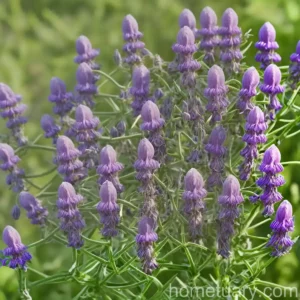
Flowers: The most distinctive aspect of the Jade vine is its remarkable turquoise flowers, which grow in hanging clusters known as inflorescences. These flowers are characterized by their vivid coloration and their shape, which resembles pea flowers. The mesmerizing color is due to the presence of unique pigments within the flowers, making them a stunning sight to behold.
-
Foliage: The vine’s foliage consists of vibrant green, pinnate leaves with three leaflets, providing a lush backdrop to the breathtaking flowers. The foliage complements the striking color of the flowers, creating a visually captivating display.
-
Growth Habit: As a leguminous vine, the Jade vine is a vigorous climber that can reach considerable heights. Its tendrils allow it to grasp onto various surfaces, making it an ideal ornamental plant for trellises and arbors.
-
Habitat: In its natural habitat, the Jade vine is primarily found in the lowland forests of the Philippines, where it thrives in the warm and humid conditions of the tropics.
Growing Jade Vine at Home
While the Jade vine is native to tropical regions, it is possible to cultivate and appreciate this remarkable plant in a domestic setting. However, it’s essential to understand its specific cultural requirements to ensure its optimal growth and blooming.
Culture
Cultivating Jade vine requires attention to detail and an understanding of its native habitat. Here are some key cultural considerations for successful cultivation:
-
Temperature: Jade vine thrives in warm, tropical conditions with consistent temperatures between 65°F and 80°F (18°C to 27°C). It is sensitive to cold and should be protected from frost.
-
Humidity: Being native to tropical forests, the Jade vine requires high humidity levels to thrive. It is essential to maintain a humid environment, especially if cultivated in drier climates.
-
Support Structure: Due to its climbing nature, providing a sturdy support structure is essential for the vine to grow and display its beautiful flowers effectively.
Uses
The Jade vine offers numerous uses, ranging from its ornamental value to its ecological significance. Understanding its diverse uses can provide insights into its cultural and environmental contributions:
-
Ornamental: The striking turquoise flowers and vibrant foliage make the Jade vine a sought-after ornamental plant for gardens, arboretums, and conservatories.
-
Ecological Significance: In its native habitat, the Jade vine plays a crucial role in supporting local biodiversity, providing nectar for pollinators and food for certain wildlife species.
Care Tips for Jade Vine
Caring for the Jade vine entails a blend of attentive maintenance and a nuanced understanding of its specific needs. By following these care tips, one can ensure the health and vitality of this splendid plant:
Water
- Watering Frequency: The Jade vine requires regular watering, especially during the growing season. Soil should be consistently moist but not waterlogged.
- Humidity: To mimic its native habitat, occasional misting or placement in a humid environment can promote optimal growth.
Sunlight
- Light Requirements: Jade vine thrives in bright, indirect light. It should be placed in a location that receives filtered sunlight, shielding it from harsh midday sun.
Fertilizer
- Fertilization: During the growing season, applying a balanced, diluted fertilizer can promote healthy growth and support flower production. However, it’s crucial to avoid over-fertilization, which can be detrimental to the plant.
Soil
- Soil Type: Well-draining, rich, and fertile soil is ideal for cultivating the Jade vine. A mix of peat moss, perlite, and organic matter can provide the necessary nutrients and aeration for robust growth.
Pruning
- Pruning Techniques: Pruning should focus on managing the vine’s growth and maintaining its desired shape. Regular pruning can also encourage the development of flowering spurs and promote overall plant health.
Jade Vine Species
The genus Strongylodon encompasses several species, each with its own unique characteristics and attributes. While the Strongylodon macrobotrys is the most renowned species, exploring other members of the genus can broaden one’s understanding of this remarkable plant group.
Tropical Plants: Jade Vine
As a tropical plant, the Jade vine is a prime example of the diverse and captivating flora found in tropical regions. Understanding its place among other tropical plants and its ecological interactions can offer valuable insights into its role in tropical ecosystems.
Jade Vine’s Unique Characteristics
The Jade vine’s unique characteristics set it apart as a botanical marvel with distinctive qualities that make it a captivating addition to any plant collection. Understanding and appreciating these characteristics is essential for fostering an admiration for this remarkable plant.
Key Characteristics:
- Colorful Flowers: The most striking feature of the Jade vine is undoubtedly its captivating turquoise flowers, which stand out for their rarity and vibrant hue.
- Vigorous Growth: The vine’s ability to grow rapidly and climb to considerable heights makes it an impressive ornamental addition to gardens and arbors.
- Ecological Importance: Beyond its ornamental value, the Jade vine contributes to the ecological significance of its native habitat, providing essential resources for local wildlife.
Where to Buy Jade Vine Plant
Sourcing a healthy and authentic Jade vine plant is essential for those looking to add this botanical marvel to their collection. While purchasing from reputable nurseries or botanical gardens is recommended, understanding the available options and considerations is crucial for acquiring a quality plant.
Considerations for Purchase:
- Source: It is advisable to purchase Jade vine plants from certified nurseries or botanical institutions to ensure their authenticity and health.
- Plant Health: Prior to purchasing, inspecting the plant for signs of disease, pests, or stress can safeguard against potential issues with the plant’s viability.
Jade Vine in the Wild
In its natural habitat, the Jade vine plays a pivotal role in the tropical ecosystem, supporting diverse flora and fauna through its ecological interactions. Exploring its wild habitat and ecological context can deepen one’s appreciation for the plant’s environmental significance.
Fascinating Facts about Jade Vine
The Jade vine’s captivating allure extends far beyond its appearance, encompassing a myriad of fascinating facts that highlight its ecological, cultural, and horticultural significance.
Interesting Tidbits:
- Pollination Strategy: The unique coloration of the Jade vine’s flowers is tailored to attract specific pollinators, showcasing the intricate coevolutionary relationships between the plant and its pollinators.
- Habitat Interactions: In its natural habitat, the Jade vine interacts with a diverse array of plant and animal species, contributing to the complex web of tropical biodiversity.
Soil Requirements for Jade Vine
Understanding the soil requirements for the Jade vine is crucial for providing the optimal growing conditions necessary for its health and vitality.
Ideal Soil Conditions:
- Well-Draining: The soil should provide adequate drainage to prevent waterlogging, which can be detrimental to the plant’s root health.
- Nutrient-Rich: Fertile soil rich in organic matter can support robust growth and promote flower production.
Sunlight Needs for the Jade Vine
As a tropical plant, the Jade vine has specific sunlight requirements that are essential for its growth and flowering.
Sunlight Recommendations:
- Filtered Light: While the plant thrives in bright conditions, exposure to direct sunlight, especially during the peak of the day, should be minimized to prevent leaf scorch and stress.
Watering Guide for Jade Vine
Proper watering is crucial for maintaining the health and vigor of the Jade vine, ensuring optimal growth and flowering.
Key Watering Practices:
- Consistent Moisture: The soil should be kept consistently moist, but not waterlogged, to support the vine’s growth and minimize stress.
- Avoid Overwatering: Soggy soil can lead to root rot and other complications, emphasizing the importance of balanced watering practices.
Pruning Techniques for Jade Vine
Pruning is an essential aspect of Jade vine care, promoting healthy growth, managing its vigorous habit, and shaping the plant to enhance its ornamental appeal.
Pruning Guidelines:
- Regular Maintenance: Periodic pruning can help control the vine’s growth, remove dead or damaged foliage, and encourage the development of flowering spurs.
- Shape Management: Pruning can aid in maintaining the desired shape and structure of the plant, preventing overcrowding and encouraging air circulation.
Jade Vine Propagation
The propagation of Jade vine offers the opportunity to expand its presence and share its beauty with fellow plant enthusiasts. Understanding the various propagation methods and their associated considerations is essential for successful reproduction.
Propagation Techniques:
- Seed Propagation: Growing Jade vine from seeds provides an avenue for nurturing new plants and preserving genetic diversity.
- Cutting Propagation: Propagating the vine from cuttings offers a reliable method for cloning the plant and accelerating the growth of new specimens.
Common Pests and Diseases of Jade Vine
While the Jade vine is relatively resilient, it can be susceptible to a range of pests and diseases that may affect its health and appearance. Identifying and addressing these issues promptly is crucial for maintaining the plant’s vitality.
Common Pests:
- Aphids: These small, sap-sucking insects can infest the plant, causing stunted growth and distortion of new growth.
- Mealybugs: Mealybug infestations can lead to the development of a white, cottony substance on the plant, affecting its overall health.
Disease Diagnosis:
- Fungal Diseases: Jade vine can be vulnerable to fungal infections, resulting in issues such as root rot and leaf spots. Proper ventilation and balanced watering can help prevent these diseases.
How to Prevent Leaf Drop in Jade Vine
Leaf drop can be a concerning issue for Jade vine enthusiasts, often signaling underlying stress or suboptimal growing conditions. Implementing proactive measures to prevent leaf drop is essential for maintaining the plant’s health.
Leaf Drop Prevention:
- Maintain Consistent Moisture: Fluctuations in watering can lead to stress and subsequent leaf drop. Ensuring consistent moisture levels in the soil is crucial.
- Optimal Environmental Conditions: Providing the vine with the right temperature, humidity, and light can help mitigate leaf drop.
Jade Vine as an Indoor Plant
While the Jade vine is native to tropical regions, it can thrive as an indoor plant given the right conditions and care. Understanding how to accommodate its needs indoors is essential for successfully growing it as a houseplant.
Indoor Considerations:
- Lighting: Providing bright, indirect light is crucial for indoor Jade vine cultivation, often necessitating the use of grow lights to supplement natural sunlight.
- Humidity Management: Indoor environments can be drier, requiring the use of humidifiers or pebble trays to maintain adequate humidity levels.
Best Companion Plants for Jade Vine
Pairing the Jade vine with suitable companion plants can create visually appealing and harmonious garden arrangements, enhancing the overall aesthetic and ecological value of the landscape.
Companion Planting:
- Climbing Roses: The combination of Jade vine with climbing roses can create a stunning floral display, with the roses providing complementary color and form.
- Tropical Foliage Plants: Pairing the Jade vine with lush tropical foliage plants can create a verdant, tropical-themed garden space.
Using Jade Vine for Landscaping
Integrating the Jade vine into landscaping designs offers the opportunity to showcase its unique beauty and contribute to the diversity of plant species in cultivated outdoor spaces.
Landscaping Ideas:
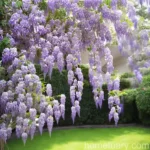
- Arbors and Trellises: Utilizing arbors and trellises as supports for the vine allows it to climb and showcase its distinctive flowers at eye level.
- Botanical Gardens and Conservatories: Incorporating the Jade vine into botanical garden displays and conservatory collections can highlight its botanical significance.
Decorative Uses for the Jade Vine
Beyond its ornamental value in garden landscapes, the Jade vine offers decorative potential for various design and artistic applications, enriching visual and cultural contexts.
Decorative Applications:
- Floral Displays: Jade vine flowers can be incorporated into floral arrangements and displays, showcasing their unique color and form.
- Artistic Installations: Utilizing the vine’s climbing habit and vibrant flowers in artistic installations can create visually captivating and immersive experiences.
History and Cultural Significance of Jade Vine
The Jade vine holds cultural and historical significance within its native range, featuring in folklore, traditional practices, and artistic representations. Exploring its cultural importance enriches our understanding of its role in human society.
Cultural Context:
- Folklore and Symbolism: The Jade vine may hold symbolic or mythological significance within local cultures, signifying traits such as beauty, resilience, or abundance.
- Traditional Uses: Understanding how the vine has been traditionally utilized in crafts, ceremonies, or medicine provides valuable insights into its cultural relevance.
Medicinal Uses of the Jade Vine
Some plant species, including the Jade vine, possess medicinal properties in traditional practices. Exploring the potential medicinal uses of the vine can shed light on its cultural and pharmacological significance.
Traditional Medicinal Applications:
- Ethnobotanical Knowledge: Investigating traditional medicinal knowledge related to the Jade vine can reveal the historical use of its roots, leaves, or other plant parts for specific ailments.
- Pharmacological Studies: Scientific exploration of the vine’s chemical composition and potential medicinal properties can provide insights into its pharmacological potential.
Jade Vine and Wildlife Attraction
The Jade vine’s vibrant flowers and ecological interactions can attract a range of wildlife, from pollinators to other organisms that depend on its nectar and foliage.
Ecological Interactions:
- Pollinator Attraction: The unique coloration and structure of the Jade vine’s flowers are tailored to attract specific pollinators, showcasing the plant’s ecological relevance.
- Wildlife Nutrition: Certain wildlife species may feed on the vine’s nectar, leaves, or fruits, forming ecological connections vital for biodiversity.
Jade Vine’s Contribution to Biodiversity
As a native species in tropical ecosystems, the Jade vine contributes to the rich tapestry of biodiversity, providing essential resources for a range of flora and fauna.
Biodiversity Support:
- Nectar Provision: The vine’s flowers can serve as a vital nectar source for a variety of pollinators, promoting pollination and contributing to ecosystem resilience.
- Food Source: In its natural habitat, the vine may provide food for specific wildlife, contributing to the local food web and supporting biodiversity.
Ethnobotanical Importance of Jade Vine
Ethnobotany explores the cultural, traditional, and practical uses of plants within human societies. Understanding the vine’s ethnobotanical significance offers insights into its role in local customs, beliefs, and practices.
Ethnobotanical Insights:
- Ceremonial Uses: Investigating how the vine has been incorporated into ceremonies, rituals, or traditional practices enriches our understanding of its cultural significance.
- Craft and Material Uses: The jade vine may have historical uses in crafting, construction, or material production, reflecting its practical importance in local contexts.
Jade Vine’s Role in Sustainable Gardening
In the context of sustainable gardening and horticulture, the Jade vine exemplifies the potential for conserving and appreciating diverse plant species within cultivated spaces.
Sustainability Considerations:
- Biodiversity Conservation: By cultivating and showcasing the Jade vine, gardeners can contribute to raising awareness about the conservation of rare and unique plant species.
- Ecological Education: Including the vine in educational displays and horticultural practices can promote understanding and appreciation for tropical biodiversity.
Endangered Status of the Jade Vine
The Jade vine is classified as a species of conservation concern, facing threats that have led to its designation as an endangered plant species. Understanding the factors contributing to its endangered status is essential for supporting conservation efforts.
Conservation Concerns:
- Habitat Loss: Deforestation and habitat degradation in its native range pose significant threats to the vine’s survival, necessitating conservation interventions.
- Illegal Harvesting: The vine’s captivating flowers and rarity have made it susceptible to illegal collection and trade, further endangering its wild populations.
Environmental Conservation and the Jade Vine
The conservation of the Jade vine intersects with broader environmental conservation efforts focused on protecting tropical ecosystems and biodiversity.
Conservation Initiatives:
- Habitat Protection: Supporting initiatives aimed at preserving the tropical forests where the Jade vine occurs is crucial for safeguarding its natural habitat.
- Community Engagement: Involving local communities in conservation efforts can foster a sense of ownership and stewardship, promoting sustainable conservation outcomes.
Jade Vine: A Symbol of Resilience
The Jade vine’s status as an endangered plant species underscores its resilience and the conservation challenges it faces. Celebrating its resilience can inspire conservation action and appreciation for threatened plant species.
Symbolism of Resilience:
- Conservation Awareness: The vine’s rarity and conservation status can serve as a symbolic reminder of the importance of protecting vulnerable plant species and their habitats.
- Hope and Regeneration: By championing the conservation of the Jade vine, we can symbolize our commitment to supporting the resilience and recovery of endangered plant species.
Jade Vine’s Popularity in Horticulture
Despite its rarity, the Jade vine has garnered popularity and interest among horticultural enthusiasts, botanical gardens, and conservation organizations worldwide.
Horticultural Appeal:
- Ornamental Value: The vine’s unique flowers and striking appearance have made it a sought-after plant for gardens, public displays, and private collections.
- Conservation Emphasis: Horticultural interest in the Jade vine often aligns with conservation and educational initiatives, fostering a broader appreciation for its significance.
The Allure of the Jade Vine’s Flowers
The captivating flowers of the Jade vine serve as the centerpiece of its charm, captivating admirers with their striking color and unique form.
Floral Fascination:
- Rare Turquoise Color: The turquoise hue of the flowers is a rarity in the plant kingdom, making the Jade vine’s blooms highly prized and sought after.
- Ornamental Significance: The flowers’ visual appeal has contributed to the vine’s widespread recognition and appreciation, often serving as a focal point in horticultural displays.
Jade Vine and Its Pollinators
The Jade vine’s unique flowering strategy and coloration are tailored to attract specific pollinators, highlighting the intricate ecological relationships between the vine and its pollinating partners.
Pollinator Interactions:
- **Co