African Milk Tree (Euphorbia Trigona)
Plant enthusiasts around the world are increasingly drawn to the beauty and uniqueness of the African milk tree, scientifically known as Euphorbia trigona..

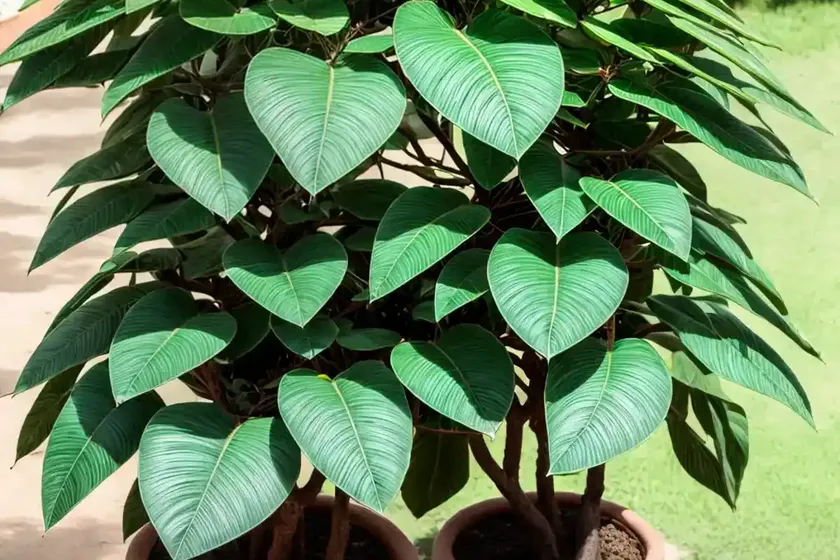

Plant enthusiasts around the world are increasingly drawn to the beauty and uniqueness of the African milk tree, scientifically known as Euphorbia trigona. Its striking appearance, low maintenance, and potential health benefits have made it a popular choice for indoor and outdoor gardens. This comprehensive guide provides valuable insights into the culture, uses, propagation, diseases, pests, and maintenance of the African milk tree, catering to both seasoned plant connoisseurs and beginners.
What is the African Milk Tree (Euphorbia trigona)?
The African milk tree, native to Central Africa, is a succulent plant that belongs to the Euphorbia genus. It is recognized for its tall, branching stems with thorns and its remarkable ability to store water in its stem. Although commonly mistaken for a cactus due to its similar appearance, it is crucial to note that the African milk tree is not a cactus but a succulent. The plant receives its name from the white sap it produces when cut, which resembles milk.
Key Takeaways – African Milk Tree (Euphorbia trigona)
Before delving into the specific care and maintenance requirements of the African milk tree, let’s take a look at the key takeaways:
- Scientific Name: Euphorbia trigona
- Native Habitat: Central Africa
- Plant Type: Succulent
- Distinctive Features: Tall, branching stems with thorns and white sap
- Use: Ornamental houseplant and outdoor landscaping
Now, let’s explore the details of African milk tree care and maintenance, covering a wide range of aspects to ensure the healthy growth of this fascinating plant.
Culture
The culture of the African milk tree involves understanding its natural habitat, growth habits, and environmental preferences. These insights are essential for successfully cultivating and maintaining the plant.
Uses
The African milk tree is primarily used for ornamental purposes, both indoors and outdoors. Its unique appearance and low maintenance requirements make it an ideal choice for enhancing the aesthetics of any space. In some cultures, the sap extracted from Euphorbia trigona is believed to possess medicinal properties, although caution is necessary due to its potential toxicity.
Water
Watering requirements play a crucial role in the growth and health of the African milk tree. Since it is a succulent, the plant has specific needs regarding water intake and watering frequency.
Sunlight
Proper sunlight exposure is vital for the growth and development of the African milk tree. The plant thrives in bright, indirect light and can also tolerate some direct sunlight. Understanding its light preferences is essential for ensuring its vitality.
Fertilizer
Fertilizing the African milk tree is an important aspect of its maintenance regimen. The right type of fertilizer, application frequency, and dosage are crucial factors to consider in supporting the plant’s growth and blooming.
Soil
The soil type and quality significantly impact the health and growth of the African milk tree. Understanding the ideal soil composition and structure is vital for providing the plant with a conducive growing environment.
Pruning
Pruning is an essential practice for maintaining the shape, health, and aesthetic appeal of the African milk tree. Proper techniques and timing for pruning are critical for the plant’s overall well-being.
Propagation
Understanding and implementing effective propagation methods are valuable for expanding your collection of African milk trees and sharing their beauty with others. Proper techniques and timing play a significant role in successful propagation.
Container Popularity
Growing the African milk tree in containers is a popular choice for many plant enthusiasts. Understanding the specific requirements and considerations for container gardening is essential for the optimal growth of the plant.
Common Diseases
Recognizing and addressing common diseases that affect the African milk tree is crucial for preventing and mitigating potential health issues. Understanding disease symptoms and treatment options is essential for maintaining the plant’s well-being.
Disease Diagnosis
Diagnosing diseases that may affect the African milk tree is a critical skill for plant caregivers. Identifying symptoms, understanding potential causes, and implementing effective treatments are essential in managing plant health.
Common Pests
Pests can pose a threat to the health and vitality of the African milk tree. Recognizing common pests, understanding their impact, and employing effective pest control measures are crucial for plant protection.
Botanist’s Tips
Gaining insights and tips from experienced botanists can significantly enhance your knowledge and expertise in caring for the African milk tree. Leveraging expert advice can contribute to the plant’s optimal growth and health.
Fun Facts
Exploring fascinating and lesser-known facts about the African milk tree adds a delightful element to the plant’s allure. Learning intriguing details about the plant can deepen your appreciation for its uniqueness.
Links to External Resources
For additional information and in-depth guidance on African milk tree care and maintenance, you can explore the following resources:
In the next sections, we will explore each of these aspects in detail, providing comprehensive insights on the care and maintenance of the African milk tree.
The care and maintenance of the African milk tree, also known as Euphorbia trigona, involves understanding and addressing various aspects such as watering, sunlight exposure, soil requirements, propagation, pruning, and pest control. Proper attention to these factors is essential in promoting the plant’s growth, health, and overall well-being. Let’s delve into each of these components and explore the best practices for caring for this unique succulent.
African Milk Tree Watering
Watering is a critical aspect of African milk tree care, as succulents have specific needs regarding water intake and watering frequency. Understanding the plant’s water requirements is essential for promoting healthy growth and preventing issues such as overwatering or underwatering.
Watering Frequency
The watering frequency for African milk trees depends on various factors, including environmental conditions, time of year, and soil moisture levels. It is crucial to strike a balance and avoid both waterlogged and excessively dry soil.
Watering Method
When watering the African milk tree, it is important to adhere to proper techniques to ensure effective moisture distribution and absorption. Directing water to the root zone and employing appropriate watering tools contribute to optimal hydration.
Signs of Overwatering and Underwatering
Recognizing the signs of overwatering and underwatering in the African milk tree is essential for timely intervention. Understanding these symptoms helps in adjusting the watering regimen to maintain the plant’s health.
Watering Tips
Implementing specific watering tips tailored to the African milk tree can significantly impact its growth and vitality. These tips encompass various aspects such as watering schedule, soil moisture assessment, and seasonal adjustments.
African Milk Tree Sunlight Requirements
Proper sunlight exposure is crucial for the African milk tree’s growth and well-being. Understanding its light preferences, managing exposure, and mitigating potential issues are fundamental in supporting its vitality.
Sunlight Intensity
The African milk tree thrives in bright, indirect light and can tolerate some direct sunlight. Assessing and controlling sunlight intensity are necessary for maintaining the plant’s health.
Sunlight Duration
Determining the appropriate duration of sunlight exposure for the African milk tree contributes to its overall well-being. Managing exposure duration based on seasonal changes and plant growth stages is essential.
Sunlight Management
Employing effective sunlight management strategies, such as adjusting the plant’s location and using shading techniques, is valuable for optimizing the African milk tree’s light intake.
African Milk Tree Fertilization
Fertilizing the African milk tree is an essential practice to support its growth and ensure optimal nutrient levels. Understanding the type of fertilizer, application frequency, and dosage are crucial for promoting the plant’s health and vitality.
Fertilizer Type
Selecting the right type of fertilizer tailored to the nutritional needs of the African milk tree is essential for providing it with the necessary nutrients for growth and blooming.
Fertilizer Schedule
Establishing a consistent fertilization schedule takes into account the plant’s growth cycle and seasonal variations, ensuring a steady supply of essential nutrients for the African milk tree.
Fertilizer Dosage
Balancing the fertilizer dosage based on the plant’s size, growth stage, and environmental conditions is crucial in preventing nutrient deficiencies or excesses that can impact the plant’s health.
African Milk Tree Soil Requirements
The soil type and quality significantly impact the growth and health of the African milk tree. Understanding the ideal soil composition and structure is crucial for providing the plant with a conducive growing environment.
Soil Mix
Creating a well-balanced soil mix for the African milk tree, incorporating proper drainage and nutrient retention components, is vital for promoting healthy root development and overall plant growth.
Soil Moisture Management
Monitoring and managing soil moisture levels based on the plant’s needs and environmental conditions contribute to maintaining optimal growing conditions for the African milk tree.
Soil Aeration
Ensuring proper soil aeration and preventing compaction are essential for supporting the African milk tree’s root development and nutrient uptake.
African Milk Tree Pruning
Pruning is an important aspect of African milk tree maintenance, as it contributes to maintaining the plant’s shape, health, and aesthetic appeal. Proper techniques and timing for pruning are crucial for the plant’s overall well-being.
Pruning Frequency
Determining the appropriate pruning frequency tailored to the growth habits of the African milk tree helps in managing its size and ensuring a well-maintained appearance.
Pruning Techniques
Employing effective pruning techniques, such as removing dead or damaged stems, managing branch density, and promoting upright growth, contributes to the overall health and aesthetics of the African milk tree.
Pruning Timing
Timing plays a crucial role in pruning the African milk tree, aligning with its growth cycle and dormancy periods for optimal results and minimal stress on the plant.
African Milk Tree Propagation Methods
Understanding and implementing effective propagation methods are valuable for expanding your collection of African milk trees and sharing their beauty with others. Proper techniques and timing play a significant role in successful propagation.
Propagation Techniques
Exploring various propagation techniques, such as stem cuttings and offshoot division, offers opportunities to create new African milk tree plants and share them with fellow plant enthusiasts.
Propagation Timing
Timing the propagation activities based on the plant’s growth cycle and optimal conditions, such as warmer temperatures and increased daylight, promotes successful establishment of new plants.
African Milk Tree Container Gardening
Growing the African milk tree in containers offers flexibility and convenience, making it a popular choice for indoor and outdoor settings. Understanding the specific requirements and considerations for container gardening is essential for the optimal growth of the plant.
Container Selection
Selecting suitable containers that provide proper drainage, aeration, and space for root development is crucial for the successful growth of the African milk tree in a container setting.
Container Maintenance
Managing container maintenance tasks, such as repotting, soil replenishment, and size adjustments, contributes to the overall health and vitality of the African milk tree in a container.
Indoor and Outdoor Container Care
Adapting container care practices based on the plant’s location, environmental conditions, and seasonal variations ensures the optimal growth and well-being of the African milk tree.
African Milk Tree Common Diseases
Recognizing and addressing common diseases that affect the African milk tree is crucial for preventing and mitigating potential health issues. Understanding disease symptoms and treatment options is essential for maintaining the plant’s well-being.
Disease Identification
Identifying common diseases that may affect the African milk tree, such as fungal infections and rot issues, enables timely intervention and effective management strategies.
Disease Prevention
Implementing proactive measures to prevent diseases, such as maintaining proper air circulation and minimizing moisture accumulation, contributes to maintaining the health of the African milk tree.
Disease Treatment
Adopting effective treatment approaches, such as targeted fungicide applications and isolation of affected plants, supports the recovery and well-being of the African milk tree.
African Milk Tree Pest Control
Pests can pose a threat to the health and vitality of the African milk tree. Recognizing common pests, understanding their impact, and employing effective pest control measures are crucial for plant protection.
Pest Identification
Recognizing common pests that may affect the African milk tree, such as spider mites and mealybugs, provides the foundation for implementing appropriate pest control measures.
Pest Prevention
Implementing preventive measures, such as regular inspection and maintaining plant hygiene, contributes to minimizing pest infestations and preserving the health of the African milk tree.
Pest Management
Deploying targeted pest management strategies, such as natural predators and chemical treatments, helps in effectively controlling pest populations and protecting the African milk tree.
African Milk Tree Botanist’s Tips
Gaining insights and tips from experienced botanists can significantly enhance your knowledge and expertise in caring for the African milk tree. Leveraging expert advice contributes to the plant’s optimal growth and health.
Expert Recommendations
Exploring expert recommendations from botanists and experienced plant caregivers provides valuable guidance on specific care practices and potential challenges associated with the African milk tree.
Best Practices
Adopting best practices endorsed by botanists and plant specialists offers a comprehensive approach to caring for the African milk tree, encompassing various aspects of its culture, maintenance, and disease management.
Advanced Care Techniques
Learning advanced care techniques and specialized approaches recommended by botanists enhances your ability to address specific needs and challenges in caring for the African milk tree.
African Milk Tree Fun Facts
Exploring fascinating and lesser-known facts about the African milk tree adds a delightful element to the plant’s allure. Learning intriguing details about the plant can deepen your appreciation for its uniqueness.
Unique Growth Habits
The African milk tree exhibits unique growth habits, including upright stems, branching patterns, and striking leafless appearance, adding to its captivating allure.
Environmental Adaptations
The plant’s ability to thrive in arid and semi-arid regions, showcasing strong drought tolerance and water retention capabilities, demonstrates its remarkable environmental adaptations.
Cultural Significance
In certain cultures, the sap extracted from Euphorbia trigona is believed to possess medicinal properties and is used for various traditional remedies, reflecting its cultural significance and historical connections.
External Resources
For additional information and in-depth guidance on African milk tree care and maintenance, you can explore the following resources:
These resources offer valuable insights and practical tips for cultivating and caring for the African milk tree, contributing to a comprehensive understanding of its unique requirements and maintenance practices.
The African milk tree, scientifically known as Euphorbia trigona, presents an intriguing and visually striking addition to indoor and outdoor gardens. Its distinctive appearance, low maintenance requirements, and potential health benefits make it a sought-after plant for plant enthusiasts. By understanding the specific culture, uses, propagation, diseases, pests, and maintenance requirements of the African milk tree, individuals can effectively nurture and enjoy the beauty of this unique succulent. Embracing the best practices, expert recommendations, and continuous learning about the African milk tree contribute to its optimal growth, health, and longevity in diverse gardening settings. Whether as an ornamental houseplant or a captivating outdoor addition, the African milk tree offers a dynamic and rewarding plant care experience, enriching the botanical diversity of any environment.