Chinese Wisteria (Wisteria sinensis ‘Alba’): A Comprehensive Guide
As a plant scientist with a passion for horticulture, I have always been captivated by the intricate beauty and fascinating biology of plants. Among the myriad of plant species that I have studied over the years, the Chinese wisteria (Wisteria sinensis ‘Alba’) stands out for its mesmerizing display of cascading white flowers and its unique cultural significance.
In this comprehensive guide, we will delve into the world of Chinese wisteria, exploring its cultivation, care, uses, and much more. Whether you are a seasoned gardener, a plant enthusiast, or simply someone who appreciates the allure of nature, this guide aims to provide valuable insights into the captivating realm of Wisteria sinensis ‘Alba’.
What is Chinese Wisteria (Wisteria sinensis ‘Alba’)?
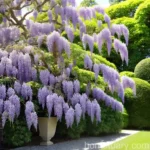
Chinese wisteria (Wisteria sinensis), also known as the ‘Alba’ variety, is a woody, deciduous vine renowned for its stunning clusters of fragrant, snow-white flowers. Native to China, this enchanting plant belongs to the Fabaceae family and is adored for its vigorous growth habit and ornamental appeal. The botanical name “Wisteria” pays homage to the American anatomist and physician, Dr. Caspar Wistar, highlighting the global recognition and admiration for this botanical gem.
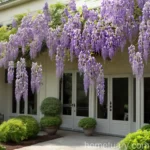
Chinese wisteria is celebrated for its aggressive climbing nature, capable of reaching considerable heights and adorning arbors, trellises, and pergolas with its picturesque blooms. The elongated, pea-like flower clusters not only exude a delightful fragrance but also attract pollinators, adding to the ecological significance of this charismatic plant.
In addition to its aesthetic allure, Chinese wisteria holds cultural symbolism in various traditions, signifying longevity, immortality, and the arrival of spring. These rich cultural associations further enhance the mystique and desirability of Chinese wisteria in horticultural and landscaping contexts.
Key Takeaways – Chinese Wisteria (Wisteria sinensis ‘Alba’)
Before we embark on the journey of exploring the nuances of caring for Chinese wisteria, let’s outline the key takeaways that will guide our discussion and equip you with essential insights into the cultivation and maintenance of this exquisite plant.
Culture
- Vigorous climbing vine
- Ornamental, cascading clusters of white flowers
- Fragrant blooms
- Culturally significant symbol of longevity and spring
- Native to China
- Belongs to the Fabaceae family
Uses
- Ornamental planting in gardens, landscapes, and parks
- Suitable for arbors, trellises, and pergolas
- Ecologically beneficial as a pollinator attractant
- Cultural symbol in various traditions
Now that we have established a foundational understanding of Chinese wisteria, let’s delve into the specific aspects of its care and cultivation, ensuring that we unravel the secrets to nurturing this captivating plant to its fullest potential.
Water
Ensuring adequate moisture for Chinese wisteria is essential for supporting its vigorous growth and robust flowering. While Chinese wisteria is relatively resilient once established, it thrives in consistently moist, well-draining soil. Proper watering techniques play a pivotal role in promoting the health and vitality of this enchanting vine. Here are some guidelines for watering Chinese wisteria:
-
Regular Watering: During the growing season, particularly in the spring and summer, it’s important to provide regular, deep watering sessions to maintain soil moisture. As a general rule, aim to water the plant thoroughly, allowing the water to penetrate the root zone and promote deep, robust root development.
-
Mulching: Applying a layer of organic mulch around the base of the plant can assist in conserving soil moisture and regulating temperature fluctuations. Mulch also serves as a natural weed suppressant, contributing to the overall health and vigor of the Chinese wisteria.
-
Avoid Waterlogging: While Chinese wisteria appreciates consistently moist soil, it’s crucial to prevent waterlogging, which can lead to root rot and other detrimental conditions. Ensure that the soil has adequate drainage to allow excess water to escape, thereby preserving a healthy root environment.
-
Drought Tolerance: Once established, Chinese wisteria exhibits a degree of drought tolerance, but it is still important to monitor soil moisture levels, especially during prolonged dry spells. By balancing consistent moisture with periods of moderate dryness, you can optimize the growth and blooming potential of your Chinese wisteria while fostering resilient, adaptable roots.
Sunlight
As a sun-loving vine, Chinese wisteria thrives in full sun, basking in the direct warmth and radiance of sunlight. Adequate exposure to sunlight is instrumental in promoting vigorous growth, abundant flowering, and overall plant vitality. When selecting a site for planting or siting an existing Chinese wisteria, consider the following sunlight-related factors:
-
Full Sunlight: Choose a location that receives ample sunlight, ideally offering at least 6-8 hours of direct sun each day. Exposure to full sunlight is essential for stimulating robust flowering and maintaining the plant’s energetic growth habit.
-
South-Facing Position: If possible, position Chinese wisteria in a south-facing or west-facing area to capitalize on the extended hours of sunlight, particularly during the peak growing season. These orientations can optimize photosynthetic activity and enhance the plant’s overall performance.
-
Shade Tolerance: While Chinese wisteria favors full sun, it can tolerate partial shade, especially in regions with intense summer heat. However, to ensure optimal flowering and growth, prioritize sun-drenched locations that harness the natural energy of the sun.
-
Sunscreen Protection: In exceptionally hot climates, provide some protection from scorching afternoon sun to prevent leaf burn and dehydration. This can be achieved through strategically placed shade structures, such as lattices or pergolas, that offer filtered sunlight and mitigate excessive heat stress.
Fertilizer
Supplemental feeding with appropriate fertilizers can bolster the vigor, blooming, and overall health of Chinese wisteria, contributing to a stunning visual display and robust growth. Strategic application of fertilizers tailored to the specific nutritional needs of the plant can optimize flowering and promote lush foliage. Here are some considerations for fertilizing Chinese wisteria:
-
Balanced Fertilizer: Choose a balanced, slow-release fertilizer formulated for flowering vines or perennial woody plants. Look for a formulation with a balanced NPK ratio, such as 10-10-10 or similar, to provide a comprehensive array of essential nutrients without skewing the plant’s growth towards excessive foliage at the expense of flowering.
-
Spring Feeding: In early spring, as the foliage begins to emerge and new growth commences, administer a controlled-release fertilizer to supply a steady stream of nutrients throughout the active growing season. This initial feeding supports robust floral bud development and bolsters the plant’s nutrient reserves.
-
Growth and Blooming Phase: As Chinese wisteria progresses through its growth and blooming stages, consider applying a light, water-soluble fertilizer every 4-6 weeks to sustain steady growth, flowering, and nutrient uptake. A phosphorus-rich fertilizer can help enhance flowering and promote the formation of abundant, vibrant blossoms.
-
Avoid Excessive Nitrogen: While nitrogen is essential for foliage and overall plant vigor, excessive nitrogen can lead to rampant vegetative growth at the expense of flowering. Strike a balance by choosing a fertilizer with moderate nitrogen levels and elevated levels of phosphorus to stimulate lush flowering.
-
Soil Nutrient Levels: Periodically assess the nutrient content of the soil to gauge the plant’s requirements and adjust the fertilization regimen accordingly. Consider conducting a soil test to evaluate the pH, nutrient levels, and overall soil health, enabling targeted fertilization tailored to the specific needs of Chinese wisteria.
Soil
The soil composition and structure profoundly influence the growth, health, and flowering performance of Chinese wisteria. Providing an optimal soil environment rich in nutrients, well-aerated, and conducive to robust root development is pivotal for nurturing a thriving, resilient plant. When assessing and amending the soil for Chinese wisteria, consider the following soil-related considerations:
-
Well-Draining Soil: Chinese wisteria thrives in well-draining soil that prevents waterlogging and promotes healthy root respiration. Ensure that the soil possesses adequate drainage, avoiding compacted, waterlogged conditions that can impede root growth and precipitate fungal diseases.
-
Loamy Texture: A loamy soil texture, characterized by a balanced blend of sand, silt, and clay, offers an ideal compromise between moisture retention and drainage. Amend heavy clay soils with organic matter, such as compost or well-rotted manure, to enhance soil structure and promote a friable, well-aerated root zone.
-
Nutrient-Rich Medium: Enrich the soil with organic amendments, such as compost, humus, or aged organic matter, to infuse the soil with essential nutrients, enhance microbial activity, and foster a fertile, hospitable environment for Chinese wisteria. Organic matter promotes soil structure, moisture retention, and nutrient availability, laying the foundation for healthy plant growth.
-
pH Optimization: Chinese wisteria thrives in slightly acidic to neutral soil with a pH range of 6.0 to 7.5. Periodically monitor the soil pH and adjust it as needed with appropriate amendments, such as elemental sulfur for lowering pH or dolomitic limestone for raising pH, to align with the plant’s preferred pH range.
-
Soil Compaction: Combat soil compaction by aerating the soil with gentle cultivation, incorporating organic matter, and avoiding heavy foot traffic around the plant’s root zone. Aeration enhances root penetration, facilitates water infiltration, and fosters a dynamic, biologically active soil matrix.
Pruning
Pruning is an integral facet of Chinese wisteria care, shaping the plant’s form, promoting floral abundance, and managing its exuberant growth. Strategic pruning can invigorate the plant, curate its aesthetic appeal, and mitigate potential issues such as overcrowding and tangled growth. By adhering to prudent pruning techniques, you can optimize the health and visual impact of Chinese wisteria. Consider the following aspects when planning the pruning regimen for Chinese wisteria:
-
Timing: Prune Chinese wisteria during its dormant phase in late winter to early spring, before the onset of new growth. This timing aligns with the plant’s natural dormancy, facilitating wound healing, minimizing stress, and promoting vigorous regrowth once the growing season commences.
-
Reduced Vigorous Growth: Prune back overly vigorous growth, such as rampant shoots or excessively long runners, to manage the plant’s exuberant tendencies and promote a well-balanced, structured growth habit. By curbing excessive growth, you can channel the plant’s energy into prolific flowering and robust, manageable growth.
-
Flowering Stimulation: Trim back the previous year’s growth to encourage the development of floral spurs and enhance the formation of abundant, showy blossoms. Strategic pruning can stimulate the production of flowering wood, optimizing the potential for an opulent floral display in the subsequent bloom cycle.
-
Canopy Management: As Chinese wisteria matures, maintain a well-ventilated canopy by thinning out congested growth, removing dead or diseased wood, and sculpting the plant’s silhouette to promote air circulation and sunlight penetration. A well-managed canopy reduces the risk of fungal diseases and encourages robust, healthy growth.
-
Architectural Form: Prune Chinese wisteria to conform to your desired architectural vision, whether it involves training the vine on a trellis, crafting an enchanting arbor display, or showcasing the plant’s cascading elegance in a tailored form. Pruning facilitates artistic expression and allows you to customize the plant’s structure to suit your landscape design.
Propagation
Propagating Chinese wisteria offers an opportunity to propagate new plants, perpetuate favored varieties, and expand your wisteria collection through a range of propagation methods tailored to the specific preferences and requirements of this captivating plant. Whether you prefer seed propagation, softwood cuttings, or layering, exploring the diverse propagation techniques can enrich your experience as a wisteria enthusiast.
Seed Propagation
- Collect mature wisteria seeds in the fall after the pods dry and turn brown.
- Scarify the seeds by nicking the seed coat with a file or sandpaper to facilitate germination.
- Sow the scarified seeds in a prepared seedbed or containers filled with well-draining, fertile soil in the fall or early spring.
- Ensure consistent soil moisture and protect the developing seedlings from extreme temperatures and environmental stress.
Softwood Cuttings
- Select healthy, non-flowering shoot tips in early summer and take 4-6 inch long cuttings.
- Strip the lower leaves from the cuttings and apply a rooting hormone to stimulate root initiation.
- Insert the cuttings into a well-draining rooting medium, maintain consistent moisture, and provide a conducive, humid environment to foster root development.
- Transplant the rooted cuttings into individual containers once they establish a strong root system.
Layering
- Identify a low, flexible shoot in the spring and prepare the selected stem for layering by creating a shallow wound and applying rooting hormone.
- Gently bend the wounded portion of the stem, bury it in a shallow trench filled with conducive rooting medium, and secure it in place.
- Encourage the development of roots at the point of soil contact, keeping the soil consistently moist and providing protection from environmental stressors.
- Once the layered stem establishes a robust root system, sever it from the parent plant and transplant it to a suitable location.
Division
- For mature Chinese wisteria plants, consider dividing the root clump in the early spring before the onset of active growth.
- Carefully excavate the root mass, ensuring to preserve the integrity of the individual divisions.
- Replant the divided sections in well-prepared soil, providing optimal growing conditions to facilitate their establishment and subsequent growth.
Grafting
- Explore the grafting techniques specific to wisteria, such as whip grafting or cleft grafting, to unite desired wisteria cultivars onto compatible rootstock.
- Execute the grafting process with precision, ensuring proper alignment of the cambial layers for successful graft union and subsequent growth.
- Provide conducive conditions for the grafted plants to bond and flourish, nurturing the combined vigor and character of the grafted cultivar.
By embracing the art of propagation and experimenting with diverse techniques, you can enrich your connection with Chinese wisteria, expand your wisteria collection, and partake in the legacy of propagating this timeless botanical treasure.
Container Cultivation
For gardeners with limited space or those seeking to showcase Chinese wisteria in a versatile, adaptable manner, container cultivation offers an attractive avenue for experiencing the allure of wisteria on a smaller scale. Cultivating wisteria in containers enables you to tailor its growth, showcase its captivating blooms, and integrate it seamlessly into patio settings, urban gardens, and compact landscapes. Here are some key considerations for successful container cultivation of Chinese wisteria:
-
Container Selection: Choose a sizable, sturdy container with ample drainage holes and a capacity that accommodates the vigorous growth of Chinese wisteria. Consider selecting a large, deep container to provide sufficient space for the plant’s roots to expand and thrive.
-
Well-Draining Medium: Fill the container with a well-draining, nutrient-rich growing medium tailored for woody plants or flowering vines. Incorporate organic matter, such as compost or aged bark fines, to enhance soil structure, promote aeration, and foster a conducive root environment.
-
Support Structure: Install a sturdy trellis, obelisk, or other vertical support system within the container to facilitate the climbing habit of Chinese wisteria. Position the support structure at the time of planting to guide the tendrils and encourage upward growth, ensuring that the plant’s display remains captivating and well-structured.
-
Water Management: Monitor the moisture levels in the container closely, ensuring that the soil remains consistently moist without becoming waterlogged. Container-grown wisterias may require more frequent watering compared to their counterparts in the ground, necessitating diligent attention to maintain optimal soil moisture.
-
Fertilization: Provide regular fertilization to potted Chinese wisteria, as container-grown plants may exhaust the available nutrients more rapidly than those planted in the ground. Opt for a balanced, slow-release fertilizer suited for container plants to nourish the wisteria and sustain its growth and blooming potential.
-
Pruning and Training: Regularly prune and train the wisteria to enforce the desired growth habit within the confines of the container. By selectively pruning wayward shoots and shaping the plant’s form, you can curate an alluring, well-mannered display that harmonizes with your outdoor living space.
By embracing the versatility of container cultivation, you can experience the elegance and charm of Chinese wisteria in a compact, manageable format, infusing your patio, balcony, or garden with the ethereal beauty and sensory allure of wisteria blossoms.
Popularity
The enduring popularity of Chinese wisteria (Wisteria sinensis ‘Alba’) transcends geographical boundaries, captivating gardening enthusiasts, landscape designers, and nature lovers worldwide. This enduring appeal owes much to the plant’s enchanting aesthetic, cultural significance, and versatile utility in diverse horticultural and ornamental settings.
Ornamental Magnificence
The cascading beauty of Chinese wisteria in full bloom evokes a sense of enchantment and romantic allure, adorning arbors, trellises, and pergolas with opulent clusters of snow-white blossoms. Its ornamental magnificence and eye-catching elegance make it a favored choice for gardens, parks, and public landscapes, where the ethereal charm of wisteria adds a touch of timeless beauty and botanical splendor.
Horticultural Legacy
As a revered botanical specimen with deep-rooted cultural symbolism, Chinese wisteria holds a revered place in the annals of horticultural history, inspiring dedicated cultivators, artists, and storytellers. Its depiction in art, literature, and cultural heritage further amplifies its significance, perpetuating its allure as a symbol of grace, resilience, and natural splendor.
Ecological Contribution
Beyond its visual appeal and cultural resonance, Chinese wisteria fulfills vital ecological roles as a pollinator attractant, benefiting native pollinators such as bees, butterflies, and hummingbirds. Through its nectar-rich blooms and alluring fragrance, wisteria forges vital connections within the ecological web, contributing to biodiversity and sustaining the precious tapestry of natural life.
Gardening Delight
For gardeners and landscape enthusiasts, Chinese wisteria embodies the joy of nurturing and witnessing the gradual transformation of a humble vine into a resplendent floral showcase. The satisfaction of cultivating and caring for Chinese wisteria, from planting the first tendrils to savoring the cascading display of flowers, epitomizes the rewarding essence of gardening and the boundless splendor of nature.
Cultural Significance
Embedded in various cultural narratives and traditions, Chinese wisteria carries profound symbolism as a harbinger of spring, a symbol of longevity, and a representation of enduring beauty. Its place in communal celebrations, artistic expressions, and historical customs underscores its resonance as a living embodiment of timeless virtues and natural grace.
From private gardens to public spaces, Chinese wisteria continues to captivate and inspire, weaving its enduring spell and fostering an appreciation for the artistry and resilience of nature in all its fleeting, yet immutable, beauty.
Common Diseases
Ensuring the health and vitality of Chinese wisteria involves safeguarding it against potential diseases that can undermine its growth