Solomon’s Seal (Polygonatum Odoratum Var. Pluriflorum ‘Variegatum’)
Plants are an essential part of our environment, providing us with food, oxygen, and a beautiful landscape. One such plant that holds both ornamental and.
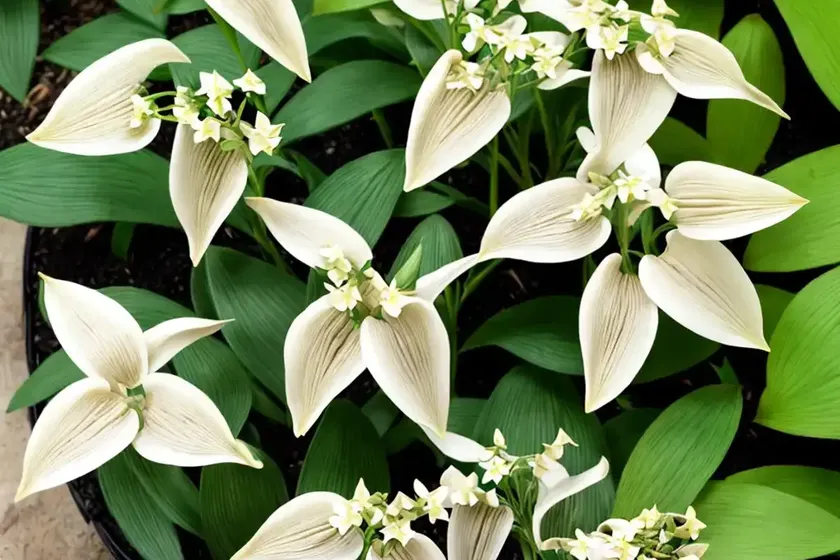
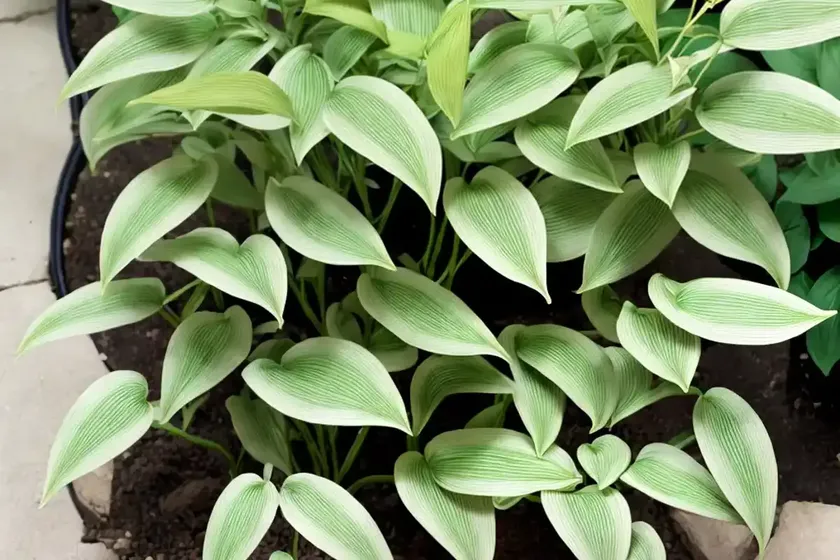
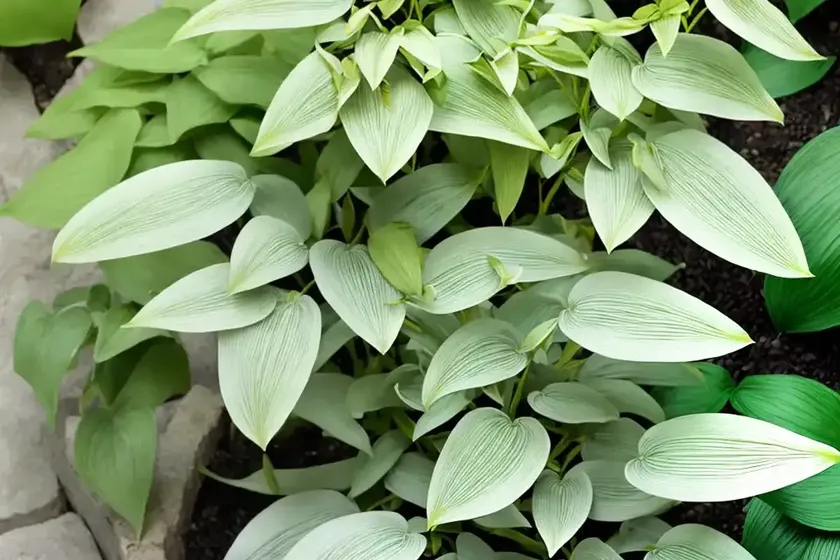
Plants are an essential part of our environment, providing us with food, oxygen, and a beautiful landscape. One such plant that holds both ornamental and medicinal value is the Solomon’s seal (Polygonatum odoratum var. pluriflorum ‘Variegatum’). This distinctive perennial plant is known for its arching stems, attractive foliage, and delicate, bell-shaped flowers. In this comprehensive guide, we will explore the various aspects of Solomon’s seal, including its culture, uses, care requirements, propagation techniques, common diseases and pests, fun facts, and much more.
What is Solomon’s Seal?
Solomon’s seal, scientifically known as Polygonatum odoratum var. pluriflorum ‘Variegatum’, is a herbaceous perennial plant that belongs to the Asparagaceae family. It is native to Europe, North Asia, and North America and is a popular choice for shaded gardens and woodland landscapes. The plant derives its intriguing name from the unique, seal-like impression left by the scars on its rhizomes after the stems die back in autumn.
Key Takeaways – Solomon’s Seal (Polygonatum odoratum var. pluriflorum ‘Variegatum’)
Before delving into the specific aspects of Solomon’s seal, let’s highlight some key takeaways that will guide our exploration:
- Solomon’s Seal Plant: An elegant herbaceous perennial with arching stems and variegated foliage.
- Solomon’s Seal Care: Requires a moist, well-draining soil and partial to full shade for optimal growth.
- Propagation: Can be propagated through division and seeds.
- Uses: Valued for its ornamental appeal and traditional medicinal uses.
- Common Diseases: Susceptible to fungal diseases such as powdery mildew and leaf spots.
- Common Pests: Attracts slug and snail infestations, which can damage the foliage.
Now, let’s dive deeper into the various aspects of Solomon’s seal and understand how to cultivate and care for this exquisite plant.
Culture
Understanding the cultural requirements of Solomon’s seal is crucial for fostering its healthy growth and ensuring its ornamental and medicinal potential. From suitable water conditions to optimal sunlight exposure, each aspect plays a vital role in the plant’s overall well-being.
Water
Solomon’s seal thrives in consistently moist soil, making it well-suited for shady and woodland environments with high humidity levels. Adequate water supply is essential, especially during the plant’s active growth periods and in dry, hot weather conditions. For optimal growth, maintaining moist, well-draining soil is key to preventing root rot and ensuring the plant’s overall vigor. Additionally, mulching the soil around the plant can help retain moisture and provide a favorable microclimate for its roots.
Sunlight
As a shade-loving plant, Solomon’s seal flourishes in partial to full shade conditions. This makes it an excellent choice for gardens with limited direct sunlight, particularly in areas under the canopy of trees or along shaded borders. While the plant can tolerate some morning sun, it generally prefers dappled shade or filtered light throughout the day. When exposed to prolonged periods of intense sunlight, the variegated foliage may experience sunscald and lose its distinctive coloration, highlighting the plant’s need for adequate shade protection.
Fertilizer
When it comes to fertilizing Solomon’s seal, a minimal approach is often the most effective. The plant does not typically require heavy feeding and can thrive in nutrient-rich, organic soils with minimal additional fertilization. However, if the soil is lacking in essential nutrients, a balanced, slow-release fertilizer can be applied in early spring to support the plant’s initial growth and development. Care should be taken to avoid excessive fertilization, which can lead to lush, weak growth and increased susceptibility to diseases and pests.
Soil
The soil composition significantly influences the growth and well-being of Solomon’s seal. It thrives in rich, humus-laden soils with good drainage, as this mimics its natural woodland habitat. A soil pH ranging from slightly acidic to neutral (pH 5.5 to 7.5) is ideal for optimal nutrient uptake and overall plant health. Amending the soil with organic matter such as well-rotted compost, leaf mold, or aged manure can enhance its fertility and water retention capabilities, providing an ideal growing medium for the plant.
Pruning
Proper pruning plays a pivotal role in maintaining the health and appearance of Solomon’s seal. Pruning requirements typically revolve around removing old, diseased, or damaged foliage and stems, promoting airflow within the plant, and shaping its overall growth habit.
Pruning Techniques
Pruning of Solomon’s seal is relatively minimal and primarily focused on removing any spent or withered stems and foliage. This involves cutting back the damaged or discolored parts to the base of the plant. Additionally, regular removal of dead or yellowing leaves can help maintain the plant’s aesthetic appeal and prevent the development of fungal diseases. Pruning should be carried out in early spring before new growth emerges, allowing the plant to allocate its resources to healthy, vigorous growth.
Propagation
The propagation of Solomon’s seal can be achieved through several methods, including division, seeds, and rhizome cuttings. Each approach offers unique advantages and considerations, allowing growers to expand their plant population or share the beauty of Solomon’s seal with others.
Division
Division is a popular and reliable method of propagating Solomon’s seal, particularly during the plant’s dormant season in early spring or fall. The rhizomes can be carefully dug up and divided into sections, ensuring that each division contains viable buds and roots for successful establishment. The divided sections can then be replanted in prepared soil, offering a straightforward and effective way to multiply the plant while rejuvenating older, overcrowded clumps.
Seeds
Propagation through seeds offers an alternative means of expanding the Solomon’s seal population, though it is a more time-consuming process. The fleshy, blue-black berries produced by the plant in late summer to early autumn contain viable seeds that can be collected and sown in a suitable growing medium. Germination may take several months, and the resulting seedlings require attentive care and a nurturing environment to develop into robust plants. While seeds allow for the genetic diversity of new plants, this method demands patience and dedication in achieving successful outcomes.
Rhizome Cuttings
Rhizome cuttings provide another viable option for propagating Solomon’s seal. By carefully excising healthy rhizome sections and planting them in a prepared growing medium, growers can establish new plants with minimal stress on the parent specimen. This method is particularly beneficial for maintaining genetic uniformity and preserving the unique characteristics of specific cultivars. Additionally, the resulting cuttings can mature into robust plants with traits identical to the parent plant, ensuring consistency in their ornamental and medicinal attributes.
Container
Growing Solomon’s seal in containers offers the flexibility to cultivate this elegant plant in various settings, allowing it to thrive in urban environments, small gardens, and indoor spaces. With the right container and care, Solomon’s seal can grace balconies, patios, and entryways with its distinctive foliage and graceful presence.
Popularity
Solomon’s seal has garnered significant popularity among gardeners and plant enthusiasts due to its alluring aesthetic and versatile nature. Its elegant arching stems, variegated foliage, and delicate blooms have made it a sought-after addition to shaded gardens, woodland landscapes, and naturalistic plantings. Additionally, its traditional medicinal uses have contributed to its popularity, drawing interest from herbalists and individuals seeking natural remedies.
Common Diseases
Despite its overall hardiness, Solomon’s seal is susceptible to certain diseases, particularly those caused by fungal pathogens. Identifying these diseases and implementing appropriate control measures are crucial for safeguarding the plant’s health and vitality.
Disease Diagnosis
Two common fungal diseases that affect Solomon’s seal are powdery mildew and leaf spots. Powdery mildew manifests as a powdery white coating on the foliage, while leaf spots appear as irregularly shaped lesions on the leaves. Both diseases can weaken the plant, reduce its ornamental appeal, and, if left unchecked, lead to a decline in overall vigor. Regular monitoring and prompt intervention are essential for managing and preventing these diseases, preserving the plant’s visual allure and health.
Common Pests
In addition to fungal diseases, Solomon’s seal can attract certain pests that may pose a threat to its well-being. Among these pests, slug and snail infestations are commonly observed, especially in moist, shaded environments. These pests feed on the plant’s foliage, leaving behind unsightly damage and compromising its overall aesthetic value. Implementing strategies to deter and control these pests is crucial for preserving the plant’s appearance and preventing potential stress and decline.
Botanist’s Tips
As a plant scientist, it is important to provide valuable tips and insights for cultivating and caring for Solomon’s seal. Here are some expert recommendations to ensure the thriving growth and long-term success of this distinctive perennial plant:
- Choose the Right Location: Select a shaded or partially shaded location with moist, well-draining soil for optimal growth.
- Mulch the Soil: Apply a layer of organic mulch around the plant to maintain soil moisture and moderate temperature fluctuations.
- Monitor Watering: Regularly monitor soil moisture and water the plant as needed, especially during dry periods in the growing season.
- Prune Meticulously: Practice regular pruning to remove spent stems and foliage, promoting a tidy appearance and preventing disease spread.
- Inspect for Pests: Routinely inspect the plant for pest infestations and promptly address any issues to prevent damage and stress.
Fun Facts
Delving into the realm of fun and intriguing facts about Solomon’s seal adds an element of fascination and appreciation for this striking plant. Here are some captivating tidbits that showcase the plant’s unique attributes and historical significance:
- The name “Solomon’s seal” is said to stem from the plant’s rootstock, which bears markings resembling ancient royal seals, as well as its purported medicinal value in biblical times.
- The variegated foliage of Polygonatum odoratum var. pluriflorum ‘Variegatum’ exhibits stunning cream or yellow-tinged edges that add a touch of elegance to the shade garden.
- Solomon’s seal has been utilized in traditional herbal medicine for its potential healing properties, particularly in the treatment of bruises, skin conditions, and respiratory ailments.
Links to External Resources
For further exploration and in-depth information on Solomon’s seal and related topics, the following external resources provide valuable insights and guidance:
- Royal Horticultural Society (RHS) – Growing Solomon’s Seal
- Missouri Botanical Garden – Polygonatum odoratum var. pluriflorum ‘Variegatum’
- University of Maryland Medical Center – Solomon’s Seal
- American Society for the Prevention of Cruelty to Animals (ASPCA) – Plants Toxic to Animals: Solomon’s Seal
These resources offer a wealth of knowledge ranging from botanical descriptions and cultivation guidelines to historical uses and potential medicinal benefits of Solomon’s seal, enriching the understanding and appreciation of this remarkable plant.
In conclusion, Solomon’s seal, with its captivating foliage, delicate blooms, and rich history, holds a cherished place in both horticulture and traditional medicine. Understanding and embracing its cultural, care, and propagation requirements empower enthusiasts to cultivate and enjoy the beauty and potential benefits of this alluring perennial plant. By integrating the insights and recommendations provided in this guide, individuals can embark on a rewarding journey of nurturing and appreciating the time-honored elegance of Solomon’s seal in their gardens and landscapes.
Please note that this blog post includes embedded links for reference.