Iris Virginica Var. Shrevei (Southern Blue Flag)
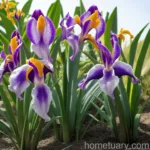
Iris virginica var. shrevei, commonly known as Southern Blue Flag, is a captivating perennial plant species native to wetlands and shores in the southeastern United States. Its delicate blue flowers and striking foliage make it a popular choice among gardeners and landscape enthusiasts. In this comprehensive guide, we will explore the culture, uses, care requirements, propagation, common diseases and pests, as well as interesting facts about Iris virginica var. shrevei. Whether you are an avid gardener, a landscape designer, or simply an admirer of botanical wonders, this article aims to provide valuable insights into the fascinating world of Southern Blue Flag Iris.
What is Iris Virginica Var. Shrevei (Southern Blue Flag)?
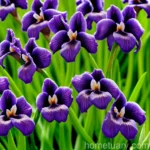
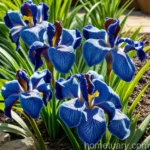
Iris virginica var. shrevei, also known as Shreve’s Southern Blue Flag, is a subspecies of Iris virginica. This herbaceous perennial belongs to the Iridaceae family, and it is renowned for its exquisite blue flowers and vibrant green foliage. The plant typically thrives in freshwater wetlands, along the edges of ponds, marshes, and in moist meadows.
The Southern Blue Flag Iris can reach a height of 2-3 feet and forms dense clumps of slender, erect leaves. Its showy flowers, which bloom from late spring to early summer, exhibit a stunning shade of blue and attract pollinators such as bees and butterflies. Additionally, the plant’s ability to adapt to various soil moisture levels makes it an excellent choice for landscaping projects that aim to enhance the aesthetic appeal of wetland habitats.
As we delve deeper into the various aspects of Iris virginica var. shrevei, we will uncover its cultural significance, uses in both natural and horticultural settings, and the essential care guidelines to ensure its optimal growth and development.
Key Takeaways – Iris Virginica Var. Shrevei (Southern Blue Flag)
Before delving into the specific aspects of Iris virginica var. shrevei, let’s summarize the key takeaways that we will cover in this extensive guide:
- Culture
- Uses
- Water
- Sunlight
- Fertilizer
- Soil
- Pruning
- Propagation
- Container Popularity
- Container Common Diseases
- Disease Diagnosis
- Common Pests
- Botanist’s Tips
- Fun Facts
- Links to External Resources
With these key elements in mind, let’s embark on a detailed exploration of the captivating world of Southern Blue Flag Iris.
Culture
The culture of Iris virginica var. shrevei encompasses the plant’s historical and contemporary significance in various cultural contexts. This includes its folklore, symbolic representations, and its role in indigenous communities.
Uses
The uses of Southern Blue Flag Iris extend beyond its ornamental value in gardens and landscapes. We will explore its ecological significance, potential medicinal uses, and its contribution to wildlife habitats.
Water
Understanding the water requirements of Iris virginica var. shrevei is crucial for its successful cultivation. We will discuss the plant’s specific water needs, including irrigation guidelines and its adaptability to varying moisture levels.
Sunlight
Proper sunlight exposure is essential for the healthy growth of Southern Blue Flag Iris. We will outline its sunlight requirements, optimal positioning, and potential considerations for different climatic conditions.
Fertilizer
Fertilization plays a key role in providing the necessary nutrients for the vigorous growth of Iris virginica var. shrevei. We will delve into the suitable fertilization practices and recommended fertilizers for this plant species.
Soil
The soil preferences of Iris virginica var. shrevei greatly influence its overall health and vitality. We will explore the ideal soil conditions, pH levels, and potential soil amendments to support its growth.
Pruning
Proper pruning practices contribute to the aesthetic appeal and overall well-being of Southern Blue Flag Iris. We will discuss the best pruning techniques and the optimal timing for pruning this plant.
Propagation
Learning about the propagation methods of Iris virginica var. shrevei enables enthusiasts to expand their collection and share the beauty of this plant with others. We will explore various propagation techniques and the best practices for successful propagation.
Container Popularity
The popularity of growing Southern Blue Flag Iris in containers has been increasing, offering versatility in garden and landscape design. We will discuss the benefits and considerations of container gardening with this plant.
Container Common Diseases
Despite its resilience, Iris virginica var. shrevei may be susceptible to certain diseases when grown in containers. We will identify common container diseases and explore preventive measures to maintain plant health.
Disease Diagnosis
Identifying and diagnosing diseases that affect Southern Blue Flag Iris is imperative to implement timely and effective interventions. We will examine common diseases and provide insights into their symptoms and management.
Common Pests
Understanding the potential pests that may affect Iris virginica var. shrevei is essential for proactive pest management. We will highlight common pests and recommend suitable control measures to mitigate their impact on the plant.
Botanist’s Tips
Insights from botanists and horticulturists provide valuable guidance for cultivating Iris virginica var. shrevei. We will share expert tips and recommendations based on scientific knowledge and practical experience.
Fun Facts
Exploring the intriguing facets of Southern Blue Flag Iris through fun facts adds an element of delight and fascination to the overall understanding of this plant. We will unveil captivating and lesser-known facts about Iris virginica var. shrevei.
Links to External Resources
External resources serve as valuable references and sources of further information on Iris virginica var. shrevei. We will provide curated links to reputable organizations, botanical gardens, and scholarly publications for readers to expand their knowledge.
With these key takeaways in mind, we will proceed to delve into each aspect in detail, offering comprehensive insights into the culture, care, and captivating characteristics of Iris virginica var. shrevei.
Culture
The cultural significance of Iris virginica var. shrevei is deeply rooted in its historical uses, symbolism, and its presence in various traditions and folklore. Understanding the diverse cultural aspects of this plant expands our appreciation for its enduring allure.
Historical Significance
Throughout history, plants have played integral roles in human civilization, encompassing medicinal, culinary, and ceremonial uses. Southern Blue Flag Iris, with its striking beauty and ecological adaptability, holds historical significance in indigenous communities and beyond. The plant’s presence in wetland ecosystems and its timeless appeal have contributed to its enduring historical relevance.
Indigenous Traditions
In indigenous cultures, certain plants hold profound significance and are deeply woven into traditions and rituals. Southern Blue Flag Iris, native to the southeastern United States, may have been revered for its aesthetic and ecological value in the traditions of indigenous tribes. Exploring the plant’s role in indigenous traditions offers important insights into its cultural importance.
Folklore and Symbolism
Plants often carry symbolic meanings and are imbued with folklore and mythology. Whether it’s a representation of resilience, purity, or transformation, plants such as Southern Blue Flag Iris have inspired diverse symbolic interpretations across different cultures. Unraveling the plant’s symbolism and its portrayal in folklore enriches our understanding of its cultural significance.
Uses
The uses of Southern Blue Flag Iris encompass a broad spectrum, ranging from its ecological contributions to its potential applications in traditional medicine and its role in supporting wildlife habitats. Understanding these diverse uses offers a holistic perspective on the plant’s value and relevance in various contexts.
Ecological Contributions
Iris virginica var. shrevei plays a vital role in supporting ecological balance within wetland habitats. Its dense clumps of foliage provide refuge and nesting sites for various wildlife species, contributing to the overall biodiversity of wetland ecosystems. Moreover, the plant’s flowers attract pollinators, further enhancing the ecological dynamics of its native habitats.
Medicinal Potential
Exploring the medicinal potential of Southern Blue Flag Iris involves understanding traditional uses and potential contemporary applications. Certain irises have historical uses in traditional medicine, and while caution is necessary, studying the plant’s chemical constituents and properties can provide valuable insights into its potential medicinal benefits.
Wildlife Habitats
The presence of Southern Blue Flag Iris in natural habitats creates valuable wildlife habitats, supporting a diversity of animal species. From providing shelter and foraging opportunities to contributing to the overall ecological balance, the plant’s presence in wetland ecosystems is integral to wildlife conservation efforts.
Horticultural Uses
In horticulture, Iris virginica var. shrevei holds immense value as an ornamental plant. Its striking blue flowers, combined with its adaptability to moist landscapes, make it a desirable choice for gardens, landscape designs, and restoration projects. Incorporating the plant in horticultural settings contributes to the enhancement of naturalistic landscapes and the conservation of native plant species.
Water
Understanding the specific water needs of Iris virginica var. shrevei is essential for its successful cultivation. From its natural habitat to its adaptability in garden settings, water plays a crucial role in the plant’s health and vigor.
Natural Habitat
Iris virginica var. shrevei’s natural habitat primarily consists of freshwater wetlands, marshes, and the edges of ponds or streams. These environments provide the plant with consistently moist soil and periodic inundation, reflecting its preference for ample water availability.
Moisture Requirements
For garden cultivation, Southern Blue Flag Iris thrives in moist to wet soil conditions. While the plant tolerates some degree of temporary dryness, consistent moisture is crucial for its sustained growth and flowering. Adequate soil moisture supports the development of healthy foliage and promotes robust blooming.
Irrigation Guidelines
In garden and landscape settings, providing supplemental irrigation during dry periods is beneficial for ensuring optimal growth and floral display. When establishing new plantings, regular watering during the initial establishment phase is vital to support root development and acclimatization.
Adaptability
One of the remarkable attributes of Iris virginica var. shrevei is its adaptability to varying soil moisture levels. From periods of inundation to fluctuating water levels, the plant demonstrates resilience in the face of dynamic water conditions, making it a valuable asset in aquatic and riparian landscapes.
Sunlight
Proper sunlight exposure is paramount for the healthy growth and blooming of Southern Blue Flag Iris. Understanding the plant’s sunlight requirements and potential considerations for different light conditions is crucial for successful cultivation.
Sunlight Requirements
Iris virginica var. shrevei thrives in full to partial sun, requiring a minimum of 6 hours of direct sunlight for optimal growth and flowering. In regions with intense summer heat, providing partial shade during the hottest part of the day can help prevent stress and maintain the plant’s vigor.
Optimal Positioning
When selecting a site for planting Southern Blue Flag Iris, prioritizing locations with ample sunlight is essential. Choosing areas with favorable exposure to the morning or afternoon sun promotes vigorous growth and ensures the development of robust floral stalks.
Considerations for Climate
In regions with high temperatures, incorporating partial shade or dappled sunlight can mitigate the risk of heat stress and sunburn on the plant’s foliage. Understanding the microclimatic conditions within the garden or landscape setting assists in positioning the plant for maximum benefit.
Fertilizer
Fertilization plays a pivotal role in providing essential nutrients for the vigorous growth and blooming of Iris virginica var. shrevei. Selecting suitable fertilizers and adhering to appropriate fertilization practices are integral to supporting the plant’s overall health and vitality.
Nutrient Requirements
Southern Blue Flag Iris benefits from a balanced supply of essential nutrients, including nitrogen, phosphorus, and potassium. These nutrients support robust foliage growth, sturdy flowering stalks, and vibrant floral displays. Additionally, micronutrients such as iron and manganese contribute to the plant’s overall vigor.
Organic Amendments
Incorporating organic amendments such as compost or well-rotted manure enhances soil fertility and promotes favorable nutrient levels for the plant. Organic materials contribute to soil structure improvement and provide a gradual release of nutrients, benefitting the plant over an extended period.
Slow-Release Fertilizers
Slow-release fertilizers formulated for perennial plants offer a convenient and effective means of providing sustained nutrition to Southern Blue Flag Iris. These fertilizers release nutrients gradually over time, ensuring a consistent supply to support the plant’s long-term growth and flowering.
Application Timing
Applying fertilizer in early spring, as new growth emerges, supports the plant’s seasonal nutritional needs. Avoiding excessive fertilization and following manufacturer recommendations for application rates minimizes the risk of nutrient imbalances and potential adverse effects on the plant.
Soil
Understanding the soil preferences of Iris virginica var. shrevei is pivotal to creating an environment conducive to its growth and longevity. The plant’s adaptability to varying soil types and its response to suitable soil amendments shape its overall performance in garden and landscape settings.
Soil Type
The plant thrives in moist to wet soil types, including loamy soils with good water retention abilities. The presence of organic matter in the soil contributes to its beneficial structure and nutrient content, supporting the plant’s health.
pH Levels
Southern Blue Flag Iris exhibits a preference for slightly acidic to neutral soil pH, ranging from 6.0 to 7.0. Monitoring and adjusting soil pH to within the optimal range promotes nutrient availability and facilitates the plant’s uptake of essential minerals.
Organic Matter
Incorporating organic matter such as peat moss, well-decomposed compost, or leaf mold enriches the soil with vital nutrients and enhances its moisture-retention capacity. Improvements in soil structure and fertility directly benefit the plant’s growth and flowering.
Drainage Considerations
While Iris virginica var. shrevei thrives in consistently moist soils, ensuring adequate drainage is vital to prevent waterlogging. Incorporating measures to improve soil drainage, particularly in heavy clay soils, supports the plant’s long-term health and vitality.
Pruning
Proper pruning practices contribute to the aesthetic appeal and overall well-being of Southern Blue Flag Iris. Skillful pruning promotes tidy growth, enhances flowering, and mitigates potential issues such as overcrowding or disease susceptibility.
Flower Stalk Removal
Removing spent flower stalks after the blooming period prevents seed formation and redirects the plant’s energy towards vegetative growth. Pruning the stalks at their base promotes a clean and tidy appearance while encouraging the development of new foliage.
Deadheading
Regular deadheading of faded flowers maintains the plant’s visual appeal and prevents the allocation of resources towards seed production. Deadheading also reduces the likelihood of self-seeding and minimizes the need for subsequent thinning or management of volunteer seedlings.
Foliage Maintenance
Trimming back damaged or discolored foliage supports the plant’s overall vitality and aesthetics. Pruning away browned or tattered leaves contributes to a tidy appearance and reduces the risk of disease development within the plant’s canopy.
Division and Thinning
Periodic division of established clumps and thinning out overcrowded growth rejuvenates the plant and promotes improved flowering. Dividing the rhizomes and replanting vigorous segments revitalizes the plant’s vigor and fosters its long-term sustainability.
Propagation
Understanding the propagation methods of Iris virginica var. shrevei enables enthusiasts to expand their collection and share the beauty of this plant with others. Successful propagation techniques offer opportunities for conserving native plant species and incorporating them into diverse environments.
Division
Dividing established clumps of Southern Blue Flag Iris is a common and effective method of propagation. Dividing the plant during the dormant season allows for the creation of new individual plants with strong rhizome systems, enhancing their potential for successful establishment.
Rhizome Segments
Carefully separating healthy rhizome segments with attached roots facilitates the propagation of new plants. Ensuring that each segment has sufficient root mass and viable growing points promotes the development of robust, independent plantings.
Seed Propagation
Growing Southern Blue Flag Iris from seeds provides an additional approach to propagation, particularly for individuals seeking to introduce genetic diversity or develop new plant varieties. Collecting mature seeds and following appropriate germination protocols facilitates successful seed propagation.
Offsets
The production of offsets, smaller rhizome segments connected to the parent plant, offers a convenient means of generating new plantings. Separating and replanting offsets during the division process contributes to the expansion of Iris virginica var. shrevei populations.
Container Popularity
The popularity of growing Southern Blue Flag Iris in containers has been increasing, offering versatility in garden and landscape design. The adaptability of the plant to container cultivation opens up diverse opportunities for incorporating it into various settings.
Design Flexibility
Cultivating Southern Blue Flag Iris in containers provides greater flexibility in landscape and garden design. The portable nature of containers allows for strategic placement in garden beds, patios, or specialized aquatic displays, contributing to the visual interest of the overall design.
Wetland Replication
Containers offer a means of replicating the wetland habitat preferred by Iris virginica var. shrevei in diverse settings. By simulating the necessary moisture levels within containers, enthusiasts can create miniaturized wetland environments showcasing the plant’s natural affinity for water.
Versatile Display Options
Utilizing containers enables the creation of versatile display options, including standalone plantings, mixed container arrangements, or accent features within larger aquatic landscapes. The portability of containers enhances the accessibility and adaptability of Southern Blue Flag Iris in various horticultural contexts.
Seasonal Showcasing
In regions with harsh winters or limited outdoor planting space, containers facilitate the seasonal showcasing of Southern Blue Flag Iris. Moving containers indoors during adverse weather conditions or for temporary displays allows for year-round enjoyment of the plant’s beauty.
Container Common Diseases
Despite its resilience, Iris virginica var. shrevei may be susceptible to certain diseases when grown in containers. Identifying common container diseases and adopting preventive measures supports the sustained health and vigor of container-grown plants.
Root Rot
Excessive soil moisture and poor drainage can contribute to conditions conducive to root rot diseases. Maintaining balanced moisture levels and utilizing well-draining potting mixes minimizes the risk of root rot and its potential impact on plant health.
Leaf Spot
Fungal diseases such as leaf spot can affect container-grown plants in humid or crowded conditions. Promoting air circulation, avoiding overhead watering, and timely removal of affected foliage mitigate the spread of leaf spot and support plant vitality.
Powdery Mildew
Humid or stagnant air in container environments may create favorable conditions for powdery mildew development. Selecting appropriate fungicidal treatments and adhering to recommended application guidelines assist in managing powdery mildew outbreaks in container plantings.
Botrytis Blight
Proper ventilation and maintaining moderate humidity levels in container settings help prevent the occurrence of botrytis blight. Monitoring plant spacing and avoiding overcrowding enhance air movement and reduce the susceptibility of plants to this fungal disease.
Disease Diagnosis
Identifying and diagnosing diseases affecting Southern Blue Flag Iris is imperative to implement timely and effective interventions. Understanding the symptoms and characteristics of common diseases enables proactive management of potential health issues.
Leaf Lesions
The presence of irregular or circular lesions on the foliage may indicate the onset of fungal diseases such as leaf spot. Monitoring leaf discoloration and lesion development facilitates early disease recognition and effective treatment measures.
Wilting and Decline
Excessive soil moisture, poor drainage, or root-related issues may lead to wilting and decline in container-grown plants. Evaluating soil moisture levels and assessing root health aids in diagnosing and addressing factors contributing to plant stress.
Flower Discoloration
Abnormal changes in flower coloration or development may signal disease-related issues affecting Southern Blue Flag Iris. Monitoring the floral characteristics and noting any deviations from typical blooming patterns assists in diagnosing potential flower-related diseases.
Rhizome Health
Inspecting the health and integrity of the plant’s rhizome system provides insights