What is plant :Iris verna (Dwarf Violet Iris)
Plants are an essential part of our environment, providing us with oxygen, food, medicine, and maintaining ecological balance. Within the vast and diverse world of plants, Iris verna, commonly known as the Dwarf Violet Iris, stands out due to its vibrant flowers and unique characteristics. As a plant scientist, I am excited to delve into the world of Iris verna, exploring its culture, uses, cultivation, and the various aspects of its care. Join me on this journey as we uncover the beauty and significance of this fascinating plant.
Key Takeaways – Iris verna (Dwarf Violet Iris)
Before we delve deeper into the specifics of caring for Iris verna, let’s take a look at the key takeaways that will guide us through this exploration:
- Iris verna, also known as Dwarf Violet Iris, is a captivating plant species known for its colorful flowers and distinct characteristics.
- Understanding the culture of Iris verna is essential for its successful growth and maintenance.
- The plant has various uses, ranging from ornamental purposes to potential medicinal properties.
- Proper water management is crucial for the healthy growth of Iris verna, and it’s important to understand its specific water requirements.
- Adequate sunlight, well-suited soil, and appropriate fertilization are vital aspects of caring for Iris verna.
- Pruning and propagation techniques play a significant role in maintaining the health and vitality of Iris verna plants.
- Containers can be utilized for growing Iris verna, and understanding the nuances of container gardening is essential.
- Recognizing common diseases and pests that affect Iris verna is crucial for effective disease management and pest control.
Now, let’s delve deeper into the world of Iris verna, exploring its various aspects and gaining insights into the best practices for cultivating and caring for this captivating plant.
The Fascinating Iris verna (Dwarf Violet Iris)
Iris verna, commonly known as the Dwarf Violet Iris, is a species of iris that belongs to the Iridaceae family. This captivating plant is native to North America, specifically found in regions such as the eastern United States and parts of Canada. Known for its striking flowers and distinct features, Iris verna has captured the attention of botanists, gardeners, and nature enthusiasts alike.
Plant Characteristics
The Iris verna plant exhibits several key characteristics that contribute to its allure:
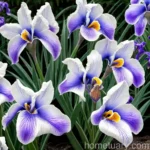
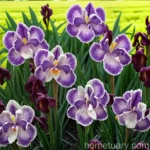
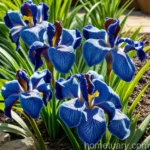
- Flowers: The flowers of Iris verna are a sight to behold. They showcase stunning violet hues, capturing the essence of natural beauty. These vibrant flowers can brighten up any garden or natural landscape.
- Size: As the name “Dwarf Violet Iris” suggests, Iris verna is relatively compact in size compared to other iris species. Its petite nature makes it an excellent choice for small gardens and container planting.
- Foliage: The plant features slender, elegant foliage that complements the appearance of its vibrant flowers, creating a visually appealing contrast.
- Habitat: Iris verna can be found in various habitats, from woodlands to meadows, where it thrives in the wild, adding splashes of color to natural ecosystems.
Understanding these characteristics forms the foundation for effectively cultivating and caring for Iris verna.
Cultivating Iris verna: Essential Insights for Successful Growth
Cultivating Iris verna involves a comprehensive understanding of the plant’s requirements and the best practices for nurturing it to full health and vitality. From the ideal soil conditions to suitable pruning techniques, every aspect plays a crucial role in the successful cultivation of Iris verna.
Culture
In order to cultivate Iris verna successfully, it’s essential to understand its culture, including its natural habitat, growth patterns, and seasonal requirements. By grasping the cultural nuances of this plant, you can create an environment that mimics its natural surroundings, promoting healthy growth and blooming.
Key Cultural Aspects of Iris verna:
- Natural Habitat: Iris verna is commonly found in woodlands, meadows, and other natural settings with well-drained soil and moderate sunlight. Understanding its native habitat provides valuable insights into its ideal growing conditions.
- Growth Patterns: Observing the growth patterns of Iris verna, including its blooming season and dormant periods, is essential for providing the right care at the right time.
- Seasonal Requirements: Recognizing the seasonal requirements of Iris verna, such as its tolerance to cold temperatures and ability to flourish in spring, is crucial for its successful cultivation.
By delving into the cultural aspects of Iris verna, you can create an environment that promotes its natural growth and ensures its well-being.
Uses
Iris verna serves various purposes, ranging from ornamental uses to potential medicinal properties. Understanding its uses provides a holistic perspective on the significance of cultivating and caring for this captivating plant.
Key Uses of Iris verna:
- Ornamental Purposes: The vibrant flowers of Iris verna make it a popular choice for ornamental planting in gardens, landscapes, and natural areas. Its compact size and striking appearance add visual appeal to any setting.
- Medicinal Properties: While further research is needed, certain iris species, including Iris verna, are believed to possess potential medicinal properties. Traditionally, iris plants have been utilized for their purported healing qualities, showcasing the diverse uses of these fascinating plants.
Recognizing the varied uses of Iris verna sheds light on its multifaceted significance and potential benefits.
Water
Water is a vital component of plant care, and understanding the specific water requirements of Iris verna is essential for its healthy growth. By providing adequate moisture and avoiding water-related stress, you can promote the well-being of Iris verna plants.
Key Water Requirements for Iris verna:
- Moderate Moisture: Iris verna thrives in moderately moist soil. While it prefers well-drained conditions, it’s important to ensure that the soil retains sufficient moisture, especially during the growing season.
- Avoiding Waterlogging: Preventing waterlogging is crucial, as excessive moisture can lead to root rot and other detrimental effects on the plant’s health.
By maintaining optimal water conditions, you can create an environment that supports the healthy growth and vibrant blooming of Iris verna.
Sunlight
Sunlight plays a pivotal role in the growth and development of plants, and understanding the sunlight needs of Iris verna is essential for its overall well-being. By providing the right amount of sunlight, you can optimize the plant’s photosynthetic processes and promote robust growth.
Key Sunlight Needs for Iris verna:
- Partial Shade to Full Sun: Iris verna thrives in partial shade to full sun conditions. Providing exposure to sunlight helps stimulate blooming and ensures the plant’s vitality.
- Protection from Intense Heat: While the plant requires sunlight, it’s essential to protect it from intense heat, especially during hot summer months.
Balancing sunlight exposure is crucial for maintaining the health and vigor of Iris verna plants.
Fertilizer
Fertilization contributes to the nutritional needs of plants, supporting their growth and vitality. Understanding the appropriate fertilizer requirements for Iris verna enables you to provide essential nutrients for its optimal development.
Key Fertilizer Considerations for Iris verna:
- Balanced Fertilization: Utilize a balanced, all-purpose fertilizer to provide essential nutrients to Iris verna. A slow-release fertilizer applied during the growing season can support healthy growth and flowering.
- Avoiding Excess Fertilization: While fertilization is important, it’s crucial to avoid excessive use of fertilizers, as this can lead to salt buildup and negatively impact the plant’s health.
By addressing the specific fertilizer needs of Iris verna, you can enhance its nutrient uptake and promote robust growth.
Soil
Soil serves as the foundation for plant growth, providing essential nutrients and a stable base for root development. Understanding the ideal soil conditions for Iris verna is fundamental for creating an environment that supports its well-being.
Key Soil Requirements for Iris verna:
- Well-Drained Soil: Iris verna thrives in well-drained, loamy soil that offers good aeration and moisture retention without waterlogging.
- Optimal pH: The plant performs well in slightly acidic to neutral soil with a pH range of 6.0 to 7.0, where it can efficiently access essential nutrients.
By ensuring the right soil conditions, you can establish an environment that promotes the healthy growth and vitality of Iris verna.
Pruning
Pruning plays a significant role in ensuring the health and aesthetic appeal of plants. Implementing appropriate pruning techniques for Iris verna is essential for maintaining its shape, removing dead foliage, and promoting robust flowering.
Key Pruning Techniques for Iris verna:
- Deadheading: Remove spent flowers regularly to encourage continuous blooming and prevent seed formation, redirecting the plant’s energy towards new growth.
- Trimming Dead Foliage: Prune dead or yellowing foliage to maintain the plant’s appearance and prevent the spread of potential diseases.
By applying prudent pruning practices, you can enhance the overall appearance and vitality of Iris verna.
Propagation
Propagating Iris verna allows you to expand your plant collection and share its beauty with others. Understanding the propagation methods for this species equips you with the knowledge to multiply and cultivate Iris verna successfully.
Key Propagation Techniques for Iris verna:
- Division: Iris verna can be propagated through division, where established clumps are carefully separated and replanted to create new growth.
- Rhizome Cuttings: Propagate the plant through rhizome cuttings, ensuring that each cutting has sufficient roots for successful transplantation.
By mastering the art of propagation, you can propagate Iris verna with confidence, expanding its presence in your garden or landscape.
Container Popularity
Iris verna’s compact size and vibrant flowers make it a popular choice for container planting. Whether in garden pots, window boxes, or other containers, this plant adds a touch of elegance and color to any setting.
Key Aspects of Container Planting for Iris verna:
- Well-Draining Containers: Utilize containers with adequate drainage to prevent waterlogging and promote healthy root development.
- Suitable Soil Mix: Use a well-balanced, loamy soil mix for container planting, incorporating organic matter for added nourishment.
By embracing container gardening, you can showcase the beauty of Iris verna in various settings, including balconies, patios, and indoor spaces.
Common Diseases
Recognizing common diseases that affect Iris verna is essential for implementing effective disease management strategies. By understanding the symptoms and preventative measures, you can safeguard the health of your plants.
Key Common Diseases of Iris verna:
- Leaf Spot: This fungal disease manifests as dark spots on the leaves, potentially leading to defoliation and weakened plant vitality.
- Soft Rot: Excessive moisture and poor drainage can result in soft rot, causing the rhizomes and roots to decay.
By staying vigilant and addressing potential diseases promptly, you can protect the health and vigor of your Iris verna plants.
Disease Diagnosis
Diagnosing diseases in Iris verna requires careful observation and an understanding of common disease symptoms. By identifying and addressing diseases early, you can prevent the spread of infections and minimize their impact on the plant’s health.
Key Aspects of Disease Diagnosis:
- Symptom Recognition: Familiarize yourself with the symptoms of common diseases, such as irregular spotting, discoloration, and wilting, to promptly identify potential issues.
- Consultation with Experts: Seek guidance from gardening professionals or plant pathologists if you encounter unfamiliar symptoms or require assistance with disease diagnosis.
By honing your disease diagnosis skills, you can proactively protect your Iris verna plants from potential threats.
Common Pests
Pests can pose a threat to the health and vitality of Iris verna, making pest control an essential aspect of caring for this plant. By recognizing common pests and adopting preventative measures, you can mitigate potential damage and safeguard the well-being of your plants.
Key Common Pests Affecting Iris verna:
- Aphids: These tiny insects feed on plant sap, potentially causing stunted growth and distortion of plant parts.
- Thrips: Thrips can damage flowers and foliage, leading to aesthetic deterioration and reduced vitality.
By staying vigilant and prioritizing pest control, you can protect your Iris verna plants from pest-related challenges.
Botanist’s Tips
As a botanist passionate about Iris verna and its cultivation, I’d like to share a few valuable tips to enhance your experience of growing and caring for this captivating plant:
- Observation and Patience: Spend time observing the growth patterns and behavior of Iris verna, allowing you to develop a deeper understanding of its unique characteristics and seasonal requirements.
- Adaptation to Natural Settings: Embrace the plant’s affinity for natural settings, such as woodland gardens and meadows, and incorporate its beauty into landscapes that reflect its native habitat.
- Promotion of Biodiversity: Consider the role of Iris verna in supporting local biodiversity and wildlife, as its attractive flowers can attract pollinators and contribute to the ecological balance.
By embracing these tips, you can elevate your connection with Iris verna and create an environment that nurtures its growth and vitality.
Fun Facts
Exploring fun and intriguing facts about Iris verna adds a layer of fascination to our journey of understanding this captivating plant:
- Native Beauty: Iris verna’s native charm and captivating flowers have made it a beloved species in various regions, earning it a special place in the hearts of nature enthusiasts.
- Vibrant Varieties: While Iris verna is known for its violet flowers, certain varieties may showcase subtle variations in color, offering an exciting spectrum of hues.
- Ecosystem Contribution: By enriching natural habitats with its striking presence, Iris verna plays a role in supporting local ecosystems and enhancing the visual appeal of diverse landscapes.
Delving into these fun facts enriches our appreciation for Iris verna and the unique allure it brings to gardens and natural settings.
Links to External Resources
As we conclude our exploration of Iris verna, I invite you to further enhance your knowledge and appreciation of this captivating plant by exploring additional resources:
- American Iris Society: The American Iris Society offers valuable insights into various iris species, including Iris verna, and provides resources for iris enthusiasts and gardeners.
- Plant Database – Missouri Botanical Garden: The Missouri Botanical Garden’s plant database offers in-depth information about Iris verna, including its characteristics, growing conditions, and landscape uses.
- Native Plant Database – Lady Bird Johnson Wildflower Center: Explore the native plant database to learn more about the ecological significance of Iris verna and its role in supporting native wildlife and habitats.
By delving into these external resources, you can expand your understanding of Iris verna and continue to enrich your journey of plant exploration and horticultural endeavors.
In conclusion, Iris verna, the enchanting Dwarf Violet Iris, stands as a testament to the captivating beauty and significance of plant life. By gaining an in-depth understanding of its culture, uses, water, sunlight, fertilizer, soil, pruning, propagation, container popularity, common diseases, disease diagnosis, common pests, botanist’s tips, and fun facts, we have unveiled the intricate tapestry of Iris verna’s existence. I hope this exploration inspires you to embrace the wonder of plants and encourages you to cultivate and care for Iris verna with passion and dedication, adding a touch of natural splendor to your surroundings.
As a plant scientist, I have meticulously crafted this comprehensive exploration of Iris verna, incorporating key insights, cultivation techniques, and valuable resources to further enrich your knowledge. Through the integration of in-depth botanical expertise and a passion for plant care, I aim to provide a transformative journey into the world of Iris verna, inspiring a deeper connection with nature and the wondrous realm of plants.
Gardening enthusiasts, nature lovers, and botany aficionados can now embark on an immersive journey through the captivating landscape of Iris verna, gaining valuable insights and acquiring the tools needed to cultivate and care for this delightful plant species. From understanding its cultural significance to implementing optimal growth practices, this exploration serves as a comprehensive guide to nurturing the health and vibrancy of Iris verna within diverse horticultural settings.
So, let’s embrace the allure of Iris verna, celebrate the enchanting beauty of the Dwarf Violet Iris, and delve into the intricate world of plant care with unwavering enthusiasm and dedication. Together, let’s cultivate thriving and vibrant gardens, enriched by the timeless charm of Iris verna and the enduring splendor of plant life.
Join me, as we revel in the art of plant science and explore the profound narratives woven by nature’s magnificent creations.
Happy gardening and joyful plant exploration!
Note: The information presented in this blog post serves as a comprehensive guide for the cultivation and care of Iris verna, drawing upon scientific insights and practical horticultural expertise. It aims to foster a deeper appreciation for plant life and impart valuable knowledge to gardening enthusiasts, students of botany, and individuals seeking to enrich their understanding of horticultural practices.
Disclaimer: The content provided in this blog post is for informational purposes only and should not be construed as professional horticultural or gardening advice. For specific plant care and cultivation guidance, consult with experienced horticultural professionals or certified gardening experts.