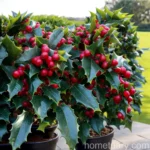
The Marvel of Ilex verticillata Little Goblin™ Orange (Winterberry)
Plants are truly fascinating organisms, offering beauty, sustenance, and ecological importance. Among the diverse range of plant species, Ilex verticillata Little Goblin™ Orange, commonly known as Winterberry, stands out as a vibrant and captivating shrub. In this extensive guide, we will delve into the mesmerizing world of Ilex verticillata Little Goblin™ Orange, exploring its cultural significance, uses, care requirements, and fascinating characteristics.
What is Plant: Ilex verticillata Little Goblin™ Orange (Winterberry)
Ilex verticillata, a deciduous holly native to eastern North America, is a striking shrub that belongs to the Aquifoliaceae family. The ‘Little Goblin™ Orange’ cultivar of Ilex verticillata, popularly known as Winterberry, is celebrated for its bright orange berries and its ability to thrive in diverse environmental conditions.
Among the notable features of this cultivar are its compact size, resilient nature, and vibrant display of berries during the winter months. The berries, which persist through the winter, serve as a vital food source for birds and wildlife.

Key Takeaways – Ilex verticillata Little Goblin™ Orange (Winterberry)
Culture
- Botanical Name: Ilex verticillata ‘Little Goblin™ Orange’
- Common Name: Winterberry
- Family: Aquifoliaceae
- Plant Type: Deciduous shrub
Uses
- Garden Ornament: Adds vibrant colors to winter landscapes
- Wildlife Habitat: Provides food for birds during the winter
- Floral Arrangements: Berries are used in festive decorations
Water
- Irrigation: Regular watering, especially during the establishment phase
- Moisture: Well-drained soil preferred; tolerant of wet conditions
Sunlight
- Light Requirements: Full sun to partial shade
- Optimal Growth: Flourishes in bright, sunny locations
Fertilizer
- Nutrient Needs: General-purpose fertilizer in spring
- Organic Matter: Mulching with organic materials
Soil
- pH Level: Acidic to slightly alkaline soil (pH 5.0-6.5)
- Texture: Well-drained loamy or sandy soil
- Adaptability: Tolerates various soil types
Pruning
- Pruning Time: Late winter to early spring
- Purpose: Shape maintenance and berry production
- Caution: Female plants require male pollinators for berry production
Propagation
- Methods: Softwood cuttings, seeds, division
- Optimal Time: Early summer for softwood cuttings
- Pollination: Male and female plants for berry production
Container Popularity
- Landscape Design: Container plantings for seasonal displays
- Maintenance: Regular watering and care in containers
Common Diseases
- Anthracnose: Fungal disease affecting foliage
- Phytophthora Root Rot: Soil-borne pathogen causing root damage
- Prevention: Proper sanitation and cultural practices
Disease Diagnosis
- Symptoms: Leaf spot, wilting, browning of leaves
- Laboratory Analysis: Confirming pathogen presence
Common Pests
- Aphids: Sap-feeding insects causing leaf deformities
- Scale Insects: Piercing-sucking pests on stems and foliage
- Integrated Pest Management: Natural predators and insecticidal soaps
Botanist’s Tips
- Companion Plants: Pair with evergreen shrubs for winter interest
- Pollinator Presence: Ensure male plants for effective pollination
- Winter Appeal: Incorporate in winter-themed landscaping
Fun Facts
- Holiday Symbolism: Often used in festive decorations
- Native Significance: Historically used by Indigenous communities
- Wildlife Interaction: Attracts birds and small mammals
Links to External Resources
To further explore the captivating world of Ilex verticillata Little Goblin™ Orange (Winterberry) and enhance your knowledge and appreciation of this unique plant, consider the following external resources:
- Winterberry Little Goblin – Monrovia
- Ilex verticillata Little Goblin – The Morton Arboretum
- Orange Winterberry Plant – American Meadows
- Winterberry Shrub – Missouri Botanical Garden
These resources offer valuable insights into the cultivation, care, and appreciation of Ilex verticillata Little Goblin™ Orange, allowing enthusiasts and plant lovers to delve deeper into the world of horticulture.
In conclusion, the Ilex verticillata Little Goblin™ Orange (Winterberry) presents an enchanting addition to landscapes with its vibrant berries and resilient nature. By understanding its cultural significance, care requirements, and ecological role, individuals can foster a deeper appreciation for the beauty and value of this captivating plant. Whether used in gardens, floral arrangements, or wildlife habitats, the Winterberry stands as a testament to the enduring charm of nature’s creations.