Iris Sibirica ‘Granny Jean’ (Siberian Iris)
Iris sibirica ‘Granny Jean’, also known as Siberian Iris, is a stunning perennial plant known for its delicate flowers and graceful foliage. If you are.
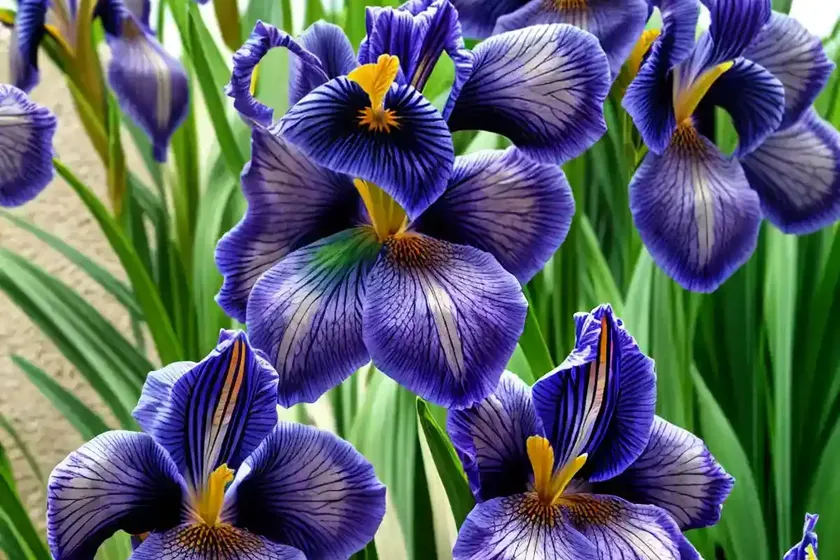
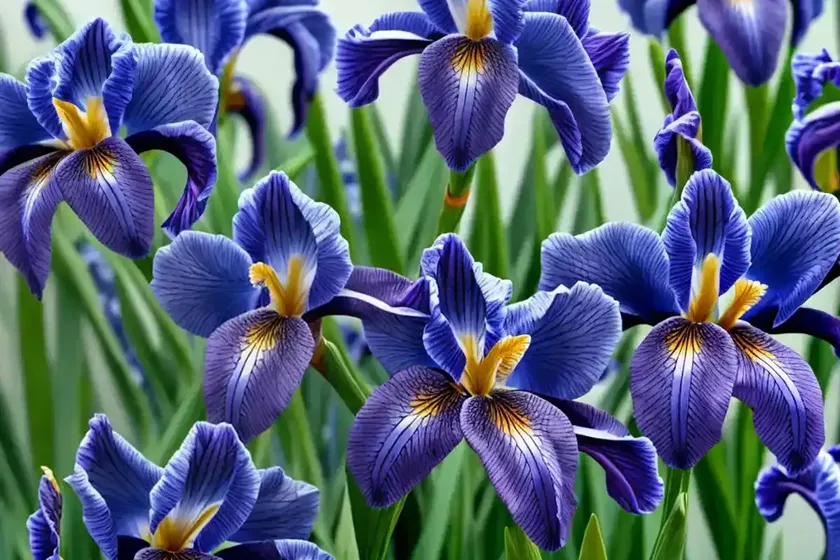
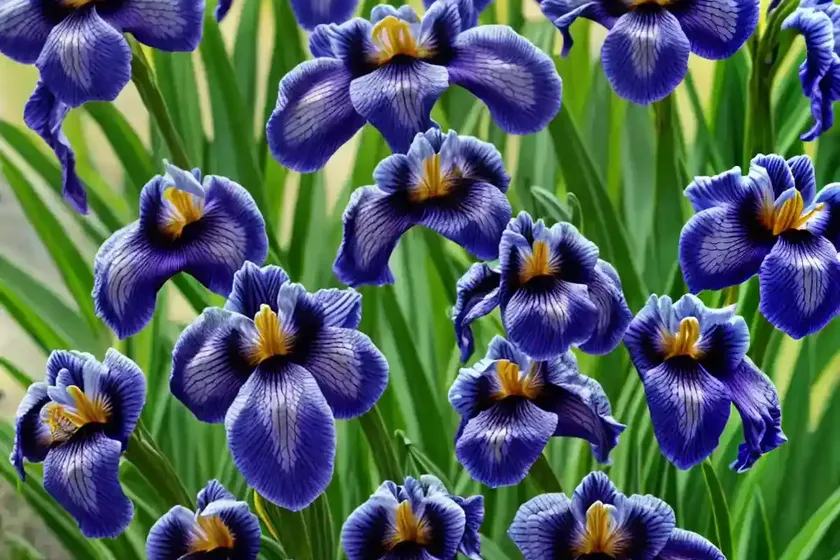
Iris sibirica ‘Granny Jean’, also known as Siberian Iris, is a stunning perennial plant known for its delicate flowers and graceful foliage. If you are looking to add an elegant and colorful touch to your garden or landscape, this plant is an excellent choice. In this comprehensive guide, we will explore everything you need to know about Iris sibirica ‘Granny Jean’, including its characteristics, growing requirements, maintenance, and much more.
What is Iris sibirica ‘Granny Jean’ (Siberian Iris)?
Iris sibirica ‘Granny Jean’ is a member of the Iridaceae family and is native to Europe and Asia. This striking perennial plant is characterized by its sword-like foliage and beautiful, intricate flowers. The plant is named after the Greek goddess Iris, who was the messenger of the gods and the personification of the rainbow, due to the wide range of flower colors found within the genus. ‘Granny Jean’ is a specific variety of Iris sibirica known for its unique and eye-catching characteristics.
Key Takeaways – Iris sibirica ‘Granny Jean’ (Siberian Iris)
Before delving into the specifics of caring for Iris sibirica ‘Granny Jean’, let’s take a look at some key takeaways about this stunning plant.
- Plant Name: Iris sibirica ‘Granny Jean’ (Siberian Iris)
- Common Names: Siberian Iris, ‘Granny Jean’
- Family: Iridaceae
- Native Habitat: Europe and Asia
- Special Features: Delicate, intricate flowers; sword-like foliage
- Hardiness Zone: 4-9
- Growth Habit: Clump-forming
- Flowering Season: Late spring to early summer
- Water Requirements: Moderate
- Sunlight Needs: Full sun to partial shade
- Soil Preferences: Moist, well-draining soil
- Height: 24-36 inches
- Spread: 18-24 inches
- Special Concerns: Some parts of the plant may be toxic if ingested
Now that we have a basic understanding of Iris sibirica ‘Granny Jean’, let’s explore in detail the various aspects of caring for this beautiful perennial plant.
Cultivation and Uses
Iris sibirica ‘Granny Jean’ is a versatile plant that can be used in various ways in the garden and landscape. Its vibrant flowers and graceful foliage make it an excellent choice for borders, naturalistic plantings, and even water gardens. Here are some key aspects of its cultivation and uses:
Water
Proper watering is essential for the healthy growth and blooming of Iris sibirica ‘Granny Jean’. While these plants appreciate consistent moisture, they also need well-draining soil to prevent waterlogged conditions. During the growing season, it’s important to water the plants regularly, especially during dry spells. However, avoid overwatering, as constantly soggy soil can lead to root rot. As a general guideline, aim to keep the soil evenly moist but not waterlogged.
Sunlight
Iris sibirica ‘Granny Jean’ thrives in full sun to partial shade. In regions with hot summers, providing some afternoon shade can help protect the plants from excessive heat stress. When selecting a planting location, choose an area that receives at least 6-8 hours of sunlight per day for optimal blooming and overall plant health.
Fertilizer
A balanced, slow-release fertilizer applied in early spring can provide the necessary nutrients for robust growth and abundant flowering. Look for a fertilizer with a formulation such as 10-10-10 or similar, and follow the manufacturer’s guidelines for application rates. Over-fertilizing can lead to excessive foliage growth at the expense of flowers, so it’s important to use fertilizers judiciously.
Soil
Iris sibirica ‘Granny Jean’ thrives in moist, well-draining soil with a slightly acidic to neutral pH. Amending the soil with organic matter, such as compost or well-rotted manure, can improve its texture and drainage. Additionally, incorporating a layer of mulch around the plants can help conserve soil moisture and suppress weed growth. Avoid heavy, waterlogged soils, as they can lead to root rot and other problems.
Pruning
Pruning is a straightforward yet important aspect of maintaining Iris sibirica ‘Granny Jean’. After the flowering season, you can deadhead the spent blooms to promote a tidy appearance and encourage additional flowering. Additionally, removing any damaged or diseased foliage can help prevent the spread of diseases and keep the plants looking healthy and vibrant.
Propagation and Container Cultivation
Iris sibirica ‘Granny Jean’ can be propagated through division, making it relatively easy to create new plants from established ones. Dividing the clumps every few years not only helps manage the plant’s size but also encourages vigorous growth. Here’s how you can propagate Siberian Iris through division:
- Carefully dig up the clump of Iris sibirica ‘Granny Jean’ in early spring or fall.
- Gently separate the rhizomes, ensuring that each division has several healthy roots and fan-like foliage.
- Replant the divisions at the appropriate spacing, taking care to water them thoroughly after planting.
Furthermore, Iris sibirica ‘Granny Jean’ can also thrive in containers, making it a great choice for small gardens, balconies, or patio landscapes. When cultivating these plants in containers, it’s crucial to select a spacious pot with adequate drainage holes. Use a high-quality, well-draining potting mix and ensure that the containers receive sufficient sunlight for healthy growth and blooming.
Popularity in Container Gardening
The captivating beauty and compact nature of Iris sibirica ‘Granny Jean’ make it a popular choice for container gardening. Whether grown individually in decorative pots or incorporated into mixed container plantings, these Siberian Irises can add a touch of elegance to any outdoor space. Their adaptability to container cultivation also makes them a versatile option for gardeners with limited planting areas.
Common Diseases and Disease Diagnosis
Like many plants, Iris sibirica ‘Granny Jean’ is susceptible to certain diseases, with common issues including fungal leaf spot, crown rot, and bacterial leaf blight. Ensuring proper cultural practices, such as adequate spacing, good air circulation, and maintaining soil moisture at appropriate levels, can help prevent these diseases. If signs of disease appear, prompt action is essential to diagnose and address the issue effectively.
Common Pests
While Siberian Iris is relatively resistant to pests, occasional problems with aphids, iris borers, and slugs may arise. Vigilance in monitoring the plants for signs of pests, such as distorted foliage, holes in leaves, or visible pests, can aid in early detection and control. Additionally, employing natural predators, such as beneficial insects, and using organic pest control methods can help manage pest populations without resorting to harsh chemicals.
Botanist’s Tips for Growing Iris sibirica ‘Granny Jean’
As a plant scientist deeply familiar with the cultivation of various plant species, I can offer some valuable tips for growing and caring for Iris sibirica ‘Granny Jean’.
-
Selecting the Right Planting Location: When choosing a location to plant Iris sibirica ‘Granny Jean’, consider the site’s sunlight exposure, soil drainage, and proximity to other plants. Optimal growing conditions can significantly impact the plant’s health and performance.
-
Balanced Fertilization: While feeding your Iris sibirica ‘Granny Jean’ is important for promoting healthy growth, be cautious not to over-fertilize. A balanced fertilizer applied in moderation is generally sufficient to meet the plant’s nutritional needs.
-
Prudent Watering: Monitor the soil moisture levels regularly and water the plants as needed to maintain consistent moisture. Avoid excessive watering, especially in heavy soils, to prevent waterlogging and potential root rot.
-
Regular Inspection: Periodically inspect the plants for signs of pests, diseases, or nutrient deficiencies. Early detection allows for timely intervention and can help prevent issues from escalating.
-
Seasonal Maintenance: Engage in routine maintenance practices such as deadheading spent blooms, removing damaged foliage, and dividing clumps as needed to promote vigorous growth and continuous blooming.
Fun Facts about Iris sibirica ‘Granny Jean’
As a renowned favorite among gardeners and horticultural enthusiasts, Iris sibirica ‘Granny Jean’ boasts several fascinating and intriguing characteristics. Here are some fun facts about this captivating Siberian Iris variety:
-
The specific epithet “sibirica” in its scientific name reflects its native habitat in Siberia and other regions of eastern Europe and Asia.
-
The delicate blooms of Iris sibirica ‘Granny Jean’ make it a sought-after cut flower for floral arrangements and bouquets, adding a touch of elegance and sophistication to any setting.
-
The plant’s striking sword-like foliage provides an attractive backdrop for its vibrant flowers, contributing to its overall ornamental appeal.
-
Iris sibirica ‘Granny Jean’ belongs to the same genus as the iconic Iris germanica, commonly known as bearded Iris, yet it possesses its distinct charm and allure.
-
The plant’s resilience and adaptability make it suitable for a wide range of garden styles and landscaping designs, from formal gardens to naturalistic, wildlife-friendly landscapes.
-
In folklore and symbolism, irises are associated with notions of creativity, hope, and wisdom, lending an enchanting layer of meaning to their presence in gardens and floral displays.
Now that we have explored the cultivation, maintenance, and fascinating aspects of Iris sibirica ‘Granny Jean’, let’s delve deeper into additional resources and external links for further learning and reference.
Links to External Resources
To continue your exploration of Iris sibirica ‘Granny Jean’ and delve into various aspects of its care, characteristics, and uses, consider consulting the following reputable resources:
- Royal Horticultural Society: Growing Iris sibirica
- Missouri Botanical Garden: Iris sibirica ‘Granny Jean’
- American Iris Society: Siberian Iris Culture
Each of these resources offers valuable insights, expert guidance, and practical tips for successfully growing and enjoying the beauty of Iris sibirica ‘Granny Jean’ within your own garden or landscape.
In conclusion, Iris sibirica ‘Granny Jean’ is an exceptional perennial plant that combines elegance, resilience, and ornamental charm. Whether you are a seasoned gardener or an enthusiastic novice, cultivating this stunning Siberian Iris variety can bring a touch of sophistication and natural beauty to your outdoor spaces. With the proper care, attention, and appreciation for its unique qualities, ‘Granny Jean’ will undoubtedly captivate and delight all who encounter it.
Remember to embrace the journey of nurturing and admiring these captivating plants, and may your gardening endeavors be filled with the joy and splendor of Iris sibirica ‘Granny Jean’.
Disclaimer: The content provided in this guide is for informational purposes only and does not substitute professional horticultural advice or guidance. Always consult local gardening experts or extension services for personalized recommendations and support tailored to your specific growing conditions and needs.


