The Enchanting Iris pallida ‘Argentea Variegata’ (Dalmatian Iris): A Complete Guide to Cultivation and Care
Iris pallida, commonly known as Dalmatian Iris, is a striking and alluring perennial plant that has captured the hearts of many gardeners and plant enthusiasts. Its enchanting blooms and distinctive variegated foliage make it a highly sought-after addition to gardens and landscapes. In this comprehensive guide, we will delve into the world of Iris pallida ‘Argentea Variegata’, exploring its cultural significance, growing requirements, propagation methods, maintenance, and so much more. Whether you are a seasoned gardener or a newcomer to the realm of horticulture, this guide will equip you with the knowledge and insights needed to cultivate and care for this captivating plant.
What is Iris pallida ‘Argentea Variegata’?
Iris pallida ‘Argentea Variegata’, also known as Dalmatian Iris, is an ornamental flowering plant that belongs to the family Iridaceae. It is renowned for its striking variegated foliage and exquisite blooms, which contribute to its popularity as a garden plant. The name “pallida” is derived from the Latin word for pale, alluding to the soft, delicate hues of its flowers.
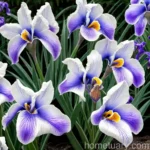
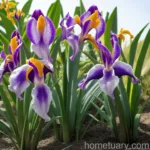
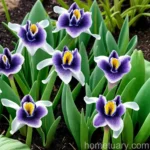
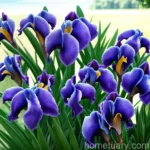
Dalmatian Iris is a rhizomatous perennial, characterized by its clumps of long, blade-shaped leaves with creamy white or yellowish stripes running along the length of the foliage. The flowers of Iris pallida ‘Argentea Variegata’ are truly captivating, featuring shades of lavender, purple, and blue, with intricate patterns and delicate textures. The plant typically reaches a height of 24-36 inches (60-90 cm), adding vertical interest to garden landscapes.
Key Takeaways – Iris pallida ‘Argentea Variegata’
Before we embark on the journey of understanding the cultivation and care of Iris pallida ‘Argentea Variegata’, it’s essential to grasp the key takeaways that will guide us through this comprehensive guide:
- Cultural Significance: Explore the historical and symbolic significance of Dalmatian Iris.
- Growing Requirements: Understand the essential factors that contribute to the successful cultivation of Iris pallida ‘Argentea Variegata’, including its water, sunlight, soil, and fertilizer needs.
- Propagation Methods: Delve into the techniques for propagating Dalmatian Iris, allowing you to expand your collection or share the beauty of this plant with others.
- Maintenance and Pruning: Learn about the best practices for maintaining and pruning Iris pallida ‘Argentea Variegata’, ensuring its health and vitality.
- Disease and Pest Management: Identify common diseases and pests that may affect Dalmatian Iris and discover effective strategies for prevention and management.
- Container Gardening: Explore the possibilities of cultivating Iris pallida ‘Argentea Variegata’ in containers, adding versatility to your gardening endeavors.
- Fun Facts: Uncover intriguing and little-known facts about Dalmatian Iris, deepening your appreciation for this captivating plant.
With these key takeaways in mind, let’s delve into the intricacies of nurturing and celebrating the beauty of Iris pallida ‘Argentea Variegata’.
Culture
Historical and Symbolic Significance
To truly appreciate the allure of Iris pallida ‘Argentea Variegata’, it is essential to recognize its cultural significance. The iris holds a rich history and carries diverse symbolic meanings in various cultures around the world. The ancient Greeks associated the iris with their goddess Iris, who served as a messenger to the gods and was depicted with wings on her sandals and a caduceus – a herald’s staff entwined by serpents. This association with communication and the divine imbued the iris with connotations of eloquence and the transmission of messages.
In addition to its symbolic significance in Greek mythology, the iris has been revered in the realm of art and heraldry. Its elegant form and vibrant colors have inspired artists and designers through the ages, with depictions of irises gracing paintings, tapestries, and decorative motifs. Furthermore, the fleur-de-lis, a stylized emblem resembling an iris, has been prominently featured in the heraldry of European royalty and is still utilized in contemporary symbolism.
The Dalmatian Iris specifically has an important cultural link to the Dalmatian Coast of Croatia and Bosnia and Herzegovina, where it is native to the limestone hills and rocky slopes. Its natural habitat and historical presence in this region contribute to its allure and significance in horticulture and botanical exploration.
Dalmatian Iris in Folklore and Herbalism
Beyond its visual appeal, the Dalmatian Iris has found its place in folklore and herbalism. In various traditions, the iris has been associated with protection and warding off evil spirits, leading to its use in rituals and amulets. Its rhizomes and roots have also been utilized for their medicinal properties, with some historical accounts citing their use in traditional medicine for ailments and topical treatments.
The allure of the iris extends beyond its physical attributes, encompassing a rich tapestry of cultural and historical connections that add depth and intrigue to its presence in gardens and landscapes.
Uses
Ornamental Beauty
One of the primary uses of Iris pallida ‘Argentea Variegata’ is its ornamental value. The striking contrast of its variegated foliage, coupled with the enchanting display of its blossoms, makes it a coveted addition to gardens, borders, and floral arrangements. Whether cultivated in mass plantings or showcased as a focal point in a garden bed, the Dalmatian Iris captivates with its aesthetic appeal and graceful presence.
Pollinator Attraction
In addition to its visual allure, the iris serves a functional role in the garden by attracting pollinators such as bees, butterflies, and hummingbirds. The nectar and pollen of its blooms serve as a vital food source for these beneficial insects and avian visitors, contributing to the ecological balance within the garden ecosystem.
Cultural and Symbolic Significance
Beyond its immediate surroundings, Iris pallida ‘Argentea Variegata’ holds cultural and symbolic significance. As mentioned earlier, its historical ties to mythology, art, and heraldry lend an air of mystique and time-honored tradition to its presence in gardens. It serves as a living link to the past, carrying with it the stories and symbolism of generations.
Water
Ensuring appropriate moisture levels is crucial for the health and vigor of Iris pallida ‘Argentea Variegata’. While the plant requires consistent moisture, it is important to avoid overwatering, as excessively wet conditions can lead to root rot and other detrimental effects.
Watering Needs
- The Dalmatian Iris thrives in moderately moist soil, and regular watering is essential, especially during periods of active growth and flowering.
- When establishing newly planted rhizomes, it is important to provide sufficient water to support their establishment while avoiding waterlogging.
- During dry spells or particularly hot periods, it is advisable to monitor the soil moisture and provide supplemental watering as needed to prevent drought stress.
- Adequate drainage is key to preventing waterlogged soil, as excessive moisture retention can lead to root diseases.
Sunlight
Appropriate sunlight exposure is a fundamental factor in the successful cultivation of Iris pallida ‘Argentea Variegata’, as it directly influences the plant’s growth, blooming, and overall vigor. The following guidelines can help you optimize sunlight conditions for your Dalmatian Iris:
Sun Requirements
- Full Sun: Dalmatian Iris thrives in full sun, where it receives at least six hours of direct sunlight per day. Full sun exposure promotes robust growth and encourages prolific flowering, enhancing the plant’s ornamental value.
- Partial Shade: While Iris pallida ‘Argentea Variegata’ prefers full sun, it can tolerate partial shade, particularly in regions with intense midday sun or during exceptionally hot summers. In such conditions, providing some afternoon shade can prevent stress and sun damage.
- Morning Sun: In areas with scorching afternoon sun or high temperatures, positioning the plants to receive morning sun and partial shade in the afternoon can be beneficial, preventing excessive heat stress while still ensuring adequate light exposure.
Fertilizer
Fertilizing Iris pallida ‘Argentea Variegata’ is an essential aspect of its care regimen, providing the necessary nutrients to support healthy growth, robust blooms, and overall vitality. Selecting the appropriate fertilizer and applying it at the right times can significantly enhance the plant’s performance.
Fertilizing Requirements
- Balanced Fertilizer: Use a balanced, all-purpose fertilizer with an NPK ratio of 10-10-10 or similar formulation. This provides a comprehensive blend of essential nutrients that contribute to the plant’s overall health and flowering potential.
- Early Spring: Apply a slow-release fertilizer or a granular balanced fertilizer in early spring, ideally as new growth emerges. This supports the development of healthy foliage and sets the stage for abundant flowering.
- Avoid Excessive Nitrogen: While nitrogen is crucial for promoting lush foliage, excessive nitrogen can lead to excessive vegetative growth at the expense of flowering. It is important to strike a balance and avoid over-fertilization, particularly with high-nitrogen formulations.
- Topdressing: In addition to granular fertilizers, consider topdressing the soil around the plants with organic matter such as well-rotted compost or aged manure. This enriches the soil, promotes microbial activity, and provides a sustained release of nutrients to the plant.
Soil
The soil requirements for Iris pallida ‘Argentea Variegata’ are integral to its successful cultivation, as they directly impact the plant’s growth, health, and overall performance. Understanding the optimal soil conditions and making necessary amendments can significantly enhance the plant’s vitality and ornamental value.
Best Soil for Iris pallida ‘Argentea Variegata’
- Well-Draining Soil: Dalmatian Iris thrives in well-draining soil that prevents waterlogging and promotes aeration around the roots. Amending heavy or compacted soil with organic matter such as compost, peat moss, or perlite can improve drainage and soil structure.
- Neutral to Slightly Alkaline pH: The ideal soil pH for Iris pallida ‘Argentea Variegata’ ranges from neutral to slightly alkaline (pH 6.5-7.5). Conduct a soil test to assess the pH of the planting area and make necessary adjustments using suitable amendments.
- Rich in Organic Matter: Enrich the soil with organic matter to enhance its fertility, moisture retention, and microbial activity. Incorporating well-rotted compost, leaf mold, or aged manure during soil preparation provides a steady supply of nutrients and contributes to soil health.
Pruning
Pruning plays a pivotal role in maintaining the health, aesthetics, and longevity of Iris pallida ‘Argentea Variegata’. Proper pruning practices ensure that the plant remains vigorous, tidy, and capable of producing an abundance of blooms.
Pruning Techniques
- Deadheading: Regular deadheading of spent flowers promotes continuous blooming and prevents the formation of seed pods, redirecting the plant’s energy into vegetative growth and future flower production.
- Foliage Maintenance: As the season progresses, removing old or yellowing leaves can improve air circulation around the plant and reduce the risk of foliar diseases. Cut the leaves back to the base, making clean, angled cuts.
- Division: In the early spring or late summer, consider dividing crowded clumps of Iris pallida ‘Argentea Variegata’ to rejuvenate the plants and prevent overcrowding. Dividing rhizomes every few years promotes vigor and ensures a bountiful display of blooms.
Propagation
Expanding your collection of Iris pallida ‘Argentea Variegata’ or sharing its beauty with fellow gardening enthusiasts often involves propagation, allowing you to create new plants from established ones. Several methods of propagation can be employed to multiply Dalmatian Iris and enjoy its enchanting presence across the garden.
How to Propagate Iris pallida ‘Argentea Variegata’
- Division: Division of the rhizomes is the primary method of propagating Iris pallida ‘Argentea Variegata’. In early spring or late summer, carefully dig up established clumps and separate the rhizomes, ensuring that each division has healthy roots and viable growth points.
- Cuttings: Stem cuttings can be utilized for propagation, particularly in a controlled, greenhouse setting. Select healthy, non-flowering stems and root them in a suitable growing medium to establish new plants.
- Seed Propagation: While less commonly employed due to the time and variability involved, Dalmatian Iris can be propagated from seeds. Gather mature seeds from the plant and sow them in well-draining soil, providing appropriate conditions for germination and early growth.
Container Popularity
The allure of Iris pallida ‘Argentea Variegata’ extends beyond traditional garden settings, as it is well-suited for container cultivation. Its compact yet striking presence, coupled with its adaptability to container environments, makes it a popular choice for enthusiasts with limited garden space or those seeking to showcase its beauty on patios, balconies, and other outdoor areas.
Dalmatian Iris in Container Gardening
- Container Selection: Choose roomy containers with adequate drainage holes to ensure proper drainage and aeration for the roots. Select containers that complement the aesthetic appeal of the plant and provide ample space for its growth.
- Growing Medium: Use a well-draining, high-quality potting mix or a blend specifically formulated for perennial plants. Incorporate organic matter and perlite to enhance the soil structure and promote healthy root development.
- Sun Exposure: Position the containers in areas that receive at least six hours of direct sunlight per day, as Dalmatian Iris thrives in full sun conditions. Ensure that the containers are placed where they can benefit from ample light exposure.
- Watering Considerations: Container-grown Dalmatian Iris may require more frequent watering, especially during hot or dry weather. Monitor the soil moisture and provide supplemental watering when necessary to prevent drought stress.
Common Diseases
As with any plant, Iris pallida ‘Argentea Variegata’ is susceptible to certain diseases and ailments that can affect its health and ornamental value. Understanding the common diseases and their symptoms equips you to implement preventive measures and promptly address any issues that may arise.
Disease Diagnosis
- Leaf Spot: Leaf spot diseases can manifest as discolored, water-soaked spots on the foliage, often accompanied by a fuzzy or powdery appearance. These diseases are typically caused by fungal pathogens that thrive in moist, humid conditions.
- Root Rot: Excessive soil moisture, poor drainage, or waterlogged conditions can lead to root rot, causing the roots to become dark, mushy, and malodorous. Affected plants may exhibit wilting and stunted growth as a result of compromised root health.
- Soft Rot: Soft rot diseases can affect the rhizomes of Iris pallida ‘Argentea Variegata’, leading to decay and collapse of affected tissues. The presence of foul odors and disintegration of rhizome tissue are indicative of soft rot diseases.
Common Pests
In addition to diseases, Dalmatian Iris may attract certain pests that can impact its growth and ornamental appeal. Monitoring the plants for signs of pest activity and implementing appropriate pest management strategies is essential for preserving their health and vitality.
Pest Management
- Iris Borers: These destructive pests target the rhizomes of iris plants, tunneling into the tissue and causing extensive damage. Signs of iris borer infestation include yellowing or wilting foliage, holes in the rhizomes, and frass (insect excrement) around the base of the plant.
- Aphids: Aphids are common sucking insects that may feed on the tender shoots and foliage of Dalmatian Iris. Their presence can lead to distorted growth, yellowing leaves, and the development of honeydew, which can attract sooty mold.
- Thrips: Thrips are tiny, slender insects that feed on the plant’s foliage, causing stippling, silvering, or browning of the leaves. Severe infestations can lead to reduced vigor and aesthetic damage to the plants.
Botanist’s Tips
As botanists, horticulturists, and plant enthusiasts, we have a treasure trove of insights and tips to share with fellow gardeners and admirers of Iris pallida ‘Argentea Variegata’. These tips are gleaned from years of experience, observations, and a deep appreciation for the intricacies of this captivating plant.
Fun Facts
Uncover intriguing and lesser-known facts about Iris pallida ‘Argentea Variegata’, deepening your appreciation for this captivating plant.
- The specific epithet “pallida” in the plant’s scientific name, Iris pallida, alludes to the soft, delicate hues of its flowers, which often exhibit pale lavender, purple, and blue tones.
- The variegated foliage of Iris pallida ‘Argentea Variegata’ showcases creamy white or yellowish stripes that run along the length of the leaves, adding a touch of elegance and visual interest to the plant.
- Dalmatian Iris is native to the limestone hills and rocky slopes of the Dalmatian Coast of Croatia and Bosnia and Herzegovina, where it thrives in well-draining, calcareous soils.
Links to External Resources
To expand your knowledge and understanding of Iris pallida ‘Argentea Variegata’, we have curated a selection of external resources that provide valuable insights into its cultivation, care, and ornamental appeal:
- Royal Horticultural Society (RHS): Iris pallida ‘Argentea Variegata’ – Dalmation Iris
- American Iris Society: Growing Irises
- University of Florida IFAS Extension: Iris spp. – Bearded Iris
- Missouri Botanical Garden: Iris pallida ‘Argentea Variegata’
- North Carolina State University Extension: Growing Bearded Iris
Incorporating the knowledge and perspectives offered by these reputable sources empowers you to develop a holistic understanding of Iris pallida ‘Argentea Variegata’, guiding you toward successful cultivation and enjoyment of this captivating plant.
In conclusion, the enchanting Iris pallida ‘Argentea Variegata’, or Dalmatian Iris, stands as a testament to nature’s artistry, captivating us with its variegated foliage, captivating blooms, and rich historical significance. Through dedicated care, thoughtful cultivation, and a deep appreciation for its allure, we embrace the timeless beauty of this captivating plant. As its delicate petals sway in the gentle breeze and its variegated leaves shimmer in the sunlight, Iris pallida ‘Argentea Variegata’ continues to enchant and inspire, weaving its tale of grace and elegance into the