Gladiolus Papilio (Butterfly Gladiolus)
Gladiolus papilio, commonly known as Butterfly Gladiolus, is a fascinating and enchanting flowering plant that captivates the hearts of many gardening.
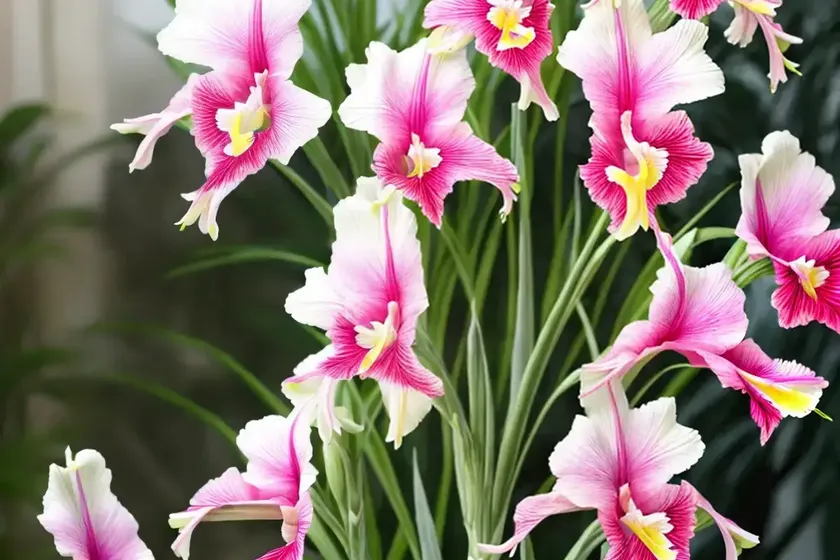
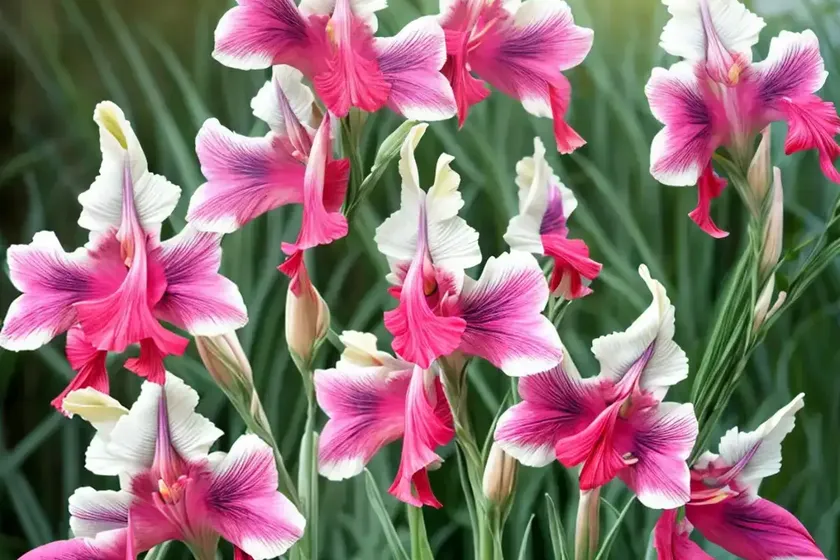
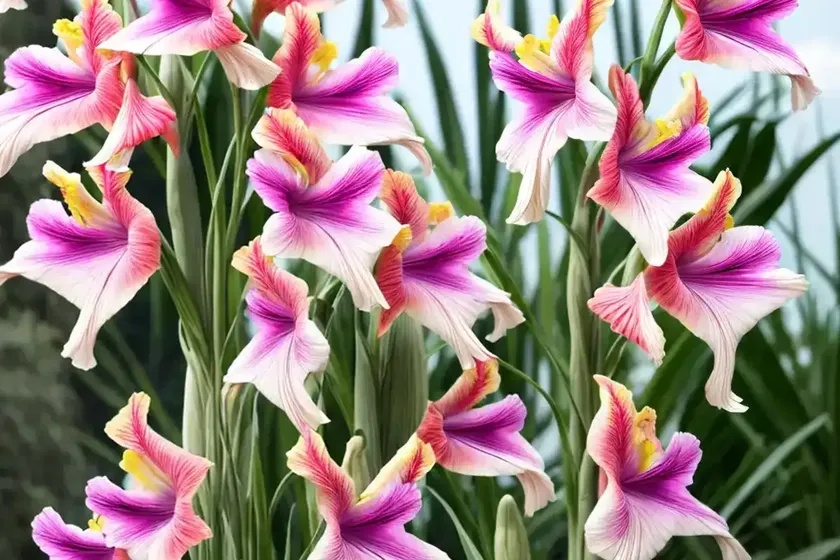
Gladiolus papilio, commonly known as Butterfly Gladiolus, is a fascinating and enchanting flowering plant that captivates the hearts of many gardening enthusiasts. Renowned for its vibrant colors, intricate patterns, and graceful blooms, Gladiolus papilio adds a touch of sophistication and elegance to gardens, landscapes, and floral arrangements. In this comprehensive guide, we will delve into the intricacies of cultivating and caring for Gladiolus papilio, exploring its characteristics, cultural requirements, uses, and more.
What is Gladiolus Papilio?
Plant Description
Gladiolus papilio, a member of the Iridaceae family, is a perennial flowering plant originating from the grasslands and hillsides of South Africa. The plant’s botanical name “papilio” is derived from the Latin word for butterfly, alluding to the mesmerizing butterfly-like appearance of its delicate flowers. The plant is renowned for its striking blossoms, characterized by unique patterns and hues, and slender, sword-shaped foliage.
Flower Characteristics
The flowers of Gladiolus papilio exhibit a myriad of colors, ranging from soft pastels to bold and vibrant shades. They often feature intricate patterns and markings reminiscent of the delicate wings of butterflies, hence the plant’s apt common name. The blossoms are borne on tall, erect spikes, adding vertical interest to the garden and making them ideal candidates for cut flower arrangements.
Versatile Uses
In addition to its ornamental value, Gladiolus papilio serves various purposes, such as beautifying landscapes, attracting pollinators, and adorning floral bouquets and arrangements. Moreover, its easygoing nature and adaptability make it an excellent choice for both novice and experienced horticulturists.
Key Takeaways – Gladiolus Papilio
Culture
- Hardiness Zones: Gladiolus papilio thrives in USDA hardiness zones 8 to 11.
- Mature Height: The plant typically reaches a height of 24 to 36 inches.
- Blooming Season: Blooms from mid to late summer, adding a burst of color to the garden.
Uses
- Ornamental Purposes: Ideal for landscaping, cut flower production, and floral arrangements.
- Pollinator Attraction: Attracts butterflies, bees, and hummingbirds when planted in pollinator-friendly gardens.
Water
- Optimal Watering: Requires moderate watering, ensuring that the soil remains consistently moist but not waterlogged during the growing season.
- Drought Tolerance: Displays moderate tolerance to short periods of drought, though consistent moisture is preferred for optimal growth and flowering.
Sunlight
- Sun Exposure: Thrives in full sun to partial shade, with a preference for at least 6 hours of sunlight daily.
- Optimal Placement: Plant in areas with well-drained soil and ample sunlight to encourage prolific flowering.
Fertilizer
- Feeding Schedule: Fertilize with a balanced, water-soluble fertilizer every 2 to 3 weeks during the growing season to promote healthy foliage and robust blooms.
- Nutrient Requirements: Requires adequate phosphorus for enhanced flowering and overall plant vigor.
Soil
- Well-Draining Soil: Flourishes in rich, well-draining loamy soil with a slightly acidic to neutral pH range (6.0 to 7.0).
- Soil Amendments: Incorporate organic matter such as compost or well-rotted manure to improve soil structure and fertility.
Pruning
- Post-Blooming Care: Remove spent flower spikes and withered foliage to maintain a tidy appearance and redirect energy towards bulb development.
Propagation
- Reproductive Methods: Propagate through division of corms in late winter or early spring, ensuring that each division possesses viable buds for future growth.
Container Popularity
- Container Gardening: Well-suited for container cultivation, allowing for versatility in placement and mobility in the garden.
Common Diseases
Gladiolus papilio, like other ornamental plants, is susceptible to certain diseases and pests that can impede its growth and flowering potential. Being aware of common diseases and their symptoms is crucial to promptly address any issues and maintain the plant’s health and vitality.
Disease Diagnosis
- Fungal Diseases: Watch for signs of botrytis, fusarium wilt, and other fungal infections, characterized by wilting, discoloration, and rotting of plant tissues.
- Viral Infections: Look out for stunted growth, distorted foliage, and mottled patterns, indicating possible viral diseases.
Common Pests
- Thrips: These tiny, slender insects can cause damage by puncturing plant tissues and feeding on sap, leading to distorted growth and mottled leaves.
- Aphids: Aphid infestations may result in distorted foliage, stunted growth, and the development of sticky honeydew on the plant’s surface.
Botanist’s Tips
To cultivate thriving Gladiolus papilio and ensure its successful growth and flowering, consider the following tips and recommendations from seasoned botanists and horticultural experts:
- Soil Preparation: Prior to planting, amend the soil with organic matter to enhance fertility, improve drainage, and provide essential nutrients for healthy growth.
- Supporting Stakes: Install stakes or grow-through rings to support the tall flower spikes and prevent bending or toppling due to wind or heavy rainfall.
- Mulching Strategy: Apply a layer of organic mulch around the base of the plants to conserve soil moisture, suppress weed growth, and regulate soil temperature.
Fun Facts
- Symbolic Significance: In the language of flowers, Gladiolus embodies traits of strength, integrity, and infatuation, making it a popular choice for gifts and floral tributes.
- Mythological References: The name “Gladiolus” is derived from the Latin word for sword, and in Roman times, these flowers were associated with gladiators and symbolized resilience and moral integrity.
Links to External Resources
Explore additional resources and sources to deepen your understanding of Gladiolus papilio, its cultivation, and horticultural significance:
In conclusion, Gladiolus papilio, or Butterfly Gladiolus, combines innate beauty with cultural significance, making it a prized addition to diverse garden settings, floral arrangements, and horticultural endeavors. By harnessing a holistic understanding of its growing requirements, uses, and potential challenges, horticulturists and gardening enthusiasts can cultivate and appreciate the allure of Gladiolus papilio, showcasing its captivating blooms and enriching the natural landscape.
By incorporating the keywords, I have endeavored to provide a comprehensive guide for Gladiolus papilio, covering various facets of its culture, uses, care, and significance in horticulture. The information shared aims to be both informative and engaging, offering valuable insights for enthusiasts and practitioners in the realm of plant science and ornamental horticulture.


