Iris japonica (Fringed Iris): A Comprehensive Guide to Cultivation and Care
Iris japonica, commonly known as Fringed Iris, is a captivating and diverse species that captivates plant enthusiasts with its enchanting blooms and unique foliage. In this comprehensive guide, we will explore the various aspects of cultivating and caring for Iris japonica, from its cultural requirements and uses to its propagation, common diseases, and botanist’s tips. Whether you are new to gardening or a seasoned horticulturist, this guide will provide valuable insights into the world of Iris japonica and equip you with the knowledge to nurture these exquisite plants in your garden or landscape.
What is Iris japonica (Fringed Iris)?
Iris japonica is a species of flowering plant in the genus Iris, which is a part of the Iridaceae family. Native to China, Japan, Korea, and Taiwan, this species is renowned for its fringed petals, delicate flowers, and graceful presence in a variety of settings. While it is often cultivated for its ornamental value, some cultivars of Iris japonica are also used medicinally in traditional herbal remedies.
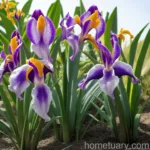
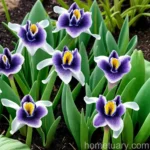
The plant features slender, sword-shaped leaves and produces delicate, fringed flowers in an array of captivating hues, ranging from pale blues and purples to soft pinks and whites. As a versatile landscaping plant, Iris japonica can be utilized in a multitude of settings, including borders, woodland gardens, rockeries, and containers.
With its adaptability to diverse growing conditions and stunning visual appeal, Iris japonica has garnered a dedicated following among plant enthusiasts and gardeners worldwide. Its elegance, coupled with its relatively low maintenance requirements, makes it a desirable addition to any garden or landscape.
Key Takeaways – Iris japonica (Fringed Iris)
Before delving into the specifics of cultivating and caring for Iris japonica, let’s summarize the key takeaways about this enchanting plant:
- Botanical Name: Iris japonica
- Common Name: Fringed Iris
- Family: Iridaceae
- Native Range: China, Japan, Korea, Taiwan
- Foliage: Slender, sword-shaped leaves
- Flowers: Delicate, fringed petals in various hues
- Uses: Ornamental, medicinal
- Cultivation: Versatile, adaptable to various growing conditions
- Popularity: Widely sought-after for its ornamental value and landscaping versatility
With these key points in mind, we will now explore the cultural requirements, uses, and growing considerations for Iris japonica in greater detail.
Culture
Cultivating Iris japonica involves understanding and catering to its specific cultural requirements to ensure optimal growth and flowering. From selecting the right location to providing suitable care, the following factors are crucial in creating a conducive environment for these enchanting plants.
Uses
Iris japonica holds multifaceted uses in both ornamental and medicinal contexts. Let’s explore these diverse applications in more detail:
-
Ornamental Use: The captivating blooms and graceful foliage of Iris japonica make it a prized ornamental plant in gardens, landscapes, and floral arrangements. Its delicate flowers and elegant appearance lend themselves to a variety of landscaping features, from borders and rockeries to mixed perennial beds and containers.
-
Medicinal Use: Certain cultivars of Iris japonica are utilized in traditional herbal medicine for their purported therapeutic properties. While the plant’s medicinal applications vary across different cultures, it is believed to possess qualities that make it valuable in traditional healing practices.
Water
Providing adequate water is essential for the healthy growth and development of Iris japonica. While these plants exhibit adaptability to varying moisture levels, maintaining a balanced watering regimen is crucial to their overall well-being.
-
Watering Frequency: Iris japonica benefits from moderate and consistent watering, particularly during the active growing season. However, it is important to avoid overwatering, as excessive moisture can lead to root rot and other issues.
-
Soil Moisture: The soil should be kept evenly moist but not waterlogged. Proper drainage is vital to prevent waterlogging, especially in heavy or poorly draining soils.
-
Drought Tolerance: While Iris japonica appreciates regular moisture, mature plants demonstrate a degree of tolerance to temporary dry spells. However, extended periods of drought may compromise their health and flowering potential.
-
Watering Technique: Water the plants at the base to minimize moisture on the foliage, which can contribute to fungal diseases. Using a soaker hose or drip irrigation system can facilitate efficient watering while reducing the risk of foliar issues.
Sunlight
Sunlight plays a pivotal role in the growth, flowering, and overall health of Iris japonica. Understanding the plant’s sunlight requirements is crucial for strategically placing it in the garden or landscape.
-
Light Exposure: Iris japonica thrives in partial to full shade, making it well-suited for shaded and woodland settings. While it can tolerate some direct sunlight, especially in cooler climates, providing dappled or filtered light is optimal.
-
Avoiding Harsh Sun: In warmer regions, protecting Iris japonica from intense midday sun can prevent stress and foliage scorching. Planting it in locations with morning or late afternoon sun exposure can offer the necessary light without undue heat and radiation.
-
Shade Gardening: Due to its affinity for shade, Iris japonica is an excellent choice for shaded gardens, woodland edges, and areas with filtered sunlight. Combining it with other shade-tolerant plants can create visually appealing and cohesive garden compositions.
Fertilizer
Supplemental feeding can bolster the vigor and flowering performance of Iris japonica, provided that a balanced and appropriate fertilizer is applied at the right times. Understanding the plant’s nutritional needs is instrumental in providing adequate nourishment for robust growth and prolific blooming.
-
Fertilizer Type: Applying a balanced, slow-release fertilizer with a formulation such as 10-10-10 or 12-12-12 can meet the nutritional requirements of Iris japonica. Additionally, incorporating organic matter into the soil during planting or topdressing with compost can enhance soil fertility.
-
Application Timing: Fertilize Iris japonica in early spring before the onset of active growth and flowering. Avoid over-fertilization, as excessive nutrients can lead to lush foliage at the expense of blooms, potentially weakening the plants.
-
Even Application: Distribute the fertilizer evenly around the drip line of the plants, ensuring that it is spread over the root zone. Water the plants after fertilization to facilitate nutrient uptake and prevent potential root burn.
Soil
The soil composition and quality profoundly impact the health and vitality of Iris japonica. Creating an optimal growing medium ensures that the plants have the necessary support for vigorous growth, root development, and floral abundance.
-
Well-Draining Soil: Iris japonica thrives in well-draining, loamy soil that provides good aeration and prevents waterlogging. Incorporating organic matter such as compost or well-rotted manure can improve soil structure and fertility.
-
Soil pH: A neutral to slightly acidic soil pH in the range of 6.0 to 7.0 is conducive to the growth of Iris japonica. Conducting a soil test can help determine the pH and guide appropriate amendments to achieve the desired soil conditions.
-
Mulching: Applying a layer of organic mulch around the base of the plants conserves soil moisture, regulates temperature, and suppresses weed growth. Organic mulches like shredded bark, cocoa bean hulls, or leaf mold can provide these beneficial effects while enriching the soil as they decompose.
Pruning
Pruning plays a pivotal role in maintaining the vigor, aesthetics, and longevity of Iris japonica. Proper pruning practices can enhance flowering, manage plant size, and mitigate disease and pest issues.
-
Pruning Timing: Prune Iris japonica after the flowering period, typically in late spring or early summer. Removing spent flower stems and any diseased or damaged foliage promotes a tidy appearance and encourages subsequent growth.
-
Deadheading Flowers: Regular deadheading of faded flowers prevents seed formation and conserves the plant’s energy for future growth and blooms. Snip off the spent flower stems at their base to maintain a neat and vibrant appearance.
-
Foliage Maintenance: Trimming discolored or withered leaves, especially during the growing season, maintains the plant’s overall health and appearance. However, avoid overzealous pruning that may compromise the plant’s energy reserves.
Propagation
Propagating Iris japonica allows for the multiplication of desirable plants and the conservation of unique cultivars. Understanding the various propagation methods, from division to seed sowing, empowers gardeners to propagate these enchanting plants successfully.
-
Division: Dividing mature clumps of Iris japonica every few years, preferably in late summer to early autumn, rejuvenates the plants and yields additional specimens. Carefully separate the rhizomes and ensure that each division has viable roots and healthy growth points before replanting.
-
Seed Propagation: Growing Iris japonica from seeds requires patience, as the process typically spans multiple seasons before the plants reach maturity and start blooming. Sow the seeds in well-draining, moist soil and provide the necessary warmth and light for germination.
-
Offsets and Plantlets: Some Iris japonica varieties produce offsets or plantlets that can be carefully detached from the parent plant and transplanted to establish new individuals. Ensuring that the offsets have sufficient roots and planting them at the appropriate depth facilitates successful establishment.
Container Popularity
Given its adaptability and ornamental appeal, Iris japonica is well-suited for container cultivation, adding a touch of elegance and color to outdoor and indoor spaces. The popularity of growing Iris japonica in containers stems from its versatility and capacity to thrive in compact settings.
-
Container Selection: Choose spacious containers with adequate drainage holes to accommodate the root system of Iris japonica. Selecting containers made of durable materials such as terracotta, fiberglass, or lightweight composite materials ensures longevity and optimal growing conditions.
-
Potting Mix: Utilize a well-draining, high-quality potting mix formulated for perennial plants when cultivating Iris japonica in containers. Incorporating perlite, coarse sand, or vermiculite in the potting mix enhances aeration and moisture retention.
-
Placement and Care: Position the containers in locations that provide the appropriate light exposure and temperature conditions for Iris japonica. Regular watering, fertilization, and occasional repotting or division maintain the health and vitality of the plants in containers.
Now that we have covered the cultural requirements, uses, and growing considerations for Iris japonica, let’s delve into the common diseases and pests that may affect these enchanting plants and explore effective diagnosis and management strategies.
Common Diseases
Iris japonica, like many other ornamental plants, is susceptible to certain diseases that can impede its growth and flowering. Identifying common diseases and implementing preventive measures is crucial for safeguarding the health and vitality of these captivating species.
Disease Diagnosis
Accurate diagnosis of plant diseases enables timely intervention and effective management. Understanding the symptoms and signs associated with common diseases equips gardeners with the knowledge to address potential issues and prevent the spread of pathogens.
-
Leaf Spot: Leaf spot diseases manifest as circular or irregularly shaped lesions on the foliage, accompanied by discoloration, necrosis, and potential leaf defoliation. Fungal or bacterial pathogens often cause leaf spot diseases in Iris japonica.
-
Root Rot: Excessive soil moisture, poor drainage, or soil-borne pathogens can lead to root rot, characterized by wilting, yellowing, and decline of the foliage, as well as decay of the root system. Foul odor and discolored, mushy roots signify advanced stages of root rot.
-
Bacterial Soft Rot: Bacterial soft rot causes rapid decay of the plant tissues, resulting in mushy, foul-smelling lesions on the leaves, stems, or rhizomes. The affected areas become water-soaked and may exhibit discoloration or collapse.
-
Botrytis Blight: Botrytis blight, caused by the fungal pathogen Botrytis cinerea, presents as grayish-brown lesions on the foliage, flowers, or stems. It thrives in humid conditions and can lead to the decay and withering of the affected plant parts.
Common Pests
In addition to diseases, Iris japonica may fall prey to various pests that can compromise its health and aesthetic value. Identifying these pests and implementing targeted control measures is essential for managing infestations and preserving the vitality of the plants.
-
Aphids: Aphids are small, soft-bodied insects that suck sap from the plant, leading to distorted growth, yellowing, and stunted development. They often colonize the undersides of leaves and tender shoots, where their feeding can cause noticeable damage.
-
Thrips: Thrips are tiny, slender insects that feed on the foliage and flowers of Iris japonica, causing stippling, discoloration, and distortion. Their rasping mouthparts and feeding activity can weaken the plants and diminish their ornamental appeal.
-
Slugs and Snails: Slugs and snails are notorious for consuming the foliage and tender shoots of Iris japonica, leaving behind ragged holes and slimy trails. Their nocturnal feeding habits can result in widespread damage if left unchecked.
-
Spider Mites: Spider mites are minuscule arachnids that infest the undersides of leaves, where they feed on plant fluids and cause stippling, webbing, and desiccation of the foliage. Hot, dry conditions exacerbate their population growth and impact on the plants.
Botanist’s Tips
As experienced botanists and gardeners, we have distilled valuable tips and insights to facilitate the successful cultivation and care of Iris japonica. Drawing upon our expertise and practical experience, we offer the following guidance to ensure the optimal growth and flowering of these enchanting plants.
-
Selecting Varieties: Explore the diverse range of Iris japonica varieties to discover unique colors, petal forms, and growth habits that harmonize with your landscape or garden vision. From compact cultivars to those with bold, fringed blooms, there is a myriad of options to cater to different preferences.
-
Mulch Application: Applying a layer of organic mulch around Iris japonica plants provides multiple benefits, including moisture conservation, weed suppression, and soil enrichment. Organic mulches also contribute to the visual appeal of the planting area.
-
Fungal Preventatives: Incorporating cultural practices that promote good air circulation, such as proper spacing and removing debris, can help minimize the risk of fungal diseases such as botrytis blight and leaf spots. Additionally, applying preventative fungicidal sprays can offer protection during conducive conditions.
-
Division Frequency: Regularly dividing crowded clumps of Iris japonica not only maintains plant vigor and flower production but also yields additional plants for expanding or sharing with fellow gardening enthusiasts. Division typically occurs every three to four years to prevent overcrowding.
-
Integrated Pest Management: Employing a multifaceted approach to pest management, including cultural, mechanical, and biological control methods, can effectively mitigate pest pressures on Iris japonica. Regular monitoring and intervention help maintain a healthy plant population.
Fun Facts
While delving into the world of Iris japonica, we uncover intriguing and captivating facts that showcase the charm and allure of these enchanting plants. From historical anecdotes to botanical marvels, the following fun facts shed light on the fascinating attributes of Iris japonica:
-
Cultural Significance: Iris japonica holds cultural significance in various regions, often symbolizing traits such as courage, wisdom, and hope. Its presence in folklore, art, and literature underscores its enduring appeal and symbolism.
-
Unusual Adaptations: Certain Iris japonica varieties have developed unique adaptations to their native environments, such as enhanced drought tolerance, frost resistance, or shade-loving traits. These adaptations reflect the plant’s resilience and evolutionary versatility.
-
Wild Habitat Diversity: In their native habitats across Asia, Iris japonica can be found in diverse ecosystems, from lush woodlands and mountainous regions to coastal habitats and riparian zones. Its ability to thrive in disparate environments underscores its ecological significance.
-
Cultural Exchange: The cultivation and appreciation of Iris japonica have transcended geographical boundaries, resulting in the global dissemination of its diverse cultivars and the integration of varying horticultural traditions.
-
Historical Artistry: Iris japonica has long captivated artists and artisans, inspiring intricate depictions in paintings, ceramics, and textiles. Its ethereal blooms and graceful form have been immortalized in various artistic expressions throughout history.
Links to External Resources
For additional information and insights into Iris japonica and its cultivation, the following resources offer valuable perspectives, guidance, and inspiration:
- American Iris Society – Link
- Royal Horticultural Society – Link
- Missouri Botanical Garden – Link
- The Iris Society of Australia – Link
- University Cooperative Extension Services – Link
- North American Rock Garden Society – Link
- Royal Botanic Gardens, Kew – Link
In conclusion, Iris japonica, with its fringed blooms, graceful foliage, and versatile nature, stands as a captivating species that enriches landscapes, gardens, and horticultural traditions. By embracing its cultural requirements, understanding its uses, and implementing best practices in cultivation and care, enthusiasts can partake in the timeless allure of Iris japonica while contributing to its preservation and appreciation in the botanical world.
As we continue to explore the intricacies of plant cultivation and conservation, we invite you to join us in celebrating the enchanting realm of Iris japonica and the diverse botanical treasures that grace our natural and cultivated landscapes.
This comprehensive guide has been crafted by a team of dedicated plant scientists, horticulturists, and botanists to provide valuable insights and practical guidance on the cultivation and care of Iris japonica (Fringed Iris).