Iris Ensata ‘Pleasant Earlybird’ (Japanese Iris)
Iris ensata ‘Pleasant Earlybird’, commonly known as Japanese Iris, is a stunning plant that captivates with its exotic appearance and delicate charm. In.
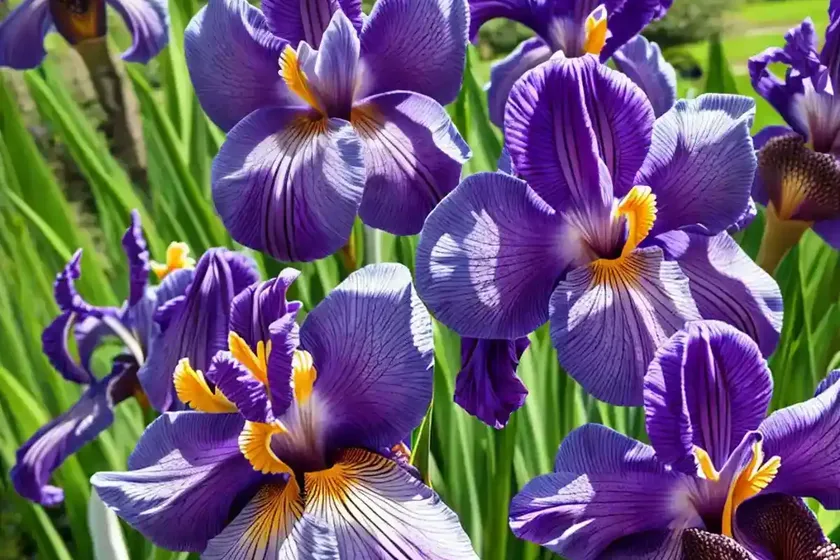
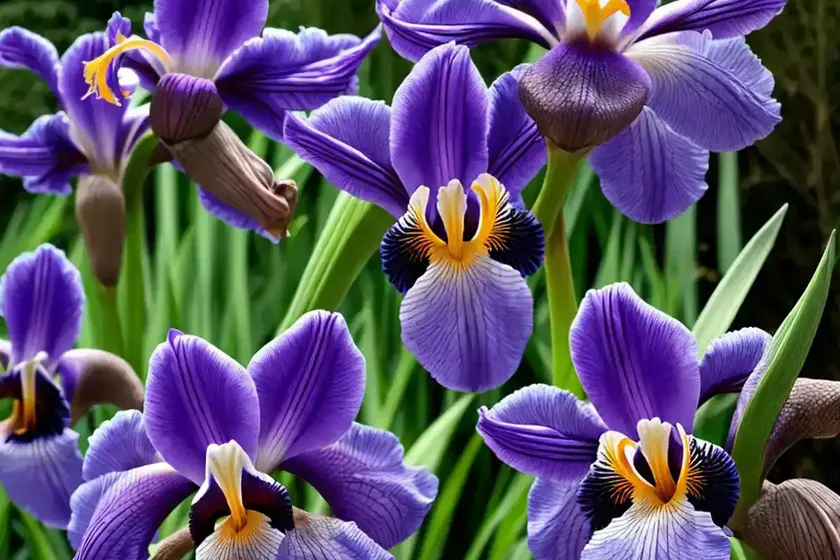
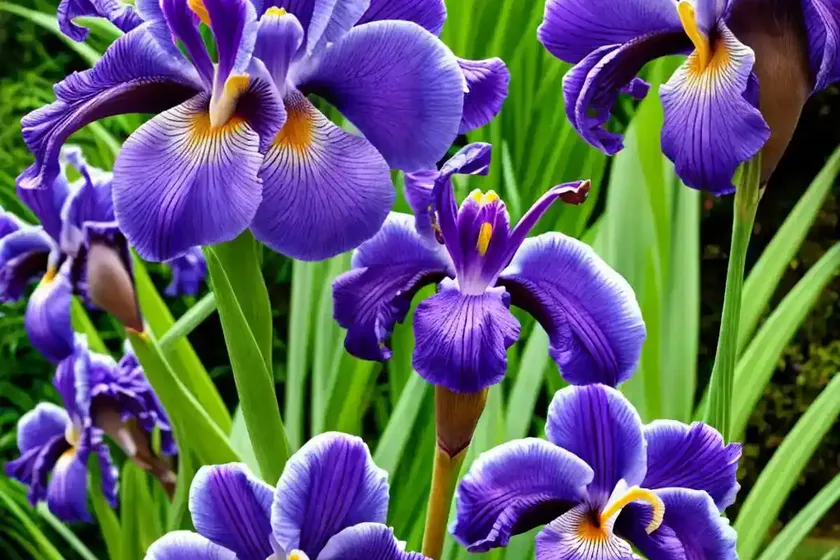
Iris ensata ‘Pleasant Earlybird’, commonly known as Japanese Iris, is a stunning plant that captivates with its exotic appearance and delicate charm. In this comprehensive guide, we will delve into the intriguing world of Iris ensata ‘Pleasant Earlybird’ – exploring its cultural significance, uses, growth requirements, and maintenance. Whether you are an avid gardener or a budding botanist, join me on this fascinating journey to uncover the secrets of this remarkable plant.
What is Iris ensata ‘Pleasant Earlybird’?
Iris ensata ‘Pleasant Earlybird’ is a captivating herbaceous perennial belonging to the Iridaceae family. It is a native of Japan and holds a significant cultural relevance in Japanese gardening and horticulture. The plant is renowned for its exquisite blooms, which display a mesmerizing array of colors and patterns, adding a touch of elegance to water gardens, landscapes, and floral arrangements.
Key Takeaways – Iris Ensata ‘Pleasant Earlybird’ (Japanese Iris)
Before we delve into the intricate details of Iris ensata ‘Pleasant Earlybird’, let’s highlight some key takeaways about this captivating plant.
- Common Name: Japanese Iris
- Scientific Name: Iris ensata ‘Pleasant Earlybird’
- Origin: Japan
- Characteristics: Exquisite flowers, vibrant colors, graceful foliage
- Growing Conditions: Prefers moist, well-drained soil, thrives in partial to full sunlight
- Maintenance: Requires regular watering, occasional fertilization, and minimal pruning
- Cultural Significance: Integral part of traditional Japanese gardens and symbolizes purity and elegance
Now, let’s embark on an in-depth exploration of this mesmerizing plant, from its cultural significance to its growth requirements and maintenance practices.
Culture
The cultural heritage of Japanese Iris, including Iris ensata ‘Pleasant Earlybird’, is deeply rooted in Japan’s rich tradition of gardening and horticulture. These plants have been cherished for centuries, adorning gardens, ponds, and landscapes with their breathtaking beauty. They hold a special place in Japanese culture, symbolizing purity, elegance, and the transient nature of life.
Japanese Iris are often featured in traditional Japanese gardens, where meticulous attention is paid to creating serene and harmonious landscapes. These gardens are designed to evoke a sense of tranquility and balance, with carefully selected plants, rock formations, and water features. Japanese Iris, with their graceful presence and captivating blooms, contribute to the ethereal beauty of these gardens.
Uses
The uses of Iris ensata ‘Pleasant Earlybird’ extend beyond their ornamental value. While they are primarily cultivated for their aesthetic appeal, these plants also hold cultural and symbolic significance in Japanese folklore and traditions. In addition to their role in traditional gardens, Japanese Iris are also used in floral arrangements, where their exquisite blooms add an element of sophistication and grace.
Beyond their cultural and decorative uses, the Iris ensata ‘Pleasant Earlybird’ has also been explored for its potential medicinal properties. In traditional herbal medicine, certain parts of the plant have been used for their purported health benefits, ranging from anti-inflammatory properties to promoting overall well-being.
Water
Iris ensata ‘Pleasant Earlybird’ thrives in moist conditions and is often found in or near water gardens, ponds, and marshy areas. Adequate moisture is essential for the healthy growth and prolific blooming of these plants. When cultivating Japanese Iris, it is crucial to ensure that they receive sufficient water, especially during the growing season and periods of drought.
Water Requirements
-
Growing Season: During the growing season, Japanese Iris should be watered consistently to maintain moist soil. Regular, deep watering is recommended to ensure that the plants receive ample moisture.
-
Established Plants: Once established, these plants have moderate drought tolerance. However, they still benefit from regular watering, particularly during dry spells or prolonged periods of heat.
-
Watering Methods: When watering Japanese Iris, it is advisable to apply water at the base of the plant, avoiding excessive splashing on the foliage and flowers. This helps prevent foliar diseases and maintains a favorable moisture balance in the soil.
Sunlight
The sunlight requirements of Iris ensata ‘Pleasant Earlybird’ play a crucial role in determining their growth and blooming potential. These plants exhibit a preference for partial to full sunlight, thriving in environments that offer a balance of direct sunlight and filtered shade.
Sunlight Preferences
-
Partial Sun: Japanese Iris can flourish in locations that receive dappled sunlight or partial shade, particularly in regions with hot summers. When planted in partial shade, they benefit from protection during the hottest part of the day while still receiving an ample amount of sunlight.
-
Full Sun: In cooler climates, Japanese Iris can tolerate full sun, provided they receive adequate moisture to counteract the potential effects of intense sunlight. However, in regions with scorching summers, some partial shade may be beneficial to prevent sunscald and dehydration.
-
Optimal Balance: Finding the optimal balance of sunlight is essential for the healthy growth and abundant blooming of Iris ensata ‘Pleasant Earlybird’. A location that provides morning sun and afternoon shade or filtered light is often ideal for these plants.
Fertilizer
Fertilization plays a pivotal role in supporting the growth, vigor, and blooming capacity of Iris ensata ‘Pleasant Earlybird’. Providing the appropriate nutrients at the right time can significantly enhance the overall health and floral display of these plants.
Fertilizer Needs
-
Balanced Fertilizer: Japanese Iris benefit from a balanced, all-purpose fertilizer with a formula such as 10-10-10 or 20-20-20. This provides a mix of essential nutrients, promoting robust growth and prolific flowering.
-
Application Timing: Fertilizer can be applied in early spring as new growth emerges and again in early summer to support the development of flower buds. It is important to follow the recommended application rates to avoid overfertilization, which can lead to excessive foliage at the expense of blooms.
-
Application Method: When applying fertilizer, it is advisable to distribute it evenly around the base of the plants, avoiding direct contact with the foliage. Watering the plants after fertilization helps to incorporate the nutrients into the soil.
-
Organic Alternatives: For those preferring organic options, compost and well-rotted manure can also be used to enrich the soil and provide a steady source of nutrients for Japanese Iris.
Soil
The soil requirements of Iris ensata ‘Pleasant Earlybird’ are integral to their overall health and vitality. These plants thrive in moist, well-drained soil with a slightly acidic to neutral pH. Additionally, the soil composition and texture play a significant role in supporting their growth and blooming potential.
Soil Requirements
-
Moisture Retention: Japanese Iris prefer soil that retains moisture without becoming waterlogged. The ideal soil should be rich in organic matter, providing a conducive environment for root development and nutrient uptake.
-
Drainage: Adequate drainage is essential to prevent waterlogging, which can lead to root rot and other moisture-related issues. Incorporating organic amendments such as compost and peat moss can improve the soil’s drainage capacity.
-
pH Level: Japanese Iris thrive in soil with a pH level ranging from slightly acidic to neutral, ideally between 6.0 and 7.0. Conducting a soil test can help determine the pH of the planting site and guide any necessary adjustments.
-
Soil Composition: A well-balanced soil mix that combines organic matter, such as compost or well-rotted manure, with a loamy or sandy texture can create an optimal growing medium for Japanese Iris.
Pruning
Proper pruning practices are essential for maintaining the health, appearance, and flowering potential of Iris ensata ‘Pleasant Earlybird’. While these plants do not require extensive pruning, occasional maintenance and deadheading can promote tidiness and encourage the development of new blooms.
Pruning Tips
-
Deadheading: Removing spent blooms promptly can encourage the production of additional flowers and prevent seed formation, redirecting the plant’s energy into strong, healthy growth. Deadheading also contributes to a tidy and visually appealing appearance.
-
Stem Pruning: After the flowering period, any yellowing or damaged foliage can be trimmed back to maintain the plant’s vigor and aesthetic appeal. Pruning out any weak or overcrowded stems can also improve air circulation and reduce the risk of disease.
-
Fall Cleanup: In late fall or early winter, it is beneficial to remove any remaining foliage that has turned brown or shows signs of disease. By tidying up the plants before winter sets in, you can minimize the risk of overwintering pests and diseases.
-
Sanitization: When pruning Japanese Iris, it is important to use clean, sharp tools to prevent the spread of diseases. Disinfecting the pruning tools with a solution of 70% isopropyl alcohol or a household disinfectant can help maintain plant health.
Propagation
The propagation of Iris ensata ‘Pleasant Earlybird’ offers an opportunity to expand your collection of these captivating plants or share their beauty with fellow gardening enthusiasts. There are several methods of propagation, each with its own advantages and considerations.
Propagation Methods
Division
- Division Technique: Dividing established clumps of Japanese Iris is a common and effective method of propagation. This is best carried out in early spring, just as new growth emerges, or in late summer to early fall, after the flowering season.
- Procedure: Carefully dig up the clump, separating it into smaller sections that each contain healthy rhizomes and well-developed roots. Replant the divisions in prepared soil, ensuring adequate spacing and thorough watering.
Seed Propagation
- Seed Collection: Collecting and sowing the seeds of Iris ensata ‘Pleasant Earlybird’ allows for the creation of new and unique variations, showcasing the diverse array of colors and patterns these plants exhibit.
- Sowing Process: Collect mature seeds in late summer or early fall and sow them in a well-prepared seedbed or containers. Provide ample moisture and protect the seedlings from extreme temperatures to support their germination and early growth.
Rhizome Cuttings
- Cutting Preparation: Taking rhizome cuttings from healthy, mature plants can be a successful method of propagation, particularly for producing exact clones of the parent plant.
- Cutting and Planting: Select healthy, firm rhizomes and cut them into sections, each containing at least one growing point or bud. Plant the cuttings in a well-drained and moist growing medium, ensuring that the buds are positioned facing upward.
Container Popularity
Although Japanese Iris are often associated with water gardens and moist environments, they also exhibit significant popularity as container plants. Cultivating Iris ensata ‘Pleasant Earlybird’ in containers offers versatility and allows individuals with limited garden space to enjoy the plant’s stunning blooms and graceful foliage.
Container Considerations
-
Pot Selection: When choosing containers for Japanese Iris, select spacious, sturdy pots with adequate drainage holes. The size of the container should accommodate the plant’s root system and allow for healthy growth.
-
Soil Mix: Prepare a well-draining soil mix for container-grown Japanese Iris, incorporating elements such as peat moss, perlite, and compost. This ensures a balanced growing medium that supports root health and moisture regulation.
-
Watering Needs: Container-grown Japanese Iris may require more frequent watering, as the soil in containers can dry out more swiftly than garden soil. Monitor the moisture levels and water the plants as needed to maintain consistent soil moisture.
-
Placement: Position the containers in locations that offer the appropriate sunlight conditions for Japanese Iris, ensuring they receive the required amount of light for healthy growth and prolific blooming.
Container Common Diseases
Despite the potential benefits of growing Japanese Iris in containers, there are certain diseases and challenges that container-grown plants may encounter. Recognizing these common issues and implementing preventative measures is essential for preserving the health and vitality of Iris ensata ‘Pleasant Earlybird’ in container settings.
Disease Susceptibility
-
Root Rot: Overwatering and poor drainage can contribute to the development of root rot in container-grown plants, including Japanese Iris. To mitigate this risk, ensure that containers have adequate drainage and allow the soil to dry slightly between waterings.
-
Fungal Diseases: Humid conditions within containers can create a favorable environment for fungal diseases such as leaf spot and powdery mildew. Proper air circulation and, if needed, the use of fungicidal treatments can help manage these issues.
-
Pest Infestations: Containers may be susceptible to certain pests, including aphids, spider mites, and slugs. Regular inspection and the implementation of pest control measures can help minimize the impact of these potential threats.
Disease Diagnosis
Diagnosing and addressing potential diseases in Japanese Iris, including Iris ensata ‘Pleasant Earlybird’, requires attentiveness and proactive management. By recognizing common symptoms and understanding the underlying causes, gardeners can take appropriate steps to maintain the health and vigor of their plants.
Common Signs of Disease
-
Leaf Discoloration: Yellowing, browning, or spotting on the foliage may indicate the presence of fungal or bacterial diseases, nutrient deficiencies, or environmental stress.
-
Stunted Growth: If the growth of Japanese Iris appears stunted or lacks vigor, it could be linked to issues such as poor soil conditions, root disturbance, or certain pests and diseases.
-
Flower Abnormalities: Deformed or discolored flower buds and blooms can be a sign of underlying issues, including pest damage, fungal infections, or hormonal imbalances.
-
General Decline: A gradual decline in the overall health and appearance of the plants, despite optimal growing conditions, may signal the presence of root-related problems or systemic issues.
Diagnostic Steps
To diagnose and address potential diseases affecting Japanese Iris, consider the following steps:
-
Thorough Inspection: Regularly inspect the plants for any signs of disease, focusing on the foliage, stems, and flowers.
-
Symptom Identification: Identify specific symptoms such as leaf spots, lesions, discoloration, and abnormalities in growth patterns.
-
Environmental Conditions: Assess the growing environment, including sunlight exposure, soil moisture, and drainage, to determine if any factors are contributing to the observed symptoms.
-
Soil and Water Analysis: Conduct soil tests to assess the pH, nutrient levels, and drainage capacity. Examine the water quality and frequency of irrigation to ensure they align with the plant’s requirements.
-
Professional Consultation: If necessary, seek guidance from local horticultural experts, extension offices, or plant pathology specialists to obtain accurate diagnoses and targeted treatment recommendations.
Common Pests
While Japanese Iris, including Iris ensata ‘Pleasant Earlybird’, are relatively resistant to pest infestations, certain common pests can pose a threat to their health and blooming capacity. Understanding the potential pests and implementing preventive measures can help safeguard the plants from unnecessary damage.
Pest Identification
-
Aphids: These small, sap-sucking insects can cluster on the underside of leaves, causing distortion and yellowing of foliage. Aphids excrete honeydew, leading to sooty mold and attracting ants.
-
Thrips: Thrips are tiny, slender insects that may cause silvery or discolored streaking on the petals of Japanese Iris blooms. They feed on the plant’s tissues and can impact the aesthetic quality of the flowers.
-
Spider Mites: These minute pests can thrive in hot, dry conditions, often causing stippling and discoloration of the foliage. Spider mites may spin fine webbing on the plants and multiply rapidly under favorable conditions.
-
Slugs and Snails: These moisture-loving pests can feed on the tender foliage and flowers of Japanese Iris, leaving characteristic feeding marks and causing cosmetic damage.
Pest Management
Implementing effective pest management strategies can help minimize the impact of these common pests on Japanese Iris:
-
Cultural Practices: Encourage natural predators and beneficial insects that prey on pests, maintain good garden hygiene, and remove debris and weeds that may harbor pests.
-
Physical Barriers: Use protective barriers such as row covers or mesh to prevent pests such as slugs and snails from accessing the plants.
-
Natural Predators: Introduce or conserve natural predators such as ladybugs, lacewings, and predatory mites that feed on aphids and other small insects.
-
Selective Pesticides: If necessary, consider targeted application of insecticidal soaps or horticultural oils to control aphids, thrips, and spider mites while minimizing the impact on beneficial insects.
Botanist’s Tips for Growing Iris ensata ‘Pleasant Earlybird’
Drawing upon horticultural expertise and practical insights, here are some valuable tips for successfully growing and caring for Iris ensata ‘Pleasant Earlybird’:
-
Moisture Management: Ensure consistent moisture levels for Japanese Iris, particularly during the growing season and periods of heat. Provide adequate irrigation and maintain well-drained soil to achieve the ideal balance of moisture.
-
Soil Preparation: Prior to planting, prepare the soil by incorporating organic matter to enhance its moisture retention and nutrient content. A well-balanced and rich growing medium supports healthy root development and flowering.
-
Sunlight Balance: Find a suitable location that offers the right balance of sunlight for Japanese Iris. Providing dappled sunlight or partial shade in hot climates can help protect the plants from excessive heat and sun exposure.
-
Seasonal Maintenance: Implement routine maintenance practices, including deadheading, stem pruning, and fall cleanup, to promote the longevity of blooming and overall plant vitality.
-
Disease Prevention: Practice good sanitation, monitor for signs of disease, and proactively address any issues to prevent the spread of diseases such as root rot and fungal infections.
-
Pest Vigilance: Regularly inspect the plants for signs of pest infestations and adopt integrated pest management strategies to manage common pests without compromising the overall balance of the ecosystem.
Fun Facts about Iris ensata ‘Pleasant Earlybird’
Amidst the botanical intricacies and horticultural considerations, there are several intriguing and delightful facts that add to the allure of Iris ensata ‘Pleasant Earlybird’:
-
Cultural Symbolism: Japanese Iris, including Iris ensata ‘Pleasant Earlybird’, have been revered in Japanese culture for their symbolic representation of purity, elegance, and transience.
-
Breeding Innovation: Ongoing breeding efforts have resulted in an impressive array of Iris ensata varieties, showcasing a diverse palette of colors, patterns, and forms that captivate enthusiasts and collectors.
-
Habitat Diversity: While Japanese Iris are most commonly associated with water gardens, they also thrive in terrestrial settings, demonstrating their adaptability and resilience in varying growing conditions.
-
Artistic Inspiration: The captivating allure of Japanese Iris has inspired artists, poets, and garden designers, influencing traditional art forms, landscape compositions, and cultural expressions.
-
Cultural Festivals: Japanese Iris are celebrated in seasonal festivals and horticultural events, where their exquisite beauty takes center stage, captivating visitors and enthusiasts alike.
Links to External Resources
For further exploration and in-depth understanding of Iris ensata ‘Pleasant Earlybird’ and Japanese Iris, the following links to external resources offer valuable insights and comprehensive information:
- American Iris Society – Japanese Iris: [American Iris Society](https://www.irises.org/median/50-about-beardless-iris/about-j


