Iris Ensata ‘Blue Spritz’ (Japanese Iris)
Iris ensata ‘Blue Spritz’, commonly known as the Japanese Iris, is a stunning plant that adds a touch of elegance and grace to any garden. This tall and.
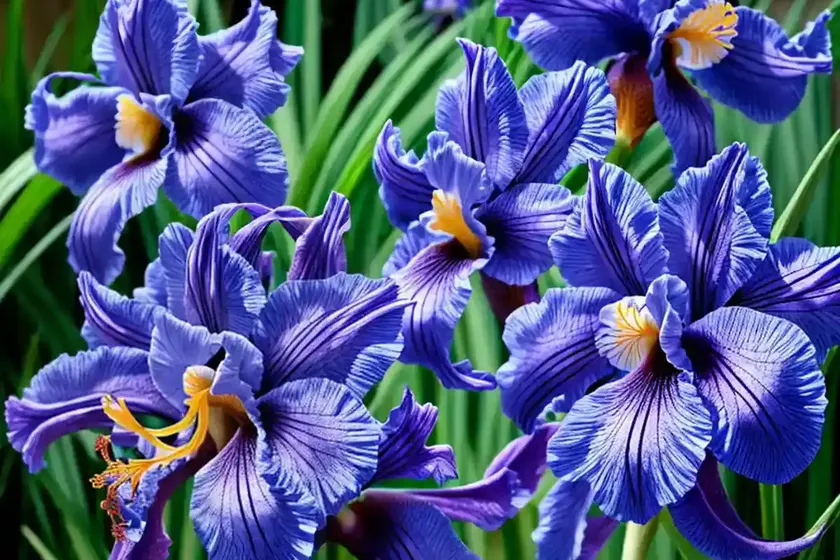
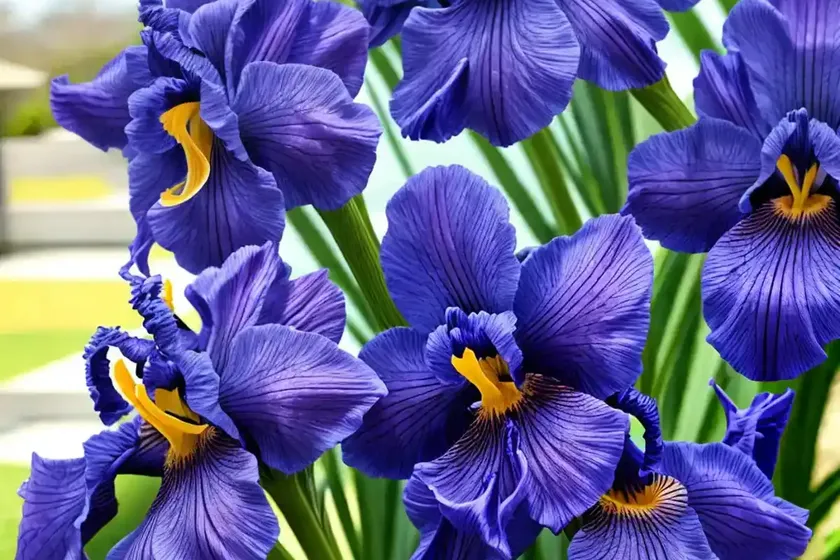
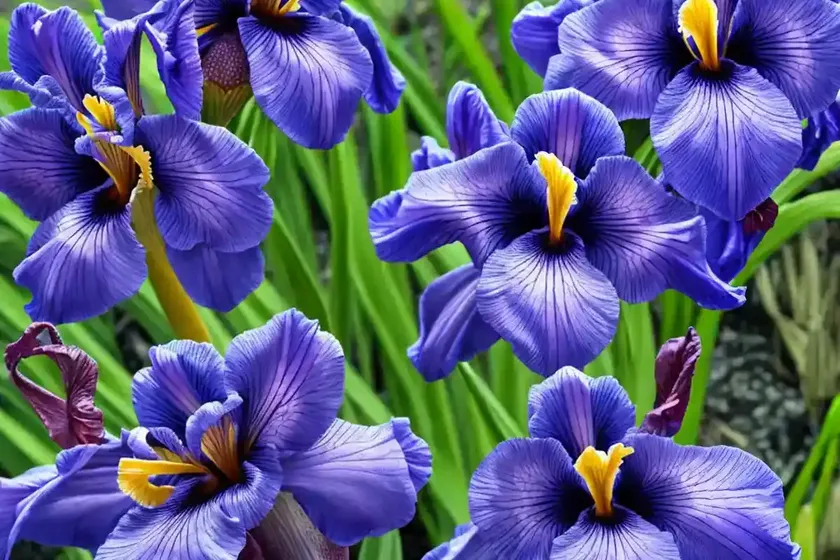
Iris ensata ‘Blue Spritz’, commonly known as the Japanese Iris, is a stunning plant that adds a touch of elegance and grace to any garden. This tall and graceful perennial is known for its showy, blue-violet flowers that bloom in the summer, making it a favorite among garden enthusiasts. In this comprehensive guide, we will delve into the various aspects of caring for and cultivating Iris ensata ‘Blue Spritz’, covering everything from its culture and uses to its specific water, sunlight, and soil requirements. Whether you are a seasoned gardener or just starting, this guide will equip you with the knowledge needed to grow and maintain the Japanese Iris ‘Blue Spritz’ successfully.
What is Iris ensata ‘Blue Spritz’ (Japanese Iris)?
Before we dive into the details of caring for Iris ensata ‘Blue Spritz’, let’s take a closer look at what sets this plant apart.
Iris ensata ‘Blue Spritz’ Characteristics
- Scientific Name: Iris ensata ‘Blue Spritz’
- Common Name: Japanese Iris ‘Blue Spritz’
- Family: Iridaceae
- Origin: Japan
- Type: Perennial
- Height: 2-3 feet
- Spread: 1-2 feet
- Flower Color: Blue-violet
- Bloom Time: Summer
- Hardiness Zone: 4-9
Key Takeaways – Iris ensata ‘Blue Spritz’ (Japanese Iris)
Let’s begin our exploration of Iris ensata ‘Blue Spritz’ by understanding its key characteristics, which will serve as a foundation for the subsequent sections.
Culture
- Growth Habit: Clumping
- Foliage: Sword-shaped, green leaves
- Flowers: Large, showy, and distinctive blue-violet blooms with striking patterns
Uses
- Garden Beds: Ideal for borders and tall garden beds
- Water Features: Stunning addition to water gardens and ponds
Water
- Irrigation: Regular watering to keep the soil consistently moist, especially during the growing season
- Water Features: Can thrive in shallow water or wet conditions
Sunlight
- Light: Prefers full sun to partial shade
- Shade: Can tolerate shade, but may result in fewer blooms
Fertilizer
- Fertilization: Benefits from a balanced, slow-release fertilizer in early spring
Soil
- Type: Moist, well-drained soil
- pH: Slightly acidic to neutral (pH 6.5-7.0)
- Amendments: Addition of organic matter can improve soil structure and fertility
Pruning
- Maintenance: Regular deadheading of spent blooms
- Clean-Up: Removal of old foliage and stems in late fall
Propagation
- Division: Propagation through division of rhizomes in early spring or late summer
Container
- Container Gardening: Suitable for growing in large containers in water gardens or on patios
Popularity
- Gardeners’ Choice: Highly sought after for its captivating blooms and graceful appearance
Now that we have familiarized ourselves with the fundamental aspects of Iris ensata ‘Blue Spritz’, let’s delve deeper into each of these points and gain a comprehensive understanding of how to care for and cultivate this stunning plant.
Culture: Creating the Ideal Environment for Iris ensata ‘Blue Spritz’
Creating the ideal environment for Iris ensata ‘Blue Spritz’ involves understanding and managing its cultural requirements. From soil to water and sunlight, each factor plays a crucial role in the plant’s overall well-being.
Water
Japanese Iris ‘Blue Spritz’ is a plant that favors consistently moist soil, making regular watering a key aspect of its care. During the growing season, it is important to ensure that the plant’s root zone remains consistently moist to promote healthy growth and prolific blooming. Additionally, being a plant that thrives in wet conditions, Japanese Iris ‘Blue Spritz’ can be an excellent choice for water gardens, pond margins, or other areas with shallow water.
Watering Requirements:
- Frequency: Regular watering, ensuring that the soil does not dry out completely
- Method: Deep watering to saturate the root zone
- Avoid Overwatering: While Japanese Iris ‘Blue Spritz’ enjoys moist conditions, it is essential to prevent waterlogging, which can lead to root rot and other issues
Sunlight
When it comes to sunlight preferences, Japanese Iris ‘Blue Spritz’ thrives in full sun to partial shade. While it can tolerate some shade, providing adequate sunlight is crucial for promoting vigorous growth and ensuring an abundance of blooms. In regions with hot summers, providing some afternoon shade can help protect the plant from excessive heat and potential sunburn.
Sunlight Needs:
- Preference: Full sun to partial shade
- Protection: Provide afternoon shade in hot climates
Fertilizer
Fertilizing Japanese Iris ‘Blue Spritz’ is an essential aspect of its care, contributing to its overall health and vigor. A balanced, slow-release fertilizer can provide the necessary nutrients to support robust growth and abundant flowering. Applying fertilizer in early spring sets the stage for a season of healthy and vibrant blooms.
Fertilization:
- Timing: Apply a balanced, slow-release fertilizer in early spring
- Frequency: Follow specific product recommendations for additional feedings if necessary
- Avoid Excess: Over-fertilization can lead to excessive foliage growth at the expense of blooms
Soil
The soil in which Japanese Iris ‘Blue Spritz’ is planted plays a significant role in its overall well-being. To ensure optimal growth and performance, it is important to provide a growing medium that is moisture-retentive, well-draining, and enriched with organic matter. Amending the soil with compost or well-rotted manure can improve its structure and fertility, creating an environment that is conducive to the plant’s success.
Soil Preferences:
- Type: Moist, well-drained soil
- pH: Slightly acidic to neutral (pH 6.5-7.0)
- Amendments: Incorporate organic matter to improve soil texture and fertility
Uses: Incorporating Japanese Iris ‘Blue Spritz’ in Your Garden
Japanese Iris ‘Blue Spritz’ presents a multitude of uses in garden settings, adding beauty and charm to various landscaping features. Understanding where and how to incorporate this stunning plant allows you to fully appreciate its ornamental value and maximize its impact in your outdoor spaces.
Garden Beds
As a tall and striking perennial, Japanese Iris ‘Blue Spritz’ is an ideal choice for incorporating into garden beds. With its showy blooms and attractive foliage, it can serve as a captivating border plant, adding vertical interest and a splash of color to the landscape. Planted in groups or rows, it creates a bold display that draws attention and creates a visually stunning backdrop for other garden elements.
Water Features
The elegant and graceful nature of Japanese Iris ‘Blue Spritz’ makes it a natural fit for water gardens and pond margins. Its ability to thrive in wet conditions allows it to flourish in areas with shallow water, adding a touch of elegance and tranquility to these aquatic settings. Whether planted at the edge of a water feature or in submerged containers, the Japanese Iris ‘Blue Spritz’ introduces a captivating element that enhances the beauty of the surroundings.
Water
The water requirements of Japanese Iris ‘Blue Spritz’ play a critical role in its overall health and blooming potential. Understanding its specific needs and providing appropriate irrigation ensures that the plant thrives and continues to produce an abundance of striking flowers throughout the growing season.
Watering Tips:
- Consistency: Maintain consistent soil moisture to support healthy growth and flowering
- Observation: Monitor soil moisture levels and adjust watering frequency based on environmental conditions
- Avoid Waterlogging: Prevent excessive moisture accumulation around the roots to avoid issues such as rot and fungal diseases
Sunlight
The sunlight preferences of Japanese Iris ‘Blue Spritz’ determine its overall growth and blooming potential. Providing the right amount of sunlight ensures that the plant thrives and produces an impressive display of vibrant blooms, contributing to the overall appeal of your garden.
Sunlight Considerations:
- Optimal Placement: Position the plant in an area that receives adequate sunlight, preferably in full sun to partial shade
- Regional Variations: Take into account regional climate and adjust sunlight exposure accordingly for optimal growth
- Protection: Shield the plant from intense afternoon sun in hot climates to prevent stress and damage
Fertilizer
Fertilizing Japanese Iris ‘Blue Spritz’ is an essential aspect of its care, contributing to its overall health and blooming performance. Understanding the specific fertilizer needs of the plant allows you to provide the necessary nutrients for robust growth and abundant flowering.
Fertilization Guidelines:
- Balanced Feed: Apply a balanced, slow-release fertilizer in early spring to provide essential nutrients
- Follow-Up Feedings: Consider additional feedings based on the plant’s response and specific fertilizer product recommendations
- Avoid Over-Fertilization: Use caution to prevent excessive foliage growth at the expense of blooms due to over-fertilization
Soil
The soil requirements of Japanese Iris ‘Blue Spritz’ are crucial in creating an environment conducive to its growth and overall well-being. Understanding the ideal soil conditions for the plant allows you to provide a suitable growing medium that supports healthy development and blooming.
Soil Preparation:
- Moisture Retention: Use a moisture-retentive, well-draining soil to maintain adequate moisture levels while preventing waterlogging
- pH Considerations: Aim for slightly acidic to neutral soil conditions (pH 6.5-7.0) to create an optimal growing environment for the plant
- Organic Matter Addition: Incorporate organic matter such as compost or well-rotted manure to improve soil structure and fertility
Pruning
Pruning Japanese Iris ‘Blue Spritz’ is an essential maintenance task that supports the plant’s health and appearance. Regular removal of spent blooms and old foliage maintains the plant’s vigor and promotes continuous blooming.
Pruning Practices:
- Deadheading: Remove spent blooms promptly to encourage the production of new flower buds
- Fall Clean-Up: Trim back old foliage and stems in late fall to promote a tidy appearance and prevent the buildup of debris
Propagation
The propagation of Japanese Iris ‘Blue Spritz’ through division allows you to expand your plant collection and rejuvenate established clumps. Understanding the division process and timing is essential for successful propagation.
Division Tips:
- Timing: Perform division in early spring or late summer to coincide with the plant’s dormancy periods and minimize stress
- Rhizome Health: Select healthy and vigorous rhizomes for division to ensure the success of newly propagated plants
- Replanting: Ensure that the divided rhizomes are promptly replanted in suitable locations with adequate moisture and sunlight
Container
Growing Japanese Iris ‘Blue Spritz’ in containers offers a versatile approach to incorporating the plant into various settings, ranging from water gardens to patios and balconies. Understanding the considerations for container gardening allows you to create a thriving environment for the plant in confined spaces.
Container Gardening Tips:
- Container Selection: Choose spacious containers that can accommodate the plant’s mature size and provide ample room for root development
- Water Features: Utilize large containers for creating stunning water features with Japanese Iris ‘Blue Spritz’ as a focal point
- Maintenance: Monitor soil moisture carefully and provide regular irrigation to ensure optimal growth in container settings
Popularity: Why Japanese Iris ‘Blue Spritz’ Captures Gardeners’ Hearts
The widespread popularity of Japanese Iris ‘Blue Spritz’ can be attributed to its captivating blooms, graceful appearance, and versatility in garden settings. As a cherished plant among garden enthusiasts, it has earned a special place in landscapes and continues to capture the hearts of those who appreciate its beauty.
Gardening Enthusiasts’ Favorites
With its stunning blue-violet blooms and striking foliage, Japanese Iris ‘Blue Spritz’ has secured its position as a favorite among gardening enthusiasts. Its ability to create a striking visual impact in garden settings makes it a sought-after addition to diverse landscapes, from traditional garden beds to contemporary water features.
Common Diseases: Protecting Japanese Iris ‘Blue Spritz’ from Harm
While Japanese Iris ‘Blue Spritz’ is generally robust, it is susceptible to certain diseases that can impact its overall health and appearance. Identifying common diseases and understanding preventive measures equips you to protect your plants and maintain their well-being.
Disease Diagnosis
Some of the common diseases that may affect Japanese Iris ‘Blue Spritz’ include:
- Leaf Spot: Characterized by the development of circular, dark spots on the foliage
- Root Rot: Caused by excessive moisture, leading to decay and decline in plant health
- Bacterial Soft Rot: Manifests as foul-smelling, water-soaked lesions on the rhizomes
- Fungal Leaf Blight: Results in brown or yellowish lesions on the leaves, often spreading rapidly in humid conditions
Preventive Measures:
- Good Air Circulation: Ensure adequate spacing between plants to promote air circulation and reduce humidity levels
- Avoid Overhead Watering: Minimize foliage moisture by directing irrigation at the base of the plant
- Promote Soil Drainage: Maintain well-draining soil conditions to prevent waterlogging and the onset of root rot
Common Pests: Safeguarding Japanese Iris ‘Blue Spritz’ from Intruders
Like many plants, Japanese Iris ‘Blue Spritz’ is vulnerable to certain pests that can affect its growth and vitality. Recognizing common pests and implementing control measures helps protect your plants and preserve their ornamental value.
Pest Control
Common pests that may affect Japanese Iris ‘Blue Spritz’ include:
- Aphids: Small, pear-shaped insects that feed on plant sap, leading to stunted growth and distortion of new growth
- Slugs and Snails: Forage on the foliage and blooms, leaving behind characteristic slimy trails and irregular holes in the leaves
- Japanese Beetles: Cause damage by skeletonizing leaves, resulting in a lace-like appearance
- Caterpillars: Consume foliage and flowers, leading to visible feeding damage and potential defoliation
Control Measures:
- Manual Removal: Handpick pests such as slugs and snails and dispose of them to reduce populations
- Natural Predators: Encourage natural predators such as ladybugs and lacewings to manage aphid populations
- Barriers: Implement physical barriers and traps to deter pests such as slugs and Japanese beetles
- Biological Controls: Consider the use of biological control agents such as Bacillus thuringiensis (Bt) for managing caterpillar infestations
Botanist’s Tips: Expert Insights for Growing Japanese Iris ‘Blue Spritz’
Gaining insights from experienced botanists provides valuable advice and guidance for successfully growing Japanese Iris ‘Blue Spritz’ in your garden. By incorporating expert tips into your cultivation practices, you can enhance the overall health and appeal of your plants.
Soil Preparation
- Botanist’s Insight: “Prioritize the preparation of the soil to create a rich and moisture-retentive environment ideal for Japanese Iris ‘Blue Spritz’. Incorporating organic matter such as compost or well-rotted manure supports robust growth and ensures that the plant thrives.”
Division Techniques
- Botanist’s Insight: “When dividing Japanese Iris ‘Blue Spritz’, focus on selecting healthy and vigorous rhizomes to propagate. Performing division during the plant’s dormant periods, such as early spring or late summer, minimizes stress and increases the chances of successful establishment.”
Water Management
- Botanist’s Insight: “Maintaining optimal soil moisture is crucial for the health and blooming performance of Japanese Iris ‘Blue Spritz’. Regular irrigation during the growing season and adequate water retention in container settings are essential considerations for promoting vigorous growth.”
Sunlight Considerations
- Botanist’s Insight: “Providing adequate sunlight is key to encouraging prolific blooming and vibrant foliage in Japanese Iris ‘Blue Spritz’. While the plant can tolerate some shade, ensuring access to ample sunlight supports its overall vitality and ornamental value.”
Fun Facts: Discovering the Fascinating Aspects of Iris ensata ‘Blue Spritz’
Amidst the practical aspects of caring for Japanese Iris ‘Blue Spritz’, it’s delightful to uncover some intriguing and lesser-known facts about this enchanting plant.
- Cultural Significance: In Japanese culture, Iris ensata is revered and often depicted in traditional art forms such as paintings and textiles, signifying strength, resilience, and the tranquility of water gardens.
- Artistic Inspiration: The striking blooms of Japanese Iris ‘Blue Spritz’ have inspired artists and florists, featuring prominently in floral arrangements and capturing the attention of nature photographers and botanical illustrators.
- Wildlife Magnet: The vibrant blooms of Japanese Iris ‘Blue Spritz’ attract pollinators such as bees and butterflies, contributing to the biodiversity of garden spaces and creating a harmonious ecosystem.
Links to External Resources
As you continue to explore the cultivation and care of Japanese Iris ‘Blue Spritz’, consider delving into additional resources that offer valuable insights and practical guidance for nurturing your plants. Here are some recommended external resources for further information:
- American Iris Society: https://www.irises.org/
- Royal Horticultural Society – Growing Bearded Irises: https://www.rhs.org.uk/advice/profile?PID=330
- The Iris Society of Australia: https://www.irises.org.au/
- University of Florida IFAS Extension – Japanese Irises for Florida Gardens: http://ufdc.ufl.edu/IR00010487/00001
Incorporating insights from credible and authoritative sources broadens your knowledge and enhances your ability to cultivate and maintain beautiful and thriving Japanese Iris ‘Blue Spritz’ in your garden.
Wrapping Up
In this comprehensive guide, we have delved into the captivating world of Iris ensata ‘Blue Spritz’, exploring its cultural requirements, uses in garden settings, and practical tips for successful cultivation. By understanding the specific water, sunlight, and soil preferences of Japanese Iris ‘Blue Spritz’, you can create an environment that allows the plant to thrive and grace your garden with its enchanting blooms and elegant foliage. Armed with expert insights, preventive measures for diseases and pests, and a newfound appreciation for the beauty of this plant, you are well-equipped to embark on an enriching journey of growing and caring for Japanese Iris ‘Blue Spritz’ in your garden.


