Iris Ensata ‘Crystal Halo’ (Japanese Iris)
Iris ensata ‘Crystal Halo’, commonly known as the Japanese Iris, is a stunning perennial plant that has captured the hearts of gardeners worldwide. With.
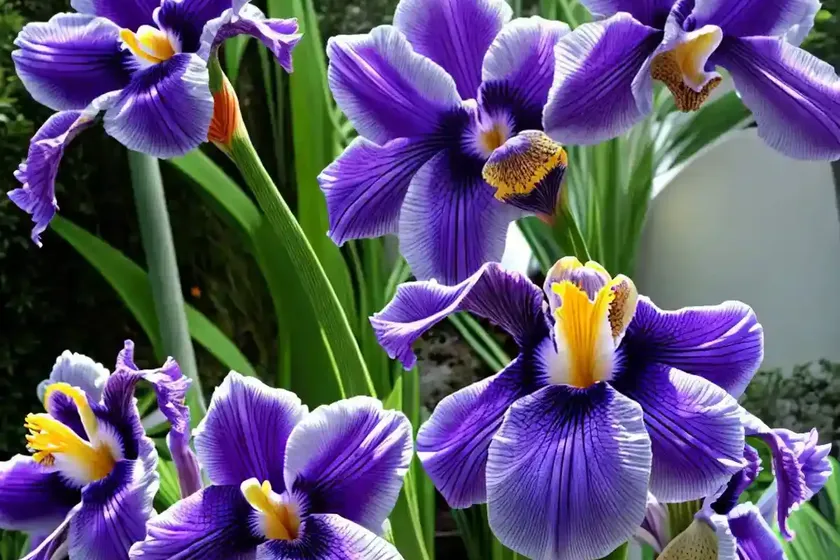
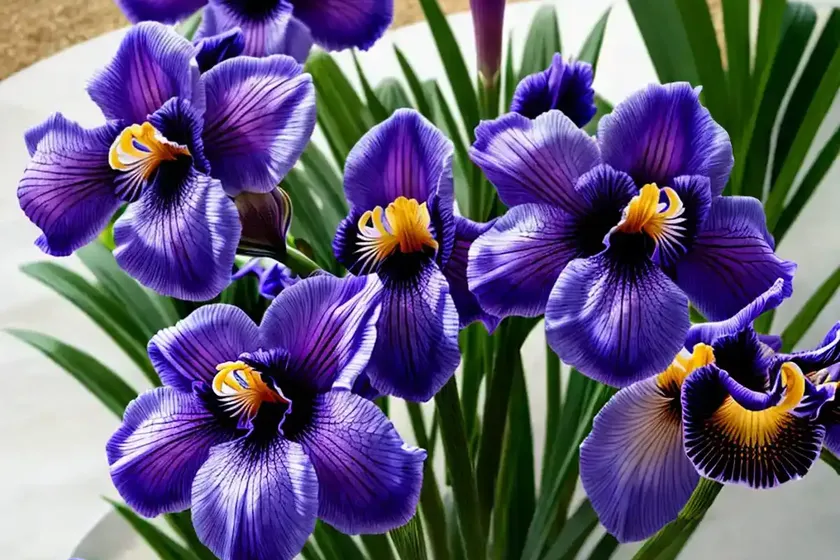
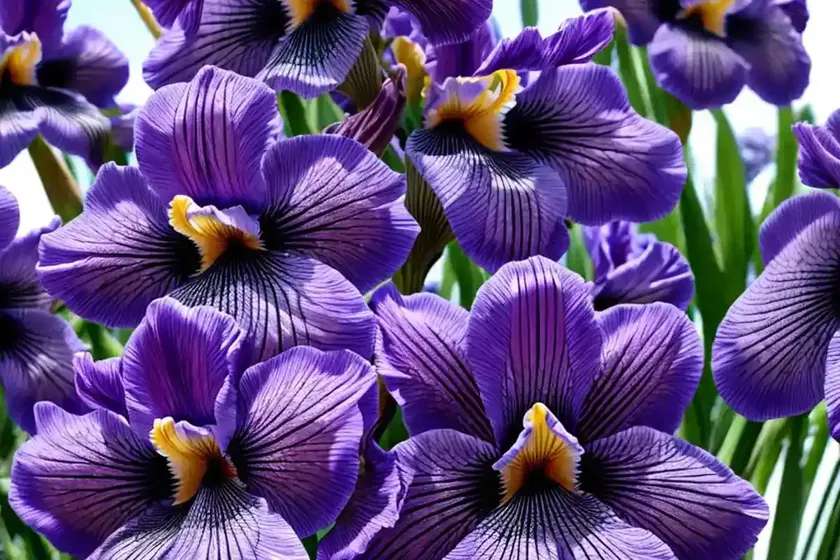
Iris ensata ‘Crystal Halo’, commonly known as the Japanese Iris, is a stunning perennial plant that has captured the hearts of gardeners worldwide. With its mesmerizing blooms and graceful foliage, this plant adds a touch of elegance to any garden or landscape. In this comprehensive guide, we will explore everything you need to know about caring for and cultivating the breathtaking Iris ensata ‘Crystal Halo’.
What is Iris ensata ‘Crystal Halo’?
Iris ensata ‘Crystal Halo’ is a cultivar of the Iris ensata species, which is native to Japan, China, and Korea. This striking plant is a member of the Iridaceae family and is renowned for its large, showy flowers and sword-shaped leaves.
Key Takeaways – Iris ensata ‘Crystal Halo’
Before we delve into the specifics of caring for the Japanese Iris, it’s important to highlight some key takeaways about this exquisite plant:
- Scientific Name: Iris ensata ‘Crystal Halo’
- Common Name: Japanese Iris ‘Crystal Halo’
- Plant Type: Perennial
- Hardiness Zones: 4 to 9
- Mature Height: 24-36 inches
- Mature Spread: 18-24 inches
- Bloom Time: Late spring to early summer
- Bloom Color: Variegated lavender and white
- Water Needs: Moderate
- Sunlight Requirements: Full sun to partial shade
- Soil Type: Rich, moist, well-draining
- Maintenance: Moderate
- Pests and Diseases: Susceptible to certain pests and diseases
With these essential details in mind, let’s delve into the comprehensive care and cultivation guide for Iris ensata ‘Crystal Halo’.
Culture
Uses
The Iris ensata ‘Crystal Halo’ is prized for its stunning aesthetic appeal, making it an ideal choice for various garden and landscape applications. Some of the common uses of this plant include:
- Garden Borders: The Japanese Iris ‘Crystal Halo’ adds a splash of color and visual interest to garden borders, creating a striking focal point in the landscape.
- Water Gardens: With its love for moist soil, the Japanese Iris thrives in water gardens, where its exquisite blooms can be showcased alongside aquatic plants.
- Cut Flower Arrangements: The showy flowers of Iris ensata ‘Crystal Halo’ are perfect for creating captivating cut flower arrangements, adding a touch of elegance to indoor spaces.
Water
Iris ensata ‘Crystal Halo’ has moderate water needs and thrives in consistently moist soil. Adequate watering is essential, particularly during the plant’s active growth and blooming periods. However, it’s important to ensure that the soil is well-draining to prevent waterlogging, which can lead to root rot.
Sunlight
When it comes to sunlight requirements, the Japanese Iris ‘Crystal Halo’ prefers full sun to partial shade. While it can tolerate some shade, providing ample sunlight will promote robust growth and prolific blooming.
Fertilizer
To support the vigorous growth and abundant flowering of Iris ensata ‘Crystal Halo’, it’s important to provide regular fertilization. A balanced, slow-release fertilizer formulated for flowering perennials can be applied in early spring as new growth appears. Additionally, a light application of fertilizer after the blooming period can help support the plant’s overall health.
Soil
The ideal soil for Iris ensata ‘Crystal Halo’ is rich, moist, and well-draining. The plant thrives in slightly acidic to neutral soil conditions. Amending the soil with organic matter, such as compost or well-rotted manure, can improve fertility and moisture retention, creating an optimal growing environment for the Japanese Iris.
Pruning
Proper pruning is essential for maintaining the health, vigor, and aesthetic appeal of Iris ensata ‘Crystal Halo’. Here are some key pruning guidelines for this plant:
- Deadheading: Removing spent blooms promotes continuous flowering and prevents the plant from expending energy on seed production.
- Spring Cleanup: In early spring, remove any damaged, diseased, or dead foliage to encourage healthy new growth.
- Division: Every 3-4 years, divide the clumps of Japanese Iris to prevent overcrowding and rejuvenate the plant’s vigor.
Propagation
Iris ensata ‘Crystal Halo’ can be propagated through division, seeds, or rhizome cuttings. Here’s a brief overview of each propagation method:
- Division: Divide mature clumps of Japanese Iris in early spring or late summer. Ensure that each division has healthy roots and several growth points to support successful establishment.
- Seeds: Collect seeds from mature seedpods and sow them in a well-prepared seedbed or containers. Keep the soil consistently moist until the seeds germinate and establish.
- Rhizome Cuttings: Select healthy rhizomes and cut them into sections, ensuring that each cutting has at least one viable bud. Plant the cuttings horizontally in a well-draining medium and provide appropriate care for successful rooting.
Container Popularity
The allure of Iris ensata ‘Crystal Halo’ is not limited to garden beds and borders. This captivating plant is also well-suited for container cultivation, allowing it to grace patios, balconies, and other outdoor living spaces with its enchanting presence.
Container Common Diseases
When growing Iris ensata ‘Crystal Halo’ in containers, it’s important to be mindful of certain diseases that can affect the plant. Common container diseases that may impact the Japanese Iris include:
- Root Rot: Overly wet or poorly drained soil can lead to root rot in container-grown Iris ensata ‘Crystal Halo’. Ensure proper drainage and avoid overwatering to mitigate this issue.
- Fungal Diseases: Containers can sometimes create an environment conducive to fungal diseases, such as powdery mildew and leaf spot. Maintain good air circulation and consider preventive fungicidal treatments as needed.
Disease Diagnosis
Monitoring the foliage and overall vitality of Iris ensata ‘Crystal Halo’ in containers is essential for early disease detection. Keep an eye out for the following signs of potential diseases:
- Yellowing or Browning Leaves: Discoloration and wilting of the leaves may indicate fungal infections or root issues.
- Irregular Spots or Patches: The presence of abnormal spots or lesions on the foliage can signal the onset of fungal diseases.
- Stunted Growth or Declining Vigor: Reduced growth and overall decline in plant health may be indicative of underlying disease or stress factors.
Common Pests
While the Japanese Iris ‘Crystal Halo’ is generally resistant to most pests, there are a few common insects that may occasionally pose a threat to the plant. Some of the notable pests to watch out for include:
- Aphids: These small, soft-bodied insects can cluster on the new growth of Iris ensata ‘Crystal Halo’, causing distortion and damage to the foliage.
- Snails and Slugs: These mollusks can feed on the tender leaves and flowers, leaving behind characteristic slime trails and ragged foliage.
- Japanese Beetles: Adult Japanese beetles can feed on the foliage and flowers, causing significant damage if not controlled.
Botanist’s Tips
To ensure the successful cultivation and care of Iris ensata ‘Crystal Halo’, consider the following expert tips from botanists and experienced gardeners:
- Mulching: Apply a layer of organic mulch, such as shredded bark or compost, around the base of the plant to conserve moisture, suppress weeds, and insulate the roots.
- Companion Planting: Pair the Japanese Iris ‘Crystal Halo’ with compatible companion plants, such as astilbe, ferns, and ornamental grasses, to create visually appealing combinations and enhance the overall garden design.
- Winter Protection: In regions with harsh winters, provide winter protection for Iris ensata ‘Crystal Halo’ by mulching the soil and covering the plant with a layer of straw or evergreen boughs to shield it from extreme cold.
Fun Facts
As we marvel at the beauty and charm of Iris ensata ‘Crystal Halo’, it’s fascinating to uncover some fun and intriguing facts about this captivating plant:
- Cultural Symbolism: In Japanese culture, the iris holds symbolic significance and is associated with courage, wisdom, and admiration. It is often featured in traditional artwork and literature, reflecting its esteemed status.
- Artistic Inspiration: The stunning form and vibrant colors of the Japanese Iris have long inspired artists and artisans, who have captured its allure in paintings, ceramics, and textile designs.
- Historical Significance: Iris ensata has a rich history in Japanese horticulture, with documented cultivation dating back centuries. Its enduring appeal and cultural importance have cemented its status as a beloved national flower.
Links to External Resources
For further information on Iris ensata ‘Crystal Halo’ and related topics, explore the following external resources:
- American Iris Society: The official website of the American Iris Society offers a wealth of information on different iris species, including cultivation tips, resources, and community forums.
- Royal Horticultural Society: The RHS website provides comprehensive insights into growing irises and offers guidance on caring for these exquisite plants.
- University Extension Services: Many university extension services provide in-depth guides on growing irises, including specific recommendations for diverse species and cultivars.
In conclusion, Iris ensata ‘Crystal Halo’ stands as a testament to the enchanting beauty of the natural world. With its graceful form, captivating blooms, and enduring charm, this Japanese Iris continues to captivate the hearts and minds of plant enthusiasts and gardeners alike. By embracing the cultivation guidelines and exquisite allure of Iris ensata ‘Crystal Halo’, we can enjoy its splendor and create captivating outdoor spaces that are truly remarkable.


