The Enigmatic Ipomoea alba: Unveiling the Mysteries of the Moonflower
Plants have always been a source of wonder and fascination for humanity. Among the multitude of botanical marvels, the Ipomoea alba, commonly known as the Moonflower, stands out as a captivating and mystical species. With its fragrant nocturnal blooms and rich cultural symbolism, the Moonflower has captured the imagination of people across different cultures and time periods. In this comprehensive guide, we will delve into the captivating world of Ipomoea alba, exploring its cultivation, uses, folklore, and much more.
What is Plant: Ipomoea alba (Moonflower)?
Ipomoea alba, also known as Moonflower, Moon Vine, Tropical White Morning-Glory, or Moonflower Morning Glory, is a species of night-blooming morning glory native to tropical and subtropical regions of North and South America. This fast-growing perennial vine belongs to the family Convolvulaceae, which includes many other well-known ornamental and medicinal plants.
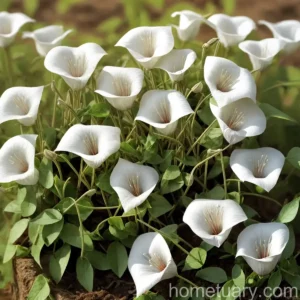
Moonflower’s alluring name is a testament to its unique blooming behavior, with its large, white, fragrant flowers opening exclusively at night, releasing a captivating sweet scent and attracting nocturnal pollinators. The plant produces heart-shaped leaves and intricate, trumpet-shaped flowers that can reach up to six inches in diameter, adding an enchanting touch to gardens and landscapes.
Key Takeaways – Ipomoea alba (Moonflower)
Culture
- Moonflowers thrive in warm and humid climates, preferring temperatures above 60°F and well-drained soil.
Uses
- Popularly grown for its captivating night-blooming flowers, the Moonflower is often cultivated for ornamental purposes in gardens, courtyards, and arbors.
Water
- Moonflowers require regular watering, particularly during dry spells or when grown in containers.
Sunlight
- This species thrives in full sun to partial shade, with at least 6-8 hours of sunlight per day being ideal for robust growth and flowering.
Fertilizer
- Feeding Moonflowers with a balanced fertilizer can promote healthy growth and abundant blooms during the growing season.
Soil
- Well-draining, fertile soil works best for Moonflowers, and a slightly acidic to neutral pH range is favorable for optimal growth.
Pruning
- Regular pruning helps manage the vine’s growth, promotes branching, and encourages prolific blooming.
Propagation
- Moonflowers can be propagated from seeds, and they may also readily self-seed in favorable conditions.
Container Popularity
- Moonflowers can thrive in containers, making them a popular choice for balconies, patios, and other small spaces.
Container Common Diseases
- Moonflowers may be susceptible to common container plant diseases, including fungal infections, particularly in humid environments.
Disease Diagnosis
- Monitoring for signs of leaf spots, wilting, or unusual discoloration can aid in early disease diagnosis and prevention.
Common Pests
- Moonflowers may attract pests such as aphids, caterpillars, and spider mites, particularly during periods of stress or favorable breeding conditions.
Botanist’s Tips
- Plant Moonflower seeds or transplants after the last frost date in your area for the best chances of successful establishment and robust growth.
- Consider companion planting with fragrant, night-blooming flowers to create an enchanting evening garden retreat.
- Regularly deadheading spent blooms can encourage continuous flowering and prevent the plant from diverting energy into seed production.
Fun Facts
- In addition to its ornamental appeal, Moonflower holds cultural significance across various traditions and is associated with folklore and symbolism in different parts of the world.
Now that we’ve explored an overview of the enchanting Moonflower, let’s delve deeper into its cultivation, symbolism, and the plethora of intriguing facets that make it a cherished botanical marvel.
Moonflower Vine: A Closer Look
Moonflower Varieties
Moonflowers are part of the Ipomoea genus, which encompasses numerous species known for their attractive flowers and vining habit. While the pure white form of Ipomoea alba is the most common, there are also variations with tinges of pink or cream in the flowers.
Ipomoea alba Care
Caring for Moonflowers involves providing them with suitable growing conditions, regular maintenance, and understanding their unique blooming habits. By addressing their specific needs, gardeners can ensure the plants thrive and produce an abundance of beautiful, fragrant flowers.
Growing Moonflowers
When cultivating Moonflowers, it’s important to consider factors such as soil quality, sun exposure, and water requirements. Moonflowers can be grown from seed or transplanted as young plants, with both methods offering their own set of advantages and considerations.
Moonflower Seeds Germination
Sowing Moonflower seeds directly in the garden or starting them indoors allows for greater control over the growing conditions and ensures a successful germination process. Proper seed treatment and environmental factors play a crucial role in promoting healthy seedling development.
Moonflower Plant
The Moonflower plant exhibits vigorous growth and can reach impressive heights, making it an excellent choice for covering fences, trellises, and other vertical structures. By providing adequate support and training the vines, gardeners can achieve stunning displays of foliage and flowers.
Ipomoea alba Cultivation
Successful cultivation of Ipomoea alba involves understanding its growth habits, response to environmental conditions, and implementing appropriate care practices to support its overall health and vitality.
Now that we’ve explored the fundamental aspects of Moonflower cultivation, let’s delve into the intriguing benefits and cultural significance associated with this captivating vine.
Moonflower Benefits and Symbolism
Moonflower Symbolism
Throughout history, Moonflowers have been associated with various symbolic meanings, often linked to their captivating night-blooming nature and the allure of their fragrant white flowers. In different cultures, Moonflowers hold diverse symbolism and are revered for their enchanting qualities and spiritual significance.
Moonflower Fragrance
The sweet and intoxicating fragrance of Moonflower blooms adds an aromatic charm to gardens and outdoor spaces, contributing to a sensory experience that captivates both humans and nocturnal pollinators.
Moonflower Medicinal Properties
In traditional medicine, certain parts of the Moonflower plant have been attributed with potential medicinal properties, although caution is advised due to its toxic nature.
Moonflower in Mythology
The captivating blooms of the Moonflower have often inspired tales and myths, leading to their incorporation into various mythological narratives across different cultures and traditions.
For centuries, the Moonflower has woven its way into the fabric of numerous cultural practices and beliefs, drawing on its unique characteristics to evoke wonder and admiration. In the next section, we will explore the fascinating historical and cultural connections that have shaped the perception of this extraordinary plant.
Moonflower in Culture and Tradition
Moonflower in Different Cultures
The allure of Moonflowers has transcended geographical boundaries, finding a place in the cultural and traditional practices of various civilizations. Whether in art, literature, or religious ceremonies, Moonflowers have left an indelible mark on the collective consciousness of humanity.
Moonflower in Traditional Rituals
The enigmatic blooms of the Moonflower have been incorporated into traditional rituals and ceremonies, often symbolizing themes of transformation, beauty, and the mysteries of the night.
Moonflower in Literature
The captivating beauty and elusive nature of Moonflowers have inspired poets, authors, and artists throughout history, finding mention in literature and artistic expressions as symbols of romance, mystery, and the ephemeral nature of life.
Moonflower in Mythology and Folklore
Mythological tales and folklore from different cultures often feature references to Moonflowers, attributing mystical powers, enchantment, and nocturnal allure to these ethereal blooms.
From traditional medicine to artistic expressions, Moonflowers have permeated the cultural landscape, leaving a lasting imprint on human creativity and imagination. Their influence extends beyond mere ornamentation, weaving a tapestry of significance that resonates with people across diverse backgrounds and traditions.
If you’re curious to learn more about the scientific and horticultural facets of Moonflowers, continue reading as we delve into the botanical intricacies and tips for successfully growing and caring for these captivating vines.
Ipomoea alba: Horticultural Insights and Practical Tips
Ipomoea alba Gardening
Incorporating Moonflowers into garden designs and landscapes can add a touch of enchantment, with their lush foliage and night-blooming flowers creating a magical ambiance in evening settings.
Ipomoea alba Tips
An understanding of the specific requirements and growth habits of Moonflowers can provide valuable insights for successful cultivation, allowing gardeners to maximize the plant’s ornamental value and overall health.
Moonflower Night Blooming
The iconic nocturnal blooms of Moonflowers exhibit a mesmerizing spectacle, unfolding their delicate petals and releasing a sweet fragrance that lingers in the evening air, drawing attention from both humans and night-flying pollinators.
Moonflower Nocturnal Habits
The adaptation of Moonflowers to bloom exclusively at night is a remarkable aspect of their biology, serving as an evolutionary strategy to attract specialized pollinators and conserve energy during the day.
Moonflower Night-Scented Vine
The fragrant nature of Moonflowers adds a sensory dimension to gardens, contributing to the creation of moonlit or evening-themed outdoor spaces that celebrate the ethereal beauty of these nocturnal blooms.
Moonflower for Moonlit Gardens
Including Moonflowers in garden designs aimed at capturing the essence of moonlit landscapes enables the creation of captivating and evocative outdoor environments that come alive after dusk.
From their nocturnal blooming habit to their lush foliage and enchanting fragrance, Moonflowers possess a myriad of attributes that enhance the allure of outdoor spaces and add an ethereal touch to gardens and landscapes.
In the following section, we will explore additional facets related to Moonflowers, including their potential role in attracting wildlife, their significance in herbal medicine, and their uses in urban and contemporary garden settings.
Moonflower: Ecological and Contemporary Perspectives
Moonflower for Attracting Wildlife
By providing a source of nectar and habitat for nocturnal pollinators, including moths and certain bee species, Moonflowers can contribute to the ecological diversity and conservation efforts in garden landscapes.
Moonflower in Urban Gardens
The adaptable nature of Moonflowers makes them well-suited for urban and contemporary garden settings, where space constraints and the need for ornamental appeal intersect with the practical advantages of cultivating this versatile vine.
Moonflower Pollinators
The night-blooming nature of Moonflowers attracts a unique array of pollinators, with moths being the primary visitors responsible for transferring pollen and aiding in the plant’s reproductive cycle.
Moonflower Aphrodisiac Properties
In certain cultures and traditions, Moonflowers have been associated with aphrodisiac properties, with their intoxicating fragrance and nocturnal nature evoking romantic symbolism and allure.
Moonflower in Native American Culture
Moonflowers hold cultural significance in Native American traditions, where they are revered for their symbolism and spiritual connections, often featuring in tribal narratives and ceremonial practices.
Moonflower Spiritual Significance
The enigmatic allure of Moonflowers extends beyond the realm of aesthetics, emerging as a symbol of spiritual significance and reverence in various indigenous cultures.
Moonflower in Art
The captivating blooms and enchanting nature of Moonflowers have frequently inspired artistic expressions, finding representation in paintings, sculptures, and other creative works that evoke their ethereal beauty.
Moonflower in Different Cultures
The universal appeal of Moonflowers has led to their incorporation into the cultural practices and beliefs of diverse civilizations, where they symbolize themes of mystery, transformation, and nocturnal enchantment.
By embracing the potential ecological contributions of Moonflowers and recognizing their resonance in contemporary garden design, we can appreciate the multifaceted nature of these enchanting vines as they continue to captivate and inspire.
In the next segment, we will explore the practical aspects of Moonflower cultivation, considering its drought tolerance, flowering season, and potential for enhancing garden landscaping.
Moonflower: Practical Considerations and Horticultural Applications
Ipomoea alba Trailing Vine
The vigorous growth habit of Moonflowers makes them well-suited for trailing or climbing applications, where they can create cascading displays of foliage and flowers, adding vertical interest to garden landscapes.
Moonflower Flowering Season
Moonflowers typically flower from mid-summer to fall, producing a profusion of blooms during the peak growing season when provided with the appropriate growing conditions and care.
Ipomoea alba Flowering
The large, white blooms of Moonflowers contribute to their ornamental appeal, signaling the onset of dusk with their effervescent presence and sweet fragrance.
Moonflower for Fence Covering
By training Moonflowers to grow along fences and trellises, gardeners can create living walls of greenery and blooms, transforming otherwise plain structures into picturesque vertical garden displays.
Ipomoea alba Drought Tolerance
Moonflowers exhibit a degree of drought tolerance, with established plants demonstrating resilience in periods of water scarcity, making them suitable for gardens with intermittent watering schedules.
Ipomoea alba Climbing Plant
The climbing nature of Moonflowers makes them valuable for adding vertical accents, creating living screens, and enhancing the spatial dynamics of garden landscapes.
Ipomoea alba for Landscaping
When incorporated into garden designs, Moonflowers contribute to the aesthetic cohesion of landscapes, offering a versatile and visually striking element that elevates the overall appeal of outdoor spaces.
Despite their inherent beauty and allure, Moonflowers also face challenges associated with diseases and pests, which can impact their health and ornamental value. In the subsequent section, we will explore common issues related to Moonflower cultivation, including disease diagnosis and pest management strategies.
Moonflower: Disease Management and Pest Control
Moonflower Common Diseases
Moonflowers may be susceptible to various plant diseases, including fungal infections, leaf spots, and wilting, particularly in humid or poorly ventilated conditions.
Disease Diagnosis
Monitoring for signs of disease, including leaf discoloration, abnormal growth patterns, and overall plant vitality, helps in early diagnosis and targeted interventions to mitigate disease spread.
Common Pests
Moonflowers may attract pests such as aphids, caterpillars, and spider mites, particularly during periods of environmental stress or conducive breeding conditions.
Moonflower Pest Control
Implementing integrated pest management approaches, regular inspection, and appropriate cultural practices, including promoting natural enemies, can help manage pest populations and reduce their impact on Moonflower health.
Moonflower Disease Prevention
Proactive measures, such as promoting good air circulation, avoiding overhead watering, and providing suitable growing conditions, can contribute to disease prevention and overall plant vigor.
With a solid understanding of Moonflower cultivation and the potential challenges it may face, gardeners can adopt proactive strategies to maintain the health and vitality of these captivating vines, ensuring their ongoing ornamental value and enchanting presence in garden landscapes.
- Moonflower symbolism
- Ipomoea alba cultivation
- Moonflower folklore
- Moonflower spiritual significance
- Moonflower for evening gardens
- Moonflower aphrodisiac properties
- Ipomoea alba in garden design
- Moonflower night-scented vine
Wrapping Up
In this comprehensive exploration of Ipomoea alba, we delved into its captivating qualities, cultural significance, and practical considerations for successful cultivation. From its mesmerizing nocturnal blooms to its rich symbolism and ecological contributions, Moonflowers continue to captivate and inspire, weaving a tapestry of enchantment that transcends geographical and cultural boundaries.
Whether adorning garden landscapes, serving as a source of artistic inspiration, or embodying spiritual significance, Moonflowers stand as a timeless symbol of beauty, mystery, and the ephemeral nature of life. As we embrace the enigmatic allure of these nocturnal vines, their presence serves as a reminder of the profound connections between humanity and the natural world, inviting us to marvel at the wonders that unfold under the veil of the night.
The Ipomoea alba, the esteemed Moonflower, exemplifies the harmonious blend of botanical elegance and cultural resonance, offering a glimpse into a world of captivating enchantment and timeless allure. As we continue to appreciate and cultivate these ethereal blooms, we celebrate their enduring presence and the mystical tapestry of stories and meanings they carry, enriching our lives with their hypnotic beauty and timeless charm.