Moonflower (Ipomoea alba): A Comprehensive Guide to Cultivation and Care
Welcome to our comprehensive guide to the moonflower (Ipomoea alba)! In this article, we will delve into the various aspects of caring for and cultivating this stunning plant. From its cultural significance to its unique characteristics and essential care tips, we aim to provide you with a complete understanding of how to nurture and enjoy the splendor of the moonflower.
What is a Moonflower (Ipomoea alba)?
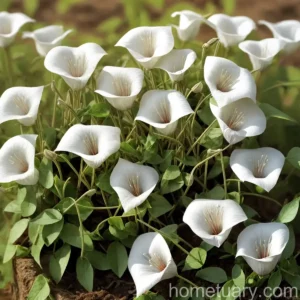
The moonflower, scientifically known as Ipomoea alba, is a dazzling flowering plant that belongs to the Convolvulaceae family. It is renowned for its large, fragrant, and luminous white blooms that unfurl in the evening, emitting a captivating fragrance. The plant is native to the Americas and is often cultivated for its ornamental value, as well as for its significant role in various cultural and medicinal practices.
Key Takeaways – Moonflower (Ipomoea alba)
Before we dive into the intricacies of cultivating and caring for the moonflower, here are some key takeaways about this enchanting plant:
- Moonflowers (Ipomoea alba) are nocturnal blooming plants with large, fragrant, white blooms.
- They hold significant cultural and symbolic importance in various traditions and folklore.
- Moonflowers thrive in warm climates and are often cultivated for their ornamental beauty and fragrance.
- The plant is known for its rapid growth and ability to climb and cover trellises, fences, and arbors.
- Proper care, including adequate water, sunlight exposure, and soil nutrition, is essential for the healthy growth of moonflowers.
Now that we have familiarized ourselves with the basics of the moonflower, let’s explore the various aspects of cultivating and caring for this captivating plant.
Culture
Cultivating moonflowers (Ipomoea alba) involves understanding their cultural significance and their requirements for optimal growth and blooming. This section will delve into the cultural aspects associated with moonflowers, including their traditional uses and significance.
Uses
Moonflowers have been valued for their diverse uses across different cultures and traditions. Some of the primary uses of moonflowers include:
- Ornamental Purposes: Moonflowers are widely cultivated for their ornamental value, adorning gardens, trellises, and arbors with their luminous blooms. The plant’s evening flowering also adds an enchanting touch to nighttime gardens and landscapes.
- Medicinal Applications: In traditional medicine, moonflowers have been used for their potential medicinal properties. Certain cultures have utilized moonflower extracts for their purported sedative and analgesic effects, as well as for their role in alleviating anxiety and insomnia.
- Symbolism and Folklore: Moonflowers hold symbolic significance in various traditions, often associated with purity, enlightenment, and the ephemeral nature of life. In folklore, moonflowers are linked to nocturnal beauty and have been integrated into stories and legends across different cultures.
Understanding the diverse uses and cultural significance of moonflowers illuminates the plant’s multifaceted nature and deepens our appreciation for its beauty and symbolism.
Care
Proper care is essential for nurturing healthy and vibrant moonflowers. This section will outline the key aspects of moonflower care, including water requirements, sunlight exposure, fertilizer application, soil preferences, pruning techniques, and propagation methods.
Water
Ensuring adequate moisture levels is crucial for the well-being of moonflowers. While the plant prefers consistently moist soil, it is essential to avoid overwatering, which can lead to root rot and other complications.
Here are some essential tips for watering moonflowers:
- Regular Watering: Moonflowers benefit from regular watering, especially during dry spells and periods of intense heat. Aim to keep the soil consistently moist, but not waterlogged, to support healthy growth and blooming.
- Evening Watering: As moonflowers bloom in the evening, watering them in the late afternoon or early evening can help replenish their moisture levels and prepare them for their nighttime display.
- Mulching: Applying a layer of organic mulch around the base of moonflowers can help retain soil moisture and regulate temperature, supporting the plant’s overall vigor.
By maintaining a balanced approach to watering, we can support the vitality and resilience of moonflowers, ensuring an abundant display of their luminous blooms.
Sunlight
Proper sunlight exposure is pivotal for the growth and blooming of moonflowers. These plants thrive in sunny locations and require adequate light to flourish.
Here are some tips for ensuring the optimal sunlight conditions for moonflowers:
- Full Sun: Moonflowers thrive in full sun, requiring at least 6-8 hours of direct sunlight daily. When selecting a planting location, prioritize areas with ample sunlight exposure to support robust growth and prolific blooming.
- Protection from Intense Heat: While moonflowers enjoy sunlight, they may benefit from some protection during periods of intense heat, especially in hotter climates. Providing light shade during the peak afternoon sun can prevent stress and sunburn.
- Trellising and Support: As climbing vines, moonflowers can benefit from sturdy trellises or supports that allow them to reach sunlight while also minimizing competition from neighboring plants.
By prioritizing proper sunlight exposure, we can harness the full potential of moonflowers, encouraging lush foliage and radiant blooms.
Fertilizer
Applying appropriate fertilizers can bolster the health and vigor of moonflowers, providing essential nutrients for robust growth and prolific flowering.
Consider the following guidelines for fertilizing moonflowers:
- Balanced Fertilization: Utilize a balanced, all-purpose fertilizer to supply essential nutrients, such as nitrogen, phosphorus, and potassium, to the soil. Apply the fertilizer according to the manufacturer’s recommendations, ensuring proper dilution and distribution.
- Frequency: Fertilize moonflowers every 4-6 weeks during the growing season, beginning in early spring and concluding in late summer. As the plant’s energy is directed toward foliage and bloom production, regular fertilization supports their nutritional needs.
By implementing a consistent and balanced fertilization regimen, we can fortify moonflowers with the necessary nutrients for vigorous growth and abundant flowering.
Soil
The soil composition plays a pivotal role in the overall health and vitality of moonflowers. Understanding the ideal soil preferences for these plants is crucial for their successful cultivation.
Here are key considerations for optimizing soil conditions for moonflowers:
- Well-Draining Soil: Moonflowers thrive in well-draining soil that prevents waterlogging and promotes aeration. Prioritize soil with good drainage characteristics to mitigate the risk of root rot and water-related complications.
- Nutrient-Rich Soil: Incorporate organic matter, such as compost or well-rotted manure, into the soil to enhance its nutrient content and structure. Nutrient-rich soil supports the vigorous growth and blooming of moonflowers.
- pH Levels: Moonflowers prefer slightly acidic to neutral soil, with a pH range of 6.0-7.0. Conduct soil tests to determine the pH levels and make amendments as needed to achieve the optimal range for moonflower cultivation.
By cultivating moonflowers in well-suited soil conditions, we can promote their resilience and ensure their ability to thrive in the garden or landscape.
Pruning
Pruning is a valuable practice for shaping and maintaining the vigor of moonflowers, encouraging healthy growth and abundant blooming.
Consider the following pruning tips for moonflowers:
- Deadheading Spent Blooms: Regularly remove spent blooms to stimulate continuous blooming and prevent the formation of seeds. Deadheading redirects the plant’s energy toward new growth and flower production.
- Managing Vining Growth: Moonflowers tend to exhibit vigorous vining growth, which may require management to prevent overcrowding and promote airflow. Prune errant or excessive growth to maintain a well-structured and balanced appearance.
- End-of-Season Pruning: As the growing season concludes, consider trimming back the foliage and vines to manage the plant’s size and prepare it for the following growing cycle.
Practicing prudent pruning techniques enhances the overall appearance and vitality of moonflowers, contributing to their long-term well-being.
Propagation
Propagating moonflowers allows for the expansion of their presence in the garden or landscape and offers opportunities to share their beauty with others. Understanding effective propagation methods is key for cultivating new moonflower plants.
Consider the following methods for propagating moonflowers:
- Seed Propagation: Moonflowers can be propagated from seeds, which are typically sown directly into the garden soil after the last frost date. Soak the seeds overnight to promote germination before planting them in prepared soil.
- Cutting Propagation: Propagating moonflowers from stem cuttings is another viable method for generating new plants. Take 6-8 inch cuttings from healthy, established plants and root them in a well-draining, moist growing medium to foster new growth.
By embracing propagation methods, we can not only expand the presence of moonflowers but also nurture a deeper connection with these captivating plants.
Container Popularity
Moonflowers are well-suited for container gardening, offering the opportunity to showcase their beauty in various outdoor and indoor spaces.
Consider these factors for cultivating moonflowers in containers:
- Container Selection: Opt for spacious, well-draining containers that allow room for root development and support stable growth. Select containers with adequate drainage holes to prevent water accumulation.
- Potting Mix: Utilize a high-quality potting mix that promotes aeration, drainage, and nutrient retention. Consider incorporating perlite or vermiculite to enhance soil structure and moisture regulation.
- Support Structures: As climbing vines, moonflowers benefit from sturdy support structures within containers to promote upward growth and prevent entanglement.
Employing containers for moonflower cultivation offers versatility and flexibility, expanding the opportunities for enjoying these blooms in diverse settings.
Common Diseases
Moonflowers may be susceptible to certain diseases that can impact their overall health and appearance. Familiarizing ourselves with common diseases and implementing preventive measures is essential for safeguarding moonflowers.
Here are some common diseases that may affect moonflowers:
| Disease | Symptoms | Prevention and Management |
|---|---|---|
| Powdery Mildew | White, powdery patches on leaves | Ensure proper air circulation and spacing. Apply fungicidal spray. |
| Leaf Spot | Dark spots on leaves | Avoid overhead watering and wet foliage. Apply fungicidal treatment. |
| Fusarium Wilt | Yellowing, wilting of foliage | Plant resistant cultivars. Ensure well-draining soil and proper sanitation. |
| Root Rot | Rotting, wilting of roots and base | Maintain well-draining soil. Avoid overwatering. Practice good sanitation. |
Preventive measures, such as promoting air circulation, practicing proper watering techniques, and utilizing disease-resistant cultivars, are instrumental in mitigating the impact of these diseases on moonflowers.
Disease Diagnosis
Timely diagnosis of potential diseases is crucial for implementing targeted treatments and protecting the health of moonflowers. Being attentive to changes in the plant’s appearance and behavior can aid in diagnosing diseases early on.
Consider these diagnostic steps for identifying potential diseases in moonflowers:
- Observation: Regularly inspect the foliage, stems, and blooms for any unusual discoloration, spots, or wilting.
- Research and Reference: Utilize reputable resources and guides to compare observed symptoms with common disease indicators and descriptions.
- Consultation: Seek advice from knowledgeable sources, such as local garden centers or extension services, to confirm disease diagnosis and explore treatment options.
By maintaining vigilance and swift action, we can address potential diseases and safeguard the vitality of moonflowers.
Common Pests
In addition to diseases, moonflowers may also encounter various pests that can compromise their health and appearance. Identifying common pests and implementing effective pest management strategies is crucial for protecting moonflowers.
Here are some common pests that may affect moonflowers:
| Pest | Symptoms | Prevention and Management |
|---|---|---|
| Aphids | Sucking pests on foliage and stems | Use insecticidal soap. Encourage natural predators. |
| Spider Mites | Webbing, stippling on leaves | Employ horticultural oils. Increase humidity levels. |
| Caterpillars | Defoliation, chewing damage | Handpick caterpillars. Utilize biological control methods. |
| Snails and Slugs | Irregular holes in leaves and flowers | Implement physical barriers. Apply organic baits or traps. |
Vigilance and strategic pest management approaches, such as natural predators and targeted treatments, are fundamental in safeguarding moonflowers against potential pest infestations.
Botanist’s Tips
To complement our comprehensive guide, here are some valuable tips from botanists and gardening experts to elevate your moonflower cultivation experience:
- Observation and Documentation: Keep a journal to record the progress of your moonflowers, documenting growth patterns, blooming cycles, and any notable changes or challenges.
- Interactive Learning: Engage with local gardening communities, online forums, and botanical gardens to exchange insights and experiences related to growing moonflowers.
- Ecosystem Integration: Strategically position moonflowers to support beneficial pollinators, such as butterflies and moths, and contribute to the ecological diversity of your garden or landscape.
- Adaptive Experimentation: Explore different cultivation techniques, such as trellising variations and soil amendments, to observe how moonflowers respond and adapt to various conditions.
- Creative Display: Embrace imaginative and artistic approaches to showcasing moonflowers, incorporating them into moon gardens, nocturnal landscapes, and themed garden designs.
These tips provide valuable perspectives and practical strategies for nurturing moonflowers and enriching the overall gardening experience.
Fun Facts
Dive into the intriguing world of moonflowers with these captivating fun facts:
- Nocturnal Blooms: Moonflowers display their ethereal, luminous blooms in the evening, captivating observers with their nocturnal beauty and fragrance.
- Natural Sleep Aid: In certain traditional practices, moonflower extracts have been used for their potential sedative properties, offering a natural remedy for sleep-related issues.
- Moonlight-Responsive Blooms: Moonflower blooms exhibit remarkable sensitivity to moonlight, with some varieties opening in response to lunar illumination.
- Cultural Significance: Moonflowers hold symbolic importance in various cultures, representing purity, enlightenment, and the ephemeral nature of life.
- Fragrance and Pollinators: The alluring fragrance of moonflowers entices nocturnal pollinators, such as sphinx moths and night-flying insects, contributing to their ecological role.
These fun facts shed light on the captivating allure and intriguing characteristics of moonflowers, unveiling their unique charm and significance.
Links to External Resources
To further deepen your knowledge and exploration of moonflowers, we have compiled a selection of valuable external resources:
- Moonflower Care and Cultivation Guide – Royal Horticultural Society
- Growing Moonflowers in Your Garden – University of Florida Extension
- Moonflower: A Plant Profile – Missouri Botanical Garden
- Moonflower: Traditional Uses and Folklore – The Herb Society of America
These resources offer comprehensive insights, expert guidance, and additional perspectives on the cultivation, care, and cultural significance of moonflowers, enriching your journey of discovery and appreciation.
As we conclude our comprehensive guide to moonflowers (Ipomoea alba), we hope that this informative exploration has inspired you to embark on an enchanting journey of cultivating and caring for these captivating plants. By embracing the cultural significance, essential care practices, and unique characteristics of moonflowers, we can foster an enduring connection with these luminous blooms and enrich our gardening experiences with their nocturnal splendor.
Remember to immerse yourself in the ethereal charm of moonflowers, explore their cultural nuances, and embrace the unique allure of these nocturnal treasures as they weave their captivating presence into your garden and beyond.
Happy gardening, and may the enchanting beauty of moonflowers illuminate your nights with pure luminescence!
Keywords: Moonflower care, Ipomoea alba cultivation, Growing moonflowers, Moonflower plant care tips, How to plant moonflower seeds, Moonflower varieties, Moonflower blooms, Moonflower plant characteristics, Moonflower gardening, Moonflower vine, Moonflower plant maintenance, Moonflower growth stages, Moonflower plant diseases, Moonflower soil requirements, Moonflower plant propagation, Moonflower trellis, Moonflower pollination, Moonflower blooming season, Moonflower vine care, Moonflower plant pests, Moonflower seed germination, Moonflower plant support, Moonflower companion plants, Moonflower medicinal uses, Moonflower folklore, Moonflower symbolism, Moonflower nocturnal blooms, Moonflower flower structure, Moonflower fragrance, Moonflower blooming cycle, Moonflower plant pruning, Moonflower plant nutrition, Moonflower in containers, Moonflower as a natural dye source, Moonflower for moon gardens, Moonflower as a climbing plant, Moonflower in different climates, Moonflower garden design, Moonflower and its butterfly visitors, Moonflower as a natural sleep aid, Moonflower and its impact on wildlife, Moonflower in Native American culture, Moonflower as a night-time pollinator, Moonflower and its role in traditional medicine, Moonflower adaptability to different soil types, Moonflower and its interaction with other plants, Moonflower and its unique flower morphology, Moonflower light requirements, Moonflower as a symbol of purity, Moonflower and its impact on the ecosystem