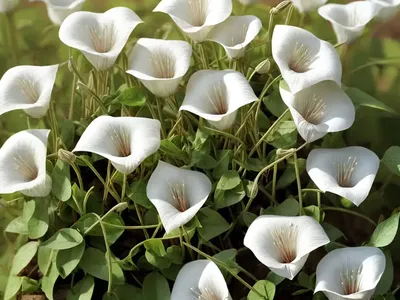
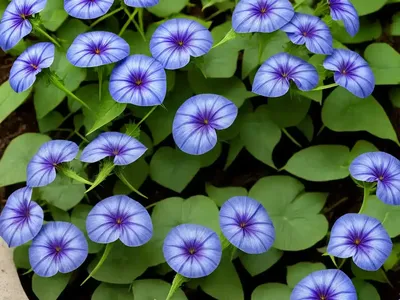
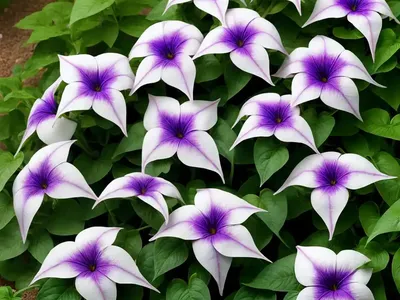
Ipomoea Indica (Blue Morning Glory)
The world of plants is vast and fascinating, offering a plethora of species that captivate with their beauty, resilience, and diversity. Among these.
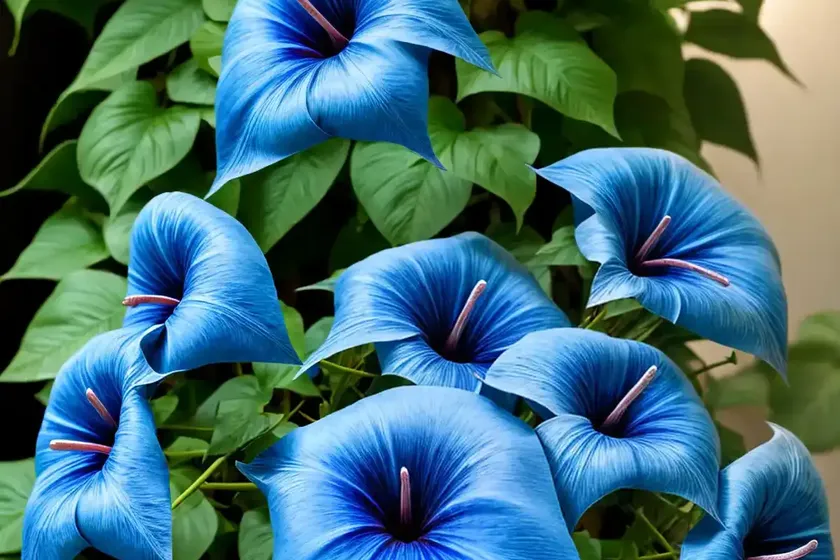
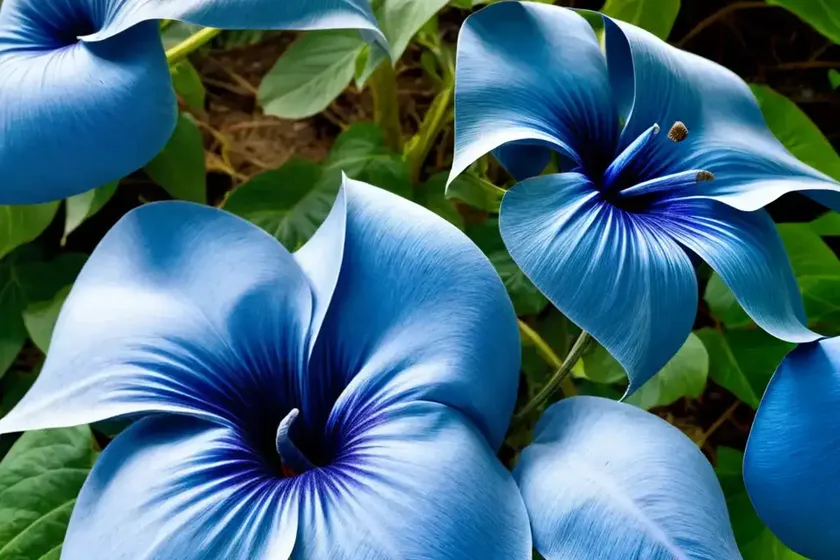
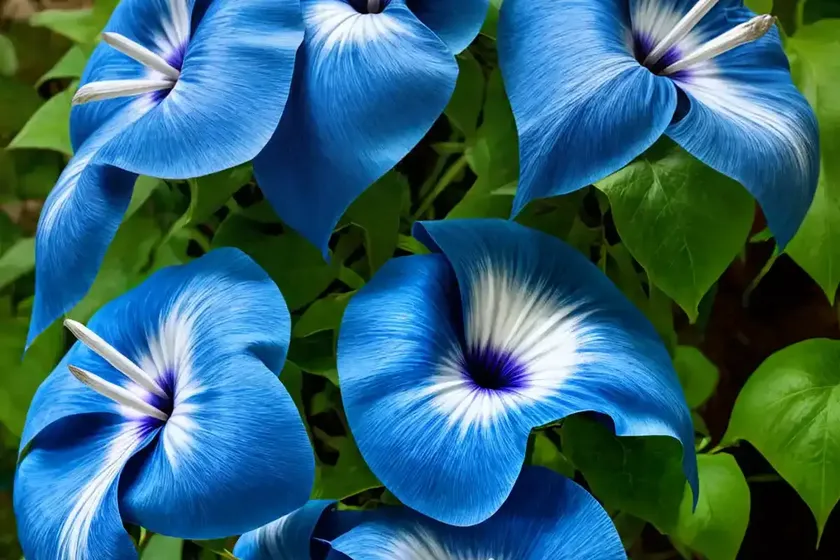
The world of plants is vast and fascinating, offering a plethora of species that captivate with their beauty, resilience, and diversity. Among these botanical wonders, the Ipomoea indica, commonly known as Blue Morning Glory, stands out as a stunning flowering vine that has enthralled gardeners and plant enthusiasts for generations. In this comprehensive guide, we will delve into the captivating world of Ipomoea indica, exploring its characteristics, care requirements, cultural significance, and much more. Whether you’re a seasoned gardener or a novice enthusiast, the allure of Blue Morning Glory is bound to enrich your horticultural journey in numerous ways.
What is Ipomoea indica (Blue Morning Glory)?
Ipomoea indica, a member of the Convolvulaceae family, is a vigorous and fast-growing perennial vine native to subtropical and tropical regions. The common name “Blue Morning Glory” is a nod to the plant’s vibrant, trumpet-shaped flowers, which unfurl in a dazzling display of blue hues. The genus Ipomoea encompasses over 500 species, with many of them known for their ornamental and horticultural value. Blue Morning Glory is particularly cherished for its ability to swiftly cover fences, trellises, and arbors, creating an enchanting backdrop with its lush foliage and striking blooms.
Key Takeaways – Ipomoea indica (Blue Morning Glory)
Before delving into the specifics of caring for Blue Morning Glory, let’s highlight some key takeaways about this captivating plant:
- Scientific Name: Ipomoea indica
- Common Name: Blue Morning Glory
- Plant Type: Perennial flowering vine
- Flower Color: Vivid blue, occasionally tinged with purple
- Foliage: Heart-shaped, deep green leaves
- Growth Habit: Vigorous twining vine
- Sunlight: Full sun to partial shade
- Watering: Moderate; prefers well-drained soil
- Soil Type: Fertile, loamy soil with good drainage
- Uses: Ornamental climber, pollinator attractor
- Cultural Significance: Revered in various cultures for its symbolism and beauty
Now, let’s explore the various aspects of caring for and cultivating Ipomoea indica to ensure its optimal growth and blooming potential.
Culture
Cultivating Blue Morning Glory requires an understanding of its preferred growing conditions, watering needs, and soil requirements. By aligning with the plant’s natural inclinations, you can create an environment that supports its vigorous growth and profuse flowering.
Water
While Blue Morning Glory is relatively tolerant of dry conditions once established, regular watering is crucial, especially during the plant’s establishment phase and in periods of prolonged drought. Ideally, aim for a consistently moist but well-draining soil to promote healthy growth and flowering. Avoid overwatering, as this can lead to root rot and other moisture-related issues.
Sunlight
Unsurprisingly, given its tropical origins, Blue Morning Glory thrives in full sun to partial shade. Providing ample sunlight is essential for encouraging robust growth and abundant flowering. Ensure that the chosen planting location receives at least 6-8 hours of direct sunlight daily, though some respite from intense afternoon sun can be beneficial, particularly in hotter climates.
Fertilizer
To support vigorous growth and prolific blooms, fertilizing Blue Morning Glory can be a beneficial practice. A balanced, all-purpose fertilizer applied during the growing season, following the manufacturer’s instructions, can provide the necessary nutrients for the plant’s development. However, avoid over-fertilization, as this can lead to excessive foliage at the expense of flowers.
Soil
Blue Morning Glory thrives in fertile, well-draining soil with a slightly acidic to neutral pH. Loamy soil with good organic content is ideal for promoting healthy root development and overall plant vitality. Consider amending the soil with organic matter, such as compost, to improve its structure and nutrient content. Additionally, ensure that the planting site allows for proper drainage to prevent waterlogging, which can be detrimental to the plant’s health.
Pruning
Pruning is an essential aspect of Blue Morning Glory care, aiding in controlling its growth, maintaining a tidy appearance, and promoting flowering. Regular pruning also prevents the vine from becoming invasive and encroaching on other plants or structures. Prune Blue Morning Glory in late winter or early spring, cutting back any overgrown or tangled stems to encourage new growth and enhance the plant’s ornamental appeal. Additionally, remove any dead or damaged foliage to maintain the plant’s overall vigor.
Propagation
Propagating Ipomoea indica allows for the expansion of your plant collection and the preservation of specific cultivars or varieties. Blue Morning Glory can be propagated via seeds or stem cuttings, with each method offering its unique advantages and considerations.
Container Popularity
Blue Morning Glory’s adaptability to container growing makes it a popular choice for those with limited garden space or for individuals seeking to adorn their patios, balconies, or other outdoor areas with lush greenery and vibrant blooms. When selecting a container for Blue Morning Glory, opt for a spacious, well-draining pot that accommodates the plant’s vigorous growth and extensive root system. A trellis or other support structure within the container provides the vine with the necessary framework for climbing and flourishing. Container-grown Blue Morning Glory requires diligent watering and occasionally root pruning to prevent overcrowding.
Common Diseases
Like all plants, Blue Morning Glory is susceptible to certain diseases and issues that can hinder its growth and vitality. Understanding these potential challenges and their management is key to safeguarding the health of your Ipomoea indica.
Disease Diagnosis
Blue Morning Glory may be affected by fungal infections, including leaf spot, powdery mildew, and root rot, particularly when growing in overly moist or humid conditions. Additionally, bacterial diseases and viral infections can impact the plant’s overall well-being. Vigilance in monitoring your Blue Morning Glory for any signs of discolored or distorted foliage, stunted growth, or other abnormal symptoms is crucial for early disease detection and prompt intervention.
Common Pests
Certain pests can pose a threat to Blue Morning Glory, potentially causing damage to its foliage and impeding its growth. Common pests that may target Ipomoea indica include aphids, spider mites, and whiteflies. Regular inspection of the plant for signs of pest infestations, such as stippled or yellowing leaves, webbing, or the presence of insects, allows for timely treatment using eco-friendly methods or targeted insecticides.
Botanist’s Tips
Experienced botanists and horticulturists often have valuable insights and tips for cultivating and caring for specific plant species. Here are some expert recommendations for successfully growing and maintaining Blue Morning Glory:
- Support Structure: Provide a sturdy and adequately anchored support structure, such as a trellis, for Blue Morning Glory to climb and sprawl upon, ensuring that it does not overwhelm other nearby plants or structures.
- Regular Monitoring: Routinely monitor Blue Morning Glory for any signs of stress, nutrient deficiencies, or pest/disease issues, intervening promptly to address any concerns and prevent their escalation.
- Mulching: Apply a layer of organic mulch around the base of the plant to conserve soil moisture, inhibit weed growth, and provide some insulation during temperature fluctuations.
Fun Facts
Uncover some fascinating and lesser-known facts about Blue Morning Glory that further illuminate its allure and significance:
- The flowers of Blue Morning Glory are not only visually striking but also mildly fragrant, attracting pollinators such as bees and butterflies.
- In certain cultures, Blue Morning Glory is associated with symbolism and traditions, often signifying beauty, renewal, and perseverance.
- The plant’s botanical name, Ipomoea, is derived from the Greek words for “worm” and “resembling,” likely alluding to the twining and climbing nature of the vine.
With its unmatched beauty and cultural significance, Blue Morning Glory entices individuals to cultivate and admire its enchanting blooms. As we’ve explored the various aspects of caring for this captivating vine, refining our understanding of its requirements and growth habits, we can confidently integrate Blue Morning Glory into our outdoor spaces with the assurance of its enduring charm and vitality.
Links to External Resources
To expand your knowledge and deepen your appreciation for Ipomoea indica (Blue Morning Glory), consider exploring the following resources: