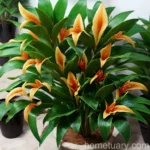
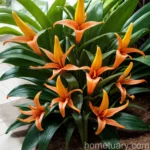
Indonesian Wax Ginger (Tapeinochilos Ananassae): A Prized Ornamental and Medicinal Plant
What is Plant: Indonesian Wax Ginger (Tapeinochilos Ananassae)
Indonesian Wax Ginger, scientifically known as Tapeinochilos Ananassae, is a spectacular plant species belonging to the Zingiberaceae family. This elegant perennial herb is native to Indonesia and often referred to as the “Indonesian Wax Ginger” due to the waxy appearance of its inflorescences. The plant is a true gem in the world of horticulture, celebrated for its impressive ornamental features and traditional medicinal uses.
Key Takeaways – Indonesian Wax Ginger (Tapeinochilos Ananassae)
Culture
- Scientific Name: Tapeinochilos Ananassae
- Common Name: Indonesian Wax Ginger
- Family: Zingiberaceae
- Native to: Indonesia
- Growth Habit: Perennial
Uses
- Ornamental: Indonesian Wax Ginger is prized for its striking inflorescences and lush green foliage, making it a popular choice for landscaping and ornamental plantings.
- Medicinal: The rhizomes of the Indonesian Wax Ginger have been traditionally used for various medicinal purposes, particularly in Indonesian traditional medicine.
Water
- Watering: Moderate to high water needs, ensuring consistently moist but well-drained soil.
Sunlight
- Sunlight: Partial shade to full shade is optimal for Indonesian Wax Ginger, protecting it from direct sunlight.
Fertilizer
- Fertilization: Use a balanced, slow-release fertilizer to nourish the plant during the growing season.
Soil
- Soil Preferences: Well-draining, rich, and slightly acidic soil with high organic matter content.
Pruning
- Pruning: Minimal pruning is required, primarily for removing dead or damaged foliage to maintain plant health and aesthetics.
Propagation
- Propagation: Indonesian Wax Ginger can be propagated through division of rhizomes or by seeds.
Container
- Container Planting: Well-suited for container gardening, providing an opportunity for indoor cultivation in suitable climates.
Popularity
Indonesian Wax Ginger has gained popularity for its:
- Attractive ornamental features
- Low maintenance requirements
- Traditional medicinal uses
Common Diseases
Indonesian Wax Ginger may be susceptible to:
- Fungal diseases
- Bacterial infections
Disease Diagnosis
Keeping a close eye on foliage discoloration, wilting, or unusual growth patterns can aid in diagnosing potential diseases.
Common Pests
Potential pests that may affect Indonesian Wax Ginger:
- Aphids
- Spider mites
- Mealybugs
Botanist’s Tips
- Ensure proper drainage to prevent waterlogging.
- Monitor for signs of pests and diseases regularly.
- Protect from direct sunlight to prevent leaf scorching.
Fun Facts
- The waxy appearance of the inflorescences led to the common name “Indonesian Wax Ginger.”
- Indonesian Wax Ginger is utilized in traditional medicine for its purported health benefits.
Links to External Resources
For further exploration of Indonesian Wax Ginger, the following resources provide valuable insights:
Indonesian Wax Ginger (Tapeinochilos Ananassae) Care Guide
Gardening enthusiasts and plant aficionados often seek comprehensive care guides to ensure the optimal growth and well-being of their plants. Here’s a detailed care guide for the Indonesian Wax Ginger, encompassing crucial aspects of its cultivation and maintenance.
Indonesian Wax Ginger Care
Characteristics
- Appearance: Distinguished by its vibrant inflorescences and glossy, green leaves.
- Growth Habit: Perennial herb with upright stems and a clumping habit.
Growth Habits
- Growth Rate: Moderate growth rate under favorable conditions.
- Mature Height: Can reach a height of approximately 3-4 feet.
Sunlight Requirements
- Sunlight: Thrives in partial shade to full shade, protecting from direct sunlight exposure.
Watering Tips
- Watering: Maintain consistently moist soil, avoiding waterlogged conditions.
- Humidity: Prefers high humidity levels.
Soil Preferences
- Soil Type: Well-draining soil with rich organic matter.
- pH Range: Slightly acidic soil is optimal for Indonesian Wax Ginger.
Fertilization Needs
- Fertilizer: Apply a balanced, slow-release fertilizer during the growing season to support healthy growth.
Pruning Techniques
- Pruning: Minimal pruning required, primarily for maintaining plant shape and removing damaged foliage.
Propagation
- Propagation: Dividing rhizomes or sowing seeds in a suitable growing medium.
Potting Guide
- Container Planting: Well-suited for container gardening, provided the container has adequate drainage.
Health Benefits
- Medicinal Uses: Traditional medicinal applications of Indonesian Wax Ginger for various health concerns.
Seasonality
- Flowering Season: Typically blooms during the warmer months.
Common Problems
Disease Diagnosis
- Signs of Disease: Watch for leaf discoloration, wilting, and unusual growth patterns indicating potential diseases.
- Fungal Diseases: Monitor for fungal infections, particularly in humid conditions.
Pest Control
- Pest Management: Regular inspection for aphids, spider mites, and mealybugs can help in early pest control.
Companion Plants
Considering suitable companion plants can enhance the aesthetics and health of the garden. Indonesian Wax Ginger pairs well with:
- Foliage Plants: Ferns and variegated foliage plants complement the vibrant inflorescences of Indonesian Wax Ginger.
- Shade-Loving Plants: Hostas and caladiums thrive in similar growing conditions.
Indoor Cultivation
Indonesian Wax Ginger can be successfully grown indoors with suitable environmental conditions, offering a captivating ornamental addition to interior spaces.
Outdoor Cultivation
In suitable climates, Indonesian Wax Ginger can be grown outdoors, adding a tropical flair to gardens and landscapes.
Varieties
While Tapeinochilos Ananassae may not have numerous cultivated varieties, it exhibits natural variations in inflorescence color and size, offering diversity within the species.
Conclusion
Indonesian Wax Ginger, with its captivating ornamental features and traditional medicinal uses, stands as a plant of immense significance in horticulture and traditional medicine. Through attention to its specific cultural requirements and mindful maintenance, enthusiasts can relish the allure of this remarkable plant in their gardens and living spaces. The Indonesian Wax Ginger truly epitomizes the harmonious blend of aesthetics and wellness, embodying the profound beauty and utility of botanical marvels.
As we delve into the realm of plant care and appreciation, let’s celebrate the remarkable contributions of plants such as the Indonesian Wax Ginger in enriching our lives and connecting us with the natural world.
Keywords: Indonesian Wax Ginger, Tapeinochilos Ananassae, plant care, ornamental plants, medicinal plants, plant characteristics, growth habits, propagation, sunlight requirements, watering tips, soil preferences, fertilization needs, pest control, pruning techniques, potting guide, companion plants, health benefits, folklore, historical background, indoor cultivation, outdoor cultivation, seasonality, varieties.
References:
- Flora of Indonesia. Available at: https://www.floraindonesia.com
- Indonesian Medical Plants. Available at: https://www.indonesianmedicalplants.com