Midnight Ginger (Zingiber Malayensis)
Zingiber malayensis, commonly known as Midnight ginger, is an exquisite plant known for its ornamental and medicinal value. Belonging to the Zingiberaceae.
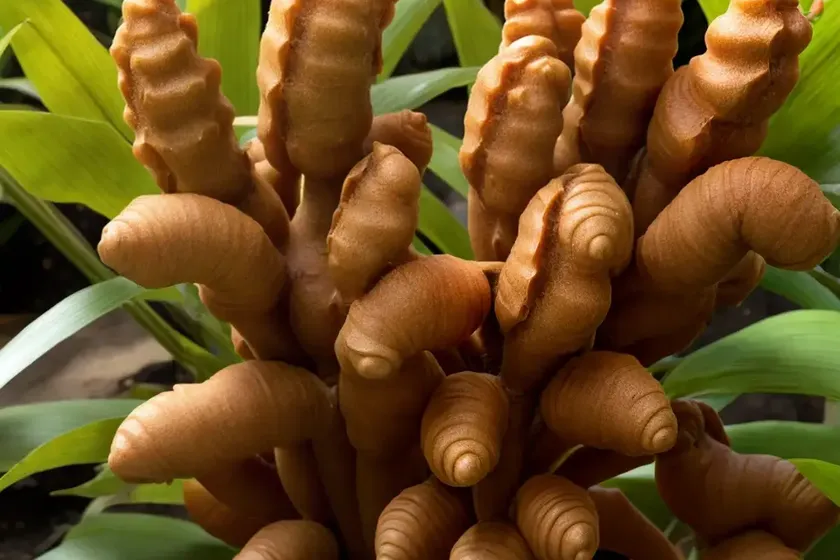
Zingiber malayensis, commonly known as Midnight ginger, is an exquisite plant known for its ornamental and medicinal value. Belonging to the Zingiberaceae family, Midnight ginger is native to Southeast Asia, where it thrives in the warm, humid climate. With its unique foliage, stunning flowers, and aromatic rhizomes, this plant has gained popularity not only in traditional medicine but also as an elegant addition to gardens and landscapes.
In this comprehensive guide, we will delve into the characteristics of Midnight ginger, its cultivation requirements, medicinal uses, and various landscaping applications. Whether you are a seasoned horticulturist or an enthusiastic amateur gardener, this guide will equip you with the knowledge and tips to successfully grow and care for Midnight ginger.
What is Plant: Midnight Ginger (Zingiber malayensis)?
Midnight ginger, scientifically known as Zingiber malayensis, is a herbaceous perennial plant characterized by its striking midnight-colored foliage, vibrant flowers, and flavorful rhizomes. As a member of the Zingiberaceae family, it is closely related to common culinary ginger, turmeric, and cardamom. Its native habitat includes the tropical regions of Southeast Asia, particularly Malaysia, Indonesia, and Thailand.
Zingiber malayensis Characteristics
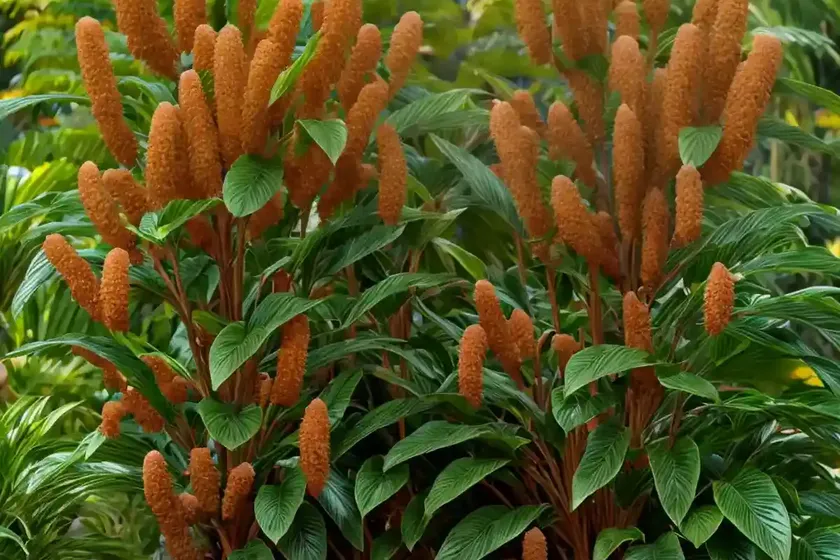
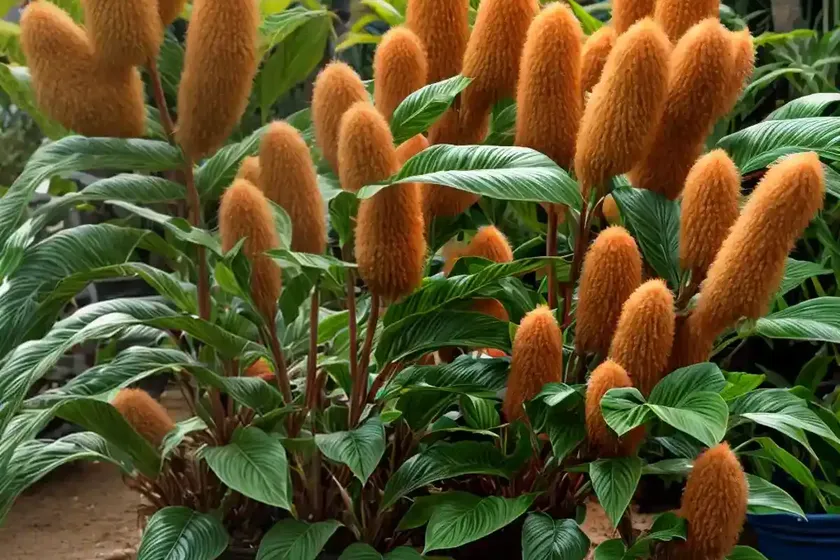
- Foliage: The leaves of Midnight ginger are a deep green color, often with a purplish hue that intensifies under bright light. The leaves are lance-shaped and can grow up to 18 inches in length, adding to the plant’s visual appeal.
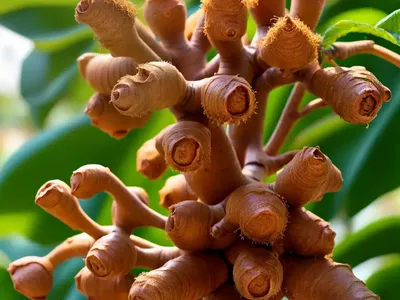
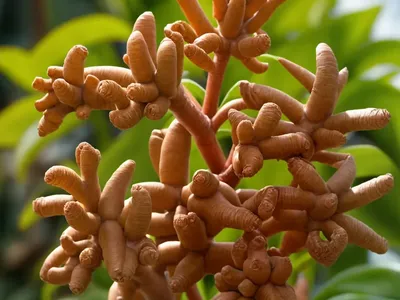
- Flowers: The plant produces cone-shaped inflorescences that emerge from the base of the plant. The flowers are a rich, vibrant red, adding a burst of color to the garden or landscape.
- Rhizomes: The rhizomes of Midnight ginger are pungent and aromatic, with a distinctive spicy fragrance. They are a key component of traditional herbal remedies and culinary applications.
Midnight Ginger Plant Description
The Midnight ginger plant is an eye-catching addition to any garden, showcasing its unique foliage and striking flowers. When fully mature, this plant can reach heights of 3 to 4 feet, creating a captivating presence in garden beds, borders, or containers. Its elegant appearance, coupled with its low maintenance requirements, makes it a desirable choice for both novice and experienced gardeners.
Key Takeaways – Midnight Ginger (Zingiber malayensis)
- Family: Zingiberaceae
- Common Name: Midnight Ginger
- Scientific Name: Zingiber malayensis
- Native Habitat: Southeast Asia
- Characteristics: Striking foliage, vibrant red flowers, aromatic rhizomes
- Growth Habit: Herbaceous perennial, reaching 3 to 4 feet in height
Now that we have established the basic overview of Midnight ginger, let’s delve into the specific requirements for successfully cultivating and caring for this captivating plant.
Cultivation
Cultivating Midnight ginger involves creating an environment that mimics its natural habitat in Southeast Asia. From soil composition to watering schedules, providing the right conditions is essential for the plant’s overall health and vigor.
Water
Midnight ginger thrives in moist, well-draining soil. While it appreciates consistent moisture, it is essential to prevent waterlogging, as this can lead to root rot. During the growing season, aim to keep the soil evenly moist, allowing the top inch to dry out slightly between waterings. In periods of prolonged heat, pay special attention to watering to prevent the plant from drying out.
Sunlight
In its native habitat, Midnight ginger is accustomed to dappled sunlight or partial shade. When cultivated in gardens or landscapes, it thrives in similar conditions. Providing filtered sunlight or locating it in a shaded area with indirect light is ideal for promoting healthy growth and vibrant foliage.
Fertilizer
Feeding Midnight ginger with a balanced, organic fertilizer during the growing season can enhance its growth and flowering. Apply a slow-release fertilizer formulated for ornamental plants in the spring as new growth emerges. Additionally, a monthly application of a water-soluble fertilizer during the growing season can provide the plant with essential nutrients.
Soil
The ideal soil for Midnight ginger is rich, well-draining, and slightly acidic. A mix of organic matter such as compost or well-rotted manure can improve the soil structure while providing essential nutrients. A recommended soil mix for container cultivation includes a combination of potting soil, perlite, and peat moss to ensure adequate drainage and aeration.
Pruning
Pruning Midnight ginger is generally minimal, focusing primarily on removing any damaged or dead foliage. As the plant matures, spent flower stems can be trimmed back to maintain a tidy appearance and encourage continuous blooming. Additionally, removing any yellowing or withered leaves can promote airflow and prevent the onset of fungal diseases.
Propagation
Midnight ginger can be propagated through division or by rhizome cuttings. When dividing the plant, carefully separate the rhizomes ensuring that each division has healthy roots and viable growing points. Rhizome cuttings can be taken from established plants, ensuring that each cutting has at least one growth point. These cuttings can then be potted in a well-draining mix and kept consistently moist until new growth emerges.
Container Popularity
The manageable size and striking appearance of Midnight ginger make it an attractive option for container cultivation. When grown in containers, it can be placed on patios, porches, or balconies, adding a tropical touch to outdoor living spaces. Additionally, cultivating Midnight ginger in containers allows for greater control over soil conditions, making it easier to provide the ideal environment for the plant.
Common Diseases
While Midnight ginger is relatively resistant to pests and diseases, it can be susceptible to certain issues under unfavorable growing conditions. Keeping an eye out for common diseases and promptly addressing any signs of distress is crucial for maintaining the plant’s health.
Disease Diagnosis
- Fungal Leaf Spots: If the leaves develop brown, water-soaked spots, it may indicate a fungal infection. Overhead irrigation and high humidity can contribute to the development of leaf spots. Ensure good airflow around the plant and avoid wetting the foliage during watering.
- Root Rot: Excessive moisture in the soil can lead to root rot, causing the plant to wilt and show signs of stunted growth. Adjust watering practices and improve soil drainage to mitigate this issue.
Common Pests
Midnight ginger is generally resistant to most common garden pests. However, occasional infestations by spider mites or aphids can occur, especially in indoor or greenhouse settings. Monitoring the plant regularly and addressing any pest issues promptly through organic pest control methods can help keep the plant healthy and pest-free.
Botanist’s Tips
- Temperature Tolerance: While Midnight ginger thrives in warm, humid conditions, it can withstand occasional temperature drops. However, it is sensitive to frost and should be protected during periods of cold weather.
- Growing Season: In regions with distinct seasons, Midnight ginger typically experiences active growth during the warm months. Providing the plant with proper care during the growing season can promote robust growth and prolific flowering.
Medicinal Uses
In addition to its ornamental value, Midnight ginger holds significance in traditional medicine and herbal remedies. The aromatic rhizomes of the plant are known for their medicinal properties, offering a range of health benefits when used in various preparations.
Midnight Ginger Medicinal Uses
- Digestive Aid: Midnight ginger rhizomes are valued for their digestive benefits, aiding in alleviating indigestion and promoting healthy digestion.
- Anti-inflammatory Properties: The rhizomes contain compounds that exhibit anti-inflammatory properties, providing relief from certain inflammatory conditions.
- Aromatic Inhalation: The aromatic fragrance of the rhizomes can be utilized for its therapeutic effects through inhalation, promoting relaxation and stress relief.
Fun Facts
- Midnight ginger is also known as “Malay ginger” due to its native origins in Malaysia and its resemblance to common ginger plants.
- The vibrant red flowers of Midnight ginger make it a magnet for pollinators, attracting butterflies and bees to the garden.
- In traditional Southeast Asian medicine, Midnight ginger is prized for its ability to alleviate symptoms of nausea and motion sickness.
Links to External Resources
For further information and resources on Midnight ginger (Zingiber malayensis), refer to the following:
- Royal Horticultural Society – Zingiber malayensis
- Missouri Botanical Garden – Midnight Ginger
- The Herb Society of America – Zingiberaceae Family
In this holistic plant care guide, we have covered the essential aspects of cultivating and caring for Midnight ginger (Zingiber malayensis). From its unique characteristics to its medicinal uses and ornamental value, Midnight ginger presents a compelling addition to gardens, landscapes, and herbal medicine practices. Whether you are drawn to its stunning foliage, aromatic rhizomes, or medicinal properties, the Midnight ginger plant offers a rich tapestry of botanical intrigue and practical applications. Happy gardening!
- “RHS Gardening” Royal Horticultural Society – Zingiber malayensis, https://www.rhs.org.uk/Plants/16207/Zingiber-malayensis/Details
- “PlantFinder” Missouri Botanical Garden – Midnight Ginger, https://www.missouribotanicalgarden.org/PlantFinder/PlantFinderDetails.aspx?taxonid=264523&isprofile=0&
- “The Herb Society of America” – Zingiberaceae Family, https://www.herbsociety.org/file_download/inline/e5e1f3cf-d358-4d37-94f1-fbc666944f69