Hedychium Flavescens (Yellow Ginger Lily)
Hedychium flavescens, commonly known as the Yellow Ginger Lily, is a tropical plant that belongs to the Zingiberaceae family. Known for its vibrant yellow.
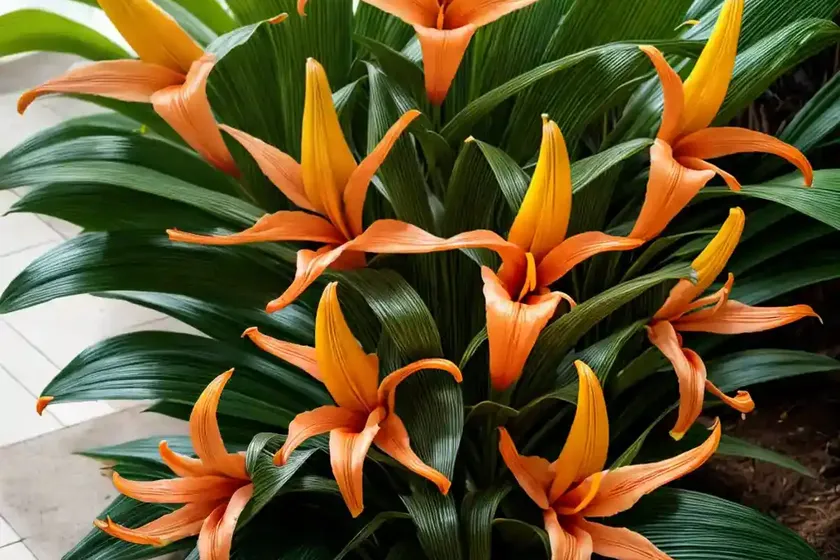
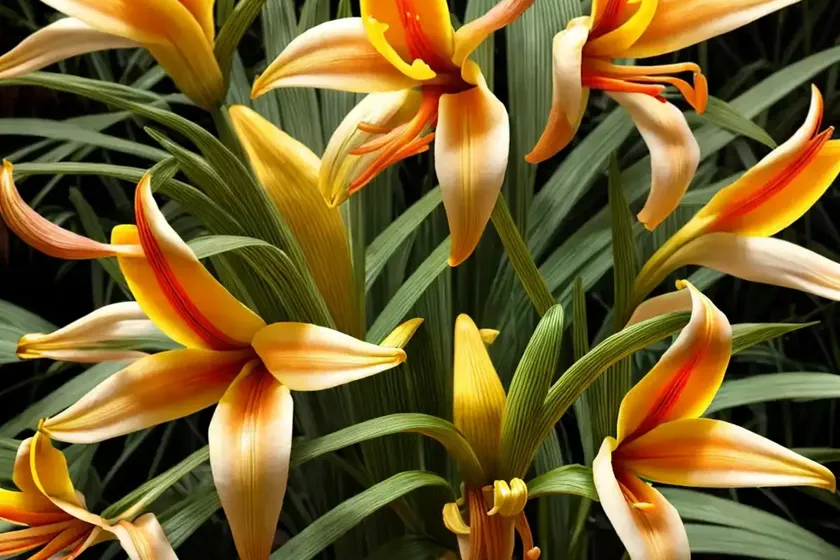
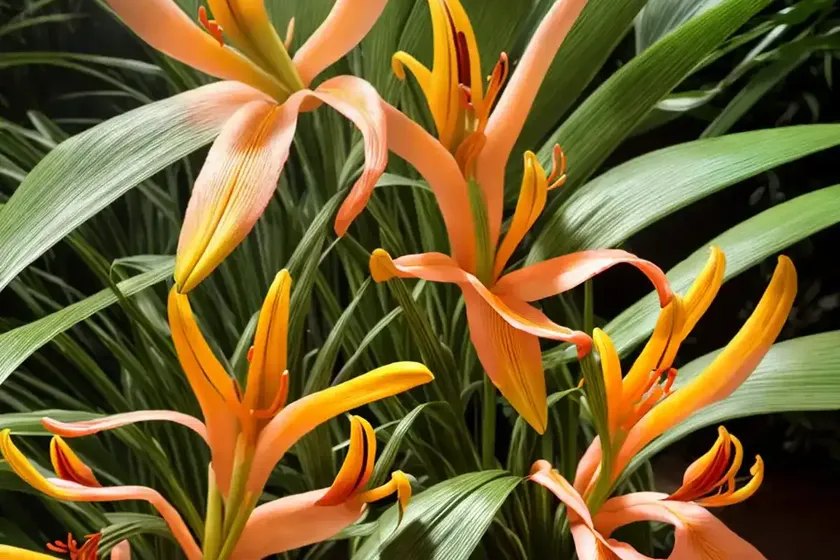
Hedychium flavescens, commonly known as the Yellow Ginger Lily, is a tropical plant that belongs to the Zingiberaceae family. Known for its vibrant yellow flowers and pleasant fragrance, this plant has various cultural uses and is widely appreciated in gardens around the world. In this comprehensive guide, we will explore the characteristics of Hedychium flavescens, its cultivation, maintenance, and much more.
What is Hedychium flavescens (Yellow Ginger Lily)?
Hedychium flavescens, native to the Himalayan region, is an herbaceous perennial plant that thrives in warm and humid climates. It is characterized by its tall, erect stems and large, lance-shaped leaves. The most striking feature of the plant is its fragrant yellow flowers that bloom in late summer and early fall.
The plant is commonly cultivated for ornamental purposes, as well as for its aromatic and medicinal properties. In traditional medicine, various parts of the plant are used to address different ailments, owing to its anti-inflammatory and antioxidant properties.
Key Takeaways – Hedychium flavescens (Yellow Ginger Lily)
Let’s delve deeper into the various aspects of cultivating and caring for Hedychium flavescens:
- Culture
- Uses
- Water
- Sunlight
- Fertilizer
- Soil
- Pruning
- Propagation
- Container Popularity
- Container Common Diseases
- Disease Diagnosis
- Common Pests
- Botanist’s Tips
- Fun Facts
- Links to External Resources
Culture
When cultivating Hedychium flavescens, it is important to understand its cultural requirements to ensure healthy growth and vibrant blooms.
Uses
The Yellow Ginger Lily has a range of uses, including ornamental, medicinal, and aromatic applications.
Water
Understanding the water requirements of Hedychium flavescens is crucial for maintaining optimal growth conditions.
Sunlight
Proper sunlight exposure is essential for the Yellow Ginger Lily to thrive and produce abundant flowers.
Fertilizer
Providing the right nutrients through fertilization is key to promoting healthy growth and flowering.
Soil
The type of soil and its characteristics play a significant role in the overall health and vigor of Hedychium flavescens.
Pruning
Pruning techniques are essential for shaping the plant and promoting future growth and blooming.
Propagation
Learning about the various propagation methods can facilitate the expansion of your Yellow Ginger Lily garden.
Container Popularity
Understanding the popularity of container gardening with Hedychium flavescens is valuable for urban gardeners and those with limited outdoor space.
Container Common Diseases
Identifying and addressing common diseases associated with container-grown Yellow Ginger Lilies is essential for their well-being.
Disease Diagnosis
Being able to diagnose and treat diseases effectively is crucial for maintaining healthy and vibrant Hedychium flavescens plants.
Common Pests
Identifying and managing common pests ensures the protection of your Yellow Ginger Lily garden.
Botanist’s Tips
Insights from professional botanists can offer valuable guidance for successfully growing and caring for Hedychium flavescens.
Fun Facts
Discover intriguing and little-known facts about the Yellow Ginger Lily that add to its allure.
Links to External Resources
Access additional information and resources to support your journey of cultivating Hedychium flavescens.
This guide will provide comprehensive insights into each of these key takeaways, offering a holistic understanding of Hedychium flavescens and how to care for this striking plant.
Hedychium flavescens (Yellow Ginger Lily) Characteristics
Before diving into the specifics of caring for Hedychium flavescens, let’s explore its characteristics, which make it a captivating addition to any garden.
Botanical Classification
- Family: Zingiberaceae
- Genus: Hedychium
- Species: flavescens
Growth Habit
Hedychium flavescens is an herbaceous perennial with tall, upright stems and a clumping growth habit. The plant can reach heights of 4 to 8 feet (1.2 to 2.4 meters), creating a striking presence in garden landscapes.
Foliage
The foliage of the Yellow Ginger Lily consists of large, lance-shaped leaves that are arranged alternately along the stems. The leaves provide a lush, tropical appearance, adding to the plant’s ornamental value even when it is not in bloom.
Flowers
The most notable feature of Hedychium flavescens is its large, showy flowers. The inflorescences, or flower spikes, emerge from the tips of the stems and bear clusters of vibrant yellow flowers. The flowers are characterized by a delightful fragrance, attracting pollinators and adding a touch of elegance to the garden.
Aromatic Properties
The flowers of Hedychium flavescens exude a delightful fragrance, which is often compared to a blend of citrus and jasmine. This aromatic quality makes the plant a popular choice for perfume and potpourri production, adding both visual and olfactory appeal to gardens and indoor spaces.
Hedychium flavescens (Yellow Ginger Lily) Cultivation
Cultivating Hedychium flavescens requires attentive care and consideration of its specific needs. From water and sunlight to soil and pruning, each aspect of cultivation plays a crucial role in nurturing robust and floriferous plants.
Yellow Ginger Lily Growing Tips
To ensure successful growth and abundant blooms, consider the following growing tips for Hedychium flavescens:
-
Warm Climate Preference: Yellow Ginger Lilies thrive in warm, tropical climates and are best suited for USDA hardiness zones 8 to 11. For regions outside this range, consider container gardening or providing winter protection for the plants.
-
Well-Draining Soil: Plant Hedychium flavescens in well-draining, rich soil with a slightly acidic to neutral pH. Ample organic matter in the soil contributes to the plant’s overall health and vigor.
-
Ample Moisture: Although the plant appreciates consistently moist soil, it is important to avoid waterlogging, as this can lead to root rot. Regular watering during dry periods is essential, especially for young plants and those grown in containers.
-
Partial Sunlight: While Yellow Ginger Lilies prefer partial shade or filtered sunlight, they can also tolerate full sunlight. However, providing some afternoon shade in hotter climates can help prevent leaf scorch and maintain the plant’s overall vitality.
-
Fertilization: Apply a balanced, slow-release fertilizer in spring to support healthy growth and flowering. Avoid excessive nitrogen, as this can promote vigorous foliage at the expense of flower production.
-
Regular Pruning: Remove spent flower spikes and dead foliage to maintain a tidy appearance and encourage the plant to redirect its energy toward new growth and flowering.
-
Mulching: Apply a layer of organic mulch around the base of the plant to conserve moisture, suppress weeds, and provide additional nutrients as it breaks down.
By implementing these growing tips, you can create an optimal environment for Hedychium flavescens to flourish and grace your garden with its dazzling blooms.
Hedychium flavescens Propagation
Propagating Yellow Ginger Lilies can be achieved through various methods, each offering the opportunity to expand your collection of these stunning plants.
Division
Dividing mature clumps of Hedychium flavescens is a common propagation method that helps rejuvenate the plant and promote new growth and flowering. Here’s how to propagate Yellow Ginger Lilies through division:
- Timing: Spring, before new growth emerges, is an ideal time for division.
- Process:
- Dig up the mature clump, taking care to preserve the integrity of the root system.
- Using a sharp, sterilized knife or garden spade, divide the clump into smaller sections, ensuring each division consists of healthy rhizomes and viable growing points.
- Plant the divisions in prepared soil, ensuring proper spacing to accommodate their future growth.
Rhizome Cuttings
Taking rhizome cuttings is another effective method for propagating Hedychium flavescens. This approach allows you to create new plants from healthy, established rhizomes. Here’s how to propagate Yellow Ginger Lilies using rhizome cuttings:
- Selection: Choose healthy, disease-free rhizomes for the cuttings.
- Cutting and Planting:
- Using a clean, sharp knife, cut the rhizome into sections, ensuring each cutting has at least one viable bud or growing point.
- Plant the rhizome cuttings in pots or directly in the ground, maintaining the appropriate soil moisture and warmth to facilitate root development.
Seed Propagation
While less commonly practiced due to the plant’s slow growth from seed, propagating Hedychium flavescens from seeds can be a rewarding endeavor. When using seeds for propagation, consider the following guidelines:
- Seed Collection: Collect ripe seed capsules from the plant, ensuring they are fully mature and dry before extraction.
- Seed Sowing:
- Sow the seeds in a seed-starting mix, covering them lightly with the growing medium.
- Maintain consistent moisture and warmth to support germination, which can take several weeks to months.
By mastering these propagation methods, you can expand your Yellow Ginger Lily collection and share the beauty of these plants with fellow gardening enthusiasts.
Hedychium flavescens Water Requirements
Understanding the water needs of Hedychium flavescens is essential for maintaining optimal growth and health. While the plant appreciates consistently moist soil, proper watering practices contribute to the prevention of water-related issues such as root rot and foliage diseases.
Watering Guidelines
Consider the following watering guidelines to support the healthy growth of Yellow Ginger Lilies:
-
Consistent Moisture: Keep the soil evenly moist, especially during periods of active growth and flowering. Avoid allowing the soil to dry out completely, as this can lead to stress and reduced blooming.
-
Avoid Waterlogging: While the plant requires regular moisture, it is important to prevent waterlogging, which can result in oxygen deprivation and root rot. Ensure that the soil has adequate drainage to allow excess water to escape.
-
Seasonal Adjustments: Fine-tune your watering practices based on seasonal changes in temperature and rainfall. During hot, dry periods, increase the frequency of watering, while in cooler, wetter conditions, adjust the watering schedule accordingly.
-
Container Considerations: If growing Yellow Ginger Lilies in containers, monitor soil moisture closely, as pots can dry out more rapidly than garden beds. Provide sufficient drainage in the containers to prevent water accumulation.
By aligning your watering practices with the specific needs of Hedychium flavescens, you can promote robust growth, abundant flowering, and overall vitality in your garden.
Hedychium flavescens Sunlight Needs
Providing the appropriate sunlight exposure is crucial for the health and blooming of Hedychium flavescens. Understanding the plant’s sunlight requirements allows you to create an environment that supports optimal growth and the development of vibrant flowers.
Ideal Sunlight Conditions
Consider the following sunlight guidelines for Yellow Ginger Lilies:
-
Partial Shade: While Yellow Ginger Lilies can tolerate full sunlight, they generally prefer partial shade or filtered sunlight, especially in regions with hot and intense sunlight. Providing morning sun and afternoon shade can help prevent leaf scorch and reduce heat stress.
-
Overwintering Considerations: In cooler climates or during the winter months, protect the plant from excessively low temperatures and freezing conditions, as prolonged exposure to cold can damage the foliage and underground rhizomes.
-
Indoor Cultivation: When growing Hedychium flavescens indoors, place the plant in an area with bright, indirect light. Ensure that it receives adequate sunlight to support healthy growth, and consider supplemental lighting if natural light is limited.
By aligning the sunlight exposure with the plant’s preferences and requirements, you can foster robust and healthy Yellow Ginger Lilies that produce an abundance of captivating blooms.
Yellow Ginger Lily Medicinal Properties
Beyond its ornamental value, Hedychium flavescens exhibits medicinal properties that have been recognized in traditional herbal medicine systems. The plant contains bioactive compounds that contribute to its therapeutic potential, making it a valuable addition to natural remedies and wellness practices.
Antioxidant and Anti-Inflammatory Effects
Hedychium flavescens contains compounds that possess antioxidant and anti-inflammatory properties, which can be beneficial for various health applications. By harvesting the rhizomes and other plant parts, herbalists and traditional healers can harness these properties for medicinal preparations.
Aromatic and Relaxing Qualities
The pleasing fragrance of the Yellow Ginger Lily flowers contributes to its aromatic and sensory appeal, and the plant’s scent is often associated with relaxation and mood enhancement. Incorporating the plant’s flowers or extracts into aromatherapy practices offers a natural way to promote a sense of calm and well-being.
Digestive Support
Traditional medicine systems have utilized Hedychium flavescens to support digestive health, addressing issues such as indigestion and stomach discomfort. Preparations made from the plant may aid in soothing gastrointestinal discomfort and promoting overall digestive wellness.
Circulatory Health
Certain bioactive compounds found in Hedychium flavescens are believed to promote circulatory health and support cardiovascular function. By incorporating the plant into medicinal formulations, traditional practitioners aim to harness these effects for maintaining optimal blood flow and heart health.
Yellow Ginger Lily Varieties
Hedychium flavescens encompasses several notable varieties, each with unique characteristics and visual appeal. Some popular varieties and cultivars of the Yellow Ginger Lily include:
-
Hedychium flavescens ‘Elizabeth’: This variety is celebrated for its striking golden-yellow flowers and compact growth habit, making it an excellent choice for smaller gardens and container cultivation.
-
Hedychium flavescens ‘Tara’: ‘Tara’ showcases large, showy flowers with intense yellow hues and a captivating fragrance. The variety is valued for its vigorous growth and elegant floral display.
-
Hedychium flavescens ‘Luna Moth’: Recognized for its pale yellow flowers with delicate, curved petals, ‘Luna Moth’ presents a unique and ethereal aesthetic that sets it apart in garden landscapes.
Each variety of Yellow Ginger Lily offers distinct visual and ornamental qualities, enriching garden spaces with their vibrant blooms and lush foliage.
Hedychium flavescens Soil Requirements
The soil composition and quality significantly influence the growth, health, and overall performance of Hedychium flavescens. Understanding the soil requirements of the Yellow Ginger Lily enables gardeners to create an environment that supports robust growth and abundant flowering.
Soil Characteristics
Consider the following soil characteristics for cultivating Hedychium flavescens:
-
Well-Draining Texture: Yellow Ginger Lilies thrive in well-draining soil that prevents waterlogging and allows excess moisture to escape. Incorporating organic matter, such as compost or well-rotted manure, enhances soil structure and water permeability.
-
Acidic to Neutral pH: The optimal soil pH for Hedychium flavescens ranges from slightly acidic to neutral, typically between 6.0 and 7.0. Conducting a soil test can help determine the pH of the planting area and guide any necessary amendments.
-
Nutrient-Rich Composition: Providing a soil rich in essential nutrients supports the plant’s overall vigor and enhances flowering. Consider incorporating a balanced fertilizer to supplement the soil’s nutrient content.
-
Moisture Retention: While well-draining soil is essential, it should also retain sufficient moisture to sustain the plant’s hydration needs. Applying a layer of mulch aids in moisture retention and provides additional nutrients as it decomposes.
By addressing these soil requirements and considerations, you can establish an optimal growing environment that promotes the health and vitality of Hedychium flavescens plants.
Hedychium flavescens Pruning Techniques
Pruning is an essential practice for shaping and maintaining the appearance of Hedychium flavescens, as well as promoting healthy growth, flowering, and rejuvenation.
Pruning Guidelines
Consider the following pruning techniques for Yellow Ginger Lilies:
-
Deadheading Spent Flowers: Remove spent flower spikes promptly to encourage the production of new blooms and prevent the plant from expending energy on seed formation. Cutting the flower spikes back to the base also promotes a tidy and well-groomed appearance for the plant.
-
Removing Dead Foliage: Trim any yellowing or discolored leaves to keep the plant’s foliage lush and vibrant. Regularly inspect the plant for signs of disease or pest damage, and prune affected portions as necessary to prevent the spread of issues.
-
Comprehensive Clean-Up: Conduct a comprehensive clean-up of the plant at the end of the growing season or before new growth emerges in spring. Trim back any dead or damaged stems and foliage to encourage fresh growth and rejuvenation.
-
Division Rejuvenation: When dividing mature clumps of Hedychium flavescens, prune the rhizomes and roots as needed to ensure healthy, viable divisions. Trimming away any damaged or desiccated portions supports the establishment of new plants.
By implementing these pruning techniques, you can maintain the health, vigor, and visual appeal of your Yellow Ginger Lily plants while promoting optimal growth and flowering.
Hedychium flavescens Container Gardening
Container gardening offers a versatile and practical approach to cultivating Hedychium flavescens, allowing gardeners with limited outdoor space or distinct aesthetic preferences to enjoy the beauty and fragrance of the plant.
Container Popularity
Consider the following factors that contribute to the popularity of container gardening with Hedychium flavescens:
-
Space Efficiency: Container gardening enables individuals with limited outdoor space, such as balconies, patios, and small gardens, to cultivate the Yellow Ginger Lily and enjoy its vibrant blooms and fragrant flowers.
-
Portability: Containers offer the flexibility to move the plants to different locations based on sunlight exposure, temperature fluctuations, and aesthetic considerations. This allows for optimal plant care and design flexibility.
-
Aesthetic Variety: With a wide range of container styles, sizes, and materials available, gardeners can select containers that complement their unique preferences and enhance the visual impact of their outdoor spaces.
-
Microclimate Control: Containers provide a degree of control over the plant’s microclimate, allowing for adjustments in watering, sunlight exposure, and temperature regulation to meet the specific needs of Hedychium flavescens.
Container Common Diseases
Identifying and addressing common diseases associated with container-grown Yellow Ginger Lilies is essential for maintaining the health and vitality of the plants.
Disease Prevention and Management
Consider the following practices to prevent and manage common diseases in container gardening:
-
Proper Drainage: Ensure that the containers have adequate drainage holes and use well-draining potting mixes to prevent waterlogging and root rot, which can result from excessive moisture accumulation in the soil.
-
Sanitary Practices: Keep the containers and surrounding areas free of debris, fallen leaves, and decaying plant matter, as these can harbor pathogens and create favorable conditions for disease development.
-
Routine Inspection: Regularly inspect the plants for signs of disease, including yellowing or spotted foliage, stunted growth, and abnormal wilting. Early detection allows for prompt intervention and treatment.
-
Appropriate Watering: Water the plants judiciously, aiming to maintain consistent moisture without overwatering. Avoid splashing water on the foliage, as this can contribute to the spread of foliar diseases.
-
Integrated Pest and Disease Management: Implement an integrated approach to managing diseases and pests, which may include cultural practices, biological controls, and targeted treatments with organic or synthetic


