Eucalyptus Deglupta (Rainbow Eucalyptus)
Eucalyptus deglupta, commonly known as the Rainbow Eucalyptus, is a captivating and vibrant tree that has captured the attention of plant enthusiasts and.


Eucalyptus deglupta, commonly known as the Rainbow Eucalyptus, is a captivating and vibrant tree that has captured the attention of plant enthusiasts and nature lovers around the world. With its striking multicolored bark and impressive height, this species stands out as a natural wonder worth exploring. In this comprehensive guide, we will delve into the various aspects of Eucalyptus deglupta, from its cultural significance and uses to its growth requirements, propagation methods, common diseases, and much more. Whether you are a seasoned horticulturist, a home gardener, or simply someone intrigued by the beauty of nature, join me as we unravel the fascinating world of the Rainbow Eucalyptus.
What is Eucalyptus deglupta (Rainbow Eucalyptus)?
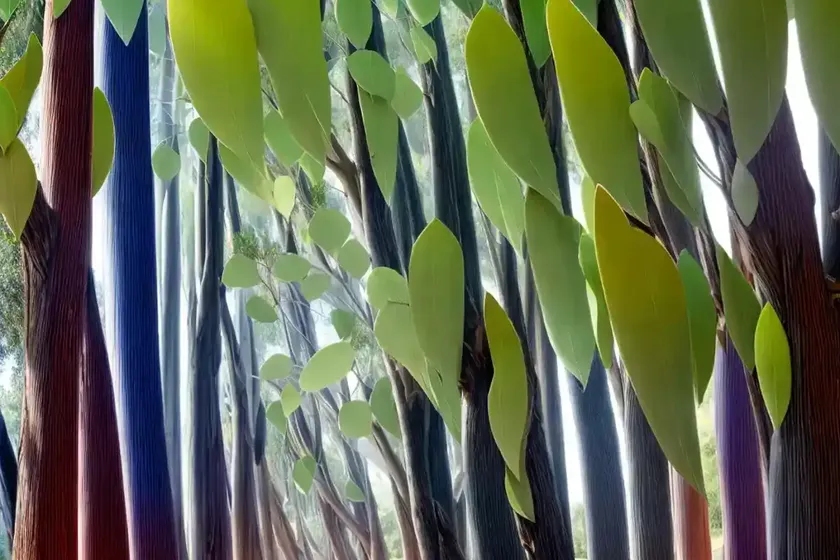
Eucalyptus deglupta, a member of the Myrtaceae family, is an evergreen tree that is native to the Philippines, Indonesia, and Papua New Guinea. It is also commonly found in various tropical and subtropical regions, where it thrives in warm and humid climates. The Rainbow Eucalyptus is best known for its remarkable and visually arresting bark. As the trees age, the multi-hued bark peels away in strips, revealing a vibrant spectrum of colors that range from green to orange, blue, and maroon. This unique feature has earned it the nickname “Rainbow Eucalyptus” and has contributed to its widespread appeal.
Key Takeaways – Eucalyptus deglupta (Rainbow Eucalyptus)
Before we delve deeper into the various aspects of caring for and understanding the Rainbow Eucalyptus, let’s quickly summarize the key takeaways associated with this extraordinary tree:
- Common Name: Rainbow Eucalyptus
- Scientific Name: Eucalyptus deglupta
- Family: Myrtaceae
- Native Habitat: Philippines, Indonesia, Papua New Guinea, and other tropical and subtropical regions
- Distinctive Feature: Multicolored peeling bark
- Cultural Uses: Timber, ornamental tree, medicinal properties
- Growth Requirements: Warm and humid climate, well-drained soil, ample sunlight
- Propagation: Seeds, cuttings
- Common Diseases: Puccinia psidii (Myrtle Rust), Cylindrocladium quinqueseptatum (Quambalaria Shoot Blight)
- Common Pests: Psyllids, Longhorn Borers, Termites
- Environmental Significance: Forest conservation, aesthetic appeal
With these key points in mind, let’s explore each aspect of the Rainbow Eucalyptus in detail, providing valuable insights into its cultural significance, growth requirements, and much more.
Culture
Understanding the cultural significance of the Rainbow Eucalyptus is essential for appreciating its impact on various aspects of human life. From traditional uses to modern applications, this remarkable tree has woven itself into the fabric of different cultures, leaving a lasting impression.
Uses
Timber
One of the most significant cultural uses of Eucalyptus deglupta is its timber. The wood from Rainbow Eucalyptus trees is highly valued for its strength, durability, and unique coloring. The multicolored patterns present in the wood make it a sought-after material for crafting furniture, decorative items, and specialty wood products. Additionally, the timber is utilized in construction and woodworking, adding a touch of visual interest to architectural elements and artistic creations.
Ornamental Tree
Beyond its practical uses, the Rainbow Eucalyptus holds immense cultural significance as an ornamental tree. Its striking appearance and the mesmerizing display of colors on its bark have made it a popular choice for landscaping, public gardens, and private estates. The presence of these trees in various cultural settings adds a sense of wonder and natural beauty, enriching the visual tapestry of urban and rural landscapes alike.
Medicinal Properties
In some traditional cultures, certain parts of the Rainbow Eucalyptus are used for their purported medicinal properties. From the leaves to the bark and essential oils derived from the tree, several preparations are believed to have therapeutic effects, ranging from treating respiratory ailments to providing relief from various physical discomforts. While further scientific studies are needed to validate these claims, the cultural significance of the Rainbow Eucalyptus in traditional medicine cannot be overlooked.
Water
As with most species of Eucalyptus, Eucalyptus deglupta is fairly drought-tolerant once established. However, it thrives in environments with consistent moisture, especially during its early years of growth. Adequate watering is crucial during the tree’s establishment phase, but once mature, it can withstand dry spells and moderate water scarcity. In regions with prolonged dry periods, supplemental watering may be necessary to support the tree’s overall health and vitality.
Sunlight
The Rainbow Eucalyptus is a sun-loving tree that thrives in full sunlight. It requires at least six to eight hours of direct sunlight daily to support its growth and encourage the development of its vibrant bark coloration. Placing the tree in a location with ample sunlight exposure is essential for ensuring its overall well-being and the continued display of its distinctive multi-hued bark.
Fertilizer
When it comes to fertilization, Eucalyptus deglupta generally has low to moderate nutrient requirements. However, in nutrient-deficient soils or during periods of rapid growth, supplemental fertilization may be beneficial. A balanced slow-release fertilizer with micronutrients can be applied during the growing season to support the tree’s vitality and overall development. It’s important to follow the specific fertilizer recommendations based on soil tests and the tree’s growth stage to avoid over-fertilization, which can be detrimental to the tree’s health.
Soil
The Rainbow Eucalyptus thrives in well-drained soils that are rich in organic matter. It prefers slightly acidic to neutral soil pH levels ranging from 5.5 to 7.5. Moreover, the soil should have good permeability to prevent waterlogging, which can lead to root rot and other detrimental conditions. In regions with heavy clay soils, incorporating organic amendments to improve soil structure and drainage is beneficial for creating an optimal growing environment for the tree.
Pruning
Pruning Eucalyptus deglupta should be approached with caution, as excessive pruning can lead to stress and potential health issues for the tree. The primary focus of pruning is to remove dead, damaged, or crossing branches while maintaining the natural form and structure of the tree. Conducting light and selective pruning can help enhance the aesthetic appeal of the Rainbow Eucalyptus, but it’s essential to avoid over-pruning, particularly in mature trees, to prevent unnecessary stress and susceptibility to diseases.
Propagation
Propagation of Eucalyptus deglupta can be achieved through various methods, including seeds and vegetative propagation techniques such as cuttings. Identifying the most suitable approach for propagation depends on the specific needs and goals of the individual or horticultural project. Here’s a brief overview of the two primary propagation methods:
Seeds
Eucalyptus deglupta seeds are relatively easy to propagate under the right conditions. The seeds should be sown in a well-draining seed-starting mix and placed in a warm and humid environment to encourage germination. It’s important to provide consistent moisture and warmth to support the successful establishment and growth of the seedlings. As the seedlings develop, they can be transplanted into larger containers or directly into the ground, depending on the intended planting location.
Cuttings
While propagating Rainbow Eucalyptus from seeds is common, vegetative propagation through cuttings offers an alternative method with its own set of advantages. Semi-hardwood cuttings collected from healthy, disease-free branches can be treated with rooting hormones and placed in a suitable rooting medium. Providing adequate moisture and warmth while monitoring for root development can lead to successful propagation through this method. It’s worth noting that the success rates of propagation through cuttings may vary based on environmental conditions and the specific techniques employed.
Container Popularity
The Rainbow Eucalyptus is also a popular choice for container cultivation, particularly in regions where the climate may not be ideally suited for its outdoor growth. Its dazzling bark and graceful foliage make it an attractive addition to patios, courtyards, and indoor spaces, providing a touch of natural elegance and visual appeal. When grown in containers, the tree’s growth can be managed through regular maintenance and suitable pruning, allowing individuals in diverse environments to enjoy the captivating beauty of Eucalyptus deglupta.
Common Diseases
Like many plant species, Eucalyptus deglupta is susceptible to certain diseases that can impact its health and aesthetics. Understanding these common diseases and their associated symptoms is essential for early detection and effective management.
Disease Diagnosis
Puccinia psidii (Myrtle Rust)
Myrtle Rust, caused by the fungal pathogen Puccinia psidii, can affect the foliage of Rainbow Eucalyptus trees, leading to the development of characteristic orange or yellow raised lesions on the leaves. As the disease progresses, the infected leaves may become distorted, and defoliation can occur, particularly in severe cases. Monitoring the foliage for the presence of rust-like symptoms and implementing appropriate fungicidal treatments can help manage the disease and mitigate its impact on the tree’s overall health.
Cylindrocladium quinqueseptatum (Quambalaria Shoot Blight)
Quambalaria Shoot Blight, caused by the fungal pathogen Cylindrocladium quinqueseptatum, primarily affects the new growth and shoots of Eucalyptus species, including Eucalyptus deglupta. The disease is characterized by the appearance of dieback, cankers, and dark lesions on the affected plant parts. Implementing proper sanitation practices, promoting good air circulation, and applying fungicidal treatments as necessary are crucial for managing and minimizing the spread of this blight within the affected tree and surrounding plantings.
Common Pests
In addition to diseases, Rainbow Eucalyptus trees can face challenges from various pests that seek to feed on their foliage, stems, or roots. Recognizing the signs of pest infestations and implementing appropriate control measures are essential for protecting the tree from significant damage.
Botanist’s Tips
To maintain the health and beauty of Eucalyptus deglupta, consider the following botanist’s tips:
-
Regular Monitoring: Routinely inspect the tree for signs of diseases, pests, and any environmental stresses that may affect its well-being.
-
Prudent Pruning: Exercise caution when pruning the tree, focusing on selective and minimal interventions to preserve its natural form and minimize potential stress.
-
Appropriate Watering: Balance watering practices to provide adequate moisture, especially during the establishment phase, without allowing the soil to become waterlogged.
-
Optimal Nutrition: Maintain the tree’s nutrient levels through soil testing and targeted fertilization to support its growth and vitality without overfeeding.
By integrating these tips into your care routine, you can contribute to the long-term health and visual appeal of the Rainbow Eucalyptus in your landscape or growing environment.
Fun Facts
- The distinct color patterns on the bark of the Rainbow Eucalyptus result from the shedding of the outer bark layers, revealing the vibrant hues underneath.
- Despite its tropical origins, Eucalyptus deglupta has been successfully cultivated in subtropical and certain temperate regions, where it continues to captivate observers with its stunning display of colors.
- The Rainbow Eucalyptus is not only admired for its visual appeal but also valued for its durable and aesthetically pleasing timber, making it a versatile resource in woodworking and craftsmanship.
Links to External Resources
To further explore the world of Eucalyptus deglupta and deepen your understanding of this remarkable tree, consider consulting the following reputable external resources:
- Royal Botanic Gardens, Kew – Eucalyptus deglupta
- United States Department of Agriculture – Eucalyptus deglupta Fact Sheet
- Australian National Botanic Gardens – Eucalyptus deglupta Information
- Botanical Society of America – Eucalyptus deglupta Overview
As you embark on your journey of discovery and appreciation for the Rainbow Eucalyptus, these resources can serve as valuable references, offering insights from reputable institutions and organizations dedicated to botanical research and conservation.
In conclusion, Eucalyptus deglupta, or the Rainbow Eucalyptus, stands out as a botanical marvel, captivating the imagination with its stunning display of colors, cultural significance, and versatile uses. From its native tropical habitats to its presence in diverse landscapes and gardens, this extraordinary tree continues to inspire fascination and admiration. By understanding its unique characteristics, growth requirements, and potential challenges, we can gain a deeper appreciation for the timeless allure and ecological importance of the Rainbow Eucalyptus in the botanical world.
In this comprehensive guide, we have explored the cultural significance, uses, growth requirements, and various aspects of the Rainbow Eucalyptus, shedding light on its diverse attributes and contributions to the natural world. Whether you are a horticulture enthusiast, a garden designer, or simply someone drawn to the remarkable beauty of trees, the Rainbow Eucalyptus offers a rich tapestry of experiences and opportunities for exploration, appreciation, and conservation. As we continue to celebrate the wonders of the botanical realm, let the vibrant and captivating presence of Eucalyptus deglupta inspire a sense of wonder and admiration for the wealth of biodiversity that enriches our surroundings and enriches our lives.