Indian-pipe (Monotropa Uniflora)
Plants are fascinating organisms, with an incredible diversity of forms and functions. One particularly intriguing plant species is the Indian-pipe.
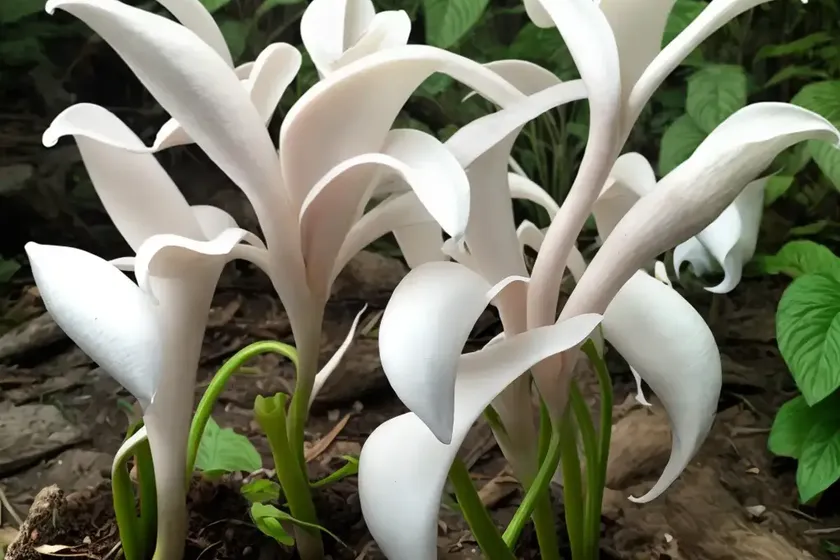
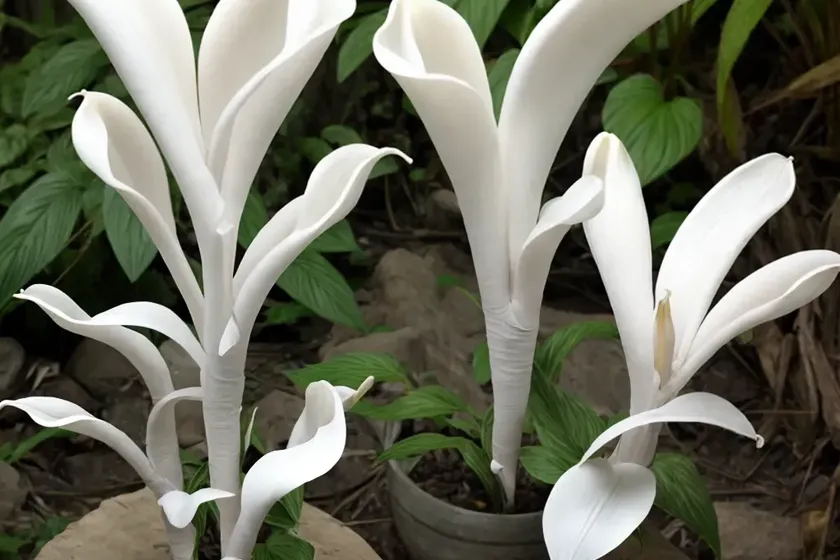
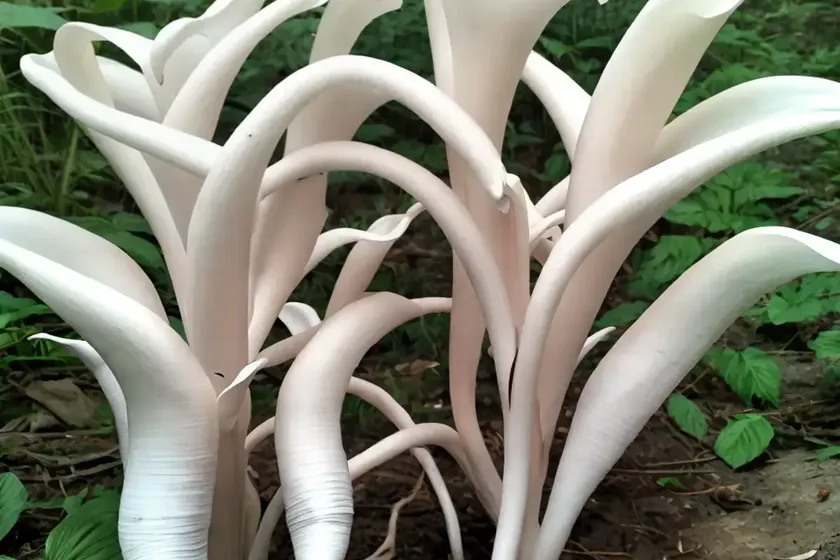
Plants are fascinating organisms, with an incredible diversity of forms and functions. One particularly intriguing plant species is the Indian-pipe (Monotropa Uniflora). Also known as the ghost plant or corpse plant, Indian-pipe is unique in many ways, exhibiting characteristics that set it apart from other plants. In this extensive guide, we will explore the intricate details of this enigmatic plant, from its habitat and ecological role to its cultural significance and growth requirements. Let’s delve into the world of Indian-pipe and uncover the mysteries that surround this captivating plant.
What is Indian-pipe (Monotropa Uniflora)?
Indian-pipe (Monotropa Uniflora) is a mycoheterotrophic plant that belongs to the family Ericaceae. Unlike most plants, Indian-pipe does not contain chlorophyll and is incapable of photosynthesis. Instead, it obtains nutrients indirectly from the roots of trees through a symbiotic relationship with mycorrhizal fungi. This unique mode of nutrition sets Indian-pipe apart from autotrophic plants and contributes to its intriguing ecological role.
Key Takeaways – Indian-pipe (Monotropa Uniflora)
Before we dive into the specific details of Indian-pipe, let’s take a moment to highlight some key takeaways about this remarkable plant:
- Indian-pipe is a mycoheterotrophic plant that lacks chlorophyll and obtains nutrients through a symbiotic relationship with mycorrhizal fungi.
- The plant is also known as the ghost plant or corpse plant due to its pale, ghostly appearance and its association with shaded, forested environments.
- Indian-pipe has cultural significance and has been used traditionally for various medicinal and symbolic purposes.
- Understanding the unique growth requirements of Indian-pipe is essential for its successful cultivation, particularly in home gardens and botanical settings.
With these key takeaways in mind, let’s explore the various aspects of Indian-pipe in greater detail.
Culture
The cultural significance of Indian-pipe extends across different indigenous societies and is often reflected in traditional folklore and medicinal practices. In some Native American cultures, Indian-pipe is associated with myths and legends, and it is considered a symbol of spirituality and connection to the spirit world. The plant has been used in various rituals and ceremonies, and its unique appearance has contributed to the development of diverse cultural narratives.
Uses
Medicinal Uses
Indian-pipe has a history of traditional medicinal use among certain indigenous communities. It has been employed for its potential therapeutic properties, although scientific research on its medicinal uses is limited. Some traditional uses of Indian-pipe in herbal medicine include its application for pain relief, respiratory conditions, and other ailments. Exploring the potential pharmacological properties of Indian-pipe could provide valuable insights into its medicinal uses and contribute to our understanding of its bioactive compounds.
Symbolism
The ghostly, ethereal appearance of Indian-pipe has imbued it with symbolic meanings in various cultural contexts. It is often associated with themes of transformation, spirituality, and the interconnection of life and death. As such, the plant holds special significance in cultural and spiritual practices, where it may be used to represent the delicate balance between the physical and spiritual realms.
Water
As a mycoheterotrophic plant, Indian-pipe has specific water requirements that are influenced by its unique mode of nutrient acquisition. While Indian-pipe does not rely on photosynthesis, it still requires adequate moisture to support its growth and reproductive processes. In its natural habitat, Indian-pipe is commonly found in moist, shaded woodlands with rich organic soil. When cultivating Indian-pipe in garden settings or botanical displays, it is essential to provide appropriate watering conditions to mimic its native environment.
Sunlight
Indian-pipe exhibits a preference for shaded environments and is often observed in the understory of dense forests. Unlike many green plants that thrive in sunlight, Indian-pipe has adapted to low-light conditions and is well-suited to shaded habitats. When considering the cultivation of Indian-pipe, it is crucial to replicate its natural light requirements by providing adequate shade and minimizing direct exposure to intense sunlight.
Fertilizer
Given its mycoheterotrophic nature, Indian-pipe does not rely on traditional fertilization methods to meet its nutrient needs. Instead, it obtains essential nutrients from the mycorrhizal fungi associated with the roots of trees. When cultivating Indian-pipe in controlled settings, it is important to recognize that conventional fertilizers are not suitable for this plant. Instead, attention should be given to maintaining healthy mycorrhizal networks in the surrounding soil to facilitate nutrient uptake by Indian-pipe.
Soil
Indian-pipe displays a preference for specific soil conditions that align with its natural habitat. It is commonly found in humus-rich, well-draining soils within forested environments. These soils provide the organic matter and moisture levels that support the growth and development of Indian-pipe. In cultivation settings, replicating these soil conditions is essential for the successful establishment of Indian-pipe, ensuring that it receives the necessary support from the soil ecosystem and associated mycorrhizal fungi.
Pruning
Pruning is not typically necessary for Indian-pipe, as it does not exhibit the same growth patterns as conventional green plants. Its unique mode of nutrition and growth strategy, reliant on mycoheterotrophic relationships, means that traditional pruning practices are not applicable. Instead, the emphasis should be placed on maintaining suitable environmental conditions and sustaining healthy mycorrhizal associations to support the plant’s overall well-being.
Propagation
The propagation of Indian-pipe poses significant challenges due to its specific ecological requirements and reliance on mycorrhizal associations for nutrient acquisition. While conventional propagation methods such as seed germination may be viable options, the successful cultivation of Indian-pipe typically involves an understanding of its intricate symbiotic relationships with mycorrhizal fungi. Efforts to propagate Indian-pipe should prioritize the preservation of these essential associations to ensure the plant’s long-term viability.
Container Popularity
Indian-pipe is a plant that captivates the interest of botanical enthusiasts and conservationists due to its unique characteristics and ecological significance. While the cultivation of Indian-pipe in containers may present certain challenges related to replicating its natural habitat, the appeal of experiencing this extraordinary plant up close has contributed to its popularity among collectors and botanical garden enthusiasts. Specialized settings that mimic the shade and soil conditions of Indian-pipe’s native habitat can provide valuable opportunities for cultivating and appreciating this remarkable plant.
Common Diseases
As a mycoheterotrophic plant, Indian-pipe may face specific challenges related to the health and integrity of its mycorrhizal associations. Disruptions to these essential relationships could have detrimental effects on the plant’s ability to acquire nutrients and thrive. While Indian-pipe may not be susceptible to the same diseases that affect conventional green plants, understanding and maintaining the delicate balance of its mycorrhizal networks is crucial for its long-term health.
Disease Diagnosis
Diagnosing diseases in Indian-pipe requires a nuanced understanding of its unique ecological requirements and mycorrhizal associations. Symptoms of disease or stress in Indian-pipe may manifest through changes in its growth patterns, reproductive success, or overall vitality. Given the intricate nature of its interactions with mycorrhizal fungi, disease diagnosis in Indian-pipe warrants specialized attention and expertise in mycology and plant pathology.
Common Pests
The mycoheterotrophic nature of Indian-pipe sets it apart from traditional green plants and may influence its susceptibility to common pests. While Indian-pipe may not be attractive to certain herbivores and insects due to its lack of chlorophyll and primary production, it may still face potential challenges from pests that target its mycorrhizal partners or disrupt essential relationships within the soil ecosystem. Understanding the specific pest pressures that impact Indian-pipe is essential for preserving its unique ecological niche.
Botanist’s Tips
Cultivating and studying Indian-pipe requires a specialized approach that accounts for its distinctive ecological adaptations and mycoheterotrophic lifestyle. As botanists and plant enthusiasts engage with Indian-pipe, it is important to consider the following tips:
- Understand the critical role of mycorrhizal associations in supporting the growth and vitality of Indian-pipe.
- Recognize the specific environmental and ecological requirements of Indian-pipe, particularly in relation to soil, moisture, and light conditions.
- Explore the intricate connections between Indian-pipe, mycorrhizal fungi, and tree hosts to gain deeper insights into its ecological relationships and adaptations.
By integrating these tips into their approach, botanists and researchers can contribute to a greater understanding of Indian-pipe and the unique ecological systems in which it participates.
Fun Facts
- Indian-pipe is a non-photosynthetic plant, relying solely on its mycorrhizal associations for nutrient acquisition.
- The pale, ghostly appearance of Indian-pipe has contributed to its associations with mysticism and folklore in various cultural contexts.
- Indian-pipe is found in diverse forested habitats, often in shaded, moist environments where it forms essential connections with its mycorrhizal partners.
Links to External Resources
For further exploration of Indian-pipe and related topics, the following external resources provide valuable insights and information:
- The Myco-Heterotroph: Indian Pipe (Monotropa Uniflora)
- The Ghost Plant: Monotropa Uniflora
- Monotropa Uniflora: The Indian Pipe
By referencing these external resources, individuals can delve deeper into the world of Indian-pipe and expand their knowledge of this unique plant species.
In conclusion, Indian-pipe (Monotropa Uniflora) stands out as an extraordinary example of a non-photosynthetic, mycoheterotrophic plant with a rich cultural history and ecological significance. Understanding its unique characteristics, growth requirements, and ecological role is essential for appreciating the complexity of this captivating plant and its contributions to forest ecosystems. By delving into the realm of Indian-pipe, we gain a deeper appreciation for the diversity of plants and the intricacies of their interactions within the natural world.