Azalea (Rhododendron ‘Conlef’ AUTUMN CHEER): A Complete Guide
The azalea, known scientifically as Rhododendron ‘Conlef’ AUTUMN CHEER, is a delightful and vibrant flowering shrub that is a prized addition to any garden. Its stunning blooms and ease of care have made it a sought-after plant among gardening enthusiasts. In this comprehensive guide, we will delve into the various aspects of azalea care and cultivation, covering everything from its cultural significance to its propagation and common diseases. Whether you are a seasoned gardener or a beginner looking to enhance your green thumb, this guide will equip you with the knowledge needed to nurture and appreciate the beauty of the azalea.
What is an Azalea (Rhododendron ‘Conlef’ AUTUMN CHEER)?
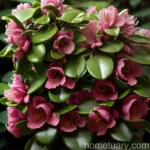
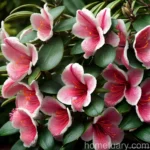
The Azalea (Rhododendron ‘Conlef’ AUTUMN CHEER) is a deciduous flowering shrub that belongs to the genus Rhododendron. It is renowned for its stunning, trumpet-shaped blooms, which appear in vibrant shades of pink, red, and white, adding a pop of color to landscapes and gardens. The ‘AUTUMN CHEER’ variety, in particular, is celebrated for its ability to bloom in the fall, extending the joy of the flowering season well into the autumn months.
Key Takeaways – Azalea (Rhododendron ‘Conlef’ AUTUMN CHEER)
Before we embark on a detailed exploration of the care and cultivation of this beautiful plant, let’s briefly highlight the key takeaways that we will cover in this guide:
- Plant Name: Azalea (Rhododendron ‘Conlef’ AUTUMN CHEER)
- Culture: Understanding the cultural significance of the Azalea
- Uses: The practical and aesthetic uses of the Azalea in landscapes and gardens
- Water: Watering requirements for the Azalea
- Sunlight: Sunlight and shade considerations for optimal growth
- Fertilizer: Nourishing the Azalea with the right fertilization techniques
- Soil: Understanding the ideal soil conditions for the Azalea
- Pruning: Techniques and best practices for pruning the Azalea
- Propagation: Methods for propagating the Azalea
- Container Popularity: Growing Azaleas in containers
- Common Diseases: Identifying and addressing common diseases
- Disease Diagnosis: Diagnostic approaches for Azalea diseases
- Common Pests: Dealing with common pests that affect the Azalea
- Botanist’s Tips: Expert tips for successful Azalea care
- Fun Facts: Intriguing and lesser-known facts about the Azalea
- Links to External Resources: Additional references and resources for further exploration
Now, let’s delve into the fascinating world of Azalea care and discover the intricacies of nurturing this captivating plant.
Culture of Azaleas
Uses
The Azalea has been revered for centuries for its versatile uses, both practical and aesthetic. The practical utility of the Azalea lies in its ability to serve as an excellent hedge or border plant, providing privacy and demarcation in gardens and landscapes. Its aesthetic allure, however, is perhaps its most celebrated quality. The Azalea’s vibrant blooms and graceful foliage make it a stunning addition to any garden, adding a splash of color and elegance to outdoor spaces. Additionally, its uses extend to floral arrangements and bouquets, where its striking flowers are often featured as a focal point in various floral compositions.
Water
Proper watering is crucial for the health and vitality of Azaleas. These plants have moderate water needs and generally prefer consistently moist, well-draining soil. It’s essential to establish a watering routine that ensures the soil remains evenly moist without becoming waterlogged. During dry spells or hot weather, regular watering is particularly crucial to prevent the soil from drying out. Additionally, applying a layer of mulch around the base of the Azalea can help retain soil moisture and regulate its water requirements.
Sunlight
Azaleas thrive in dappled shade or partial sunlight, making them an ideal choice for gardens with filtered light conditions. While they can tolerate some morning sun, they generally prefer protection from intense afternoon sun, which can cause their delicate blooms and foliage to scorch. When selecting a location for planting Azaleas, it’s important to consider the dappled shade provided by trees or the shelter of structures to create the ideal growing environment for these exquisite shrubs.
Fertilizer
Fertilization plays a key role in promoting healthy growth and abundant blooms in Azaleas. Applying a balanced, slow-release fertilizer specifically formulated for acid-loving plants in spring can provide the necessary nutrients for vigorous growth and prolific flowering. It’s important to follow the recommended application rates and avoid over-fertilization, which can lead to excessive foliage growth at the expense of flower production. Additionally, incorporating organic matter into the soil during planting can serve as a long-term source of nutrients for Azaleas.
Soil
The ideal soil for Azaleas is acidic, well-draining, and rich in organic matter. A pH range between 4.5 and 6.0 is optimal for these acid-loving plants, ensuring that they can efficiently absorb essential nutrients from the soil. Amending the soil with organic materials such as peat moss, pine bark, or compost can help improve its structure and acidity, creating a hospitable environment for Azaleas to thrive. Furthermore, maintaining a layer of mulch around the base of the plants can aid in moisture retention, regulate soil temperature, and deter weed growth.
Pruning
Proper pruning not only enhances the aesthetic appeal of Azaleas but also contributes to their overall vigor and health. Pruning is typically performed after the flowering period, allowing the plants to develop new growth and set buds for the following year. Removal of dead or diseased branches, shaping the overall form of the shrub, and light trimming to maintain an open structure are common objectives of pruning Azaleas. Care should be taken to avoid extensive pruning that can adversely impact the next season’s bloom display. Understanding the specific growth habit and flowering pattern of the Azalea cultivar is essential for implementing effective pruning techniques.
Propagation
Azaleas can be propagated through various methods, including cuttings, layering, and seeds. One of the most popular and reliable techniques is the propagation of Azaleas from cuttings. This method involves taking stem cuttings from a healthy, mature plant and encouraging them to develop roots and form new plants. Layering, which entails inducing a stem to produce roots while still attached to the parent plant, is another effective propagation method. Seed propagation, while viable, is less commonly practiced due to the variability of seed-grown Azaleas and the lengthy time frame required for them to reach maturity and flowering stage.
Container Popularity
The compact size and ornamental beauty of Azaleas make them well-suited for container gardening. Their adaptability to container cultivation allows gardening enthusiasts with limited space to enjoy these delightful shrubs on patios, balconies, or in small gardens. When growing Azaleas in containers, it is essential to select a spacious pot with adequate drainage holes, ensuring that excess water can escape freely. Using a well-draining potting mix formulated for acid-loving plants is also crucial for the healthy growth of Azaleas in containers.
Common Diseases and Pests
Azaleas are susceptible to various diseases and pests that can affect their health and vitality. It is essential for gardeners to be vigilant and proactive in identifying and addressing these issues to prevent their plants from succumbing to infestations or infections. Here are some common diseases and pests that may impact Azaleas:
Common Diseases
-
Powdery Mildew: This fungal disease appears as a powdery white growth on the leaves, stems, and buds of Azaleas. It thrives in humid conditions and can weaken the plant if left untreated. Proper air circulation and fungicidal treatments can help manage powdery mildew.
-
Leaf Spot: Leaf spot diseases manifest as dark, often circular lesions on the foliage of Azaleas, leading to leaf discoloration and drop. Maintaining good sanitation practices and applying fungicides can mitigate the impact of leaf spot.
-
Root Rot: Excessive soil moisture or poor drainage can lead to root rot in Azaleas, causing the roots to decay and compromising the plant’s health. Improving soil drainage and avoiding overwatering are crucial for preventing root rot.
-
Dieback: Dieback is characterized by the progressive death of branches and twigs, often caused by fungal pathogens. Pruning affected areas and practicing good hygiene in the garden can help manage dieback and prevent its spread.
Disease Diagnosis
Diagnosing diseases in Azaleas involves careful observation of symptoms such as leaf discoloration, spotting, wilting, or abnormal growth. Collecting samples of affected plant parts and seeking expert assistance can aid in accurately identifying the specific disease and formulating an appropriate treatment plan. It is important to address suspected diseases promptly to prevent their escalation and minimize the impact on Azalea health.
Common Pests
-
Azalea Lace Bug: These tiny insects feed on the underside of Azalea leaves, causing stippling and discoloration. In severe infestations, they can affect the overall health of the plant. Insecticidal soaps or horticultural oils are effective for managing lace bug populations.
-
Spider Mites: Spider mites are common pests that can infest Azaleas, causing stippling and webbing on the leaves. Regular monitoring and the application of miticides can help control spider mite infestations.
-
Caterpillars: Certain caterpillar species may feed on Azalea foliage, leading to defoliation and reduced plant vigor. Handpicking caterpillars or using Bacillus thuringiensis (Bt) products can offer effective control measures.
-
Whiteflies: Whiteflies are small, sap-sucking insects that infest Azaleas, leading to leaf yellowing and decline. Insecticidal sprays or natural predators can be employed to manage whitefly populations.
Botanist’s Tips
Azalea Care Tips
- Regular watering is essential, particularly during dry spells or hot weather, to maintain optimal soil moisture for Azaleas.
- Applying a balanced, slow-release fertilizer in spring can promote vigorous growth and abundant flowering.
- Selecting the right planting location with dappled shade and protection from intense afternoon sun is crucial for Azalea health.
- Implementing proper pruning techniques and timing can enhance the overall form and bloom production of Azaleas.
- Conducting regular inspections for signs of diseases and pests is vital for early intervention and effective management.
Fun Facts
- Azaleas belong to the genus Rhododendron, which comprises over 1,000 species, including both evergreen and deciduous varieties.
- The Azalea is the state wildflower of Georgia, USA, and is celebrated for its widespread cultivation and symbolic significance.
- In traditional Chinese culture, Azaleas are associated with femininity, fragility, and the arrival of spring, holding special cultural significance.
Links to External Resources
For further exploration of Azalea care and cultivation, you may find the following resources valuable:
- American Azalea Society: A comprehensive source of information on Azalea varieties, cultivation techniques, and regional recommendations.
- Royal Horticultural Society – Rhododendrons and Azaleas: Offers detailed guidance on growing and caring for Rhododendrons and Azaleas, including specific cultivar recommendations and troubleshooting tips.
- University of Georgia Extension – Azalea Diseases and Insect Pests: A valuable resource for diagnosing and managing common diseases and pests affecting Azaleas in the garden.
- The Azalea Society of America: As the national organization dedicated to the appreciation and advancement of Azaleas, this site provides a wealth of information, including workshops, events, and plant profiles.
In conclusion, the Azalea (Rhododendron ‘Conlef’ AUTUMN CHEER) stands as a testament to nature’s artistry, captivating admirers with its resplendent blooms and graceful charm. By embracing the insights shared in this guide, you can embark on a fulfilling journey of nurturing and celebrating the unparalleled beauty of Azaleas in your own garden. Whether you are drawn to their radiant colors, enchanting fragrance, or rich cultural symbolism, Azaleas hold an enduring allure that continues to enchant and inspire gardeners worldwide.
References
- American Azalea Society. Available online at: http://www.azaleas.org/
- Royal Horticultural Society – Rhododendrons and Azaleas. Available online at: https://www.rhs.org.uk/advice/profile?pid=122
- University of Georgia Extension – Azalea Diseases and Insect Pests. Available online at: https://extension.uga.edu/publications/detail.html?number=C978
- The Azalea Society of America. Available online at: http://azaleas.org/
Now, go forth and cultivate the splendor of the Azalea, and may your gardens bloom with the joy of the AUTUMN CHEER variety, brightening your days with its captivating allure.