Indian-almond (Terminalia Catappa): A Complete Guide
In the world of plants, the Indian-almond, scientifically known as Terminalia Catappa, stands out as a fascinating and beneficial species. In this comprehensive guide, we will delve into the various aspects of this tropical evergreen plant, exploring its uses, cultivation, care, and much more. Whether you are a plant enthusiast, a gardener, or simply curious about the Indian-almond tree, this article will serve as a valuable resource to expand your knowledge.
What is Indian-almond (Terminalia Catappa)?
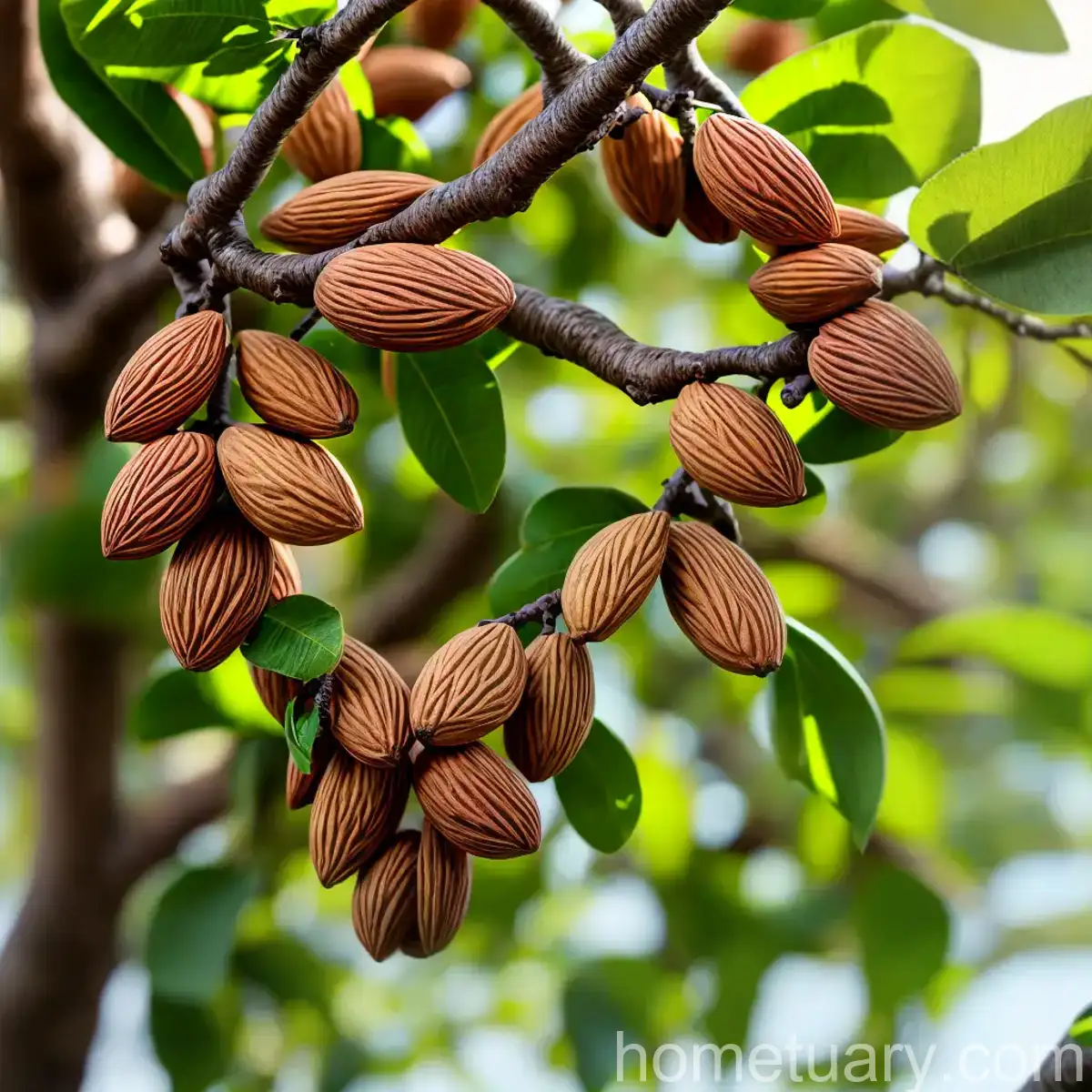
The Indian-almond, also referred to as the Tropical Almond, Badam tree, or Almond Fruit Tree, is a species of flowering plant in the family Combretaceae. This tropical evergreen tree is prized for its ornamental value, as well as its numerous cultural, medicinal, and environmental contributions.
Key Takeaways – Indian-almond (Terminalia Catappa)
Before we delve into the specifics of Indian-almond cultivation and care, let’s briefly touch upon some key takeaways related to this remarkable tree.
- Common Names: Terminalia Catappa, Indian-almond tree, Tropical almond plant, Badam tree, Almond fruit tree
- Cultivation and Habitat: Thrives in tropical regions, particularly in coastal areas
- Uses: Valued for ornamental, cultural, environmental, and medicinal purposes
- Symbolism: Holds cultural and folkloric significance in various traditions
- Propagation: Can be propagated through seeds and cuttings
- Pests and Diseases: Susceptible to certain pests and diseases, requiring careful monitoring and management
- Pruning: Requires periodic pruning to maintain shape and promote healthy growth
- Fertilization: Benefits from well-balanced fertilization for optimal development
Now, let’s explore each of these aspects in greater detail, offering insights into how to cultivate, care for, and appreciate the Indian-almond tree.
Culture
Understanding the cultural significance of the Indian-almond tree is essential for appreciating its broader impact on society and traditions. This section will shed light on the cultural uses, symbolism, and folklore associated with Terminalia Catappa.
Indian-almond Tree in Cultural Traditions
Throughout history, the Indian-almond tree has held significant cultural and symbolic value in various traditions. Let’s explore some of the cultural uses and symbolisms attributed to this esteemed tree.
- In India, the Almond tree is celebrated for its fragrant flowers and its association with the auspicious occasion of Diwali, the Festival of Lights. It is often considered a symbol of new beginnings and prosperity.
- In traditional medicine systems such as Ayurveda, different parts of the Indian-almond tree are used for their medicinal properties. The leaves, bark, and fruits are believed to possess therapeutic benefits and are utilized in various remedies.
As we delve deeper into the Indian-almond tree’s rich cultural significance, it becomes evident that this tree has not only adorned landscapes but also played an integral role in cultural practices and beliefs.
Folklore and Symbolism
The Indian-almond tree has been the subject of numerous folklores and symbolic interpretations across different cultures. Here are some intriguing aspects of the tree’s folklore and symbolism:
- Symbol of Endurance: In some cultures, the Indian-almond tree symbolizes strength and endurance due to its ability to thrive in coastal environments and withstand harsh conditions.
- Spiritual Connotations: The tree is often associated with spirituality and is revered for its aesthetic beauty and therapeutic properties.
By exploring the cultural and symbolic dimensions of the Indian-almond tree, we gain a deeper appreciation for its multifaceted role in various traditions and belief systems.
Uses
The Indian-almond tree boasts a wide array of uses, encompassing both practical and cultural applications. From its ornamental value to its environmental contributions, this section will explore the diverse uses of Terminalia Catappa.
Ornamental Value
The Indian-almond tree is renowned for its ornamental appeal, making it a sought-after species for landscaping and horticultural purposes. Its striking foliage, unique leaf shape, and visually appealing canopy contribute to its ornamental significance. Whether planted in gardens, parks, or along coastal areas, the tree’s aesthetic qualities enhance its surroundings.
Medicinal Properties
The leaves, bark, and fruits of the Indian-almond tree are believed to possess medicinal properties in various traditional medicine systems. The following are some common medicinal uses of Terminalia Catappa:
- Treatment of Skin Conditions: The leaves and bark are used in traditional remedies for various skin ailments, including rashes and minor wounds.
- Anti-inflammatory Effects: Certain compounds present in the Indian-almond tree are believed to have anti-inflammatory properties, making them valuable for alleviating certain health issues.
Environmental Benefits
In addition to its cultural and medicinal significance, the Indian-almond tree offers several environmental benefits. These benefits include:
- Shade and Cooling Effects: The tree’s broad canopy provides shade, making it an ideal choice for creating cooler environments in arid regions and coastal areas.
- Soil Erosion Control: The extensive root system of the Indian-almond tree helps stabilize soil, making it effective in preventing erosion, particularly in coastal regions.
Nutritional Value
The Indian-almond tree produces nuts that have certain nutritional value. These nuts can be consumed raw or processed for culinary use. They are also popular as a forage for certain animals, contributing to their nutritional well-being.
Water
Proper watering is crucial for the healthy growth and development of the Indian-almond tree. Understanding the tree’s water requirements and implementing appropriate watering practices are essential aspects of its care.
Watering Guidelines
The watering needs of the Indian-almond tree vary based on factors such as the climate, soil type, and stage of growth. Here are some guidelines to ensure adequate watering for Terminalia Catappa:
- Established Trees: Once the tree is established, it is generally tolerant of drought conditions. However, during prolonged dry spells, supplemental watering may be necessary to maintain healthy growth.
- Young Trees: Newly planted or young Indian-almond trees require regular watering to support root establishment and overall vigor. It is important to water these trees deeply and consistently, ensuring that the root ball remains adequately moist.
Irrigation Methods
When it comes to irrigation, employing suitable methods and scheduling is essential for promoting optimal growth and minimizing water stress. Some effective irrigation practices for Indian-almond trees include:
- Deep Watering: Providing deep, thorough watering to encourage deep root development and resilience to drought conditions.
- Mulching: Applying a layer of organic mulch around the base of the tree assists in moisture retention, reduces evaporation, and regulates soil temperature.
By adhering to appropriate watering practices, cultivators can promote the health and vitality of Indian-almond trees, ensuring their resilience in varying environmental conditions.
Sunlight
Sunlight plays an instrumental role in the growth and productivity of the Indian-almond tree. Understanding the tree’s sunlight requirements and optimizing its exposure to sunlight are pivotal for its well-being.
Sunlight Needs
The Indian-almond tree thrives in full sunlight, making it well-suited for tropical climates characterized by abundant sunshine. As such, it is essential to provide the tree with ample sunlight to facilitate its photosynthetic processes and overall growth.
Optimal Sunlight Exposure
To maximize the tree’s exposure to sunlight, consider the following factors and recommendations:
- Site Selection: When planting Indian-almond trees, choose sites that receive direct sunlight for the majority of the day, especially during the growing season.
- Pruning: Periodic pruning can help maintain an open canopy, allowing sunlight to penetrate and reach the lower branches and the tree’s interior.
Fertilizer
Fertilization is a critical aspect of Indian-almond tree care, as it directly impacts the tree’s growth, nutrition uptake, and overall vitality. Understanding the tree’s fertilizer requirements and implementing appropriate fertilization practices are essential for its health and productivity.
Fertilizer Recommendations
When determining the fertilizer needs of Indian-almond trees, consider the following guidelines to ensure proper nourishment and optimal growth:
- Balanced Fertilizer: Apply a balanced, slow-release fertilizer with a formulation such as 10-10-10 or 20-20-20, ensuring a steady supply of essential nutrients.
- Timing: Fertilize Indian-almond trees during the active growing season, typically in spring and early summer, to support vigorous growth and flowering.
Application Methods
Applying fertilizers using suitable methods and timing is crucial for maximizing nutrient uptake and minimizing potential nutrient imbalances. Consider the following application methods for Indian-almond tree fertilization:
- Soil Incorporation: Mix granular fertilizer into the soil around the tree’s drip line, ensuring even distribution of nutrients within the root zone.
- Foliar Feeding: In certain cases, foliar application of liquid fertilizers may be beneficial, particularly for addressing specific nutrient deficiencies or enhancing nutrient absorption.
By adhering to proper fertilization practices, cultivators can promote the healthy development and productivity of Indian-almond trees, fostering robust growth and bountiful yields.
Soil
The quality and composition of the soil play a pivotal role in the growth and overall health of Indian-almond trees. Understanding the tree’s soil preferences and implementing suitable soil management practices are essential for its successful cultivation.
Soil Preferences
Indian-almond trees thrive in well-draining, loamy soil with adequate fertility and a slightly acidic to neutral pH. Consider the following soil characteristics to provide an optimal growing environment for Terminalia Catappa:
- Well-Draining: Ensure that the soil has good drainage to prevent waterlogged conditions, which can negatively impact root health and vigor.
- Fertility: Incorporate organic matter, such as compost or well-rotted manure, to enrich the soil and provide essential nutrients for the tree’s growth.
Soil Amendment
Amending the soil to meet the specific requirements of Indian-almond trees is essential for creating a favorable growing medium. Consider the following soil amendment practices to enhance soil quality:
- Incorporating Organic Matter: Mix organic amendments into the soil to improve its structure, fertility, and moisture-holding capacity.
- Adjusting pH: If the soil pH is outside the preferred range, consider making targeted adjustments using suitable amendments to align with the tree’s preferences.
Pruning
Pruning is an integral aspect of Indian-almond tree care, contributing to the tree’s structural integrity, aesthetic appeal, and overall health. Implementing appropriate pruning techniques and schedules is essential for maintaining the tree’s form and promoting optimal growth.
Pruning Objectives
When pruning Indian-almond trees, consider the following objectives to guide your pruning efforts and achieve desirable outcomes:
- Shape and Size Control: Prune to maintain a balanced canopy, remove dead or diseased branches, and control the overall size of the tree.
- Thinning and Opening: Thin out overcrowded branches and open up the canopy to improve air circulation and sunlight penetration.
Pruning Techniques
Employing proper pruning techniques ensures that Indian-almond trees remain healthy, aesthetically pleasing, and structurally sound. Consider the following techniques when pruning Terminalia Catappa:
- Selective Pruning: Target specific branches for removal, focusing on diseased, damaged, or excessively dense growth.
- Heading Back: When necessary, perform heading back cuts to encourage branching and maintain the desired shape of the tree.
Propagation
Understanding the propagation methods for Indian-almond trees enables cultivators to propagate new trees, expand their orchards, or share this valuable species with others. This section will explore effective propagation techniques for Terminalia Catappa.
Propagation by Seeds
Propagating Indian-almond trees from seeds is a common and straightforward method that can yield viable and resilient offspring. Consider the following steps for successful propagation by seeds:
- Seed Collection: Collect mature, healthy seeds from a reliable source, ensuring that they are fully developed and viable for germination.
- Germination: Prepare the seeds for germination by scarifying the hard seed coat or soaking them in water to facilitate the germination process.
- Planting: Plant the seeds in well-draining potting mix or directly in the ground, providing optimal conditions for seedling establishment.
Propagation by Cuttings
Another viable method for propagating Indian-almond trees is through cuttings, allowing cultivators to generate genetically identical clones of a desired tree. Follow these steps for successful propagation by cuttings:
- Cutting Selection: Choose healthy, non-flowering stems for cuttings, ensuring that they have a sufficient number of nodes for root development.
- Rooting Hormone: Dip the base of the cuttings in a rooting hormone to stimulate root initiation and enhance rooting success.
- Rooting Medium: Plant the cuttings in a well-draining propagation medium and provide the necessary environmental conditions for root development.
By mastering the art of propagation, enthusiasts and horticulturists can expand the presence of Indian-almond trees, perpetuating their ornamental, cultural, and environmental contributions.
Container Popularity
The Indian-almond tree’s versatility and ornamental appeal make it a popular choice for container cultivation, allowing it to thrive in a variety of settings, including urban environments and limited garden spaces.
Container Requirements
When growing Indian-almond trees in containers, it is essential to provide suitable conditions to promote their health and vigor. Consider the following container requirements for successful cultivation:
- Size: Select a spacious and sturdy container that accommodates the tree’s root system and provides ample room for growth.
- Drainage: Ensure that the container has adequate drainage holes to prevent waterlogging and maintain optimal soil moisture levels.
- Soil: Use a well-draining, nutrient-rich potting mix to provide the necessary support and nutrition for container-grown Indian-almond trees.
Container Placement
Selecting the right location for container-grown Indian-almond trees is crucial for maximizing their growth, aesthetics, and overall performance. Consider the following factors when situating containers:
- Sunlight Exposure: Position the containers in locations with ample sunlight to facilitate photosynthesis and promote robust growth.
- Adequate Space: Provide sufficient space around the containers to allow for unrestricted canopy expansion and maintain a visually appealing arrangement.
Common Diseases
Indian-almond trees are susceptible to certain diseases that can affect their health and productivity. Recognizing the symptoms of common diseases and implementing control measures is essential for managing disease outbreaks effectively.
Anthracnose
Anthracnose is a fungal disease that can affect the leaves, twigs, and fruits of Indian-almond trees, leading to reduced vigor and defoliation. Symptoms of anthracnose include dark lesions on leaves, twig dieback, and premature fruit drop.
Disease Management:
- Cultural Practices: Implement proper sanitation, pruning, and debris removal to reduce disease pressure and prevent its spread.
- Fungicidal Treatments: Apply suitable fungicides to control anthracnose outbreaks and protect the tree from further infection.
Root Rot
Root rot, caused by soil-borne pathogens, can pose a significant threat to Indian-almond trees, leading to root damage, wilting, and decline in overall health. Symptoms of root rot include yellowing or browning of foliage, stunted growth, and root discoloration.
Disease Management:
- Amended Drainage: Improve soil drainage and aeration to mitigate the conditions conducive to root rot development.
- Fungicide Applications: Consider applying appropriate fungicides to combat root rot pathogens and protect the tree’s root system.
Disease Diagnosis
Diagnosing diseases affecting Indian-almond trees requires careful observation and a thorough understanding of the symptoms and causal agents. By familiarizing oneself with common disease symptoms and diagnostic tools, cultivators can promptly address disease issues and mitigate their impact on tree health.
Disease Symptoms
Identifying key symptoms of diseases impacting Indian-almond trees is crucial for accurate diagnosis and effective disease management. Some common symptoms to watch for include:
- Leaf spots or lesions
- Wilting or yellowing foliage
- Twig dieback and cankers
- Premature fruit or leaf drop
- Root discoloration and decay
Diagnostic Tools
In addition to visual symptom assessment, utilizing diagnostic tools and resources can aid in the accurate identification of diseases affecting Indian-almond trees. Consider the following diagnostic approaches:
- Laboratory Analysis: Submit plant samples to diagnostic laboratories for detailed analysis and identification of potential pathogens.
- Extension Resources: Seek guidance from agricultural extension services, which often provide disease diagnosis and management assistance to cultivators.
Common Pests
Indian-almond trees are susceptible to certain pests that can impact their growth and overall vitality. Recognizing common pests and implementing suitable pest management strategies are essential for protecting the trees from pest infestations.
Mealybugs
Mealybugs are common insect pests that can infest Indian-almond trees, feeding on plant sap and secreting honeydew, leading to stunted growth and leaf distortion. Signs of mealybug infestation include white, cottony masses on foliage and stems, as well as sooty mold development.
Pest Management:
- Natural Predators: Encourage the presence of natural enemies such as ladybugs and lacewings, which feed on mealybugs and help control their populations.
- Horticultural Oils: Apply horticultural oils to suffocate and eliminate mealybug colonies, particularly during the dormant season.
Scale Insects
Scale insects can also pose a threat to Indian-almond trees, infesting branches and leaves and damaging the tree’s overall health. Symptoms of scale infestation include the presence of scale covers on stems and foliage, as well as yellowing or wilting of leaves.
Pest Management:
- Pruning: Remove heavily infested branches and dispose of them to reduce scale populations and prevent further spread.
- Selective Insecticides: Consider using targeted insecticides to control scale infestations while minimizing impact on beneficial insects.
Botanist’s Tips
As a plant scientist with a passion for Indian-almond trees, I offer the following expert tips and recommendations to guide the cultivation, care, and appreciation of these remarkable trees.
Tip 1: Embrace Versatility
The Indian-almond tree’s adaptability and versatility make it suitable for a wide range of applications, from ornamental landscaping to environmental restoration. Embrace its versatility and explore the diverse ways in which this tree can enrich landscapes and benefit ecosystems.
Tip 2: Integrated Pest Management
Implement an integrated pest management approach to safeguard Indian-almond trees from potential pest infestations while minimizing reliance on conventional pesticides. Encourage natural predators, maintain tree health, and use targeted pest control methods to achieve sustainable pest management.
Tip 3: Consistent Monitoring
Regularly monitor Indian-almond trees for signs of pests, diseases, and nutrient deficiencies, enabling early detection and prompt intervention. Consistent monitoring plays a crucial role in maintaining tree health and addressing potential challenges effectively.
Tip 4: Environmental Stewardship
Leverage the environmental benefits of Indian-almond trees to promote sustainable land management practices, conserve soil and water resources, and contribute to biodiversity conservation. Recognize the tree’s role as an environmental steward and advocate for its inclusion in ecosystem restoration efforts.
Tip 5: Community Engagement
Engage with local communities and stakeholders to raise awareness about the cultural, environmental, and economic significance of Indian-almond trees. Foster community participation in tree planting initiatives and conservation projects, promoting the tree’s broader value.
Fun Facts
To add an element of intrigue and fascination to the discussion of Indian-almond trees, let’s explore some captivating fun facts about this remarkable species:
- Leaf Characteristics: The leaves of Indian-almond trees exhibit a unique trait known