Begonia Aconitifolia (Begonia ‘angel Wing’)
Begonias are a diverse and fascinating group of plants, known for their attractive foliage and delicate flowers. Among the wide variety of begonias.
Introduction
Begonias are a diverse and fascinating group of plants, known for their attractive foliage and delicate flowers. Among the wide variety of begonias, Begonia Aconitifolia, commonly referred to as Begonia ‘Angel Wing’, stands out for its striking, angel-wing-shaped leaves and its versatility as a houseplant or an outdoor ornamental. In this comprehensive guide, we will explore the various aspects of caring for and cultivating Begonia Aconitifolia, from its cultural requirements to its uses, common diseases, and maintenance tips.
What is Begonia Aconitifolia (Begonia ‘Angel Wing’)?
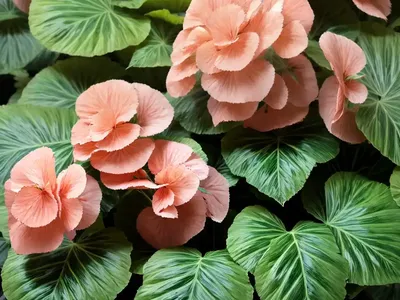
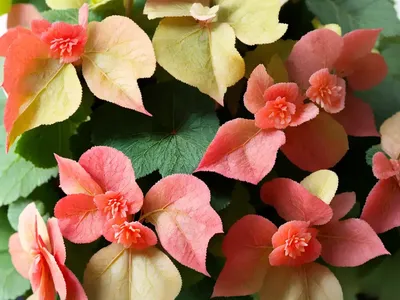
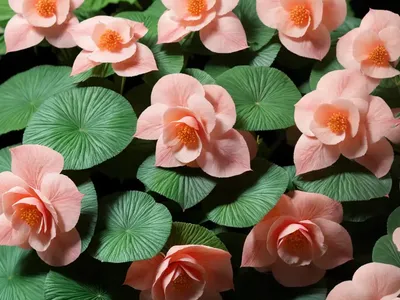
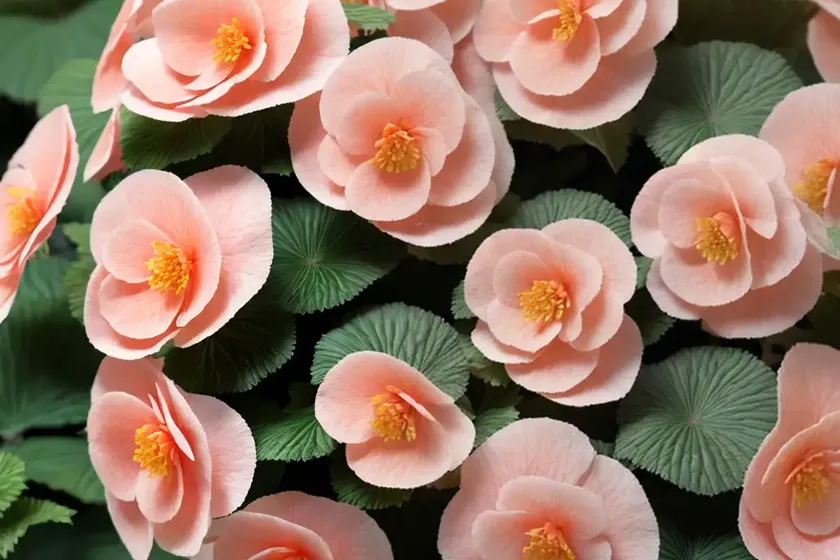
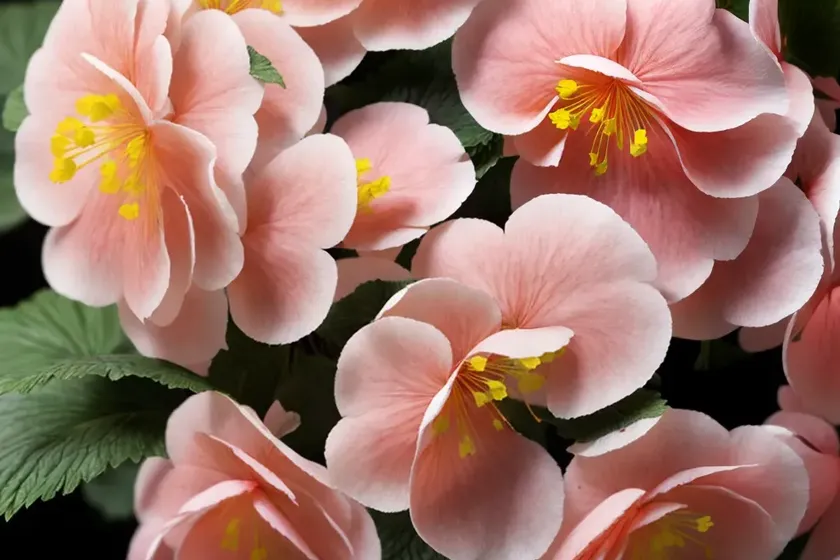
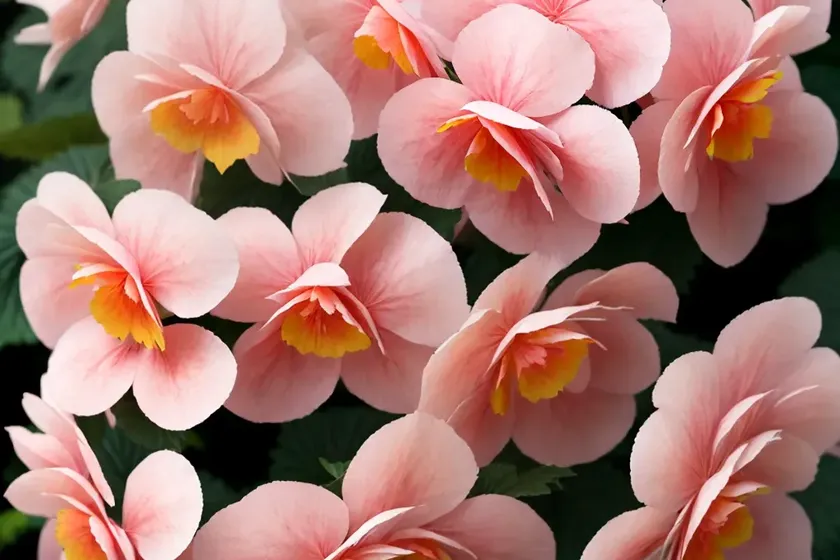
Begonia Aconitifolia, a member of the family Begoniaceae, is an herbaceous perennial that is native to the tropical and subtropical regions of Central and South America. This particular species is known for its distinct angel wing-shaped leaves, which are typically glossy and often adorned with silver speckles. The foliage of this begonia is the primary attraction, although it also produces clusters of delicate flowers in shades of pink, white, or red, adding to its ornamental value.
Key Takeaways
Let’s dive into the various aspects of Begonia Aconitifolia, understanding its cultural requirements, uses, maintenance, and more.
Culture
Begonia Aconitifolia can be cultivated both indoors and outdoors, making it a versatile addition to any garden or home. Understanding its cultural needs is crucial to ensure its optimal growth and well-being.
Uses
-
Indoor Plant: Its compact growth habit and attractive foliage make it an excellent choice for indoor potted plants, adding a touch of elegance and beauty to any room.
-
Outdoor Ornamental: In suitable climates, Begonia Aconitifolia can be grown outdoors as an ornamental plant, where its eye-catching leaves can add a dramatic flair to gardens, borders, or hanging baskets.
Water
- Watering: Begonia Aconitifolia enjoys consistent moisture without becoming waterlogged. Water the plant when the top inch of the soil feels dry, and ensure good drainage to prevent waterlogging, which can lead to root rot.
Sunlight
- Light Requirements: This begonia thrives in bright, indirect light. Protect it from direct sunlight, especially during the intense midday hours, as excessive exposure can scorch the leaves.
Fertilizer
- Feeding Routine: During the growing season, feed Begonia Aconitifolia every two to four weeks with a balanced, water-soluble fertilizer formulated for houseplants or begonias.
Soil
- Potting Mix: Use a well-draining, peat-based potting mix or a blend designed specifically for begonias to ensure adequate aeration and moisture retention for the plant’s roots.
Pruning
- Maintenance: Regularly remove any damaged or discolored leaves, as well as spent flowers, to maintain the plant’s aesthetic appeal and promote continuous growth.
Propagation
- Propagation Methods: Begonia Aconitifolia can be propagated through leaf or stem cuttings, division, or by sowing seeds in a suitable germination medium such as peat moss.
Container Popularity
- Container Gardening: Its compact size and beautiful foliage make Begonia Aconitifolia a popular choice for container gardening, where it can thrive in well-draining pots, urns, or hanging baskets.
Container Common Diseases
- Disease Susceptibility: Like many plants, Begonia Aconitifolia is susceptible to diseases such as powdery mildew, botrytis blight, and various leaf spots. Proper cultural care and sanitation practices can help prevent these issues.
Disease Diagnosis
- Identifying Issues: Watch for signs of wilting, yellowing, or discolored leaves, as well as any abnormal growth or spotting, which may indicate a potential disease or pest infestation.
Common Pests
- Pest Management: Aphids, mealybugs, spider mites, and thrips are among the common pests that may afflict Begonia Aconitifolia. Regular monitoring and early intervention can help control pest populations effectively.
Botanist’s Tips
- Expert Advice: Consult with experienced botanists or horticulturists for specific tips on caring for Begonia Aconitifolia, especially in regions with unique environmental conditions.
Fun Facts
Begonia Aconitifolia is not only a stunning ornamental plant; it also boasts some fascinating and unique characteristics that make it a favorite among plant enthusiasts.
Links to External Resources
For additional information on Begonia Aconitifolia (Begonia ‘Angel Wing’), explore the following links:
– Royal Horticultural Society – Begonia Aconitifolia
– University of Florida IFAS Extension – Begonia spp.
Conclusion
In conclusion, Begonia Aconitifolia, or commonly referred to as Begonia ‘Angel Wing’, is a captivating and adaptable plant that can thrive both indoors and outdoors in suitable environments. By understanding its specific cultural requirements, propagation methods, maintenance tips, and potential challenges such as diseases and pests, gardeners and plant enthusiasts can successfully cultivate and appreciate the beauty of this begonia species. Whether adorning a sunny patio or brightening up a living space, Begonia Aconitifolia is a delightful addition to any plant collection.