Conocarpus Erectus (Green Buttonwood): A Comprehensive Guide
Conocarpus Erectus, commonly known as Green Buttonwood, is a versatile and resilient plant that thrives in coastal environments. Its adaptability to various conditions makes it a popular choice for landscaping in coastal regions, especially in Florida. In this comprehensive guide, we will delve into the essential aspects of Conocarpus Erectus, including its cultural requirements, uses, common diseases, pests, propagation, and more.
What is Conocarpus Erectus (Green Buttonwood)?
Conocarpus Erectus, belonging to the family Combretaceae, is a species of flowering plant native to a wide geographical range, spanning from Florida and the Caribbean to parts of South America, West Africa, the Middle East, and South Asia. This evergreen tree or shrub exhibits remarkable adaptability to coastal environments, including saline and brackish habitats, making it an ideal choice for coastal landscaping.
Key Takeaways – Conocarpus Erectus (Green Buttonwood)
Before delving deeper into the specifics of cultivating and caring for Conocarpus Erectus, let’s review some key takeaways about this versatile plant:
- Scientific Name: Conocarpus Erectus
- Common Names: Green Buttonwood, Buttonwood Tree
- Family: Combretaceae
- Native Range: Coastal regions of Florida, the Caribbean, South America, West Africa, the Middle East, and South Asia
- Plant Type: Evergreen tree or shrub
- Notable Features: Salt tolerance, adaptability to coastal environments, dense foliage
With the foundational information in mind, let’s proceed to explore the various aspects of Conocarpus Erectus, including its cultural requirements, uses, water and sunlight needs, fertilizer, soil, pruning, propagation, common diseases, pests, and more.
Culture
Cultivating and nurturing Conocarpus Erectus requires a keen understanding of its cultural requirements. From water and sunlight needs to soil preferences, maintaining and caring for this coastal plant demands careful attention to detail.
Uses
Conocarpus Erectus serves a multitude of purposes, making it a highly versatile and valuable plant in various settings. Some common uses of Green Buttonwood include:
- Coastal Landscaping: Due to its salt tolerance and adaptability to coastal environments, Conocarpus Erectus is widely used in landscaping along coastlines, providing both aesthetic appeal and environmental benefits.
- Erosion Control: The dense root system and foliage of Conocarpus Erectus contribute to its effectiveness in controlling soil erosion in coastal areas, making it a valuable asset in shoreline stabilization efforts.
- Shade and Privacy: When strategically planted, Conocarpus Erectus can serve as a natural shade provider and privacy screen, enhancing the comfort and seclusion of outdoor spaces.
Water
The water requirements of Conocarpus Erectus are particularly noteworthy, especially in the context of its saline habitat. Understanding its preferences for water is crucial for maintaining its health and vitality.
Watering Guidelines for Conocarpus Erectus:
- Established Plants: Once established, Conocarpus Erectus demonstrates remarkable drought tolerance. However, regular watering is beneficial, especially during prolonged dry spells, to promote healthy growth and foliage density.
- Salt Tolerance: The ability of Conocarpus Erectus to thrive in saline conditions influences its watering needs. In coastal environments, it can withstand occasional saltwater inundation, but excessive salt exposure can be detrimental. Therefore, thorough, regular watering with fresh water is essential for mitigating the effects of salinity.
Sunlight
As an evergreen plant, Conocarpus Erectus relies on adequate sunlight to fuel its photosynthetic processes and maintain its vibrant foliage. Understanding its sunlight needs is pivotal for ensuring its overall well-being.
Sunlight Requirements for Conocarpus Erectus:
- Full Sun: Conocarpus Erectus thrives in full sunlight and exhibits optimal growth and foliage density when provided with ample direct sunlight. When grown in shaded or partially shaded areas, its growth may be compromised, and its characteristic density may be diminished.
Fertilizer
Applying appropriate fertilization practices is crucial for supporting the growth and vitality of Conocarpus Erectus, especially in nutrient-deficient soils or urban environments where soil quality may be compromised.
Fertilization Guidelines for Conocarpus Erectus:
- Balanced Fertilizer: The application of a balanced, slow-release fertilizer with an N-P-K ratio tailored to the specific needs of Conocarpus Erectus can support its nutritional requirements and promote healthy growth. Selecting a fertilizer formulated for use in coastal environments or for salt-tolerant plants can provide additional benefits.
- Timing: Fertilize Conocarpus Erectus during the active growing season, typically in spring and early summer, to coincide with its peak growth periods and maximize the effectiveness of the nutrients.
Soil
Understanding the soil preferences of Conocarpus Erectus is essential for creating an optimal growing environment that promotes its resilience and longevity.
Soil Requirements for Conocarpus Erectus:
- Well-Draining Soil: Conocarpus Erectus thrives in well-draining soil to prevent waterlogging and maintain optimal root health.
- Adaptability: It exhibits adaptability to a range of soil types, including sandy, loamy, or clay soils, as long as they offer good drainage. In its natural coastal habitats, it often grows in sandy soils characterized by low organic matter content and high salinity.
Pruning
Pruning is a critical aspect of caring for Conocarpus Erectus, serving various purposes, including shaping, size control, and overall plant health maintenance.
Pruning Techniques for Conocarpus Erectus:
- Shaping and Maintenance: Regular pruning can help maintain the desired shape and size of Conocarpus Erectus, promoting a tidy appearance and preventing overgrowth.
- Deadwood Removal: Pruning facilitates the removal of dead or damaged branches, promoting the overall health and vitality of the plant.
- Seasonal Pruning: Perform pruning during the dormant season to minimize stress on the plant and encourage robust regrowth in the following growing season.
Propagation
Propagating Conocarpus Erectus offers an opportunity to expand its presence and cultivate new plantings. Understanding the propagation methods is pivotal for successful reproduction.
Propagation Techniques for Conocarpus Erectus:
- Cuttings: Propagation through stem cuttings is a common and effective method for propagating Conocarpus Erectus. Select healthy, mature stems for cuttings and ensure proper rooting conditions for successful establishment.
- Seed Propagation: While viable seeds can be used for propagating Conocarpus Erectus, germination may be slow and sporadic. Pre-treating the seeds and providing optimal germination conditions can improve success rates.
Container Popularity
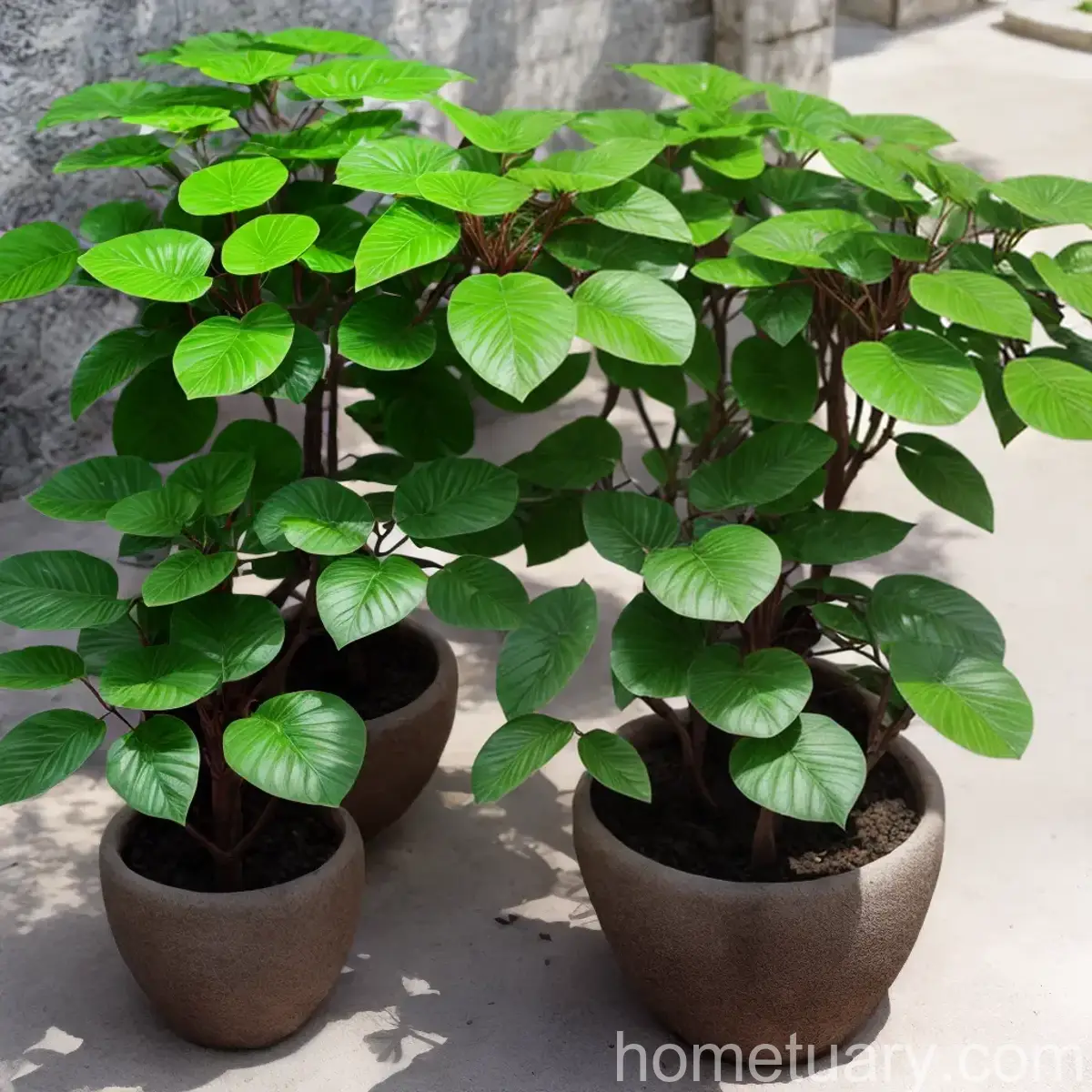
The adaptability and ornamental value of Conocarpus Erectus make it a popular choice for container cultivation, especially in coastal and urban settings where space may be limited. Its container popularity is further enhanced by its salt tolerance and low maintenance requirements.
Benefits of Container Cultivation:
- Space Efficiency: Growing Conocarpus Erectus in containers allows for space-efficient landscaping in urban and coastal environments, where limited ground space may constrain traditional planting options.
- Versatility: Container-grown Conocarpus Erectus can be strategically placed to create visual interest, provide greenery in confined spaces, and contribute to the aesthetic enhancement of outdoor areas.
Container Common Diseases
Although container cultivation offers numerous advantages, it also presents unique challenges, including the potential for specific diseases to affect Conocarpus Erectus.
Common Diseases in Container-Grown Conocarpus Erectus:
- Root Rot: Overwatering or poor drainage in container settings can predispose Conocarpus Erectus to root rot, potentially leading to significant damage or plant loss.
- Fungal Diseases: Moist, humid conditions in containers may create a conducive environment for fungal diseases, such as powdery mildew or leaf spot, necessitating proactive management strategies.
Disease Diagnosis
Prompt diagnosis of diseases affecting container-grown Conocarpus Erectus is crucial for implementing targeted treatment and management measures.
Disease Diagnosis Techniques:
- Visual Inspection: Regularly inspect the foliage, stems, and root zone of container-grown Conocarpus Erectus for signs of discoloration, wilting, or unusual growth patterns indicating potential disease issues.
- Laboratory Analysis: If symptoms are ambiguous or persistent, seeking professional laboratory analysis of plant samples can provide accurate diagnosis and guide effective treatment strategies.
Common Pests
In addition to disease management, container cultivation of Conocarpus Erectus requires vigilance in pest control to safeguard the health and vigor of the plants.
Common Pests Affecting Container-Grown Conocarpus Erectus:
- Aphids: These sap-sucking insects can infest the foliage and tender stems of Conocarpus Erectus, potentially causing stunted growth and distortion of new growth.
- Spider Mites: In hot, dry conditions, spider mites can become a considerable nuisance, causing stippling and discoloration of the foliage.
Botanist’s Tips
As a seasoned plant scientist and botanist specializing in coastal plants, I have accumulated valuable insights and tips for successful cultivation and care of Conocarpus Erectus based on my research and practical experience.
Botanist’s Tips for Conocarpus Erectus:
- Optimal Drainage: Ensure that container-grown Conocarpus Erectus is planted in pots with adequate drainage holes to prevent waterlogging and maintain proper soil moisture levels.
- Salinity Management: Monitor salt accumulation in container soil and consider leaching and flushing the soil periodically with fresh water to mitigate potential salt stress on the plants.
Fun Facts
Now that we have delved into the essential aspects of cultivating and caring for Conocarpus Erectus, let’s explore some intriguing and lesser-known fun facts about this versatile coastal plant.
Fascinating Insights about Conocarpus Erectus:
- Medicinal Properties: In some traditional medicinal systems, various parts of Conocarpus Erectus are used for their purported therapeutic properties, offering potential benefits for human health.
- Ecological Role: Conocarpus Erectus plays a crucial ecological role as a habitat provider and erosion controller in coastal ecosystems, contributing to the resilience and stability of shoreline environments.
- Symbolism: In certain cultures, Conocarpus Erectus may hold symbolic significance, representing endurance, adaptability, and strength due to its ability to thrive in challenging coastal conditions.
In conclusion, Conocarpus Erectus, or Green Buttonwood, stands as a resilient and adaptable coastal plant with multifaceted uses and considerable ecological value. Whether utilized in coastal landscaping, erosion control efforts, or container cultivation, its salt tolerance and ornamental appeal make it a highly favored choice. Understanding its cultural requirements, disease and pest management, and propagation techniques is pivotal for successfully incorporating this remarkable plant into various environments.
For more in-depth information and resources regarding Conocarpus Erectus and coastal plant cultivation, I encourage you to explore the following external links:
- Florida Native Plant Society – Conocarpus Erectus
- University of Florida IFAS Extension – Coastal Landscaping with Native Plants
- Clemson Cooperative Extension – Salt-Tolerant Plants for Florida Landscapes
By incorporating the essential information and insights about Conocarpus Erectus, this comprehensive guide offers a valuable resource for individuals seeking to deepen their understanding of this coastal plant and its diverse applications. From its cultural requirements to propagation and pest management, the guide provides a holistic perspective on nurturing and utilizing Conocarpus Erectus in various settings.