Tropical Almond (Terminalia catappa): A Comprehensive Guide
The tropical almond, scientifically known as Terminalia catappa, is a stunning tree that is endemic to the tropical regions of Asia, Africa, and Australia. Renowned for its ornamental beauty, as well as its ecological and cultural significance, the tropical almond has earned a special place in various aspects of human life, from landscaping to traditional medicines.
In this exhaustive guide, we will delve deep into the world of Terminalia catappa, exploring its cultural and ecological importance, its uses, cultivation practices, as well as its role in sustainable agriculture and biodiversity conservation.
What is Tropical Almond (Terminalia catappa)?
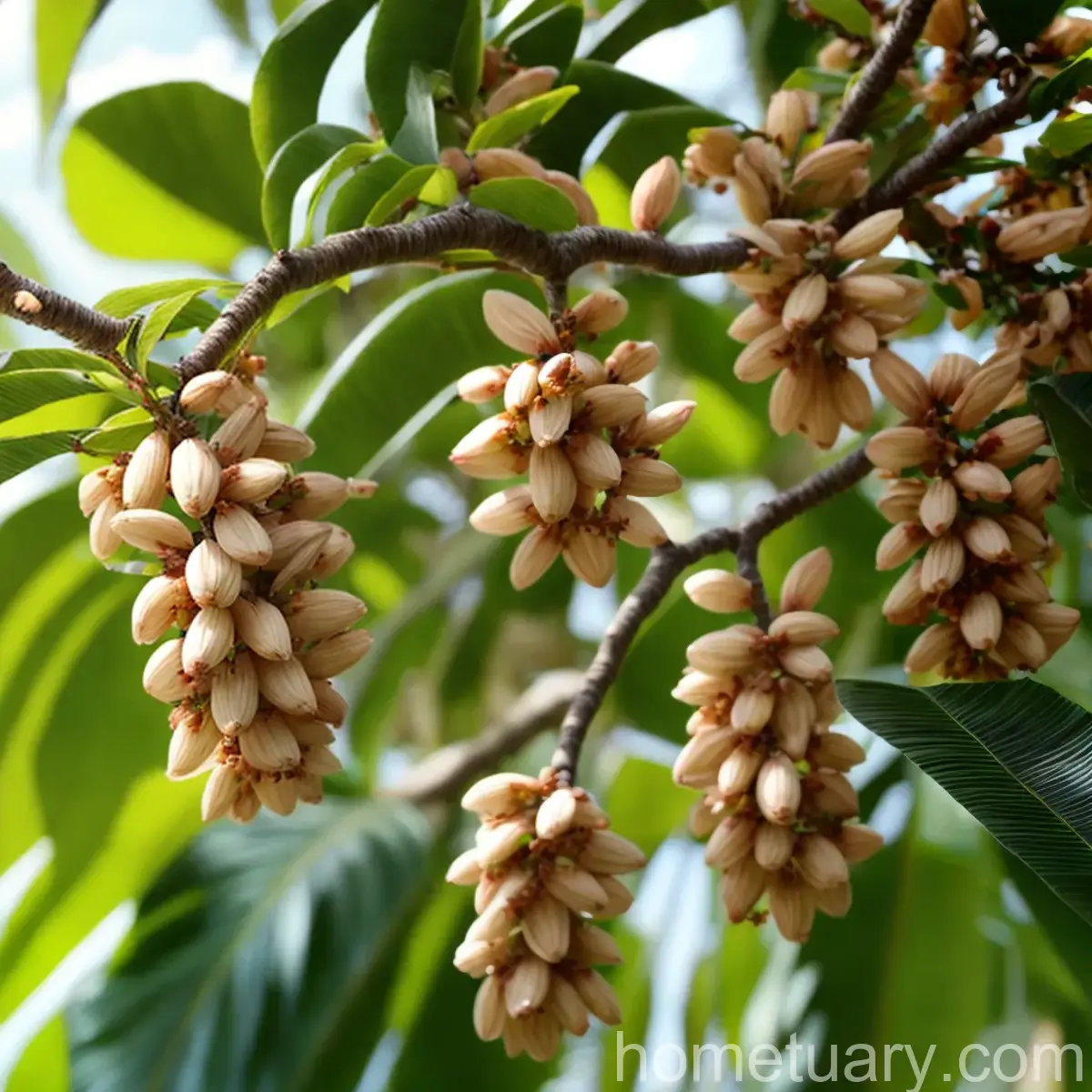
Terminalia catappa, commonly known as the tropical almond, is a large tropical tree belonging to the Combretaceae family. It is characterized by its broad, glossy, and vibrant green leaves, making it a popular ornamental tree in tropical and subtropical regions. The tree produces an abundance of vibrant, red, almond-like fruits, adding to its aesthetic appeal. It is also referred to by various other names, including Bengal almond, Indian almond, and sea almond, reflecting its wide distribution across different regions.
Key Takeaways – Tropical Almond (Terminalia catappa)
Before we embark on a journey to explore the enchanting world of tropical almonds, here are some key takeaways that we will delve into across this guide:
- Cultural significance and traditional uses
- Optimal growing conditions, including water, sunlight, and soil requirements
- Fertilization and pruning tips for healthy growth
- Techniques for propagation and cultivation in containers
- Common diseases and pests affecting tropical almond trees
- Fun facts, botanist’s tips, and additional resources for further exploration
Now, let’s deep dive into the various facets of this mesmerizing tree.
Culture
Tropical Almond in Indigenous Cultures
The tropical almond has historically been revered in indigenous cultures across its native range. Its leaves, fruits, and barks are often utilized in traditional medicinal practices, with beliefs in their efficacy to treat various ailments. Additionally, the tree holds cultural and religious significance in certain communities, with ceremonial and symbolic importance attributed to it.
Traditional Uses of Terminalia catappa
Throughout history, diverse cultures have made use of different parts of the tropical almond tree for a wide range of purposes:
- Traditional Medicine: The leaves, barks, and fruits of Terminalia catappa have been utilized in traditional medicine for their potential therapeutic properties. From alleviating respiratory disorders to promoting skin health, the plant has been an integral part of traditional healing practices.
- Culinary Applications: The nuts or seeds of the tropical almond are occasionally used in culinary endeavors, adding a unique flavor profile to various dishes.
- Dye Production: The leaves of Terminalia catappa have been employed in dye production, yielding vibrant and natural dyes for fabrics.
Uses
Ornamental Beauty
One of the most prominent uses of Terminalia catappa is its ornamental value. Due to its lush, broad leaves and the vibrant colors of its fruits, the tropical almond is extensively utilized in landscaping, providing shade, enhancing aesthetics, and contributing to the overall visual appeal of gardens, parks, and urban spaces.
Environmental Significance
Apart from its inherent aesthetic charm, the tropical almond also serves crucial ecological functions. Its dense foliage provides a habitat for a variety of bird species, while the fallen leaves enrich the soil and support microorganisms, contributing to the overall ecosystem health. The tree also aids in stabilizing soil, preventing erosion in coastal areas, and plays a role in carbon sequestration.
Water
Watering Requirements
Maintaining optimal soil moisture is vital for the healthy growth of tropical almond trees. While the exact watering frequency may vary based on environmental conditions, a general guideline is to water the tree deeply, ensuring that the root zone receives sufficient moisture. However, it is essential to avoid waterlogging, which can lead to root rot and other adverse effects.
Drought Tolerance
While tropical almonds appreciate consistent moisture, they also exhibit a degree of drought tolerance once established. This resilience is particularly advantageous in regions prone to intermittent dry spells, enabling the tree to endure periods of reduced water availability.
Sunlight
Sunlight Preferences
Terminalia catappa trees thrive in full sun to partial shade, making them adaptable to various light conditions. A well-lit location is generally preferred for optimal growth and fruiting, although the tree can withstand partial shade, particularly in hot climates where protection from intense sun may be beneficial.
Indoor Cultivation
For those wishing to grow tropical almonds indoors, it is crucial to ensure adequate light exposure. Placing the tree near a bright window or utilizing grow lights can aid in meeting its light requirements, thereby supporting healthy growth.
Fertilizer
Nutrient Requirements
Proper fertilization is essential for ensuring the vigor and vitality of tropical almond trees. A balanced fertilizer, with an emphasis on nitrogen, phosphorus, and potassium, can support robust growth and flowering. Organic fertilizers, such as compost and well-rotted manure, can also contribute to soil fertility and long-term health.
Application Guidelines
Fertilizers should be applied in accordance with the specific needs of the tree, taking into account factors such as soil composition, age of the tree, and the presence of any nutrient deficiencies. It is advisable to conduct a soil test to determine the existing nutrient levels and tailor the fertilization approach accordingly.
Soil
Soil Requirements
Tropical almond trees thrive in well-draining, fertile soils with a slightly acidic to neutral pH range. Ample organic matter, such as compost or leaf mulch, can enhance the soil structure and nutrient content, creating an ideal environment for the tree’s root development.
Coastal Adaptability
One remarkable aspect of Terminalia catappa is its adaptability to coastal soils. With a tolerance for saline conditions, it can flourish in coastal areas, contributing to shoreline stabilization and the creation of biodiverse habitats in these regions.
Pruning
Pruning Practices
Regular pruning can aid in shaping the tree, managing its size, and promoting an open canopy structure. Pruning dead or damaged branches, as well as occasional thinning to improve air circulation, are beneficial practices that contribute to the overall health and aesthetics of tropical almond trees.
Timing and Techniques
Pruning is best carried out during the dormant season to minimize stress on the tree. Proper pruning techniques, such as making clean cuts and avoiding excessive removal of healthy limbs, can minimize the risk of disease and maintain the tree’s natural form.
Propagation
Propagation Methods
Tropical almond trees can be propagated through various methods, including:
- Seed Propagation: Growing Terminalia catappa from seeds is a common approach, though it requires patience due to the time taken for germination and establishment.
- Cuttings: Propagation through semi-hardwood cuttings or air-layering can yield quicker results, enabling the production of genetically identical clones of desired cultivars.
Container Cultivation
For gardeners with limited space or those aiming to grow tropical almonds in non-native regions, container cultivation is a viable option. Selecting a sufficiently large container, ensuring proper drainage, and providing suitable growing conditions can enable successful growth of tropical almond trees in containers.
Popularity
Global Appeal
The tropical almond’s appeal extends far beyond its native range, as it has garnered admiration and popularity in various regions across the globe. Its use in urban landscapes, botanical gardens, and residential settings underscores its universal charm and horticultural significance.
Significance in Tropical Gardens
In tropical and subtropical gardens, Terminalia catappa holds a special place, contributing to the lush greenery, providing shade, and adding an exotic touch to the landscape. Its adaptation to diverse tropical climates and its cultural significance make it a desirable addition to garden settings.
Common Diseases
Disease Susceptibility
While generally resilient, tropical almond trees can be susceptible to certain diseases, including:
- Fungal Infections: Diseases such as powdery mildew and leaf spot can affect the foliage, leading to aesthetic and potential health impacts.
- Bacterial Diseases: Certain bacterial infections, though less common, can manifest in the form of leaf and stem lesions.
Disease Management
Practicing good sanitation, providing proper airflow, and promptly addressing signs of disease can aid in disease prevention and management. Utilizing disease-resistant cultivars and maintaining overall tree health are also effective strategies for mitigating disease risks.
Disease Diagnosis
Identifying Diseases
Accurate diagnosis of tree diseases is paramount in implementing effective management strategies. Symptoms such as leaf discoloration, wilting, or unusual patterns on the foliage can provide valuable clues in diagnosing potential diseases.
Seeking Professional Assistance
In cases of uncertain diagnosis or severe disease outbreaks, consulting certified arborists or plant pathologists can provide expert insights and guidance in addressing the specific disease issues affecting tropical almond trees.
Common Pests
Pest Infestations
Tropical almond trees may encounter various pest insects, including:
- Scale Insects: Both soft and armored scales can afflict the tree, impacting its overall vigor and leading to aesthetic damage.
- Aphids: These sap-feeding insects can proliferate rapidly, exerting stress on the tree and potentially transmitting plant diseases.
Integrated Pest Management
Implementing integrated pest management (IPM) strategies, such as natural predators, cultural controls, and targeted pesticide applications, can assist in maintaining pest populations at manageable levels without unduly harming beneficial organisms.
Botanist’s Tips
Botanical Features
Recognizing the unique botanical characteristics of Terminalia catappa can enhance one’s appreciation and understanding of this captivating tree:
- Leaves: The striking, broad leaves of the tropical almond are typically arranged spirally and possess a glossy, dark green hue. During autumn, the leaves take on vibrant red and orange colors before shedding.
- Fruits: The fruits of Terminalia catappa, resembling almonds, showcase a bright red husk encasing the edible seed.
Fun Facts
Intriguing Tidbits
Uncover some fascinating and lesser-known facts about Terminalia catappa:
- Ornamental Significance: Apart from its ornamental beauty, the red leaves of the tropical almond often find use in decorative arrangements and traditional ceremonies.
- Phytochemical Potential: Studies have highlighted the presence of diverse phytochemicals in various parts of the tropical almond, indicating its potential for medicinal and industrial applications.
Links to External Resources
Unveil a wealth of knowledge and insights by exploring the following external resources:
- Tropical Almond (Terminalia catappa) – Plant Profile, Growth, Cultivation, and Uses
- Traditional Medicinal Uses of Terminalia catappa in Indigenous Cultures
- Botanical Garden Showcase: Tropical Almond Trees in Urban Landscapes
- Integrated Pest Management Strategies for Tropical Almond Trees
- Culinary Delights: Exploring Edible Uses of Terminalia catappa
In Conclusion
The tropical almond or Terminalia catappa embodies an intriguing blend of aesthetic allure, cultural significance, and ecological contributions. Its versatility in landscaping, traditional uses, and potential ecological applications underscores its multifaceted importance.
Whether adorning tropical gardens, enriching traditional medicines, or contributing to biodiversity conservation, the tropical almond stands as a testament to the diverse and profound impact of plants in our lives. As we continue to explore and appreciate the botanical wonders around us, may the tropical almond serve as a compelling symbol of nature’s bounty and beauty.
“`
References
- Nayar, T. S., & Singh, M. P. (Eds.). (1993). Genetic resources of Indian tropical almonds. IPGRI.
- Duke, J. A., & Ayensu, E. S. (1985). Medicinal plants of China (Vol. 2). Reference Publications.
- Hodel, D. R. (2011). Tropical ornamentals: A guide. Timber Press.
- Pérez, A. J., González, J., & Chim, R. (2004). Trees of Cuba. Comisión Nacional Para la Protección del Medio Ambiente.
- Newman, M., & Smith, P. (2002). Tropical palms revisited. Merrell.
- Ramanatha Rao, V., Ayyangar, G. N., & National Bureau of Plant Genetic Resources (India). (1984). Genetic resources of tropical and subtropical fruits and nuts. NBPGR.
- Gandolfo, D. (2019). Botanical garden plant profiles: Tropical almond (Terminalia catappa). Retrieved from https://www.example.com/bgp-tropical-almond-profile
- Raghunath, B. (2013). Role of Terminalia catappa in coastal ecosystem conservation. Journal of Environmental Research And Development, 7(4).
“`