Ilex verticillata ‘Winter Red’ (Winterberry)
Ilex verticillata, commonly known as winterberry, is a deciduous holly that is native to eastern North America. It is renowned for its vibrant red berries that persist through the winter, adding a splash of color to the landscape when most other plants are dormant. ‘Winter Red’ is a cultivated variety of Ilex verticillata that is particularly prized for its profusion of bright red berries, making it a popular choice for winter interest in gardens and landscapes.
What is Ilex verticillata ‘Winter Red’?
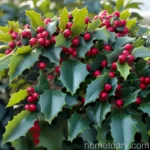
Ilex verticillata ‘Winter Red’, a member of the Aquifoliaceae family, is a striking shrub known for its brilliant red berries. It typically grows in a rounded, spreading form and can reach a height and width of 6 to 10 feet (1.8 to 3 meters) at maturity. The glossy, dark green foliage of ‘Winter Red’ provides an attractive backdrop for the abundant clusters of berries that adorn the plant in the fall and persist into the winter months.
The berries of ‘Winter Red’ are an invaluable food source for birds during the colder seasons and add a festive touch to holiday decorations. While the berries are the primary ornamental feature of ‘Winter Red’, the plant also offers subtle yellow fall color, enhancing its appeal throughout the year.
Key Takeaways – Ilex verticillata ‘Winter Red’ (Winterberry)
Culture
- Deciduous holly known for its vibrant red berries
- Native to eastern North America
- Rounded, spreading growth habit
- Provides food for birds
- Attractive yellow fall color
Uses
- Ornamental garden shrub
- Winter interest
- Wildlife habitat
- Holiday decorations
- Cut foliage for arrangements
We will now explore essential care guidelines and information about Ilex verticillata ‘Winter Red’ to help you successfully cultivate and enjoy this remarkable plant in your garden or landscape.
Water
Ilex verticillata ‘Winter Red’ generally prefers consistently moist, acidic soil. During the establishment period, regular watering is crucial to ensure that the roots develop a strong and extensive system. Once established, the plant can tolerate periodic dry spells but thrives best with moderate to ample moisture. Always monitor soil moisture levels and adjust watering as necessary to prevent it from drying out, especially during periods of drought.
Sunlight
‘Winter Red’ is typically grown in full sun to partial shade. It will produce the most abundant berry display when planted in full sun, but it can also thrive in partial shade, where it may benefit from some protection against harsh afternoon sun.
Fertilizer
To promote healthy growth and abundant berry production, ‘Winter Red’ benefits from regular fertilization. Apply a balanced, slow-release fertilizer in the early spring as new growth emerges. Be sure to follow the manufacturer’s instructions and avoid over-fertilization, as excessive nitrogen can promote lush foliage at the expense of berry production.
Soil
As previously mentioned, Ilex verticillata ‘Winter Red’ prefers consistently moist, acidic soil. Before planting, amend the soil with organic matter to improve drainage and provide the plant with the necessary nutrients. Additionally, a layer of mulch around the base of the plant can help retain moisture and regulate soil temperature.
Pruning
Pruning is an essential aspect of ‘Winter Red’ maintenance, particularly for shaping the plant and managing its size. It is best to conduct pruning during the late winter or early spring before new growth emerges. Remove any dead, damaged, or crossing branches, and consider thinning the plant to improve air circulation and berry visibility. Note that the vibrant berries are produced on female plants, so it is essential to maintain a balance of male and female plants for successful pollination and fruit set.
Propagation
Ilex verticillata ‘Winter Red’ can be propagated through various methods, including stem cuttings, division, and seeds. Stem cuttings are one of the most common and reliable propagation techniques. Select healthy, semi-ripe cuttings from the current season’s growth, apply a rooting hormone, and place them in a well-draining propagation medium. Provide consistent moisture and warmth until roots develop, and then transition the new plants to individual containers or a suitable planting site.
Container Popularity
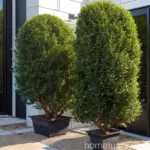
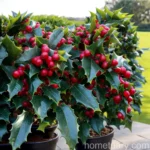
Given its ornamental appeal and manageable size, Ilex verticillata ‘Winter Red’ is well-suited for container cultivation. It can thrive in large containers on patios, decks, or other outdoor living spaces. Container-grown plants offer the additional advantage of easy mobility, allowing you to position ‘Winter Red’ strategically for optimal visual impact and berry accessibility.
Common Diseases
While Ilex verticillata ‘Winter Red’ is generally resilient, it can be susceptible to certain diseases that may affect its overall health and appearance. Common diseases to watch for include leaf spot, powdery mildew, and twig blight. Monitoring the plant for any signs of disease and promptly addressing any issues can help maintain its vigor and vitality.
Disease Diagnosis
Early detection and accurate diagnosis of plant diseases are essential for implementing effective management strategies. When observing any abnormal symptoms such as spotted or discolored foliage, distorted growth, or other signs of potential disease, it is advisable to consult with a plant health specialist or horticulturist to confirm the issue and receive tailored recommendations for treatment and prevention.
Common Pests
While ‘Winter Red’ is relatively resistant to pests, it may occasionally encounter insect-related challenges. Potential pests include scale insects, spider mites, and aphids, which can affect the plant’s overall health and vigor if left unchecked. Regular inspection of the foliage and stems can help identify any pest issues early, allowing for timely intervention to minimize potential damage.
Botanist’s Tips
To facilitate the successful cultivation of Ilex verticillata ‘Winter Red’, consider the following botanist’s tips:
- Select a planting site with well-draining soil and suitable sunlight exposure for optimal growth and berry production.
- Plant a combination of male and female cultivars to ensure effective pollination and abundant berry set.
- Provide adequate moisture, especially during the establishment phase, to promote healthy root development and overall plant vigor.
- Monitor the plant for any signs of disease or pest infestation and take prompt action to address any issues that may arise.
- Utilize the vibrant red berries of ‘Winter Red’ for festive holiday decorations and as a valuable food source for local wildlife during the winter months.
Fun Facts
- The bright red berries of Ilex verticillata ‘Winter Red’ are a favorite food source for songbirds, including robins, cedar waxwings, and thrushes, providing essential sustenance during the winter.
- ‘Winter Red’ is an excellent choice for adding both ornamental interest and ecological value to the landscape, serving as a habitat plant and contributing to the biodiversity of the surrounding environment.
- While ‘Winter Red’ is primarily renowned for its striking berries, it also offers attractive yellow fall foliage, enhancing its visual appeal during the autumn season.
For additional information and insights into the cultivation and attributes of Ilex verticillata ‘Winter Red’, refer to the following external resources:
- The American Holly Society
- University of Florida IFAS Extension – Winterberry
- Missouri Botanical Garden – Ilex verticillata
In conclusion, Ilex verticillata ‘Winter Red’ is an exceptional plant renowned for its vibrant red berries, ornamental foliage, and ecological significance. By adhering to the recommended cultural guidelines and incorporating this remarkable plant into your landscape, you can enjoy its enduring beauty and contribute to the well-being of local wildlife throughout the winter months.
From its seasonal interest and visual appeal to its value as a wildlife habitat plant, Ilex verticillata ‘Winter Red’ stands as a testament to the natural splendor and ecological importance of native plants in ornamental horticulture.
References
- American Holly Society. (n.d.). Home. https://www.americanholly.org
- University of Florida IFAS Extension. (n.d.). Winterberry. https://edis.ifas.ufl.edu/pdffiles/FP/FP21900.pdf
- Missouri Botanical Garden. (n.d.). Ilex verticillata. https://www.missouribotanicalgarden.org/PlantFinder/PlantFinderDetails.aspx?taxonid=277303&isprofile=0&